Home
/
Dog Breeds
/
Labradoodle
Labradoodle
Origin
Australia
Size
Medium Breed
Ideal Space
Apartment
Ideal Weather
5º-30ºC
Life Expectancy
12-14 years
Cost of buying
₹ 30,000 - ₹ 90,000
Top 5 Traits
Energetic
Intelligent
Loyal
Friendly
Playful
Avg Monthly Expenses
₹ 4,350 - ₹ 6,600



Labradoodle Dog Breed Overview
The Labradoodle is a cross between a Standard Poodle and a Labrador Retriever. It is popular for its loving disposition and low shedding. They are affectionate and intelligent and thrive in high-energy households. They love to please their humans and can quickly learn commands and follow them. Thus, they are an excellent choice for first-time dog owners. They also get along well with children and other small pets.
Characteristics
Barking
Quiet
Loud
Temperament with Kids
Aggressive
Friendly
Playfulness
Silent
Very Playful
Friendliness
Not Friendly
Super Friendly
Compatibility with other dogs
Aggressive
Friendly
Need for attention
Independent
Very Needy
Monthly Expenses


Labradoodle Price In India
Cost of buying
₹ 30,000 - ₹ 90,000
The Average price of buying a Labradoodle in India ranges between ₹ 30,000 and ₹ 90,000.
Prerequisites to pet a Labradoodle
Access to Veterinary
Access to Groomer
Appropriate Climate
Financial Capability
Things to Know Before Buying or Adopting a Labradoodle
- Research: Take time to learn about the breed. Do both offline and online research. Meet people who have Labradoodles in their homes and ask them about their experiences and challenges.
- Adopt: Adoption is a wonderful way to offer a puppy in need a loving home. It discourages unethical breeders and frees up space in the shelters.
- Medical Examinations: Obtain all the necessary medical documents of the pup that you have chosen. You can also take them to a vet to get a thorough medical checkup.
- Doggy Supplies: Preparing your home is one of the most important steps before bringing a dog home. Have all the basics ready, like food, a leash, and a comfy bed. This will help them settle in smoothly.
Labradoodle Nutrition Guide
Monthly Food Expenses
₹ 2,250 - ₹ 3,000
Calories per day
Puppies: 500 kcal
Adults: 1000 kcal
Essential Nutrients
Protein
Fats
Carbohydrates
Vitamins
Minerals
List of foods
Chicken
Vegetables
Fresh Fish
Fresh Meat
Fruits
- Protein is essential for the development and maintenance of lean muscle, helps repair damaged tissue, and boosts the immune system.
- Fats: Give sustained energy. It maintains the health of the coat and skin. It aids in the body's absorption of fat-soluble vitamins and promotes brain function.
- Carbohydrates: Provide energy for everyday tasks and aid in digestion.
- Fiber: Promotes gut health and a healthy digestive system. It makes dogs feel fuller for longer, which aids in weight management.
- Minerals and vitamins: Promote general health. Ensure that the nutrients calcium, phosphorus, zinc, and vitamin E are included in their diets.
Breakdown of Macro-nutrients
Recommended Foods For Your Labradoodle
- Steer clear of packaged foods with a lot of fillers and additives.
- For a balanced diet, make sure the feed satisfies the AAFCO nutrition guidelines.
- Select high-quality protein sources like fish, salmon, sardines, poultry, turkey, beef, and lamb.
- Omega-3 and Omega-6 fatty acids are examples of healthy fats. Eggs, chicken fat, oily fish, and seeds, including hemp, chia, and flaxseeds, all contain them.
- Carbohydrates: Brown rice, quinoa, and oats are examples of boiled whole grains. vegetables including carrots, sweet potatoes, peas, and pumpkin. These include both vitamins and fiber.
Foods That Are Toxic To Labradoodles
Avoid anything with these ingredients
Almonds
Avocados
Alcohol
Chocolate
Coffee / Tea
Garlic
Onions
- Steer clear of common human foods that are toxic, like chocolate, avocados, raisins, and grapes.
- Cooked bones can pose a choking hazard. They may get stuck in your dog’s throat or mouth.
- Sugar is toxic to dogs and can cause issues with their blood sugar levels. So, do not feed them highly sweetened foods and artificial sweeteners like xylitol.
- Caffeine is dangerous and could be fatal to dogs.


Labradoodle Medical Guide
Avg Monthly Expenses
₹ 900 - ₹ 1,800
Common Health Issues
Bloat
Hip Dysplasia
Heartworm
Parasites
Canine distemper
Kennel Cough
Leptospirosis
Lyme disease
Well being
Exercise
Agility Training
Bonding
Games
Socialization
Energy Level
High
Exercise routine
30 - 60 minutes
Recognising Stress
Excessive Barking
Excessive Panting
Increased laziness
Reluctance to move
Decreased play
Common Health Issues Found In Labradoodles
- Progressive Retinal Atrophy (PRA) - PRA is a hereditary condition that damages the retina, the eye's light-sensitive cell layer, and can eventually result in blindness. Although PRA doesn't cause discomfort, there are certain warning symptoms, such as night blindness, which might make your dog awkward in the dark or make them reluctant to go outside in low light. According to Cornell University College of Veterinary Medicine, PRA has no known cure; it may take months or even years for a dog's vision to completely deteriorate. And with a little assistance from their pet owners, blind dogs can lead long, fulfilling lives.
- Cataracts are prevalent in Labradoodles and can result in eye clouding, which can ultimately cause blindness. See a veterinarian if you observe that your Labradoodle's vision has become more restricted or that its lenses appear foggy or opaque. Surgery can be used to remove cataracts.
- Glaucoma is a syndrome that causes pressure to build up inside the eye. This results in pain, discoloration, and inflammation of the eye. If you observe changes in your dog's eyes or vision, get in touch with your veterinarian.
- Hip Dysplasia - When your Labradoodle puppy grows and their hips develop unnaturally, they may develop hip dysplasia. According to PetMD, it is a frequent ailment in large and giant breeds of dogs. The following are typical indicators of hip dysplasia: limping, a hopping rabbit gait, difficulty jumping, standing, and climbing or descending stairs. Hip dysplasia can be treated with a variety of methods, including joint supplements, anti-inflammatory drugs, and surgery. To choose which option is best for your Labradoodle, speak with your veterinarian.
- Heart Disease - Labradoodles are among the many dog breeds that are susceptible to heart disease. Dilated cardiomyopathy (DCM), abnormal heart rate and rhythm (arrhythmia), and cardiac valve degeneration are some of the underlying disorders that can cause it. Keep an eye out for indicators like: chronic coughing, collapsing or fainting, breathing difficulties, weariness, and changes in behavior (such as a decrease in appetite or a reluctance to participate). Schedule a consultation with your veterinarian right away if you observe any of these symptoms. To evaluate the problem, a veterinarian can conduct screenings including blood tests, chest X-rays, and echocardiograms.
Vaccination details
Growth Stage
Core Vaccines
6-8 Weeks
DHPP (Distemper, Hepatitis, Parvovirus, Parainfluenza)
12-16 Weeks
Rabies, Leptospirosis
16-1 Weeks
DHPP Booster, Bordetella (Kennel Cough)
Caring For A Senior Labradoodle
- Slowly transition to senior dog food as they will provide joint support and potentially be lower in calories.
- Monitor their weight and keep treats in check.
- Low-impact exercises are recommended over intense exercise.
- Schedule regular appointments with the vet to monitor their health.
- Provide soft bedding (or an orthopedic bed) to provide joint support. Ramps can be added to easily help them get onto furniture.
Labradoodle Grooming Guide
Avg Monthly Expenses
₹ 1,200 - ₹ 1,800
Shedding Level
Moderate Shedding
Hygienic Checklist
Bathing
Brushing
Ear Cleaning
Nail Trimming
Benefits of Grooming
Cleanliness
Odourless
Prevents Bad Breath
Low Shedding
Prevents infections
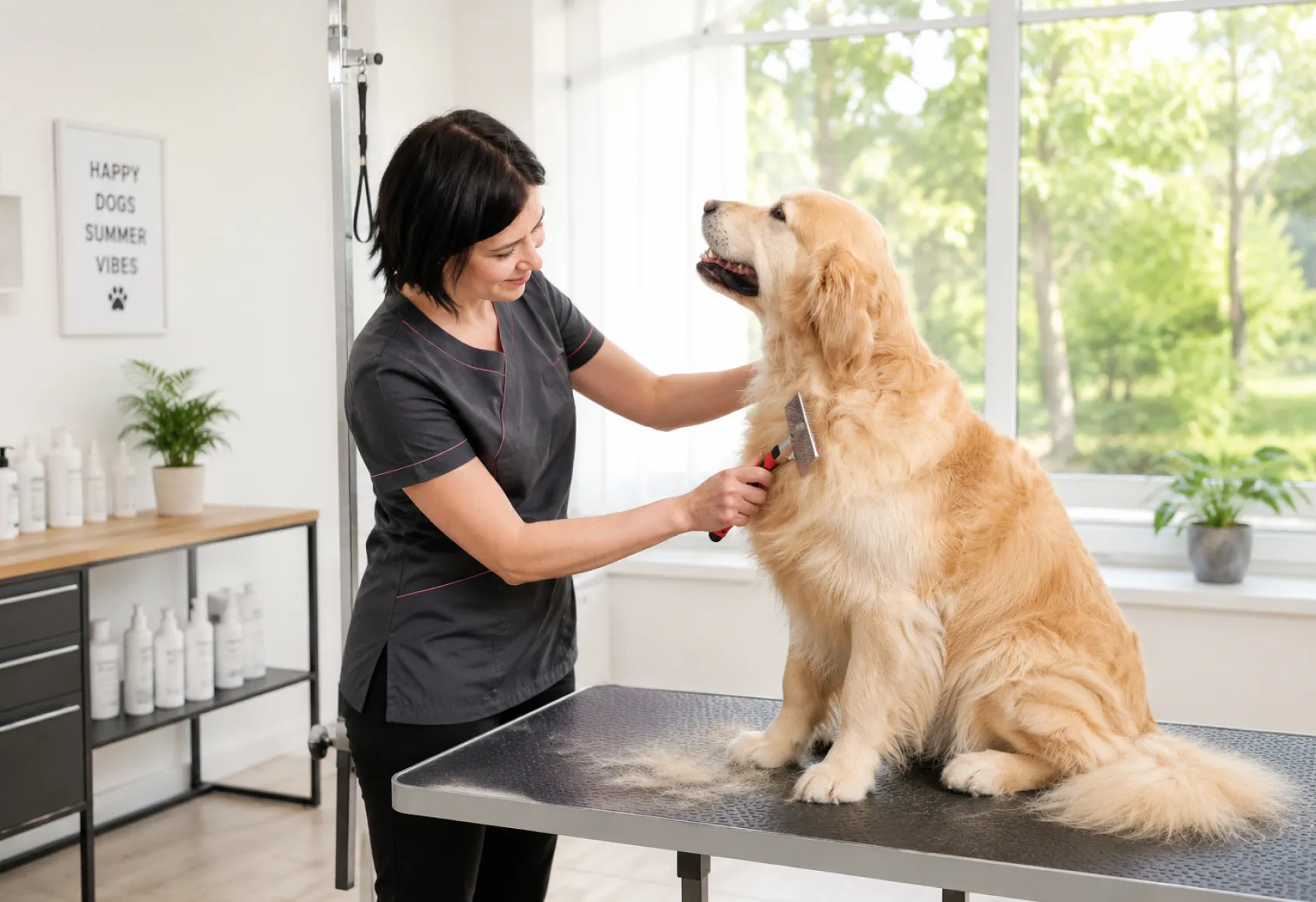
Labradoodles are a hybrid breed; therefore, their coats might differ in length and texture. Despite being thought of as low-shedding dogs, they need frequent grooming to avoid matting and maintain the general health of their coats.


Compare with similar breeds


Frequently Asked Questions
Are Labradoodles good family dogs?
Yes absolutely! They are friendly and playful and get along well with children and other pets.
How much exercise does a Labradoodle require?
They are active dogs and require 30 - 60 minutes of exercise per day.
Are Labradoodles easy to train?
Yes, they love to please and can learn commands easily.