
How to Mentally Stimulate Your Dog at Home: Easy Dog Enrichment Ideas
A practical guide to dog enrichment activities that help prevent boredom, stress, and destructive behavior.

5 Min Read
22 May, 2026
Social share
Or copy link
https://www.happypet.care/media/blogs/parenting/dogs-mental-stimulation-activities-at-home

Dogs need more than food, walks, and love to stay happy. They also need mental stimulation and enrichment activities that keep their mind engaged.
Dogs were naturally bred to sniff, explore, search, and problem-solve. When they don’t get healthy ways to use those instincts, boredom can show up as chewing, barking, restlessness, or attention-seeking behaviors.
For many dogs, daily life becomes: eat, sleep, walk around the house, repeat.
Even loving homes can unintentionally create routines that lack enough mental stimulation.
What Happens When Dogs Don’t Get Mental Stimulation

When dogs don’t have healthy ways to release their energy and instincts, they end up choosing their own “hobbies,” which are usually the behaviors we see as problematic, such as:
- Excessive barking
- Chewing furniture or shoes
- Digging
- Stealing socks or household items
- Constant attention-seeking
- Zoomies at odd hours
- Restlessness and frustration
Your dog isn’t “being naughty.” They may simply be under-stimulated.
Dogs Crave Purpose
Dogs naturally want to use their brains and bodies.
Depending on their breed and personality, many dogs love to:
- Sniff and investigate
- Search for hidden things
- Track scents
- Solve problems
- Carry objects
- Chase moving targets
- Work for rewards
- Explore new environments
These activities give dogs a sense of achievement and satisfaction. That’s why enrichment matters just as much as physical exercise.
A tired dog is good. A mentally fulfilled dog is even better.
Healthy Hobbies Your Dog Will Love
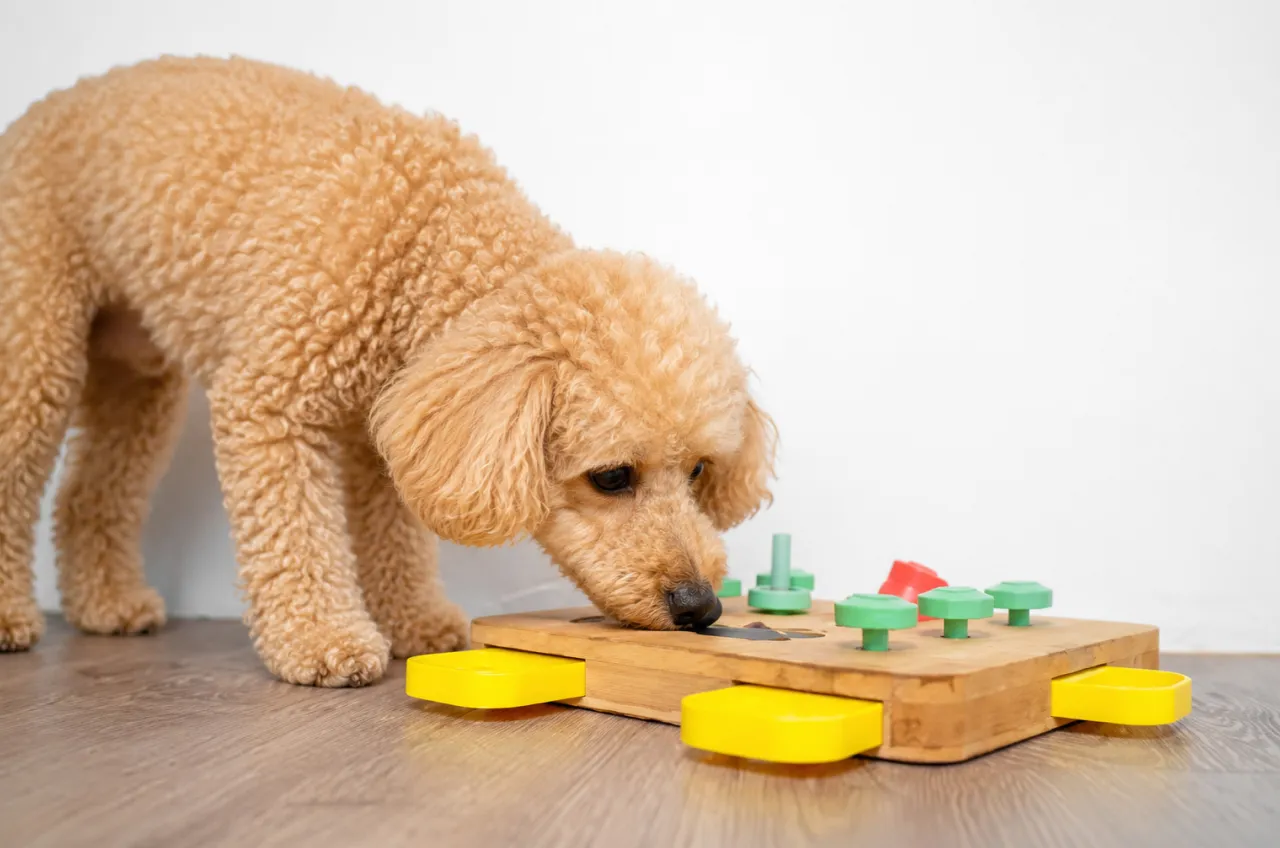
Dog hobbies don’t need to be expensive or complicated.
Here are a few simple enrichment activities pet parents can try at home:
Sniffing Games
Sniffing games encourage dogs to use their strongest sense, their nose, in a fun and rewarding way.
- Hide treats, kibbles, or toys around the house and encourage your dog to “find it.”
- Start with easy hiding spots, then slowly increase difficulty.
- Use snuffle mats, towels, or boxes for extra enrichment.
Food Puzzles
Food puzzles turn ordinary mealtimes into mentally stimulating activities for dogs.
- Use puzzle feeders, slow feeders, or treat-dispensing toys during mealtime.
- Encourage your dog to think, paw, roll, or lick to access food.
- Start simple and gradually increase the challenge.
Food puzzles help reduce boredom, encourage independent play, slow down fast eaters, and provide healthy mental exercise that keeps dogs occupied in a positive way.
Appropriate Chews
Chewing is a deeply natural and soothing behavior for dogs. Providing safe chews suited to your dog’s size, age, and chewing style gives them an appropriate outlet for stress relief and boredom.
Options like dental chews, yak chews, bully sticks, rubber chew toys, or frozen enrichment treats can keep dogs engaged while also supporting dental health.
Scent Work
Scent work gives dogs a focused task that challenges their mind and natural instincts.
- Teach your dog to identify and search for one specific scent.
- Start by hiding the scent in easy locations and reward successful finds.
- Gradually increase the difficulty over time.
Short scent work sessions can improve concentration, build confidence, and provide excellent mental stimulation for dogs of all ages.
Tracking Activities
Tracking activities allow dogs to follow scent trails and engage their problem-solving skills.
- Create a scent trail outdoors using treats or toys.
- Encourage your dog to follow the trail using their nose.
- Add turns, distance, or hidden rewards as they improve.
This encourages your dog to use their natural sniffing instincts, keeps their mind engaged, and turns a regular walk into an enriching activity.
DIY Enrichment Ideas
- Roll treats into a towel for your dog to unwrap
- Create cardboard box treasure hunts
- Rotate toys weekly to keep things exciting
Even 15-20 minutes of enrichment can make a huge difference.
Hobbies and Training Are Not the Same
Training and hobbies work together, but they serve different purposes.
Training Helps Dogs:
- Learn commands
- Build good manners
- Improve communication
- Stay safe
Hobbies Help Dogs:
- Express natural instincts
- Reduce boredom
- Build confidence
- Release mental energy
- Feel fulfilled
A dog can know “sit” and “stay” perfectly and still be bored.
That’s why enrichment should be part of everyday life, not just obedience sessions.
Different Dogs Enjoy Different Hobbies
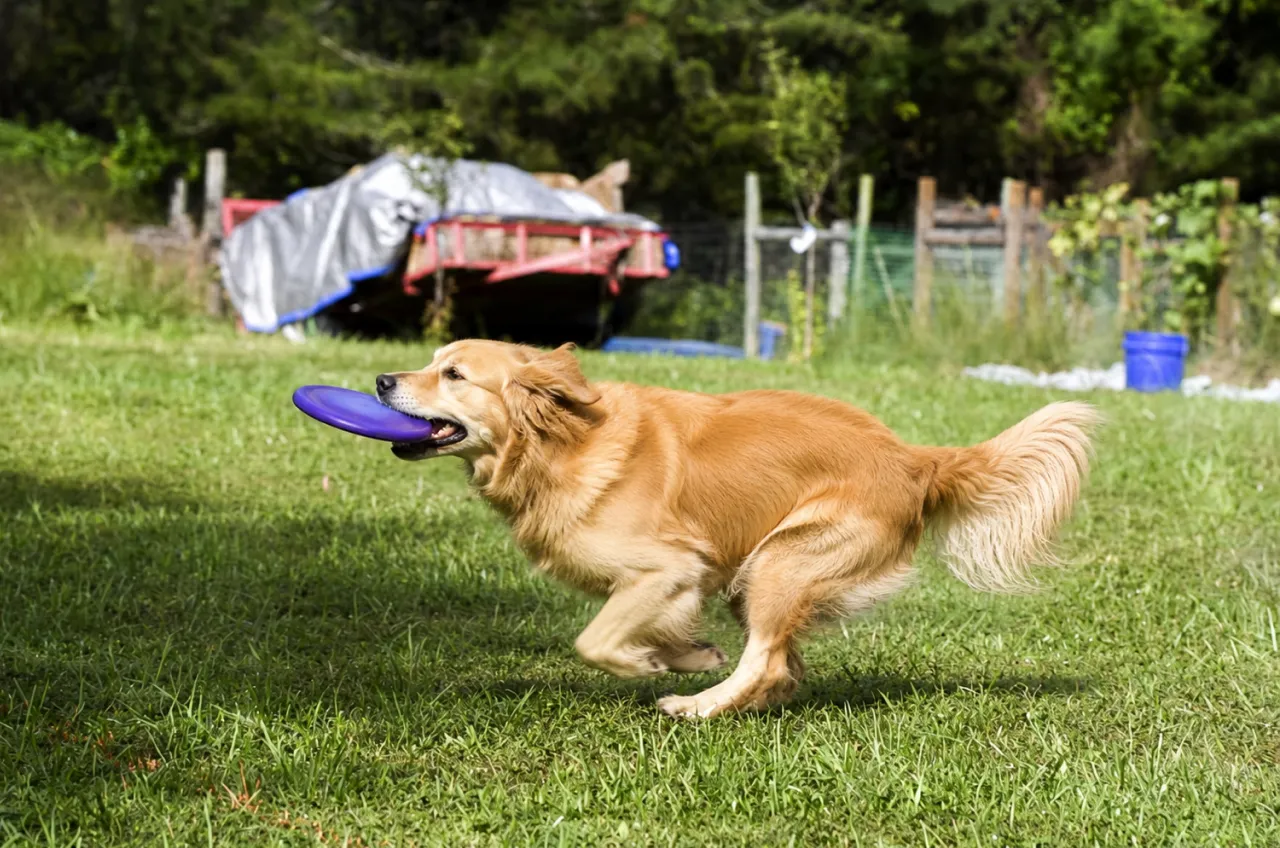
Not every dog enjoys the same activities.
- Retrievers may love fetch and carrying objects
- Hounds often enjoy scent games
- Terriers may love digging and searching
- Herding breeds enjoy problem-solving tasks
- Senior dogs may prefer gentle sniffing activities
But these are just common tendencies, not fixed rules. Every dog is different, regardless of breed.
The key is observing what naturally excites and engages your individual dog.
Small Changes Can Improve Behavior
Many common behavior issues improve when dogs get proper mental stimulation.
Pet parents often notice:
- Less destructive chewing
- Reduced barking
- Better sleep
- Improved focus during training
- Calmer behavior indoors
- Happier overall mood
Enrichment doesn’t replace exercise or affection, but it completes the picture.
Discover More Pet Care Tips
With the Happy Pet App, pet parents can stay organized and provide better long-term care for their pets by tracking daily walks, meals, weight, expenses, vaccinations, deworming schedules, and other important health records all in one place.
The app also includes reminders and a Pet Diary for storing memories.
Pet parents can explore vet-approved recipes, join pet parent communities, enable co-parenting access, discover nearby pets, and get support through in app AI pet assistant for everyday pet care guidance.
Conclusion
Giving your dog healthy hobbies helps them feel happier, calmer, and more fulfilled. Whether it’s sniffing games, food puzzles, or scent work, small enrichment activities can transform your dog’s daily life.
written by
Shyama C PrabhuAuthor