Home

/

Dog Breeds

/

Cockapoo

Origin

🇺🇸

United States

Size

Small Breed

Ideal Space

Apartment

Ideal Weather

10º-28ºC

Life Expectancy

12-15 years

Cost of buying

₹ 2,50,000 - ₹ 5,00,000

Top 5 Traits

Loyal

Intelligent

Playful

Friendly

Energetic

Avg Monthly Expenses

₹ 3,100 - ₹ 4,800

Brown fluffy Cockapoo dog sits in a field of yellow flowers with tongue out wearing red harness
written by image

by Happy Pet TeamUpdated on 31 Aug 2025

Meet the Cockapoo: A Smart, Cuddly Companion

The Cockapoo—a sweet, curly-coated mix of a Cocker Spaniel and a Poodle—is one of the earliest designer breeds, first developed in the U.S. in the 1960s for a healthy, affectionate companion, according to The Spruce Pets. Compact in size and bursting with personality, Cockapoos are beloved family dogs for their intelligence, gentle nature, and often hypoallergenic coats. In India, they’re winning hearts—perfect for both apartments and house lawns, as long as they get their daily dose of love, play, and pampering.


How Long Do Cockapoos Live?

Cockapoos tend to live long and healthy lives, with an average lifespan of 12–15 years, and many thriving well into their late teens when well cared for as told by Dogster. Their hybrid vigor often gives them an edge. In India’s varied climates, ensuring they have regular vet checkups, a proper diet, and climate consideration—especially during hot summers—can help maximize their lifespan.


Temperament & Personality

Cockapoos are famously friendly, affectionate, and clever—quick learners with an eagerness to please, states Wikipedia. Their compact size, gentle disposition, and sociable nature make them excellent family companions. Early socialization helps them adapt well to children, visitors, and other pets. Just note—they bond deeply with their people and can suffer from separation anxiety, so consistent interaction is key.


Apartment vs. Farmhouse Life in India

Cockapoos adapt flexibly to both city and rural setups:

  1. Apartment Life (Delhi, Mumbai, Bengaluru)
  2. They thrive indoors as long as they get about 1 hour of daily exercise, split between walks and mental play like hide-and-seek or agility toys, according to BorrowMyDoggy. Their small-to-medium size doesn’t create space constraints, but be mindful—they can be vocal if bored!
  3. Farmhouse/Suburban Homes
  4. Still small in stature, Cockapoos love exploring garden spaces. A securely fenced yard lets them safely play fetch or chase bugs. Early training helps curb any chasing instincts toward smaller pets or wild birds.
  5. Climate Considerations


In hot metros like Chennai, limit walks to early mornings or evenings, refresh them with cool treats like watermelon, and keep them indoors during peak heat. In cooler areas like Ooty or Shimla, they enjoy longer playtimes, but their coat still benefits from regular grooming to prevent matting and dust accumulation.

Characteristics

Barking

Quiet

Loud

Temperament with Kids

Aggressive

Friendly

Playfulness

Silent

Very Playful

Friendliness

Not Friendly

Super Friendly

Compatibility with other dogs

Aggressive

Friendly

Need for attention

Independent

Very Needy

Monthly Expenses

about image

Lifespan & Availability in India

Cost of buying

₹ 2,50,000 - ₹ 5,00,000

Cockapoos are relatively long-lived, with an average lifespan of 12–15 years, and many even reaching their late teens when given proper nutrition and preventive healthcare.


In India, Cockapoos are extremely rare which means you won’t easily find them through mainstream ethical breeders. Most puppies are imported, making them significantly more expensive than other companion breeds. Prices generally range from ₹2.5–5 lakhs, depending on factors like parent lineage, coat type (curly vs. wavy), and breeder reputation.


Exercise Needs

Cockapoos are energetic and playful, needing around 30–60 minutes of daily activity, combined with mental challenges (fetch, training, puzzles) to stay happy and balanced, states Chewy. In India’s heat, split sessions into cool hours or indoor ball games when needed.

Prerequisites to pet a Cockapoo

Access to Groomer

Access to Veterinary

Appropriate Climate

Lifestyle Compatibility

Financial Capability

Shop or Adopt a Cockapoo in India

Cockapoos are becoming more common across Indian cities:

  1. Adoption: Occasionally available through breed-specific rescues or broader welfare NGOs—but rare.
  2. Buying from Breeders: If going this route, ensure health checks for hip dysplasia and eye issues, and confirm puppies are home-raised and socialized—not kennel-kept.

Nutrition Care for Cockapoos in India

Monthly Food Expenses

₹ 1,200 - ₹ 1,800

Calories per day

Puppies400 kcal

Adults599 kcal

Essential Nutrients

Protein

Fats

Carbohydrates

Fibre

Vitamins

List of foods

Chicken

Fresh Meat

Fresh Fish

Home made meals

Vegetables

The Cockapoo may be small compared to giant breeds, but these curly-coated charmers are lively, intelligent, and always on the move. A cross between the Cocker Spaniel and the Poodle, they need meals that fuel their energy, keep their coats soft, and support long-term health. The American Kennel Club (AKC) highlights that a complete and balanced diet is key for this affectionate companion dog.


Protein: Energy & Muscle Support

Cockapoos are playful and active, so they need high-quality protein to build lean muscle and sustain stamina. PetMD recommends 22–25% protein for small to medium breeds.

Indian-friendly protein picks:

  1. Boiled chicken or goat (lightly cooked, no masala)
  2. Eggs (boiled or scrambled without oil)
  3. Local fish like rohu, sardines, or mackerel (also a great source of omega-3s)


In summer, stick to lighter proteins like chicken or fish to avoid tummy heaviness.


Healthy Fats: Brain, Skin & Coat Care

Cockapoos often inherit the Poodle’s wavy coat, which benefits from omega fatty acids. Hill’s Pet Nutrition explains that these fats also support brain health and energy.

Good fat options for Indian homes:

  1. Sardines or mackerel a few times a week
  2. A teaspoon of coconut oil (2–3 times weekly)
  3. Vet-approved fish oil supplements


These help keep coats glossy and prevent dry skin, especially in dusty cities like Delhi.


Carbohydrates: Steady Energy, Not Empty Calories

Cockapoos are active but don’t need quick sugar bursts. Complex carbs are best for sustained energy.

Great Indian carb options:

  1. Sweet potatoes or pumpkin
  2. Oats or brown rice
  3. Millets like ragi or bajra
  4. Hydrating veggies like bottle gourd or beans


Avoid biscuits, bread, or fried snacks—they add calories without nutrients.


Vitamins & Minerals: The Hidden Boosters

Small breeds like Cockapoos still need strong bones, immunity, and joint support. Dogster emphasizes calcium, phosphorus, and vitamins A, D, and E.

Easy additions from Indian kitchens:

  1. Carrots, spinach, beans, and peas (lightly boiled)
  2. Vet-recommended calcium for puppies
  3. Glucosamine/chondroitin for seniors


Feeding Guidelines by Life Stage

  1. Puppies (2–12 months): 3–4 small meals daily using small-breed puppy kibble + egg/chicken toppers. Avoid overloading calcium to protect growing joints.
  2. Adults (1–7 years): Two meals daily. Lighter breakfasts (rice + veggies) in summer and protein-rich dinners (chicken/fish + pumpkin) work well.
  3. Seniors (7+ years): Smaller, softer, easy-to-digest meals with added joint supplements. Reduce calories by ~15% to prevent obesity.


Cockapoos aren’t prone to bloat like giant breeds, but they can gulp food. Slow-feeder bowls prevent tummy upsets.

Breakdown of Macro-nutrients

Best Foods for Cockapoos in India

  1. Premium Kibble: Royal Canin Small/Medium Breed, Orijen Small Breed, Farmina N&D Low Grain, Acana Singles, Hill’s Science Diet Small Breed.
  2. Home-Cooked Meals: Chicken + pumpkin + spinach + rice; Sardines + sweet potato + beans; Egg + oats + carrots; Paneer (in moderation) + ragi porridge + peas.
  3. Healthy Treats: Carrot sticks, apple slices (seedless), cucumber, curd, or homemade chicken jerky.
  4. Hydration Boosts: Bone broth, coconut water (occasionally), and fresh water bowls—especially in Indian summers.

Never feed these foods to Cockapoo

Avoid anything with these ingredients

Chocolate

Garlic

Onions

Grapes

Alcohol

Xylitol

Never feed Cockapoos: onions, garlic, grapes, raisins, chocolate, xylitol, caffeine, fried snacks (pakoras, samosas), rawhide chews, highly processed meats (sausages), or sweets like mithai/ice cream.


about image

Health

Avg Monthly Expenses

₹ 700 - ₹ 1,200

Common Health Issues

Hip Dysplasia

Ear Infections

Progressive Retinal Atrophy (PRA)

Patellar Luxation

Bloat

Heart Disease

Well being

Exercise

Agility Training

Bonding

Socialization

Games

Energy Level

Medium

Exercise routine

30 - 60 minutes

Recognising Stress

Changes in appetite

Excessive Barking

Excessive Panting

Pacing

Reluctance to move

Healthcare for Cockapoos in India

Cockapoos are generally healthy, thanks to hybrid vigor. Still, like all breeds, they can face certain genetic and lifestyle health issues. Indian pet parents can keep them thriving with preventive care, climate management, and a balanced lifestyle.


Common Health Concerns


Hip Dysplasia & Joint Problems

Though small-to-medium sized, Cockapoos can inherit joint issues like hip dysplasia from their Cocker parent. PetMD recommends early screening and joint supplements. In India, avoid too much stair climbing or jumping on marble floors during puppyhood.


Eye Issues (PRA & Cataracts)

Cockapoos can inherit Progressive Retinal Atrophy (PRA) and cataracts from the Poodle line. Annual eye checks, especially after age 5, are smart preventive steps.


Ear Infections

Those adorable floppy ears can trap moisture and dirt—especially in humid monsoons. The Spruce Pets advises weekly ear cleaning with vet-approved solutions. Always dry ears after baths or rainy walks.


Dental Issues

Small breeds often face tartar buildup and gum disease. Regular brushing with dog-safe toothpaste and offering dental chews from Indian brands like HUFT (Heads Up For Tails) keeps teeth healthy.


Allergies & Skin Sensitivities

Cockapoos can have food or pollen allergies, leading to itchy skin or hotspots. WagWalking notes that sensitive skin care and gentle shampoos are important. In India, fungal infections are common during monsoons—always dry their curly coat thoroughly.


Obesity & Pancreatitis

They love food and can easily gain weight. Obesity worsens joint and thyroid issues. PetMD warns that fatty diets may also trigger pancreatitis. Portion control and avoiding fried Indian snacks like pakoras or biryani scraps is essential.


General Healthcare Tips for Indian Homes

  1. Vet Visits: Once a year for young adults, twice yearly for seniors. Ask breeders for hip and eye clearances before adopting.
  2. Weight Management: Stick to portion sizes—avoid feeding mithai, samosas, or fried table scraps.
  3. Dental & Skin Care: Brush teeth weekly, dry coat properly after baths, and check for fungal rashes during monsoon.
  4. Parasite Control: Regular tick/flea prevention is non-negotiable in India’s warm climate.


Mental Enrichment: Cockapoos are clever. Puzzle feeders, hide-and-seek, and obedience games keep them mentally satisfied.

Vaccination details

Growth Stage

Core Vaccines

6-8 Weeks

Distemper, Parvovirus, Hepatitis

10-12 Weeks

Distemper, Parvovirus, Hepatitis

12-16 Weeks

Rabies, Parvovirus, Distemper

Annual

Rabies, Leptospirosis, Lyme Disease

Every 3 Years

Rabies

Recommendations to care for senior Cockapoo dogs

  1. Biannual vet visits with full blood panels (kidney, liver, thyroid).
  2. Switch to senior-friendly diets—lighter proteins like chicken/fish, smaller portions.
  3. Provide orthopedic bedding for joint comfort on India’s hard tile floors.
  4. Cooling mats or AC during hot summers in metros like Delhi or Chennai.
  5. Natural joint support like vet-approved glucosamine or turmeric can ease stiffness

Similar Breeds

Cavapoo | Labradoodle | Maltipoo

Grooming

Avg Monthly Expenses

₹ 1,200 - ₹ 1,800

Shedding Level

Low Shedding

Hygienic Checklist

Bathing

Brushing

Ear Cleaning

Eye Care

Teeth Care

Benefits of Grooming

Cleanliness

Low Shedding

Odourless

Prevents Bad Breath

Prevents infections

Cockapoos require regular upkeep—but nothing too overwhelming:


  1. Brushing: Several times a week—daily for longer, curlier coats—to prevent tangles and mats
  2. Professional Grooming: Every 4–6 weeks keeps their coat neat and manageable.
  3. Bathing: As needed—monthly is usually fine. Just ensure thorough drying to prevent skin irritation.
  4. Ears & Nails: Clean floppy ears weekly to avoid moisture-related infections. Trim nails monthly to protect your floors and their paws
  5. Teeth: Brush regularly to prevent tartar and dental issues.
about image
written by image

Written by

Happy Pet Team

Author

Team Happy Pet is a passionate collective of pet experts, enthusiasts, and advocates dedicated to sharing trusted and insightful content.

Our cont

 

Compare with similar breeds

Tri color Beagle puppy with floppy ears looking at the camera

Beagle

Compare
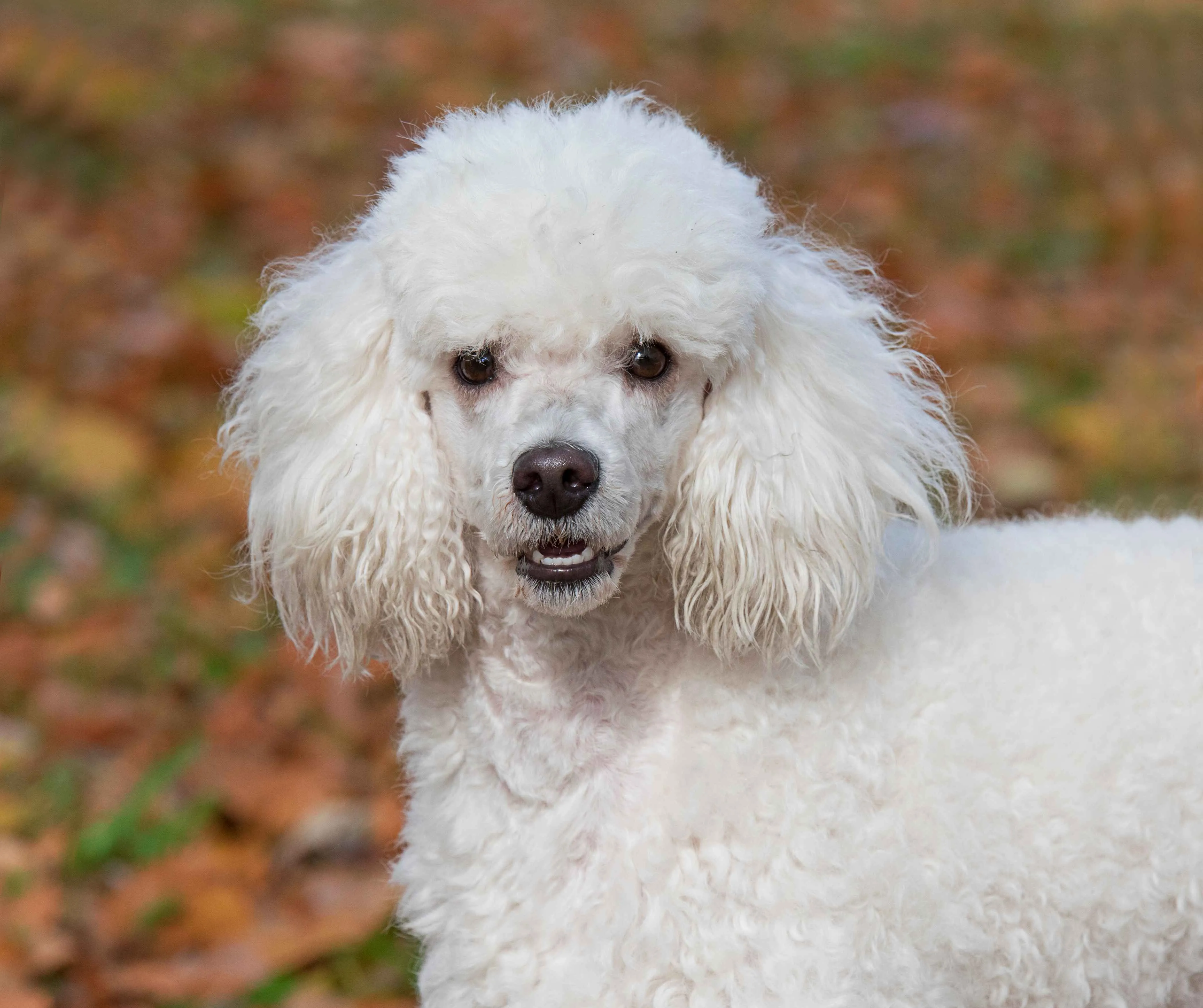
hite Poodle close up looking forward outdoors in autumn

Poodle

Compare
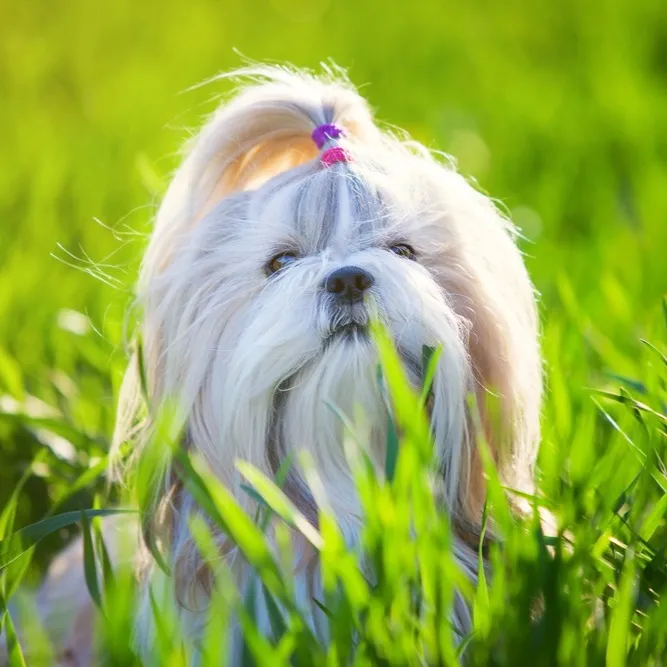
Small Shih Tzu dog with fluffy white and brown fur black eyes

Shih - Tzu

Compare

Frequently Asked Questions

Are Cockapoos hypoallergenic?

Yes, they are low-shedding and considered hypoallergenic, but some allergic individuals may still react.

Are Cockapoos good with kids?

Yes, they are great with children and very social.

Do Cockapoos need a lot of grooming?

Yes, regular grooming is necessary to maintain their coat and prevent matting.

Media & Resources about Dogs

Lorem Article

If Your Life Is on Your Phone, Why Isn’t Your Pet’s? How Tracking Gave My Dog One More Year

24 Mar 2026

dog drinking water

Summer Health Risks for Dogs Every Pet Parent Should Know

20 Mar 2026

India Map and Golden Retriever Dog

Golden Retriever Price in India 2026: City-Wise Cost Guide

23 Feb 2026

View All