Home
/
Dog Breeds
/
Bernedoodle
Bernedoodle
Origin
United States
Size
Large Breed
Ideal Space
House with backyard
Ideal Weather
10º-30ºC
Life Expectancy
12-18 years
Cost of buying
₹ 35,000 - ₹ 80,000
Top 5 Traits
Loyal
Intelligent
Playful
Energetic
Affectionate
Avg Monthly Expenses
₹ 5,402 - ₹ 8,100



by Happy Pet TeamUpdated on 22 Sept 2025
Introduction to the Bernedoodle
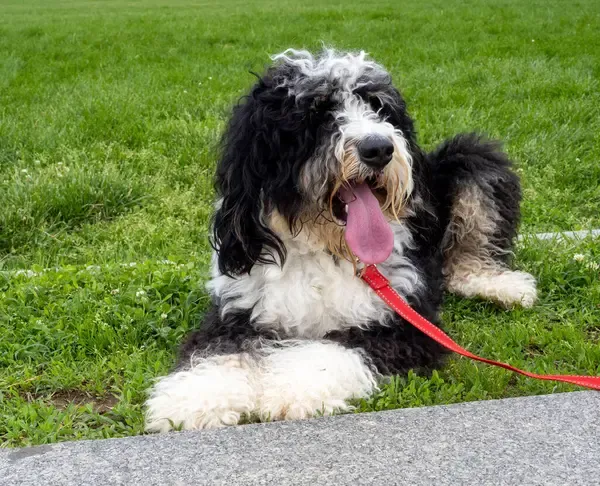
Bernedoodle is a hybrid breed of dog which is produced by a cross between the Poodle and the Bernese Mountain Dog. This breed was created by Canadian breeder Sherry Rupke in 2003 to be a cross between the attitude of Bernese dogs as easy going and non-aggressive, and the traits of the Poodle as a smart and low-shedding breed.
Characteristics
Barking
Quiet
Loud
Temperament with Kids
Aggressive
Friendly
Playfulness
Silent
Very Playful
Friendliness
Not Friendly
Super Friendly
Compatibility with other dogs
Aggressive
Friendly
Need for attention
Independent
Very Needy
Monthly Expenses


Bernedoodle Price Guide
Cost of buying
₹ 35,000 - ₹ 80,000
The price of a Bernedoodle can be anywhere from Rs. 35,000 to Rs. 80,000.
Prerequisites to pet a Bernedoodle
Access to Groomer
Access to Veterinary
Appropriate Climate
Lifestyle Compatibility
Financial Capability
Shop or Adopt a Bernedoodle: Make the Right Choice!
Bernedoodle is a charming, affectionate and devoted companion, distinguished by its unique appearance. When you adopt a Bernedoodle, you provide a loving home to a dog in need and bring a devoted friend into your life. Adoption helps support animal welfare and deters unethical breeding practices.
Nutrition Care for the Bernedoodle
Monthly Food Expenses
₹ 3,000 - ₹ 4,500
Calories per day
Puppies: 500 kcal
Adults: 1000 kcal
Essential Nutrients
Protein
Fibre
Carbohydrates
Fats
Vitamins
List of foods
Chicken
Dry Dog Food
Fresh Meat
Fresh Fish
Vegetables
Fruits
- Bernedoodles need a properly balanced diet to support their body size and coat.
- Also, add protein, healthy fats, carbs, vitamins, and minerals to their food for strength and coat health.
- Preventing low quality food to avoid deficiencies and weight gain.
- Adjust feeding based on age and activity level.
- Mix dry food with lean meats and vegetables for balanced nutrition.
Breakdown of Macro-nutrients
Best Foods for Bernedoodles
- Orijen Original – High in protein, using fresh meats and no fillers. Promotes energy, muscle tone and general health.
- Fish oil, flaxseed, coconut oil and other ingredients are vital for brain function, skin health, and a shiny coat and aid in maintaining optimal energy levels and reducing inflammation
- Offering essential fibre and nutrients, providing sustained energy and aiding digestion with brown rice, quinoa and sweet potatoes.
- Vegetables – Carrots, spinach and pumpkin are rich in vitamins, minerals and antioxidants to support immune health, digestion and overall well being
Foods to Avoid for Bernedoodles
Avoid anything with these ingredients
Garlic
Onions
Grapes
Chocolate
Alcohol
Almonds
Toxic foods:


Healthcare for the Bernedoodle
Avg Monthly Expenses
₹ 1,200 - ₹ 1,800
Common Health Issues
Hip Dysplasia
Bloat
Heartworm
Parasites
Lyme disease
Panosteitis
Canine distemper
Rabies
Well being
Exercise
Agility Training
Bonding
Games
Socialization
Energy Level
High
Exercise routine
30 - 60 minutes
Recognising Stress
Changes in appetite
Excessive Barking
Pacing
Reluctance to move
Excessive Panting
Common Health Problems in Bernedoodles
Bernedoodles are generally healthy but might face some complications. Here are few of the common health issues found in bernedoodle dogs-
Vaccination details
Growth Stage
Core Vaccines
6-8 Weeks
DHPP (Distemper, Hepatitis, Parvovirus, Parainfluenza)
12-16 Weeks
Rabies
16-18 Weeks
Leptospirosis
Annual
Annual booster shots
Senior Bernedoodle Care
- Vet visits every 6 months for early detection of issues. Allows prompt treatment of age-related conditions.
- Soft bedding for arthritic joints. Alleviates discomfort and takes pressure off the aching limbs.
- Prevention of stiffness by gentle yet frequent exercise. Aids with moving around without overworking.
- Glucosamine and omega-3 foods are specifically designed for seniors. Boosts joint health and maintains inflammation at low levels.
- Mental stimulation (puzzle toys, easy training). Keeps their mind active and avoids mental lapses.
Bernedoodle Grooming Routine
Avg Monthly Expenses
₹ 1,202 - ₹ 1,800
Shedding Level
Moderate Shedding
Hygienic Checklist
Bathing
Brushing
Ear Cleaning
Eye Care
Benefits of Grooming
Cleanliness
Low Shedding
Odourless
Prevents infections
Prevents Bad Breath
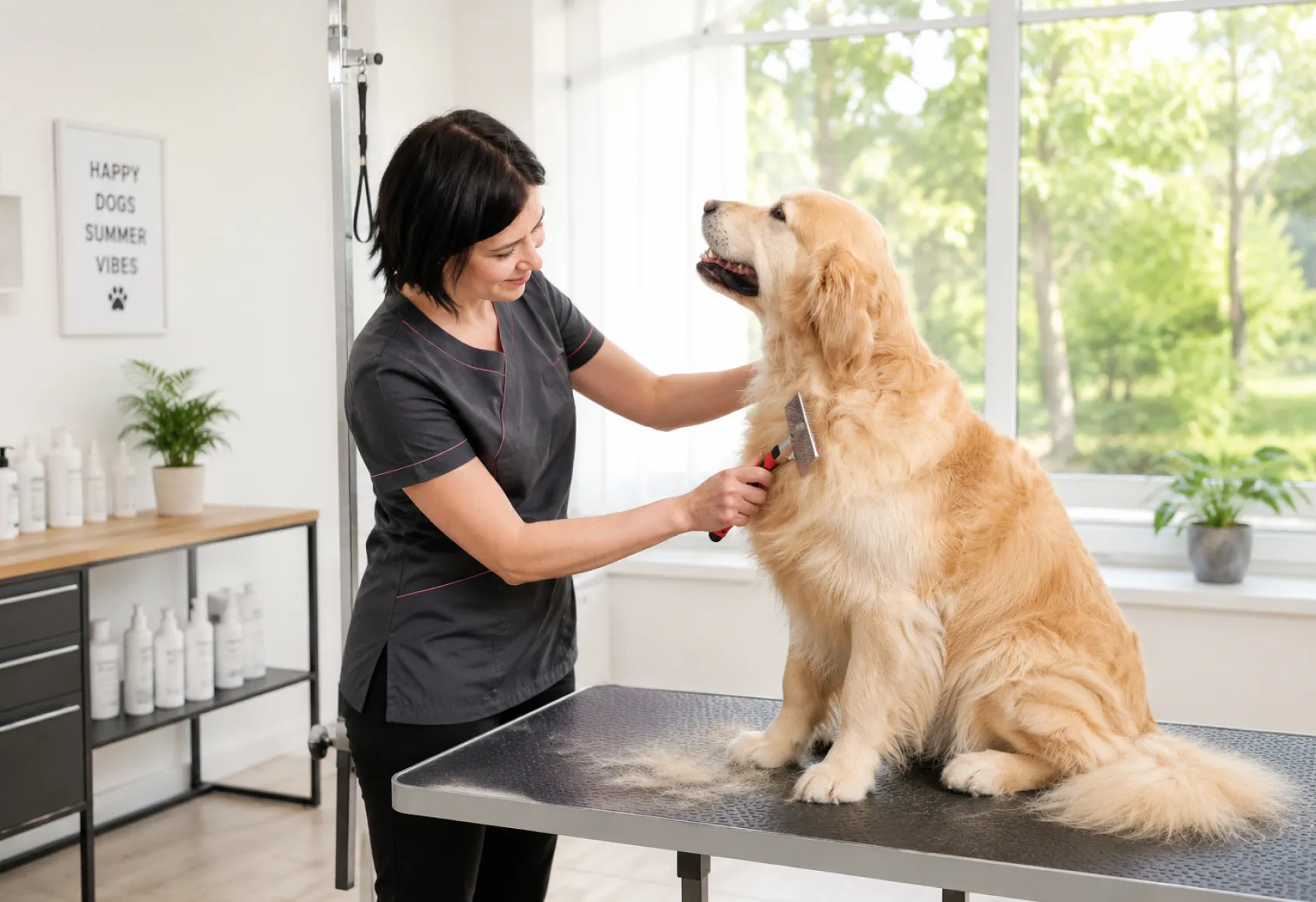
This breed needs regular grooming, especially curly-coated varieties.


Written by
Happy Pet TeamAuthor
Team Happy Pet is a passionate collective of pet experts, enthusiasts, and advocates dedicated to sharing trusted and insightful content.
Our cont
Compare with similar breeds


Frequently Asked Questions
Are Bernedoodles hypoallergenic?
No, but they are low-shedding-particularly curly-coated. Allergy-sensitive owners will love it.
How big do Bernedoodles get?
A Toy-sized dog typically weighs between 10 and 24 pounds, a Mini-sized dog weighs between 25 and 49 pounds, and a Standard-sized dog weighs between 50 and 90 pounds.
Are Bernedoodles good for families?
Yes! They are loving, true and kind. They get along with children and other pets.
Do Bernedoodles bark a lot?
They do not bark a lot but might bark to warn. Training and socialisation help to decrease barking.