Home
/
Dog Breeds
/
Goldendoodle
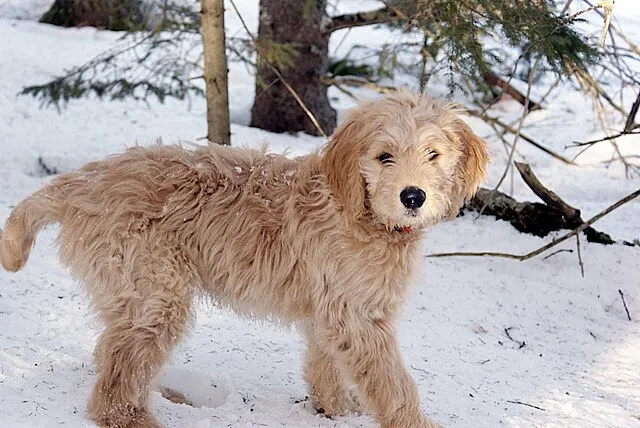
Goldendoodle
Origin
Canada
United States
Size
Large Breed
Ideal Space
House with backyard
Ideal Weather
7º-30ºC
Life Expectancy
12-14 years
Cost of buying
₹ 30,000 - ₹ 90,000
Top 5 Traits
Intelligent
Playful
Loyal
Energetic
Friendly
Avg Monthly Expenses
₹ 7,500 - ₹ 11,250


by Happy Pet Team.Reviewed by Happy Pet Team.Updated on 5 Aug 2025
Introduction to the Goldendoodle
Goldendoodles were first intentionally bred in the 1960s by Monica Dickens, the great-granddaughter of Charles Dickens.
Characteristics
Barking
Quiet
Loud
Temperament with Kids
Aggressive
Friendly
Playfulness
Silent
Very Playful
Friendliness
Not Friendly
Super Friendly
Compatibility with other dogs
Aggressive
Friendly
Need for attention
Independent
Very Needy
Monthly Expenses


Goldendoodle’s Lifespan and Price
Cost of buying
₹ 30,000 - ₹ 90,000
How Much Do Goldendoodles Cost?
Prerequisites to pet a Goldendoodle
Access to Groomer
Access to Veterinary
Appropriate Climate
Lifestyle Compatibility
Financial Capability
Shop or Adopt a Goldendoodle: Making the Right Choice
Goldendoodles are independent, loyal and protective guardians. By adopting one, you're giving a deserving dog a second chance and are discouraging unethical breeding. No matter whether you adopt or shop, you should be ready for their needs.
Nutrition Care for the Goldendoodle
Monthly Food Expenses
₹ 3,000 - ₹ 4,500
Calories per day
Puppies: 500 kcal
Adults: 1000 kcal
Essential Nutrients
Protein
Carbohydrates
Fats
Vitamins
Fibre
List of foods
Chicken
Dry Dog Food
Fresh Meat
Fresh Fish
Fruits
Vegetables
- Goldendoodles need to consume a high quality protein to stimulate strong muscles and stamina.
- Healthy fats provide steady energy and help keep their coat shiny.
- Brown rice and oats are a good source of necessary carbohydrates to support their active life style.
- The vitamins and minerals strengthen their immune system and joint health.
- Different nutrition is required for puppies, adults, and seniors to grow and stay healthy.
- To prevent deficiencies and digestive problems, you should also avoid low quality food.
- Overall health is maintained by eating a balance of dry food, lean meat, and vegetables.
Breakdown of Macro-nutrients
Best Foods for Goldendoodles
- High-quality proteins – Chicken, turkey, lamb, and fish are all sources of protein essential for the development of muscle and overall health for your Goldendoodle.
- Healthy fats – Fish oil, flaxseed, and coconut oil and other ingredients are vital for brain function, skin health, and a shiny coat and aid in maintaining optimal energy levels and reducing inflammation.
- Complex carbs – Offering essential fiber and nutrients, providing sustained energy and aid digestion with brown rice, quinoa and sweet potatoes.
- Vegetables – Carrots, spinach and pumpkin are rich in vitamins, minerals and antioxidants to support immune health, digestion and overall well being.
Foods to Avoid for Goldendoodles
Avoid anything with these ingredients
Alcohol
Chocolate
Grapes
Garlic
Onions
Almonds
- Chicken (if allergic) – Some Goldendoodles may have sensitivities to chicken, causing skin irritation, digestive issues, or ear infections. Switch to an alternative protein source in case symptoms occur.
- Beef (common allergen) – Beef is a common food allergen in dogs and can lead to itching, redness, or stomach problems, depending on your dog’s reaction.
- Dairy products – A lot of dogs are lactose intolerant, and consuming milk, cheese, or yogurt can cause the dog to bloat, have diarrhea, and produce excessive gas.
- Wheat and soy – All these ingredients specifically cause an allergic reaction or cause digestive discomfort when sensitive dogs are exposed to them, as in cases of itchy skin, ear infection and upset stomach.


Health
Avg Monthly Expenses
₹ 3,000 - ₹ 4,500
Common Health Issues
Hip Dysplasia
Heartworm
Bloat
Canine distemper
Parvovirus
Leptospirosis
Kennel Cough
Lyme disease
Well being
Bonding
Games
Socialization
Agility Training
Exercise
Energy Level
High
Exercise routine
30 - 90 minutes
Recognising Stress
Changes in appetite
Excessive Barking
Pacing
Excessive Panting
Reluctance to move
Healthcare for Goldendoodles
Common Health Problems of Goldendoodles
Vaccination details
Growth Stage
Core Vaccines
6-8 Weeks
DHPP (Distemper, Hepatitis, Parvovirus, Parainfluenza)
10-12 Weeks
DHPP (2nd dose), Leptospirosis
12-16 Weeks
Rabies (Core vaccination)
16 Week & Older
Bordetella (Kennel Cough)
Annualy
DHPP (Booster), Rabies, Leptospirosis, Lyme Disease (if applicable)
Senior Goldendoodle Dog Care
As Goldendoodles age, they may require:
Grooming Tips for Goldendoodle
Avg Monthly Expenses
₹ 1,500 - ₹ 2,250
Shedding Level
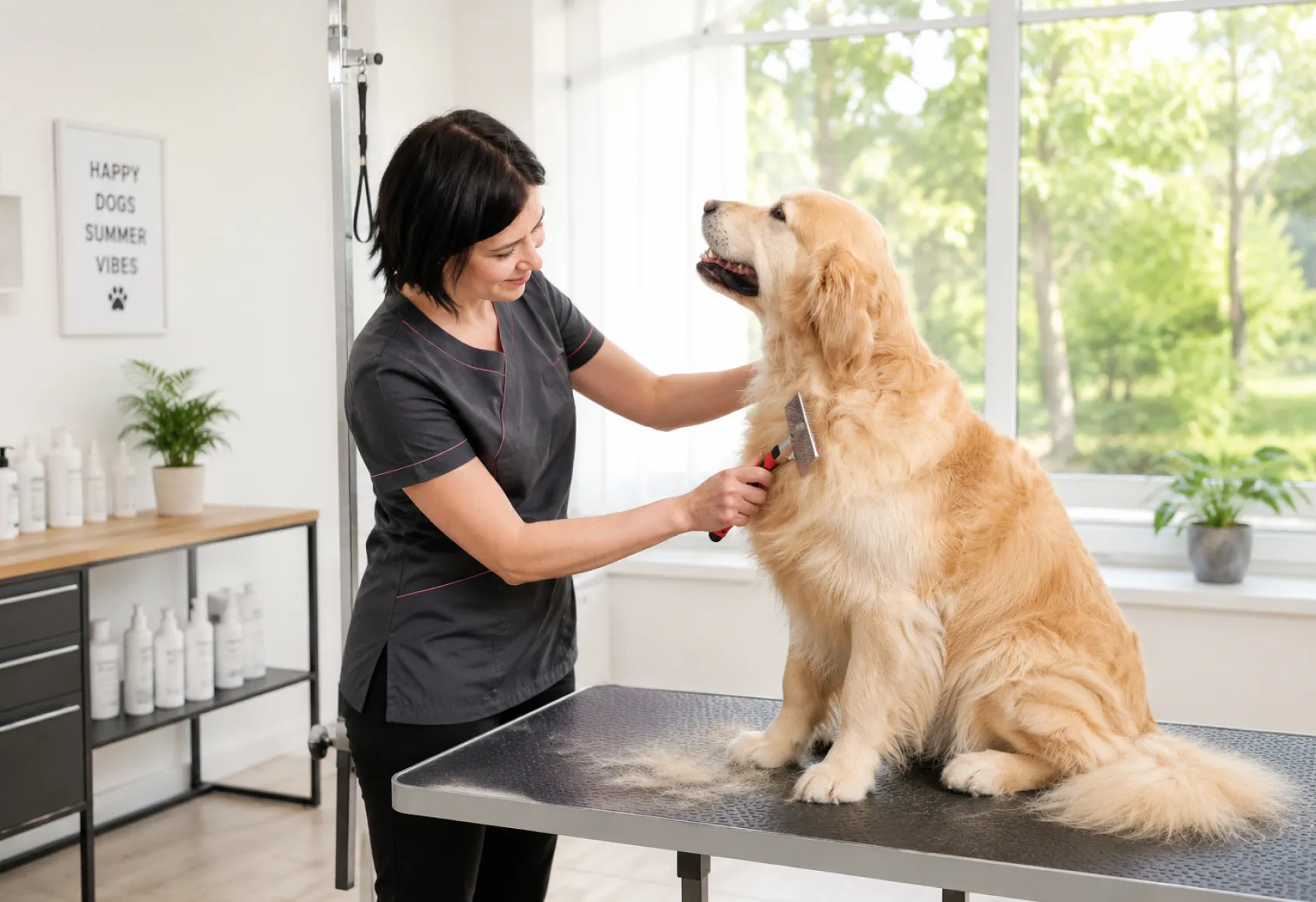
Low Shedding
Hygienic Checklist
Bathing
Brushing
Ear Cleaning
Eye Care
Nail Trimming
Benefits of Grooming
Prevents Bad Breath
Odourless
Low Shedding
Cleanliness
Prevents infections
Goldendoodles do need regular grooming to maintain a healthy coat.


Written by
Happy Pet TeamAuthor
Team Happy Pet is a passionate collective of pet experts, enthusiasts, and advocates dedicated to sharing trusted and insightful content.
Our cont
Compare with similar breeds

Frequently Asked Questions
Are Goldendoodles hypoallergenic?
No dog is 100% hypoallergenic, but Goldendoodles shed less than most breeds, so they’re a good choice if you have allergies.
How often should Goldendoodles be groomed
Every 6 to 8 weeks, professional grooming is recommended, and at home, stray brushings are suggested in between.
Which Goldendoodle generation sheds the least?
F1B Goldendoodles (75% Poodle & 25% Golden Retriever) are the lowest shedders with the least amount of allergies for allergy sensitive owners.
Are Goldendoodles good family pets?
Yes! Goldendoodles are a friendly, social, and kid and pet-friendly breed, making them great family dogs.