Home
/
Dog Breeds
/
Aussiedoodle
Aussiedoodle
Origin
United States
Size
Medium Breed
Ideal Space
House with backyard
Ideal Weather
10º-30ºC
Life Expectancy
12-14Â years
Cost of buying
₹ 25,000 - ₹ 60,000
Top 5 Traits
Intelligent
Loyal
Energetic
Playful
Athletic
Avg Monthly Expenses
₹ 4,650 - ₹ 6,600

by Happy Pet TeamUpdated on 5 Aug 2025
Introduction to the Aussiedoodle
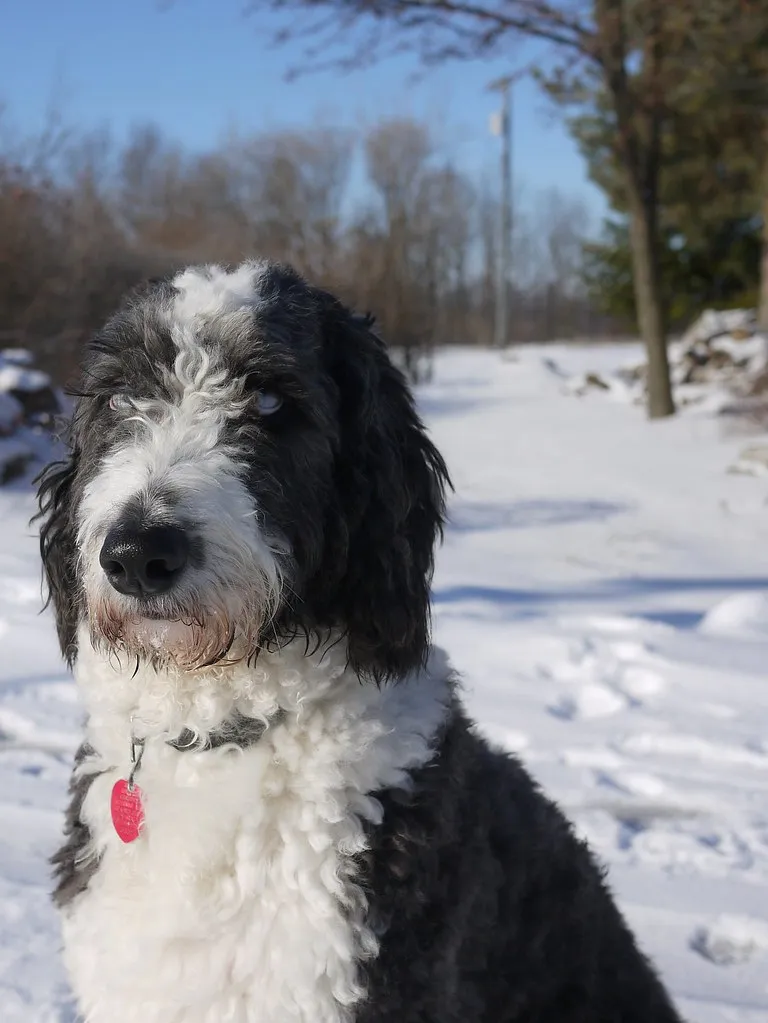
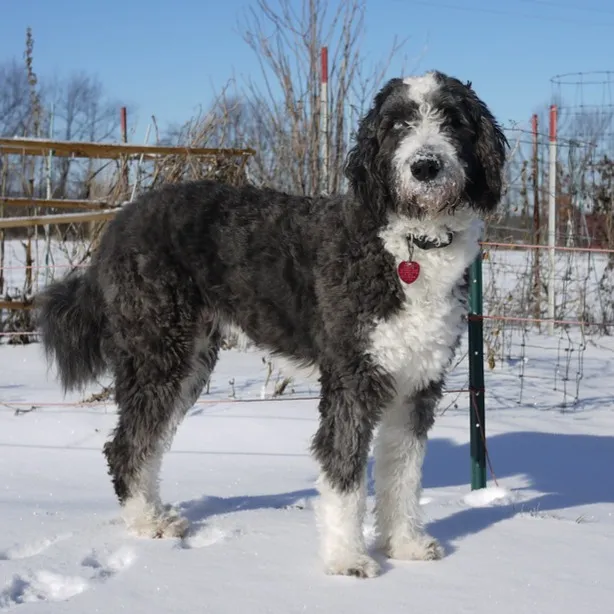
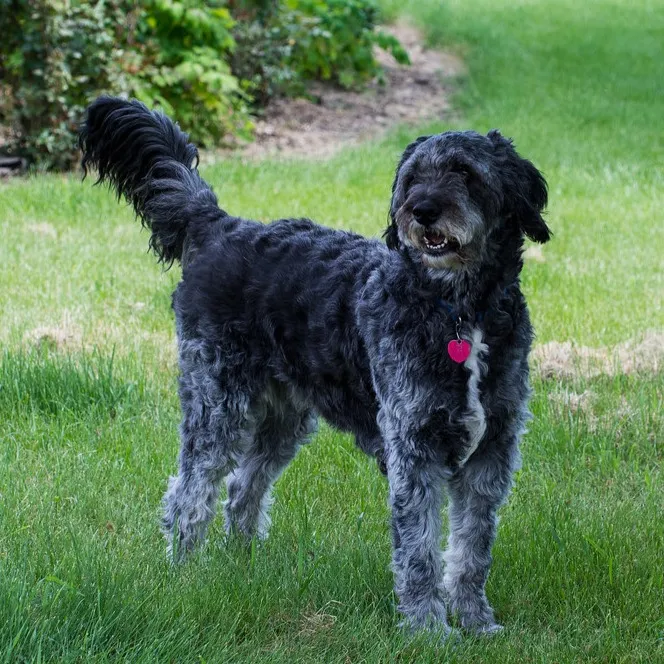
Aussiedoodle refers to a dog breed formed through the crossing of an Australian Shepherd and a Poodle (Toy, Miniature, or Standard). It was introduced during the 1990s U.S. "doodle boom," with this new breed rapidly becoming a hit because of its smart, family-friendly, non-shedding coat.
The Aussiedoodle possesses an affectionate nature, plenty of agility, and a breathtaking range of coat colours and patterns.
How Long Do Aussiedoodles Live?
Aussiedoodles have a life span of 12-14 years with proper care.
Aussiedoodle Temperament and Personality
The Aussiedoodle is very intelligent and easy to train.
- Velcro-like loyalty to owners
- Playful with children and other animals
- Requires some mental stimulation to prevent restlessness and self-destruction
Aussiedoodle Exercise Needs
Aussiedoodles are energetic and need 60–90 minutes of physical and mental stimulation daily.
- Fetch and jogging for physical release
- Puzzle toys and trick training for brain work
- Agility or scent games for advanced exercise
Without exercise, they may bark, dig, or become destructive.
Characteristics
Barking
Quiet
Loud
Temperament with Kids
Aggressive
Friendly
Playfulness
Silent
Very Playful
Friendliness
Not Friendly
Super Friendly
Compatibility with other dogs
Aggressive
Friendly
Need for attention
Independent
Very Needy
Monthly Expenses


Aussiedoodle’s Price Guide
Cost of buying
₹ 25,000 - ₹ 60,000
The price of an Aussiedoodle can be anywhere from Rs. 25,000 to Rs. 60,000.
Similar Breeds to the Aussiedoodle
Prerequisites to pet a Aussiedoodle
Access to Groomer
Access to Veterinary
Appropriate Climate
Lifestyle Compatibility
Financial Capability
Shop or Adopt an Aussiedoodle: Make the Right Choice!
Aussiedoodles are charming, affectionate and devoted companions, distinguished by their unique appearance. When you adopt an Aussiedoodle, you provide a loving home to a dog in need and bring a devoted friend into your life. Adoption helps support animal welfare and deters unethical breeding practices.
Best Practices to Follow While Shopping or Adopting an Aussiedoodle
- Try shelters or breed-specific rescues like the Aussiedoodle Rescue Network.
- Select breeders that provide health clearances and proper care.
- Their breathing issues make regular vet visits important.
- Their thick coat requires constant brushing and care.
- Moderate activity helps prevent obesity.
- Stubbornness is curbed by early training and builds confidence.
- Ideal for apartments but sensitive to extreme temperatures.
- Handle with care, best for families with older children.
Nutrition Care for the Aussiedoodle
Monthly Food Expenses
₹ 2,250 - ₹ 3,000
Calories per day
Puppies:Â 500 kcal
Adults:Â 1200 kcal
Essential Nutrients
Protein
Fats
Carbohydrates
Fibre
Vitamins
List of foods
Chicken
Dry Dog Food
Fresh Fish
Vegetables
Fresh Meat
Fruits
- Aussiedoodles need a balanced diet to support their size and coat.
- Include protein, healthy fats, carbs, vitamins, and minerals for strength and coat health.
- Avoid low-quality food to prevent deficiencies and weight gain.
- Adjust feeding based on age and activity level.
- Mix dry food with lean meats and vegetables for balanced nutrition.
Feeding Guidelines for Aussiedoodles
Puppies (Up to 12 Months): Feed them 3 to 4 meals a day. Provide them 5-6% of their projected adult weight. Go for large-breed puppy food if the adult size exceeds 50 lbs
Adults (1–7 Years): Feed them twice daily. Around 1,100 to 1,200 kcal/day for your dog that is around 50 lbs of adult dog.
Seniors (7+ Years): Go for senior specific food with 25 to 32% protein and reduced calories. Check if the food has joint support or not.
Breakdown of Macro-nutrients
Best Foods for Aussiedoodles
Top choices include:
- WSAVA-compliant kibbles that are developed by vet nutritionists. Provides healthy, science based nutrition.
- Joint-care diets containing about ≥1,000 mg/kg of glucosamine. Support mobility and decrease joint stiffness.
- Allergy-sensitive formulas that care for the skin (salmon, duck or hydrolysed proteins). Relieves itchiness and aids a healthy coat.
- Hill’s Science Diet Sensitive Skin. Safe alternative to dogs with skin and digestive allergies.
Foods to Avoid for Aussiedoodles
Avoid anything with these ingredients
Alcohol
Onions
Garlic
Grapes
Chocolate
Almonds
Avoid these harmful foods:

- Chocolate, grapes, raisins – poisonous to dogs. It only takes minor doses to result in kidney failure or seizures.
- Xylitol – lethal even in minute quantities. It is present in sugar-free gum and candy and may lead to liver failure.
- Onions and garlic – may lead to anaemia. They are destructive to red blood cells and toxic in the long run.
- Cooked bones and rawhide – Can splinter internals and even block digestion. May result in choking, internal injuries or blockages.

Healthcare for the Aussiedoodle
Avg Monthly Expenses
₹ 1,200 - ₹ 1,800
Common Health Issues
Hip Dysplasia
Heartworm
Leptospirosis
Canine Influenza
Bloat
Parvovirus
Lyme disease
Kennel Cough
Well being
Exercise
Agility Training
Bonding
Socialization
Games
Energy Level
High
Exercise routine
60 - 90 minutes
Recognising Stress
Changes in appetite
Excessive Barking
Pacing
Excessive Panting
Decreased play
Common Health Problems of Aussiedoodles
Some inherited conditions include:
- Hip/elbow dysplasia – Is common in both parent breeds. Causes joint pain and walking problems in the long-run.
- Progressive retinal atrophy (PRA) – inherited eye disease. Slow loss of sight, which may cause blindness.
- Cataracts – This causes vision loss in older dogs. It might also require surgery in case it becomes serious.
- Bloat (GDV) – The issue is mostly seen in deep-chested dogs. This is a deadly disease that needs emergency care.
- Skin allergies – Allergies are seasonal or food-related. Look out for itching, redness, and frequent ear infections.
General Healthcare Tips for Aussiedoodles
- Obtain hip/ elbow clearances from breeders. This diminishes the chances of genetic joint issues.
- Annual eye examination is also recommended to determine early signs of PRA and cataracts. Early care helps vision last longer.
- Bloat prevention can be done by giving smaller meals and slow feeders. Assists in alleviating the chances of life-threatening gastric torsion.
- Clean ears weekly to prevent infections in hair-filled canals. Keeps moisture and debris from causing irritation.
Vaccination details
Growth Stage
Core Vaccines
6-8 Weeks
DHPP (Distemper, Hepatitis, Parvovirus, Parainfluenza)
10-12 Weeks
Leptospirosis, Bordetella (Kennel Cough)
12-16 Weeks
Rabies
Yearly
Booster shots for DHPP and Rabies
Senior Aussiedoodle Care
Older Aussiedoodles need:
- Calorie-controlled and high-protein diet. Support muscle mass, avoiding weight gain.
- Low impact exercise, such as swimming. Trains dogs without burdening their joints.
- Orthopaedic mattresses and anti-slippery floors. Helps relieve pain and avoids any accidental hurt.
- Regular check-up with bloodwork every 6 months. Assists in the early detection of age related or breed-specific problems.
Aussiedoodle Grooming Routine
Avg Monthly Expenses
₹ 1,200 - ₹ 1,800
Shedding Level
Low Shedding
Hygienic Checklist
Bathing
Brushing
Ear Cleaning
Nail Trimming
Benefits of Grooming
Cleanliness
Low Shedding
Odourless
Prevents Bad Breath
Quality of life
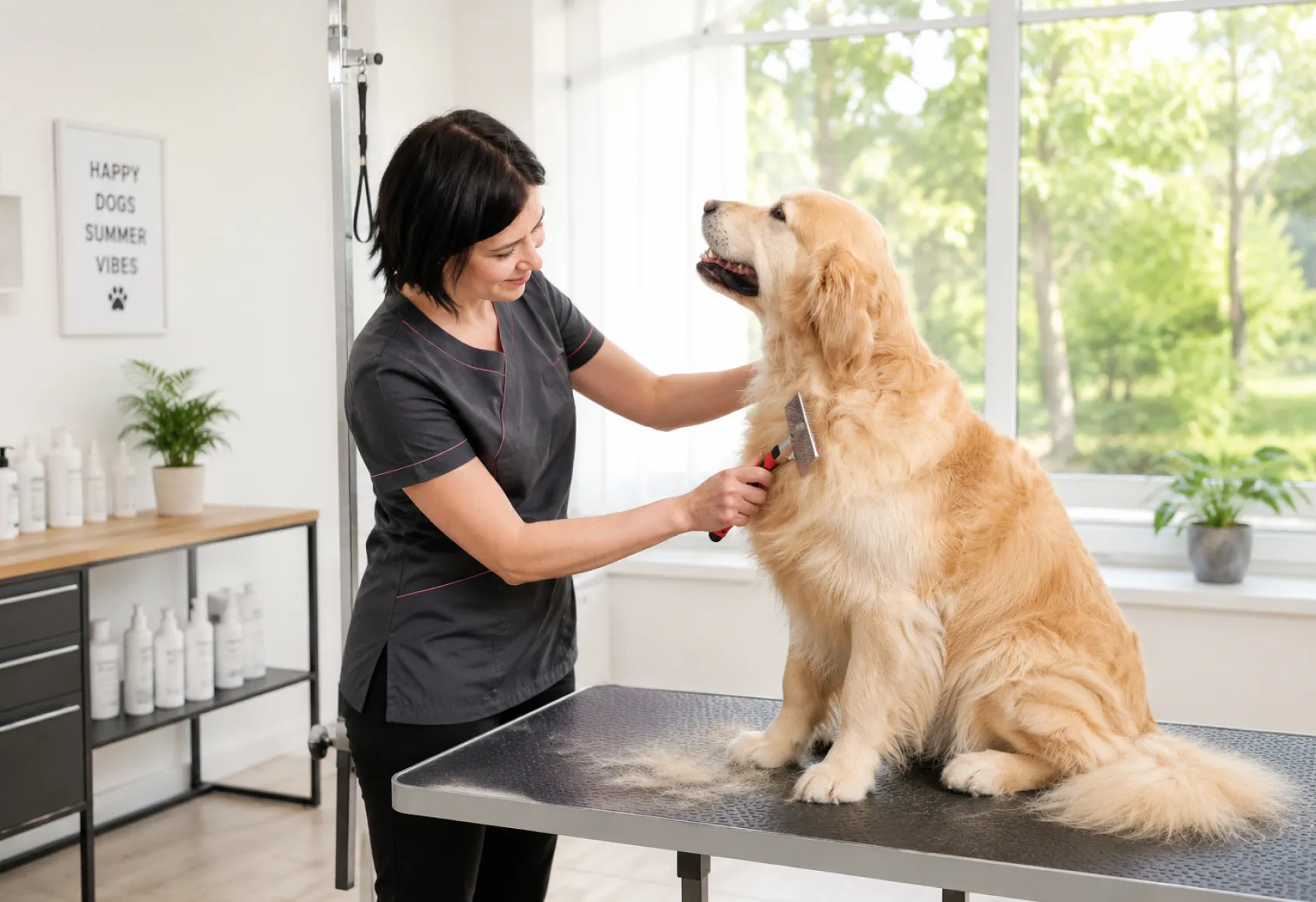
Aussiedoodles need regular grooming depending on coat type.

- Brushing: 3–4x weekly with a slicker brush + steel comb
- Bathing: Every 4–8 weeks with dog shampoo
- Haircuts: Every 6–8 weeks (puppy cut or teddy bear cut)
- Nail trimming: Every 3–4 weeks


Written by
Happy Pet TeamAuthor
Team Happy Pet is a passionate collective of pet experts, enthusiasts, and advocates dedicated to sharing trusted and insightful content.
Our contÂ
Compare with similar breeds
Frequently Asked Questions
Are Aussiedoodles hypoallergenic?
They are low-shedding and are allergy-friendly, although no dog is entirely hypoallergenic.
How big do Aussiedoodles get?
The size varies according to the Poodle parent, Mini: 15-35 lbs and Standard: 40-75 lbs.
Do Aussiedoodles need a lot of exercises?
Yes, they require 60-90 minutes of physical and mental exercise every day.
Can Aussiedoodles be left alone?
They fail to perform well in isolation. Separation anxiety is avoided through crate training, toys, and pet sitters.