
Home
/
Dog Breeds
/
Tosa Inu
Tosa Inu
Origin
Japan
Size
Giant Breed
Ideal Space
House with backyard
Ideal Weather
15º-25ºC
Life Expectancy
10-12 years
Cost of buying
₹ 30,000 - ₹ 80,000
Top 5 Traits
Aggressive
Energetic
Loyal
Protective
Intelligent
Avg Monthly Expenses
₹ 4,900 - ₹ 7,650
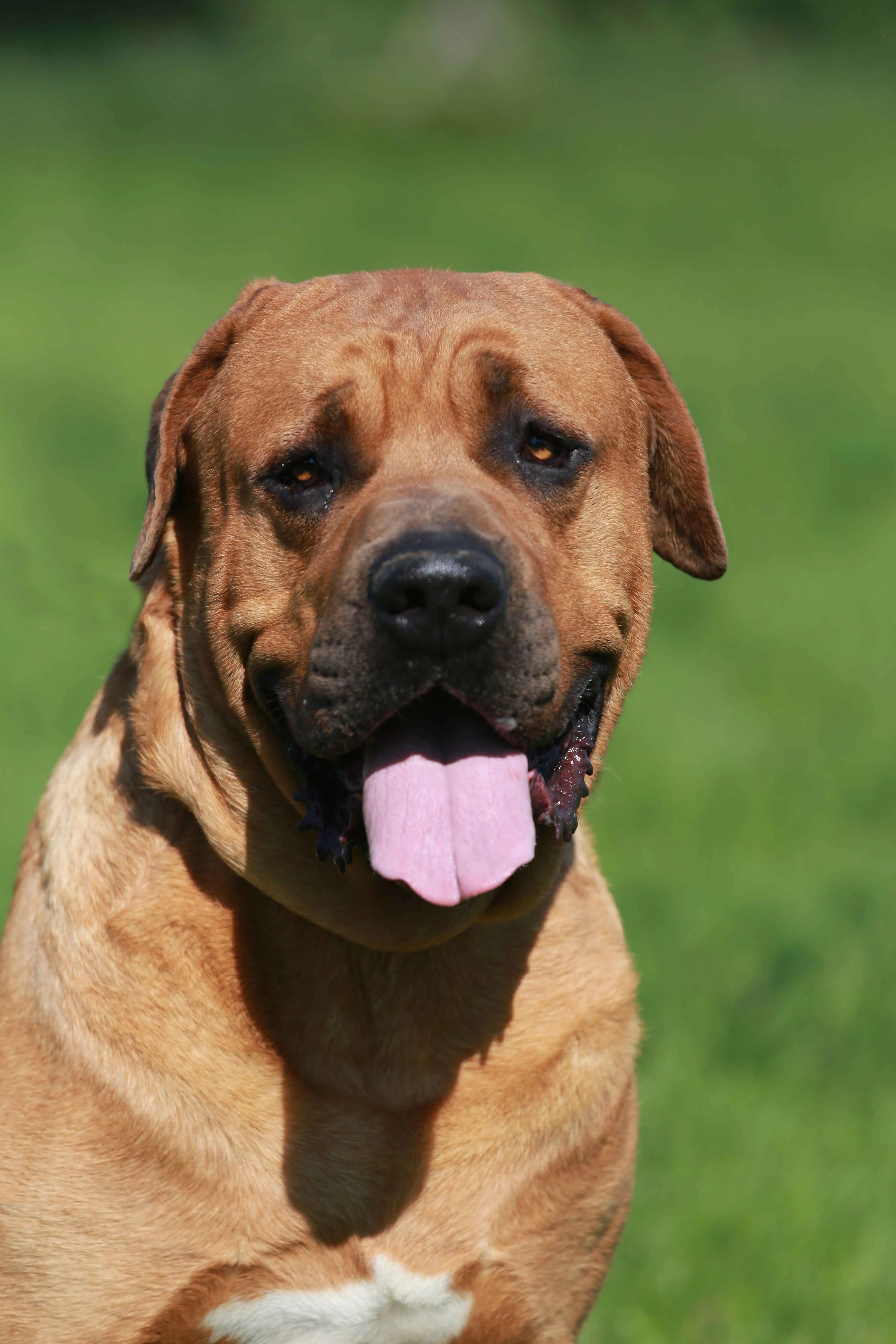
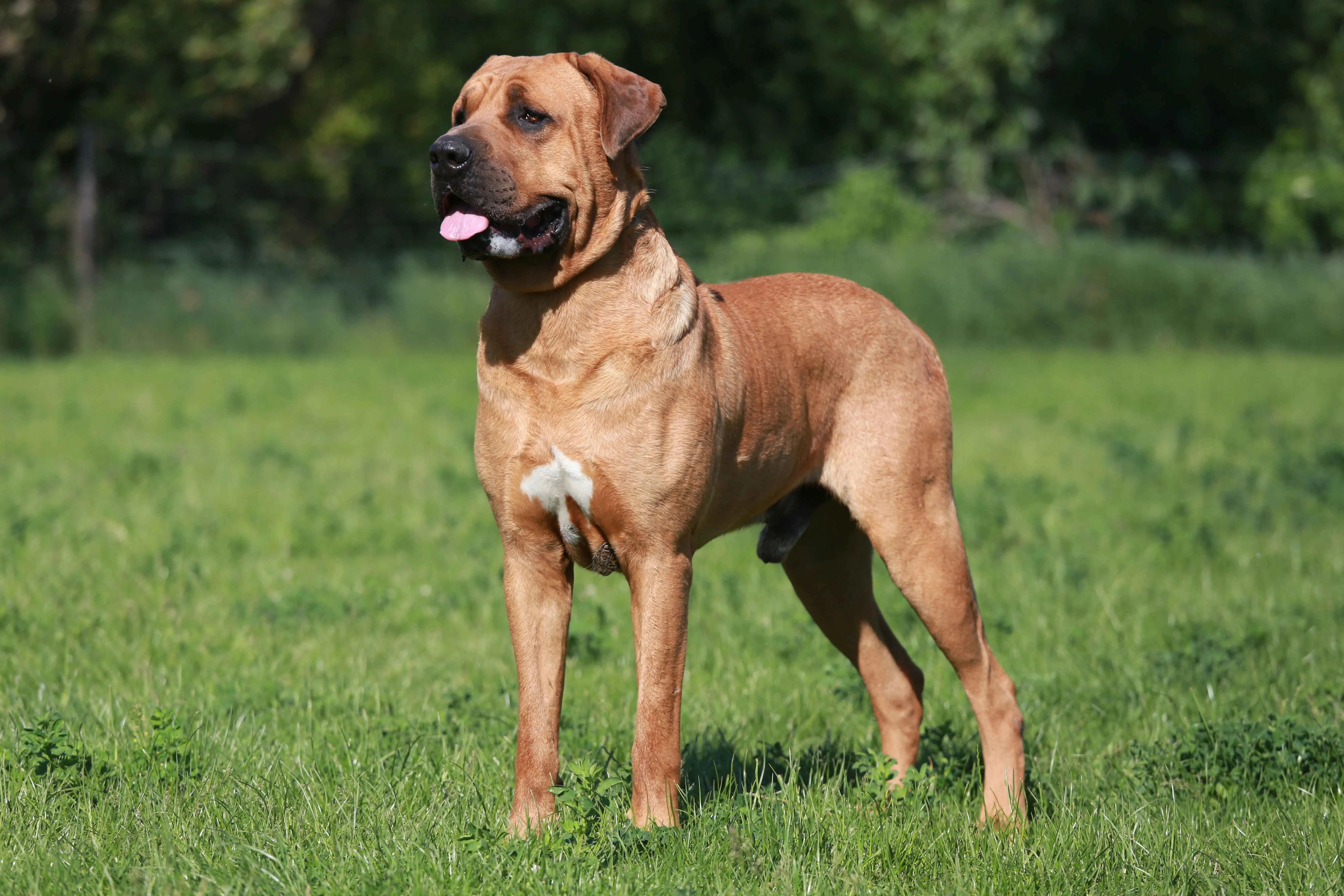
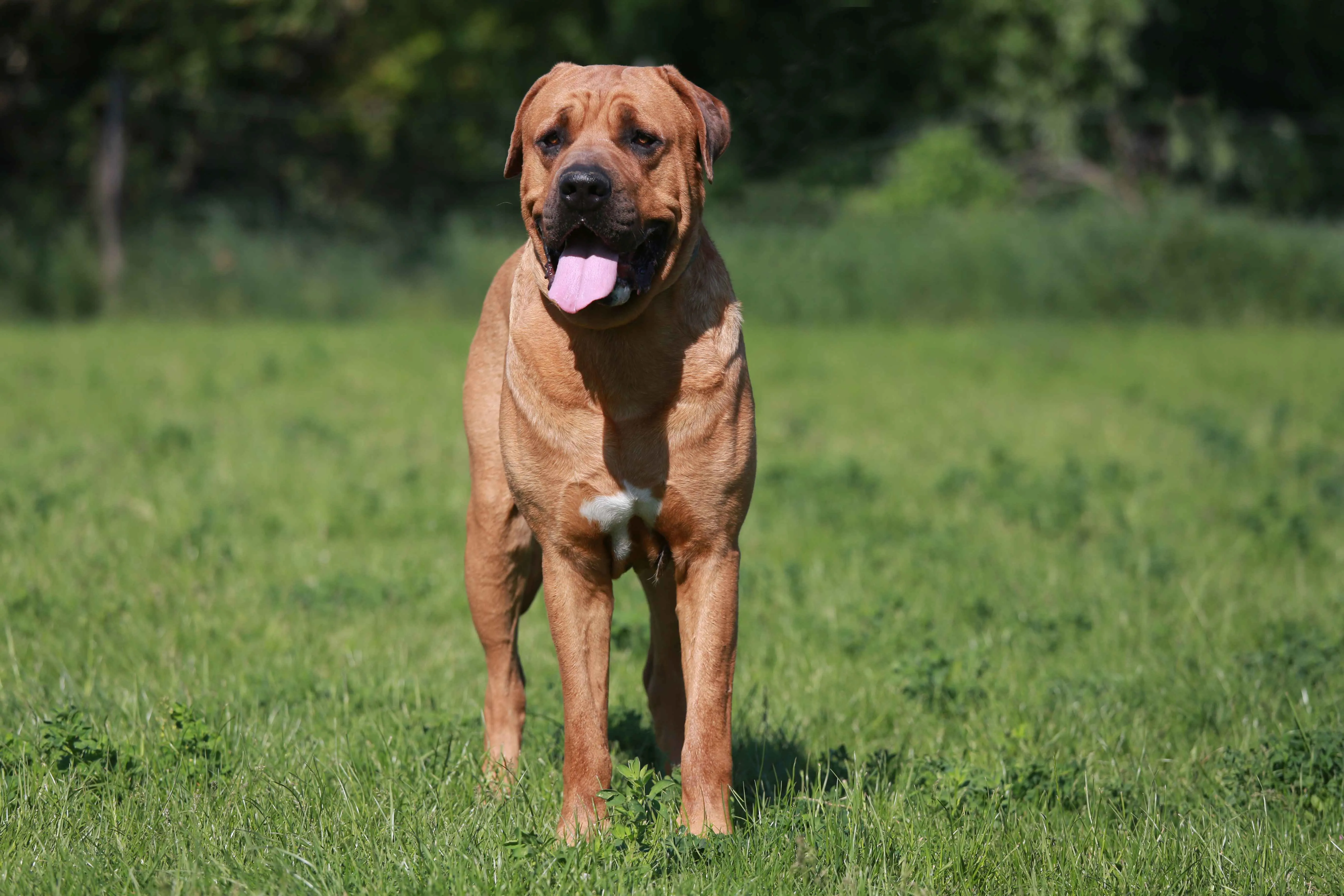
Tosa Inu Breed Overview
The Japanese mastiff, commonly known as the Tosa Ken or Tosa Inu, is a big, short-furred breed of mastiff. Despite being large, strong canines, Tosa Inus have a peaceful, obedient nature. Because they are naturally vigilant, they will warn you of anything that seems suspicious or unusual.
Characteristics
Barking
Quiet
Loud
Temperament with Kids
Aggressive
Friendly
Playfulness
Silent
Very Playful
Friendliness
Not Friendly
Super Friendly
Compatibility with other dogs
Aggressive
Friendly
Need for attention
Independent
Very Needy
Monthly Expenses


What is The Price of a Tosa Inu in India?
Cost of buying
₹ 30,000 - ₹ 80,000
The cost of buying a Tosa Inu ranges between ₹ 30,000 and ₹ 80,000.
Prerequisites to pet a Tosa Inu
Access to Veterinary
Appropriate Climate
Financial Capability
Space and Environment
Lifestyle Compatibility
Time and Effort
Things to Know Before Buying or Adopting a Tosa Inu
- Research: Take time to understand the breed thoroughly. Make sure you know their specific grooming, medical, dietary, and exercise needs. This will help you decide if the Tosa Inu is the right match for you.
- Adopt, Don’t Shop: Adoption is a wonderful way to give a loving home to a dog in need. It also frees up space in shelters for other animals that need care and attention.
- Medical Tests: Once you choose the pup you’d like to bring home, check that its medical history, including vaccinations, is current and complete.
- Doggy Supplies: A key step in bringing home a new dog is to prepare your house in advance. Get all the basics ready. This will make your new pup feel welcome and comfortable.
Tosa Inu Nutritional Guide
Monthly Food Expenses
₹ 3,000 - ₹ 4,500
Calories per day
Puppies: 2250 kcal
Adults: 2750 kcal
Essential Nutrients
Carbohydrates
Fats
Minerals
Vitamins
Protein
Fibre
List of foods
Dry Dog Food
Fresh Meat
Fresh Fish
Fruits
Vegetables
Home made meals
Chicken
- Protein is necessary for the development and maintenance of lean muscle mass, as well as for tissue repair and immunity enhancement.
- Fats support the health of the skin and coat and are an excellent source of long-lasting energy. It also aids in the absorption of fat-soluble vitamins and promotes brain function.
- Carbohydrates: They aid in digestion and give energy for daily tasks.
- Fiber: Promotes gut health and aids with digestion. By promoting fullness, it also aids in weight management.
- Minerals and vitamins: Enhance general health and wellness. Make sure they are getting enough calcium, phosphorus, zinc, and vitamin E from their food.
Breakdown of Macro-nutrients
Foods That Are Recommended for a Tosa Inu
- Tosa Inus are large dogs with a healthy appetite. Therefore, Spruce Pets recommends breaking down their meal into smaller meals throughout the day. This will prevent issues like GDV and bloat.
- Avoid heavy meals right before and after an intense exercise.
- Modify the diet and portion sizes as per their age and metabolic level.
- Make sure the dog food you choose fulfills AAFCO's requirements for quality.
- High-quality protein sources, such as fish, steak, turkey, or chicken.
- Eggs, poultry, fish, and seeds (hemp, flax, and chia seeds) are good providers of essential fatty acids like Omega-3 and Omega-6.
- Carbohydrates include sweet potatoes, peas, and boiled healthy grains such as brown rice and oats.
Foods That Are Toxic to Tosa Inu
Avoid anything with these ingredients
Alcohol
Avocados
Cinnamon
Coffee / Tea
Dairy
Grapes
Onions
Salt
Sugar
- Avoid common human foods like chocolate, avocados, raisins, and grapes, as they're toxic to dogs.
- It's possible for cooked bones to get stuck in your dog's mouth or throat. Additionally, the channels of your dog's digestive tract may become blocked if these bones splinter inside the intestines.
- Sugar: Steer clear of artificial sweeteners like xylitol and excessively sweetened items. This is bad for dogs and can cause blood sugar issues.
- Avoid coffee and tea at all costs since they are toxic to pets.


Tosa Inu Medical Care Guide
Avg Monthly Expenses
₹ 1,200 - ₹ 1,950
Common Health Issues
Bloat
Hip Dysplasia
Parasites
Rabies
Leptospirosis
Heartworm
Canine distemper
Parvovirus
Well being
Exercise
Agility Training
Bonding
Games
Socialization
Energy Level
Medium
Exercise routine
60 - 90 minutes
Recognising Stress
Changes in appetite
Excessive Barking
Pacing
Excessive Panting
Reluctance to move
Common Health Issues Faced by Tosa Inu
- Hip and elbow dysplasia: They are caused due to improper alignment of the hip or elbow joints. The bones rub and grind as a result of this misalignment. This misalignment causes the bones to grind and rub. According to PetMD, this ultimately leads to arthritis and joint degradation, which causes pain and functional loss. They can be genetic in nature. However, things like food, weight, and exercise habits can also make them worse. Although there are medical options, surgery may be necessary in severe cases.
- Gastric dilatation-volvulus (GDV): It is a dangerous form of bloat in dogs that can affect the Tosa Inu and other deep-chested breeds. GDV happens when a dog's stomach swells and strains, blocking blood flow to and from the stomach and spleen. Watch out for the following symptoms: drooling, enlarged abdomen, abdominal pain, continuous panting, and retching without vomiting. According to PetMD, a dog with GDV needs to see a veterinarian right away because it's an urgent medical condition.
- Allergies - Allergies can affect the majority of dog breeds at some point in their life. Consult your veterinarian before beginning the proper treatment if your Tosa is experiencing itching, rashes, or frequent coughing and sneezing.
Vaccination details
Growth Stage
Core Vaccines
6-8 weeks
Distemper, Parvovirus, Hepatitis, Parainfluenza
10-12 weeks
DHPP Booster
14-16 weeks
DHPP Booster
Annually
Rabies
Senior Tosa Inu Care Guide
- As dogs get older, their diet should be modified to match their nutritional needs. Transition to dog food that is specifically made for senior dogs.
- Make sure to visit your vet regularly for routine checkups.
- Lower the intensity of their physical activity. Opt for shorter, more frequent walks to help protect their joints.
- Give them plenty of mental stimulation through games and puzzles. This will help keep their mind active and healthy.
Tosa Inu Grooming Guide
Avg Monthly Expenses
₹ 700 - ₹ 1,200
Shedding Level
Moderate Shedding
Hygienic Checklist
Bathing
Brushing
Ear Cleaning
Eye Care
Nail Trimming
Teeth Care
Benefits of Grooming
Low Shedding
Cleanliness
Odourless
Prevents Bad Breath
Prevents infections
Quality of life
- Coat - The coat of a Tosa Inu is short and easy to maintain. They require brushing a few times a week.
- Nails- According to the Spruce Pets, their nails should be trimmed once every two weeks.
- Ears- Check their ears regularly for wax or dirt buildup. Clean them with a vet-recommended ear cleaner.
- Teeth - It is recommended to brush their teeth every day or a minimum of three times a week. This maintains good oral hygiene by keeping plaque at bay.


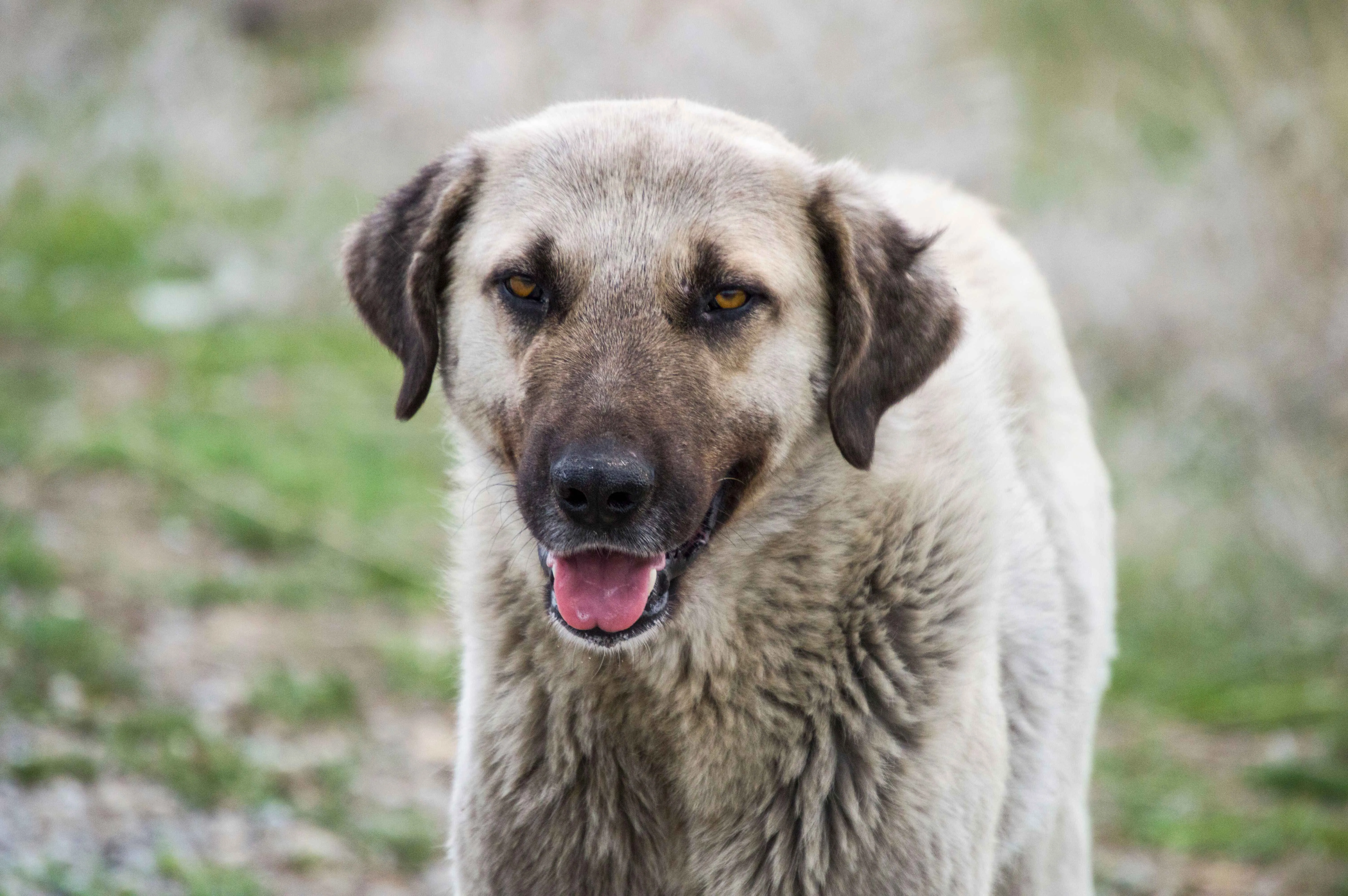
Compare with similar breeds
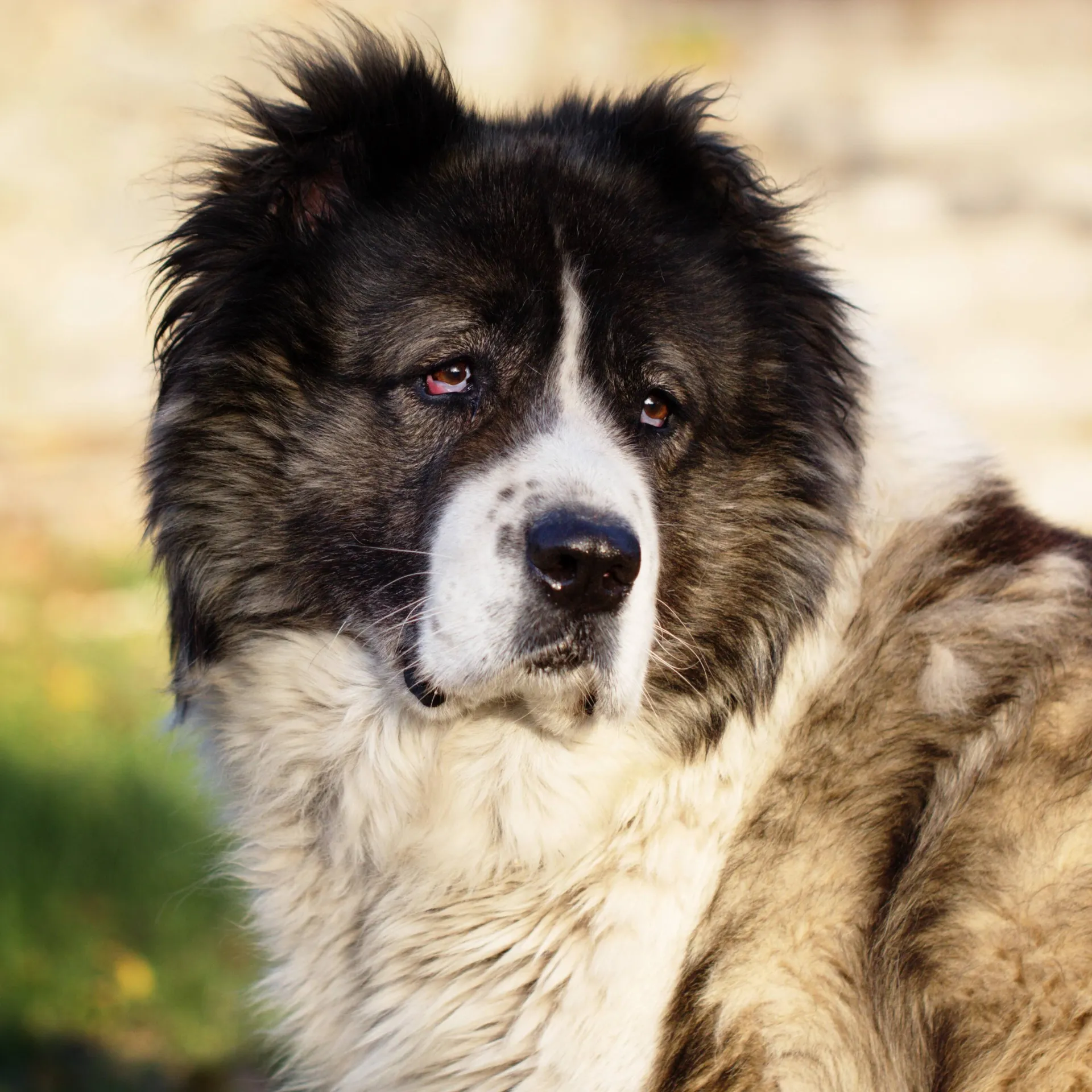
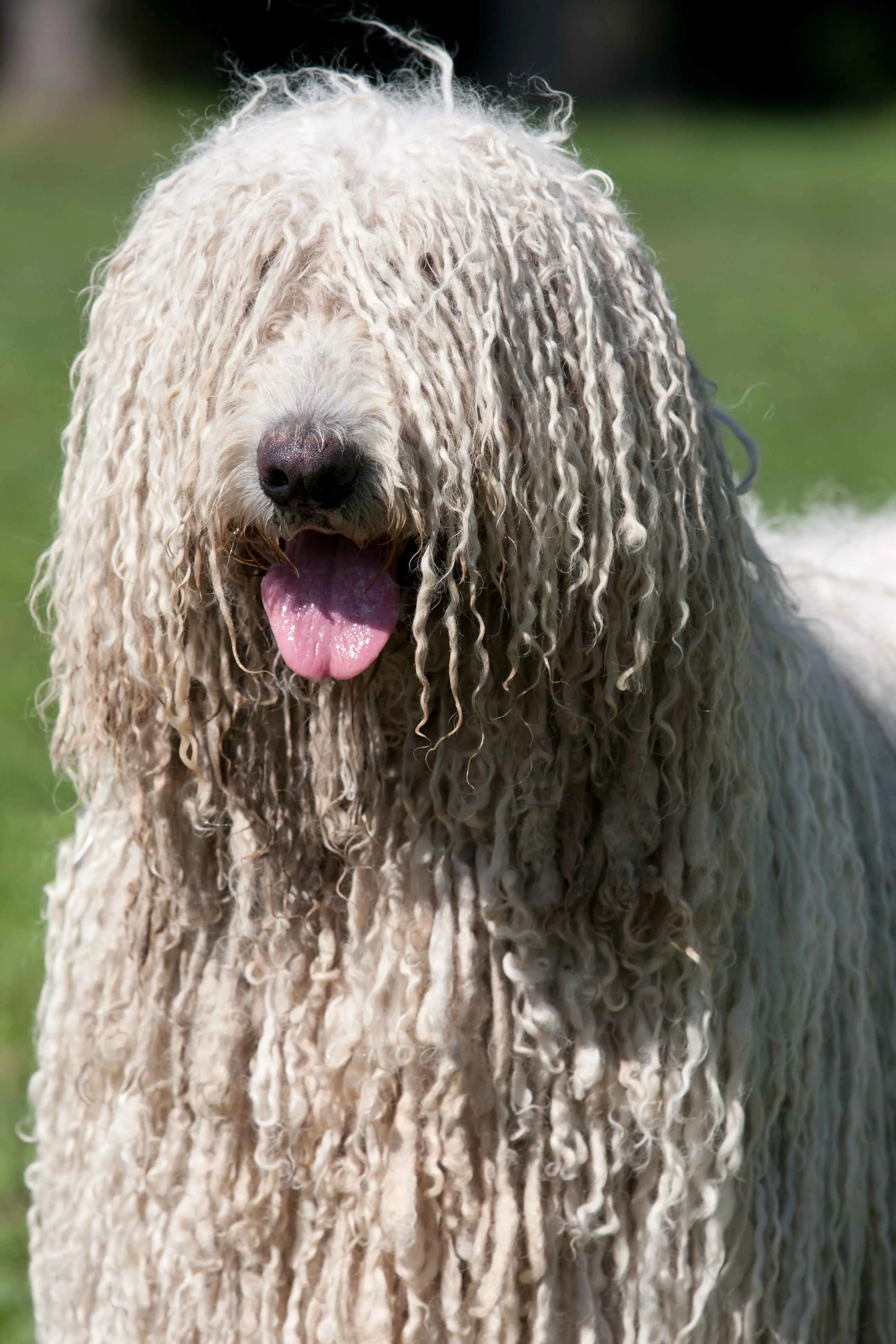
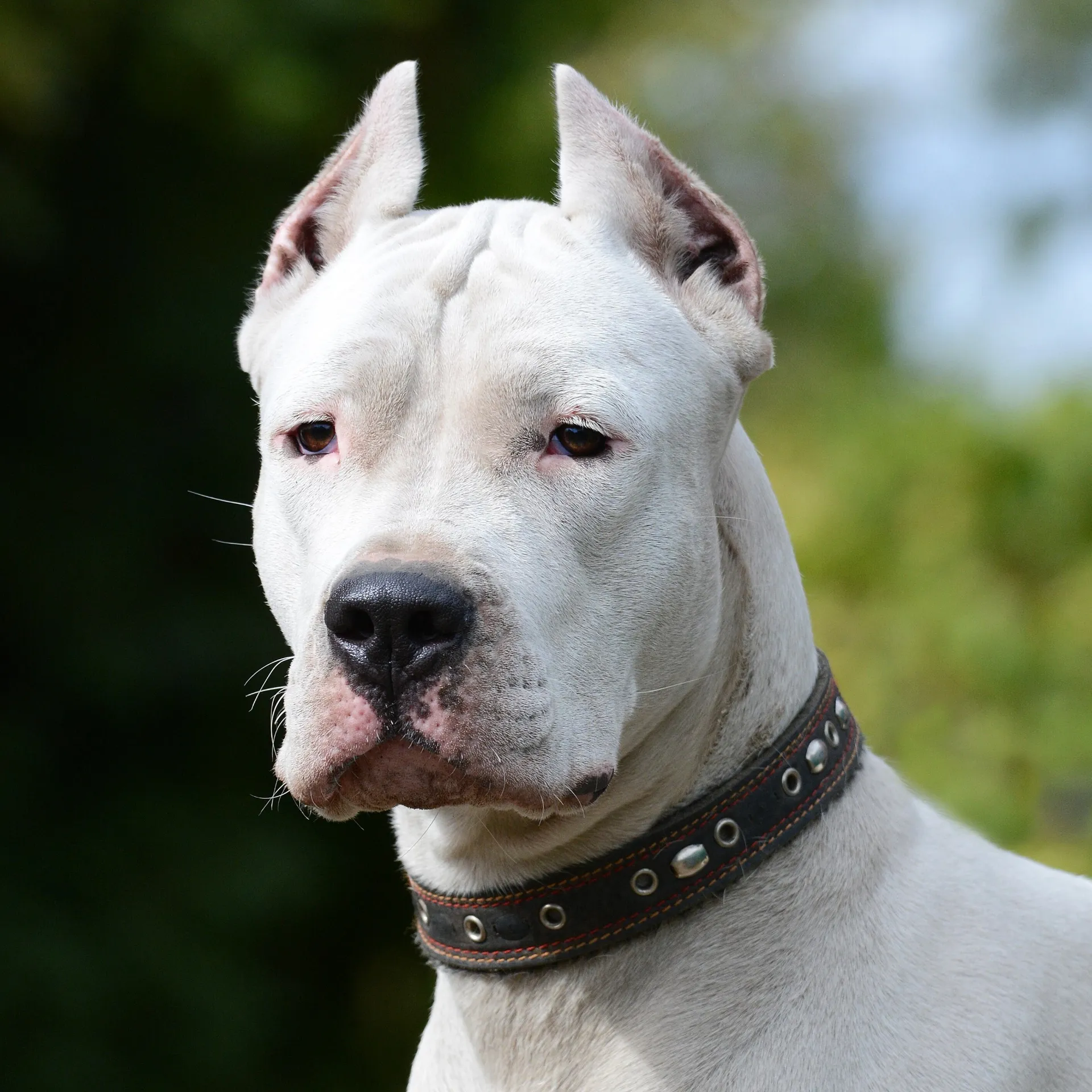
Frequently Asked Questions
Are Tosa Inu good family dogs?
Yes, they are loyal companions. However, they are not recommended for first-time dog owners and for those with small pets.
Are Tosa Inu good guard dogs?
Yes, they make good guard dogs as they are natural protectors.
Is the Tosa Inu banned in India?
Yes, the breed is one among the 23 breeds banned by the Indian Government.