Home
/
Dog Breeds
/
Akita
Akita
Origin
Japan
Size
Large Breed
Ideal Space
House with backyard
Ideal Weather
10º-25ºC
Life Expectancy
10-12 years
Cost of buying
₹ 30,000 - ₹ 1,50,000
Top 5 Traits
Intelligent
Loyal
Fearless
Protective
Disciplined
Avg Monthly Expenses
₹ 5,700 - ₹ 8,550
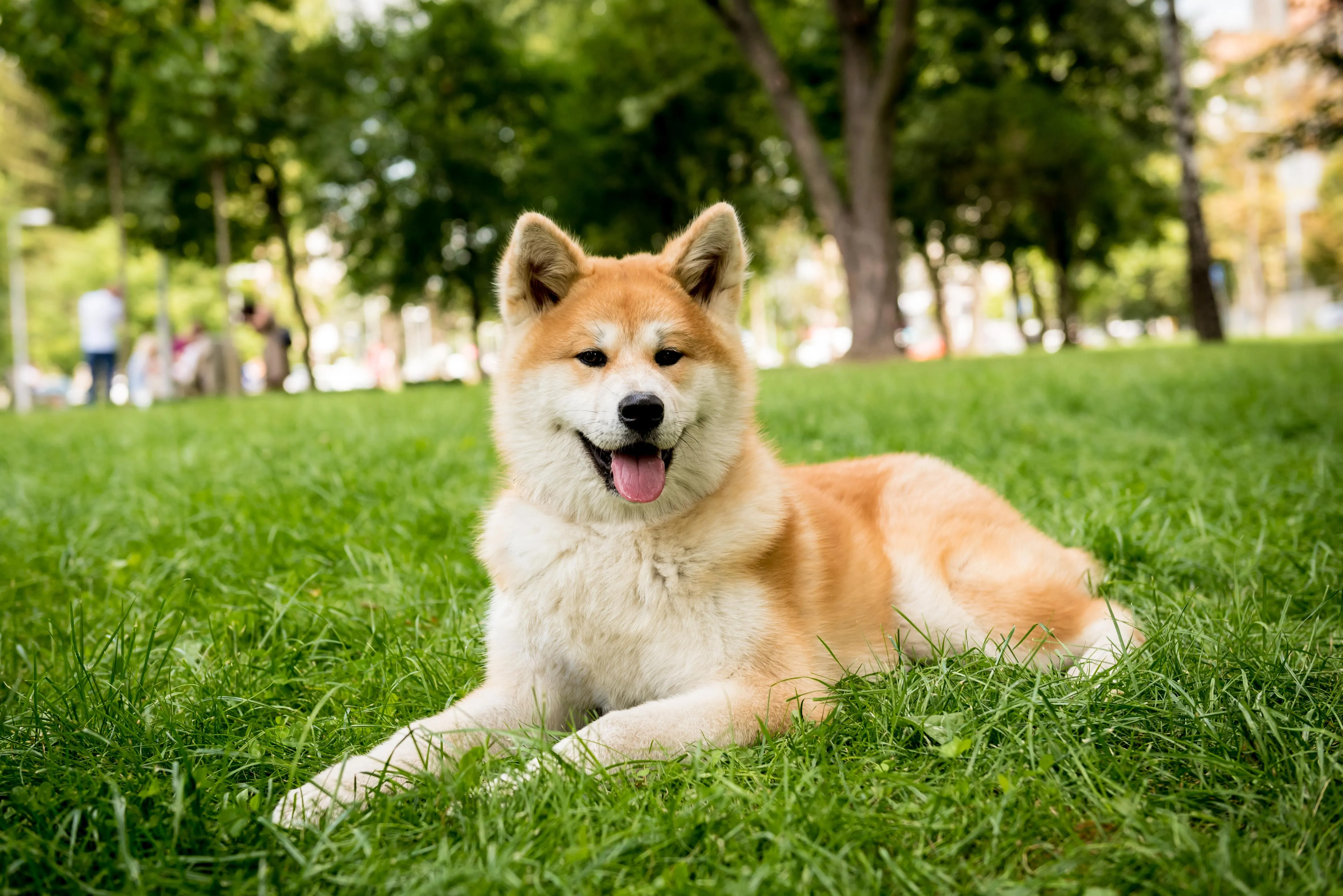

by Happy Pet TeamUpdated on 16 May 2025
Introduction to the Akita Breed
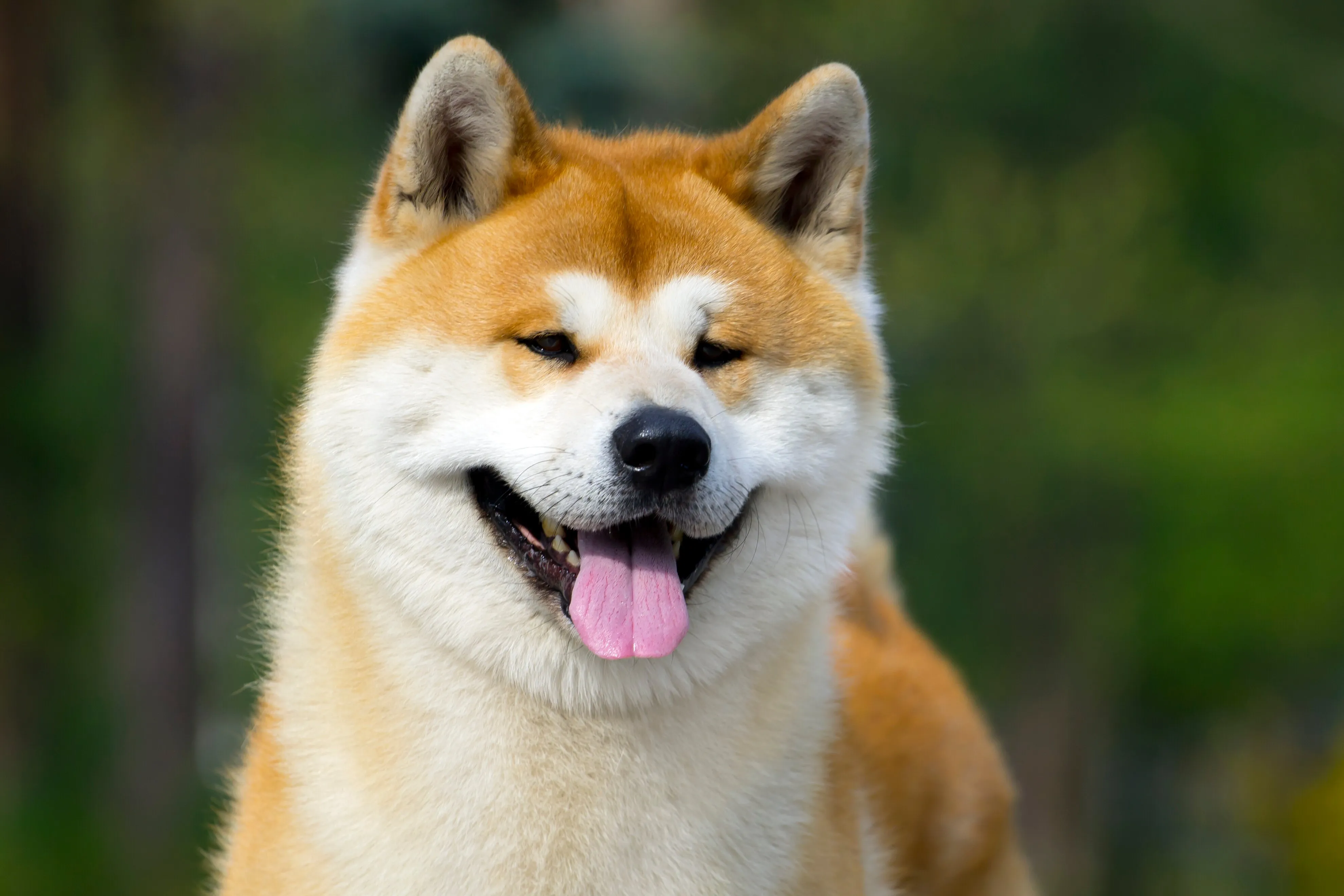
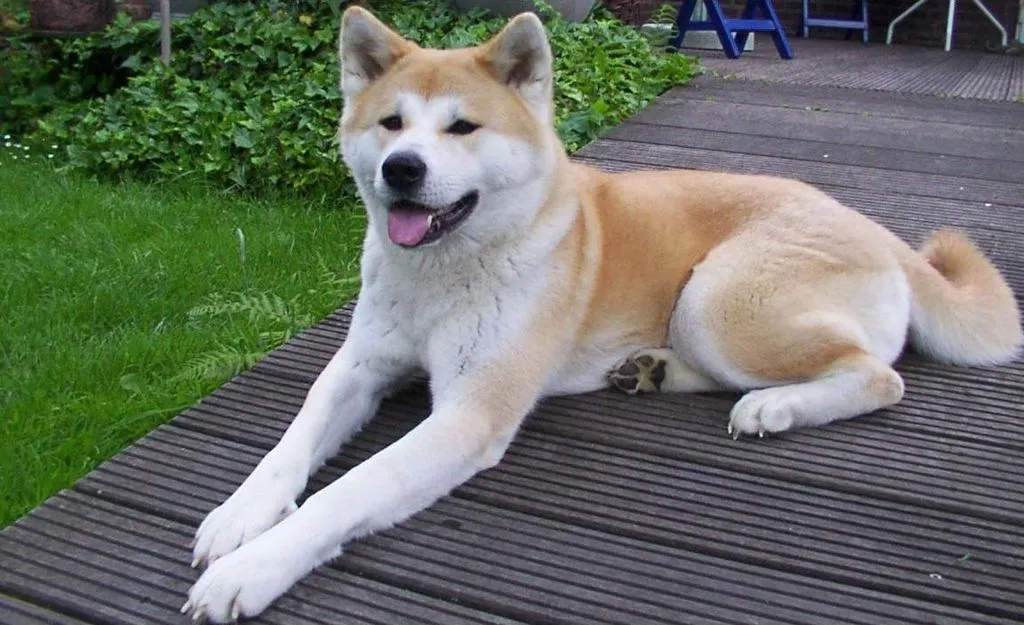
The Akita is a noble breed, whose origins stem from more than 1,000 years ago in Japan. These dogs originated from Akita province in northern Japan, where they were bred to hunt and guard the royal family.
Characteristics
Barking
Quiet
Loud
Temperament with Kids
Aggressive
Friendly
Playfulness
Silent
Very Playful
Friendliness
Not Friendly
Super Friendly
Compatibility with other dogs
Aggressive
Friendly
Need for attention
Independent
Very Needy
Monthly Expenses


How Much Does an Akita Cost?
Cost of buying
₹ 30,000 - ₹ 1,50,000
The Akita dog price varies based on location, breeder reputation, and bloodline. They are usually available for a price of $1,000 to $3,500, for a purebred puppy.
Prerequisites to pet a Akita
Access to Groomer
Appropriate Climate
Access to Veterinary
Lifestyle Compatibility
Space and Environment
Financial Capability
Shop or Adopt an Akita: Choice is Yours!
You have two options- Either Shop or adopt
Nutritional Care for Akita Dog
Monthly Food Expenses
₹ 3,000 - ₹ 4,500
Calories per day
Puppies: 2000 kcal
Adults: 1800 kcal
Essential Nutrients
Carbohydrates
Vitamins
Fibre
Protein
Fats
List of foods
Chicken
Home made meals
Dry Dog Food
Fresh Meat
Fresh Fish
Fruits
Vegetables
- Akitas need a balanced diet to support their large size and strong muscles.
- Include high-quality protein, healthy fats, carbohydrates, vitamins, and minerals for strength and overall health.
- Avoid low-quality food as it may lead to nutritional deficiencies and weight gain.
- Puppies, adults, and senior Akitas have different feeding needs that should be adjusted with age.
- Mixing dry food with fresh ingredients like lean meats, vegetables, and brown rice ensures balanced nutrition.
Breakdown of Macro-nutrients
Best Foods for Akita Dog
- Protein: Important for muscle maintenance. Chicken, beef, fish and lamb are the best sources.
- Healthy fats: Maintain skin and coat health. Can be found in flaxseed, fish oil, and chicken fat.
- Carbohydrates: Provide energy. Rice, sweet potatoes, and whole grains are some common sources.
- Vitamins & minerals: Support immune function. Fruits and vegetables such as carrots, spinach and apples are common sources.
- Water: Clean, fresh water should always be available.
Foods to Avoid for Akitas
Avoid anything with these ingredients
Alcohol
Avocados
Cherries
Cinnamon
Coffee / Tea
Dairy
Fruit seeds
Garlic
Grapes
Onions
Salt
Sugar
- Chocolate is toxic and can cause serious illness.
- Grapes & raisins can lead to kidney failure.
- Onions and garlic are harmful to red blood cells.
- High soy & wheat content may not suit some Akitas.
- Always go for natural, and high-quality Preservatives & additives.


Healthcare Tips for Akitas
Avg Monthly Expenses
₹ 1,500 - ₹ 2,250
Common Health Issues
Bloat
Hip Dysplasia
Canine distemper
Heartworm
Parasites
Parvovirus
Well being
Exercise
Bonding
Games
Socialization
Hiking
Energy Level
High
Exercise routine
60 - 120 minutes
Recognising Stress
Changes in appetite
Excessive Barking
Pacing
Excessive Panting
Reluctance to move
Common Health Issues in Akitas
Akitas are generally healthy but like any other breed, are prone to some health issues. These issues can be sorted by regular vet visits.
Vaccination details
Growth Stage
Core Vaccines
6 - 8 weeks
DHLPP (Distemper, Hepatitis, Leptospirosis, Parvo, Parainfluenza)
12 - 14 weeks
Rabies
16 - 18 weeks
DHLPP
20-22 weeks
Bordetella
1 year
Rabies
Senior Dog Care for Akitas
- Monitor arthritis, hip dysplasia, and thyroid issues through regular vet checkups.
- Maintain a healthy weight by feeding a balanced diet for a senior.
- Give them some gentle exercise to keep them active without straining joints.
- Maintain a grooming schedule for shedding and skin health.
- Keep their minds sharp with training or interactive toys.
- Provide soft bedding for joint support and easy resting area.
Grooming Tips for Akitas
Avg Monthly Expenses
₹ 1,200 - ₹ 1,800
Shedding Level
High Shedding
Hygienic Checklist
Bathing
Eye Care
Ear Cleaning
Teeth Care
Nail Trimming
Brushing
Benefits of Grooming
Low Shedding
Cleanliness
Prevents infections
Prevents Bad Breath
Odourless
Quality of life
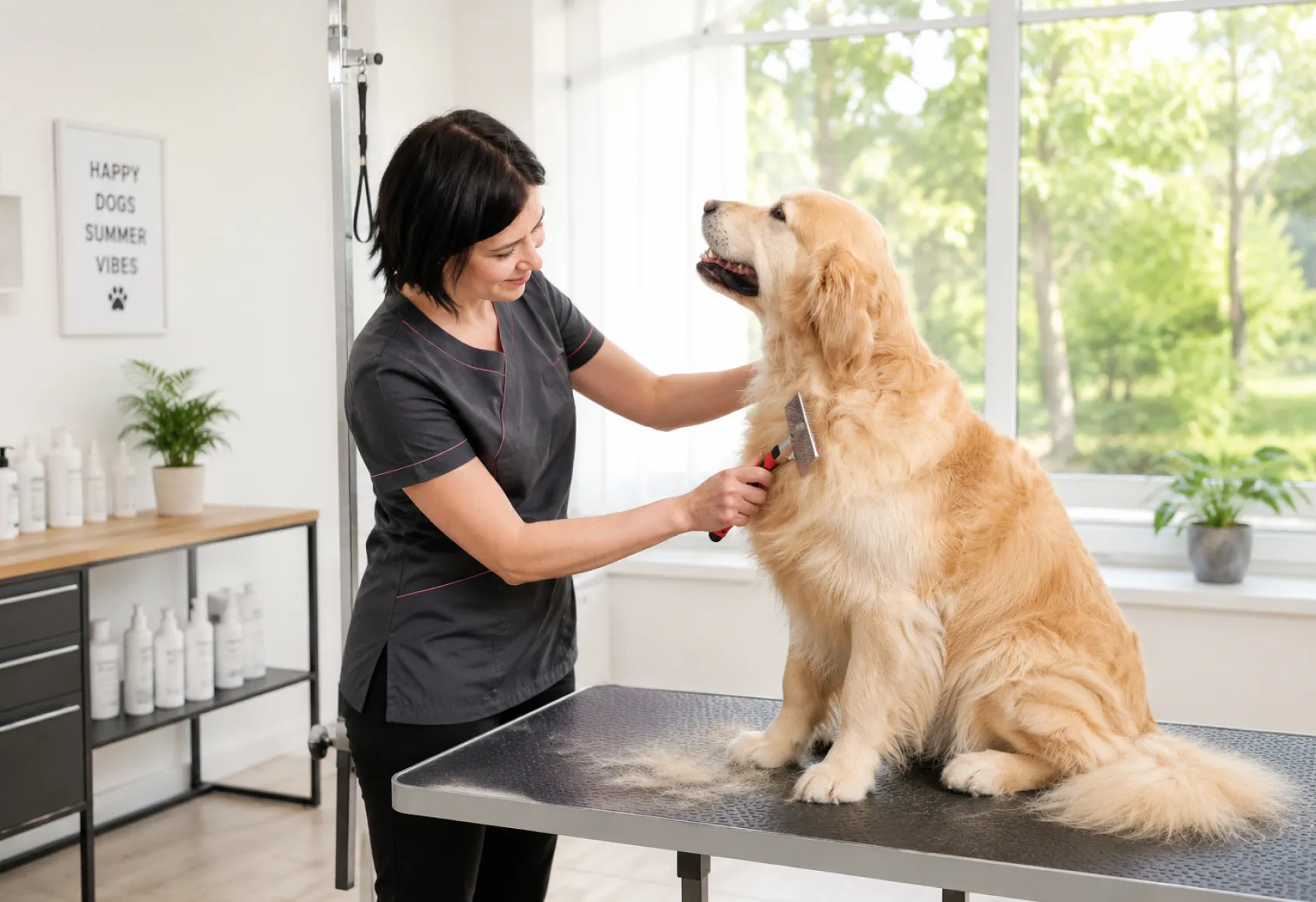
Akitas have a thick double coat that requires regular grooming. The undercoat provides insulation, while the outer coat offers protection.


Written by
Happy Pet TeamAuthor
Team Happy Pet is a passionate collective of pet experts, enthusiasts, and advocates dedicated to sharing trusted and insightful content.
Our cont
Compare with similar breeds


Frequently Asked Questions
What is the temperament of an Akita?
Akitas are loyal, courageous and dignified in personality. They form bonds with their families and can be loving, but are cagey around strangers. They also have a naturally protective nature, and it makes them good watchdogs. But Akitas are independent thinkers, so early socialization, as well as firm, consistent training, is necessary. Playful and goofy with their loved ones but are generally indifferent to other animals or small children who don’t respect boundaries.
How much grooming do Akitas need?
Akitas have a thick double coat that needs to be groomed regularly. They shed year-round with heavy shedding twice a year with seasonal coat changes. Brushing 2-3 times a week is usually enough, but brushing daily is advised during shedding seasons. Like cats, Akitas self-groom, but they still do need occasional baths and nail trims to stay clean and healthy.
What are the common health concerns for Akitas?
Akitas are at risk for hip dysplasia, eye problems and thyroid disorders. Other concerns include autoimmune diseases, progressive retinal atrophy (PRA), and bloat. Genetic screening from reputable breeders and regular vet checkups can help reduce these problems.
How much exercise does an Akita need?
Akitas are active, requiring moderate to high levels of exercise. They require at least two hours of physical activity a day, which may be as simple as long walks, jogging, or mental stimulation like training. Indoors they remain calm, yet have high stamina and enjoy engaging in outdoor activities.