Home
/
Dog Breeds
/
Shiba Inu
Shiba Inu
Origin
Japan
Size
Small Breed
Ideal Space
Apartment
Ideal Weather
15º-25ºC
Life Expectancy
12-15 years
Cost of buying
₹ 40,000 - ₹ 1,00,000
Top 5 Traits
Intelligent
Energetic
Disciplined
Loyal
Fearless
Avg Monthly Expenses
₹ 2,200 - ₹ 3,750

by Happy Pet TeamUpdated on 16 May 2025
History and Quick Introduction to Shiba Inu Dog Breed
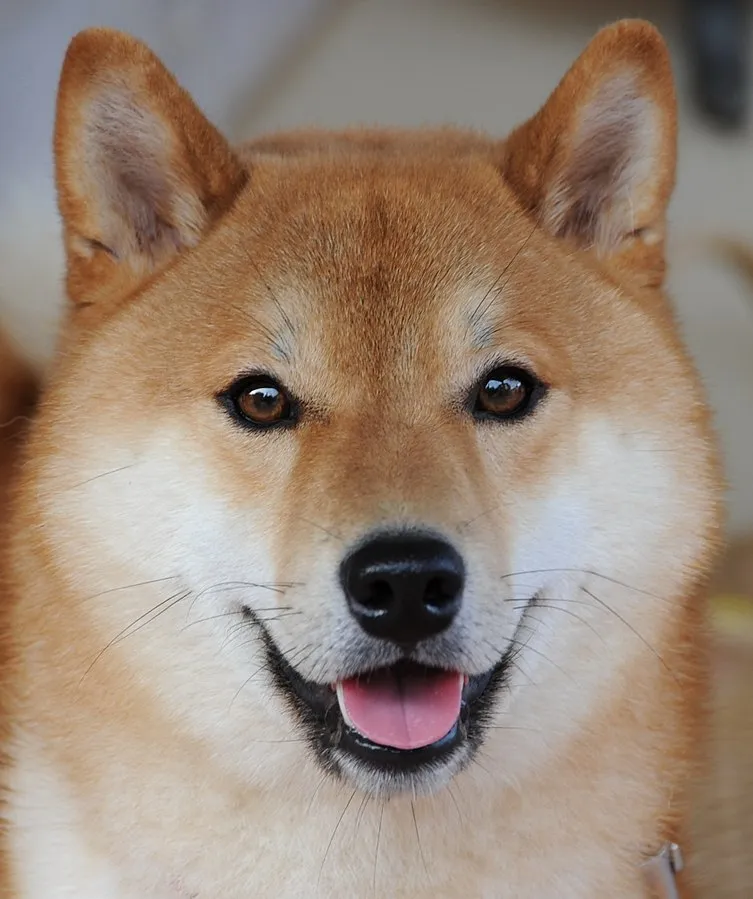
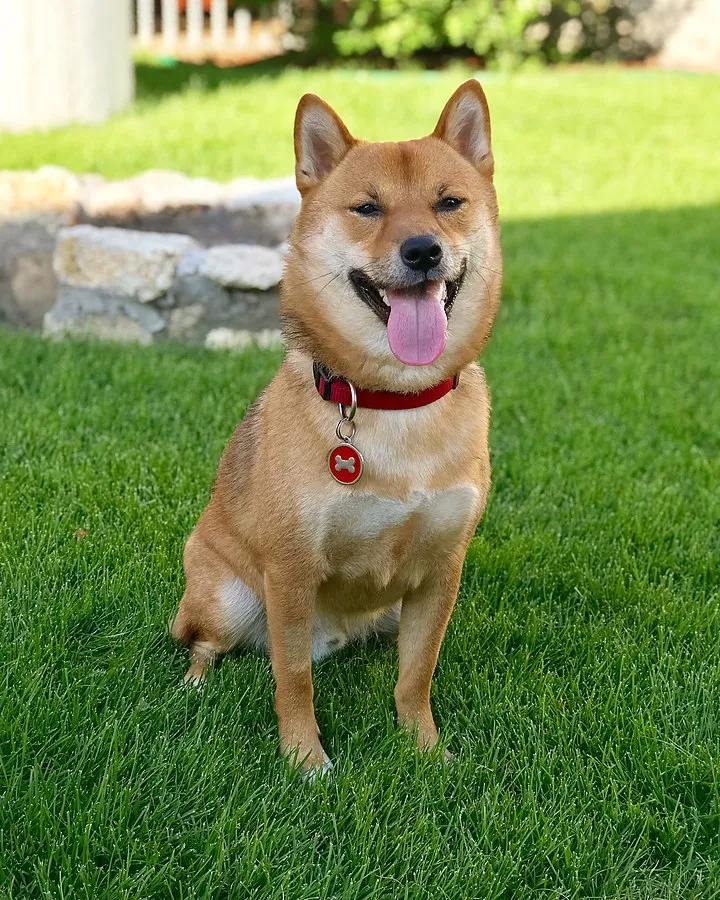
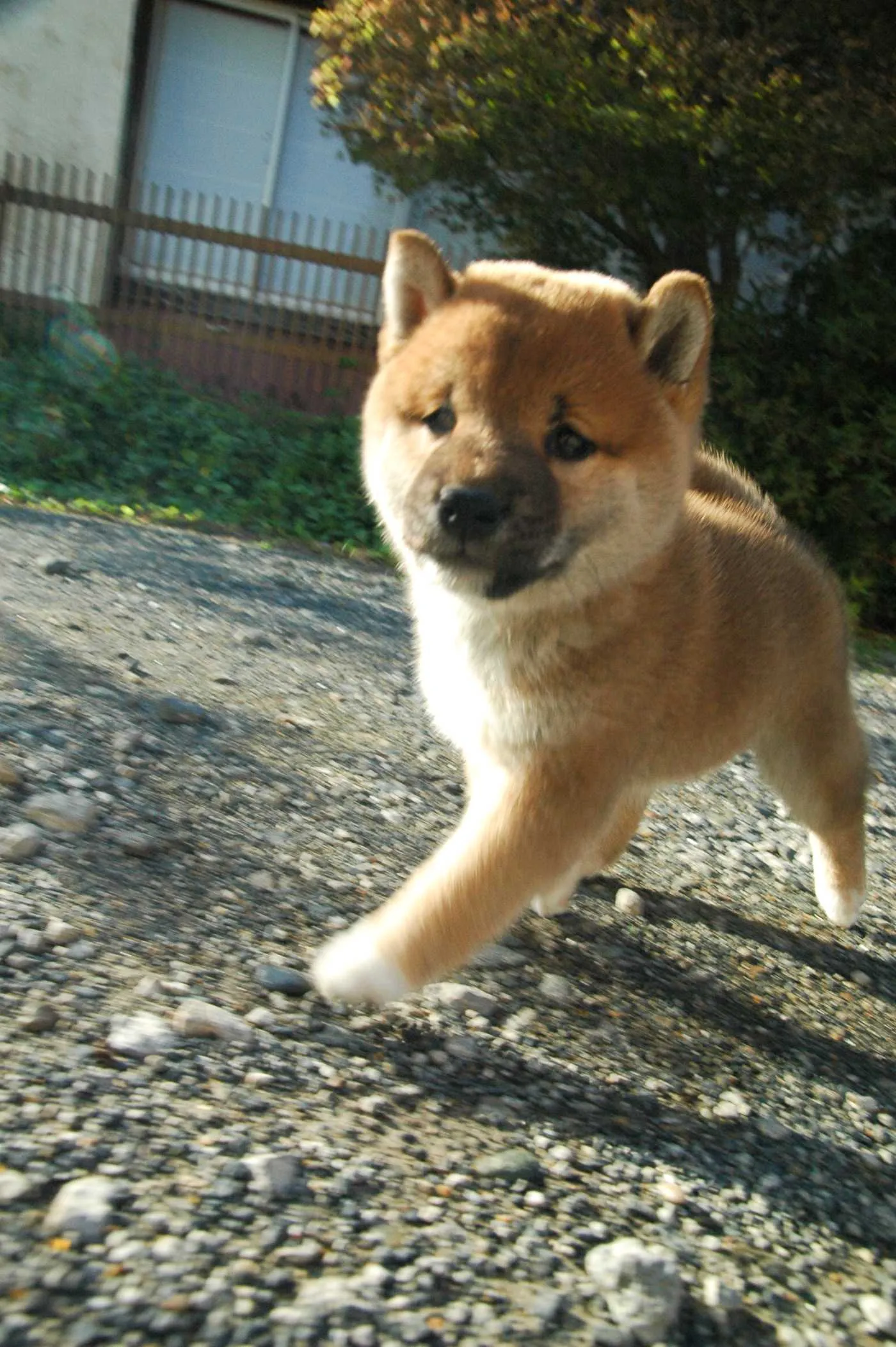
Shiba Inu dogs are one of the oldest and well known Japanese dog breeds. Going back to at least 300 B.C. they were originally bred for hunting small game, and sometimes wild boars, in Japan’s mountainous regions.
Characteristics
Barking
Quiet
Loud
Temperament with Kids
Aggressive
Friendly
Playfulness
Silent
Very Playful
Friendliness
Not Friendly
Super Friendly
Compatibility with other dogs
Aggressive
Friendly
Need for attention
Independent
Very Needy
Monthly Expenses


Shiba Inu Dog Price In India
Cost of buying
₹ 40,000 - ₹ 1,00,000
If you're considering a Shiba Inu for your home, you have two main options: buying or adopting.
Prerequisites to pet a Shiba Inu
Access to Veterinary
Appropriate Climate
Financial Capability
Lifestyle Compatibility
Space and Environment
Access to Groomer
Ready to Bring a Shiba Inu Home?
Now that you know what it takes to raise a Shiba Inu, are you ready to take the next step?
Shiba Inu - Nutritional Tips and Care
Monthly Food Expenses
₹ 1,200 - ₹ 1,800
Calories per day
Puppies: 1000 kcal
Adults: 700 kcal
Essential Nutrients
Protein
Fats
Carbohydrates
Fibre
Minerals
Vitamins
List of foods
Chicken
Dry Dog Food
Fresh Meat
Fresh Fish
Fruits
Vegetables
Home made meals
Shiba Inus are very smart and energetic dogs. They require regular exercise of at least one hour and added playtime to stay healthy and mentally stimulated. If you are looking to get a Shiba Inu, understanding that due to their independent nature, they might not always engage in structured activities is a must. As an active breed, they can become overweight, leading to weight-related health issues like joint problems and diabetes without regular exercise.
Breakdown of Macro-nutrients
Diet Guidelines for Shiba Inu Dogs
- The food you provide for your Shiba Inu should be rich in essential proteins to support muscle development. Meat-based options such as chicken, turkey, fish, and lean beef are great for your Shiba Inu.
- Choose a high-quality dry food to meet their dietary needs.
- Boiled vegetables like carrots, sweet potatoes, and green beans can be good options to get vital minerals for overall growth.
- Make sure their diet includes fiber-rich foods to promote good digestion. Additionally, fruits like apples, blueberries, and bananas offer natural antioxidants without excess sugar.
- Shiba Inus need omega-3 and omega-6 fatty acids, which help maintain a healthy coat and support overall well-being.
What to avoid in a Shiba Inu dog’s diet?
Avoid anything with these ingredients
Alcohol
Almonds
Avocados
Cinnamon
Dairy
Garlic
Grapes
Lemon
Milk Products
Mushrooms
Onions
Salt
Sugar
- Some foods can make your Shiba Inu sick or cause allergies. It’s important to know what to keep them away from.
- Avoid fried and oily foods. These are hard to digest and can lead to weight gain, heart problems, and stomach issues.
- Stay away from food with artificial flavors, colors, and preservatives. These can cause allergies, itching, and long-term health problems. Always check the ingredients before buying dog food.
- Never give foods like chocolate, grapes, raisins, garlic, or onions. These can cause poisoning, kidney failure, or even death. Even a small bite can be dangerous.
- Be careful with dairy. Many Shiba Inus are lactose intolerant, and milk, cheese, or ice cream can cause bloating, diarrhea, or stomach pain.
- Raw eggs, fish, or meat should be given with caution. If not processed correctly, they can carry bacteria like salmonella, which can make your dog very sick. Always cook food properly before feeding.


Shiba Inu Dog Healthcare Guide
Avg Monthly Expenses
₹ 300 - ₹ 750
Common Health Issues
Bloat
Hip Dysplasia
Parasites
Parvovirus
Canine Influenza
Heartworm
Leptospirosis
Kennel Cough
Well being
Exercise
Bonding
Socialization
Hiking
Agility Training
Games
Energy Level
High
Exercise routine
30 - 60 minutes
Recognising Stress
Changes in appetite
Excessive Barking
Pacing
Reluctance to move
Increased laziness
Excessive Panting
Decreased play
Common Health Issues in Shiba Inu Dogs
Shiba Inus are generally healthy dogs, but they are prone to some common health problems. Here are a few conditions to watch out for as listed out by PetMD and the American Kennel Club:
Vaccination details
Growth Stage
Core Vaccines
6-8 Weeks
Distemper
10-12 Weeks
Parvovirus
14-16 Weeks
Hepatitis
18-20 Weeks
Parainfluenza
Annually
Booster Shots
How to Care for the Senior Shiba Inu Dogs?
- As Shiba Inus get older, their needs gradually change. Senior Shibas are more prone to joint problems like arthritis, so regular vet visits are important to catch and manage age-related issues early.
- Weight management is key. Older Shibas are less active, so adjust their diet so they stay a healthy weight. Make sure their food has all the necessary nutrients. Senior dog formulas for joint support also help.
- Dental care is also crucial. Schedule regular dental check-ups, as dental disease can be common in older dogs and impact their overall health.
- Create a cozy and safe living space. Provide soft bedding, and make sure their favorite spots are easy to reach. Avoid stairs if they struggle with mobility.
- Gentle exercise, like short walks and light play, helps keep them fit without overexertion. Mental stimulation through puzzle toys or gentle training sessions keeps their mind sharp.
- Most importantly, shower them with love and patience as they enjoy their golden years.
Grooming Tips for Shiba Inu
Avg Monthly Expenses
₹ 700 - ₹ 1,200
Shedding Level
Moderate Shedding
Hygienic Checklist
Brushing
Bathing
Ear Cleaning
Nail Trimming
Eye Care
Teeth Care
Benefits of Grooming
Cleanliness
Low Shedding
Prevents infections
Quality of life
Odourless
Prevents Bad Breath
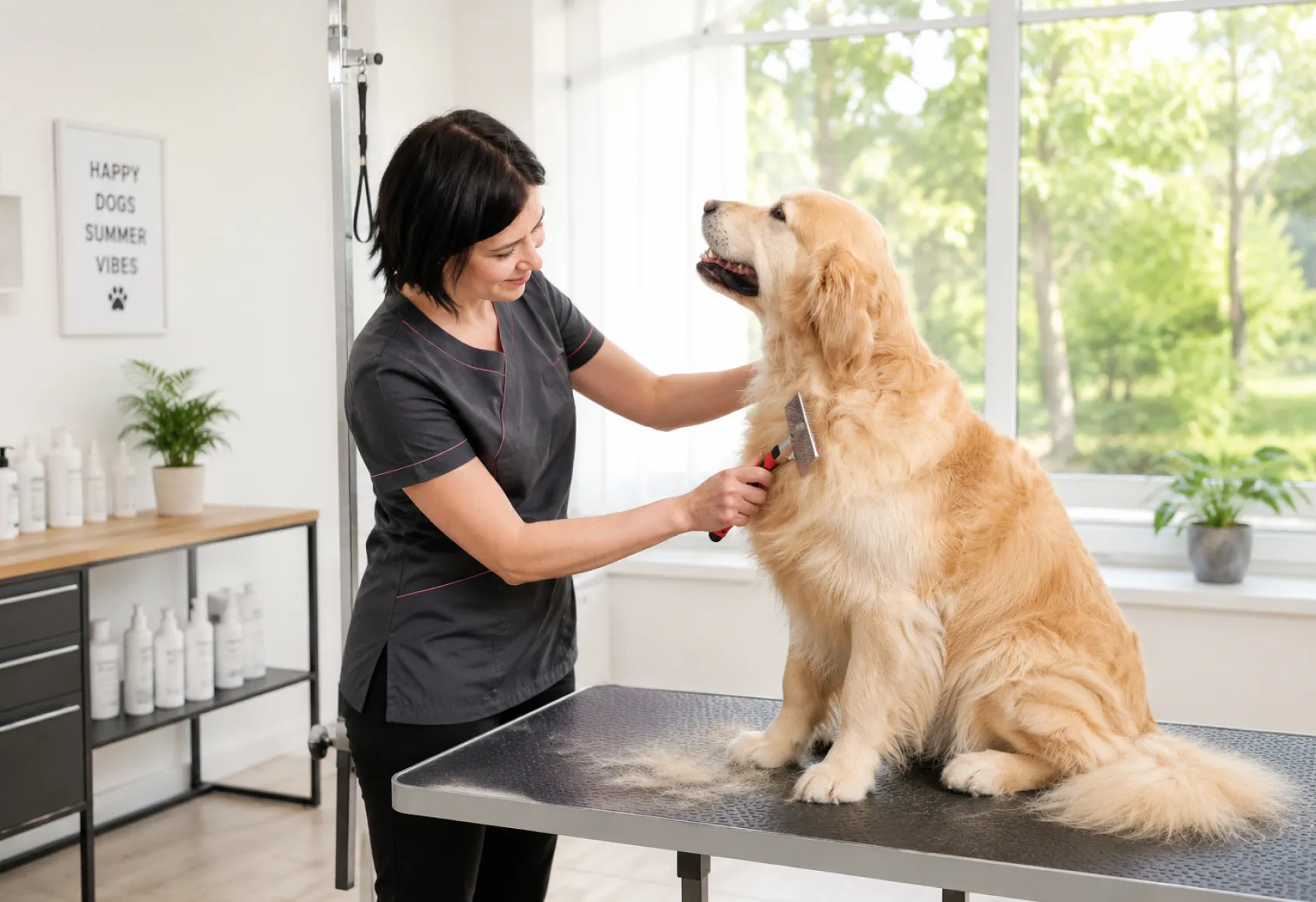
- Shiba Inus have a thick double coat and shed a lot, especially during shedding seasons. Brushing at least three to four times a week helps remove loose fur and prevent matting. Daily brushing is best during heavy shedding.
- Bathing should be done once a month. Too many baths can dry out their skin, so use a gentle, dog-friendly shampoo.
- Clean their ears regularly to remove dirt and prevent infections. Check for redness or bad odors.
- Trim their nails every few weeks. Overgrown nails can cause pain and make walking uncomfortable.
- Dental care is just as important. Brush their teeth with vet-approved toothpaste to prevent plaque buildup and bad breath.


Written by
Happy Pet TeamAuthor
Team Happy Pet is a passionate collective of pet experts, enthusiasts, and advocates dedicated to sharing trusted and insightful content.
Our cont
Frequently Asked Questions
Are Shiba Inus good family pets?
Shiba Inus can make excellent family pets with proper training and socialization. They are loyal and affectionate towards their family members but may be reserved or aloof with strangers.
Do Shiba Inus have a strong prey drive?
Yes, Shiba Inus have a strong prey drive, which means they may chase small animals such as squirrels or rabbits. It's important to keep them on a leash or in a secure area when outdoors to prevent them from chasing or getting into potentially dangerous situations.
Are Shiba Inus good with children?
Shiba Inus can be good with children when properly socialized and supervised. However, they have a strong personality and may not tolerate rough handling or overly energetic behavior from young children. Early socialization and training are key to fostering a positive relationship between a Shiba Inu and children.