Home

/

Dog Breeds

/

Norwegian Lundehund

Norwegian Lundehund

Origin

🇳🇴

Norway

Size

Medium Breed

Ideal Space

Independent House

Ideal Weather

10º-25ºC

Life Expectancy

12-14 years

Cost of buying

₹ 30,000 - ₹ 60,000

Top 5 Traits

Athletic

Energetic

Fearless

Intelligent

Loyal

Avg Monthly Expenses

₹ 3,550 - ₹ 5,400
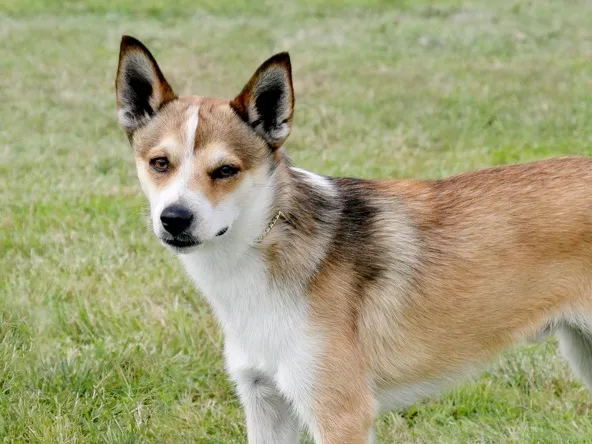
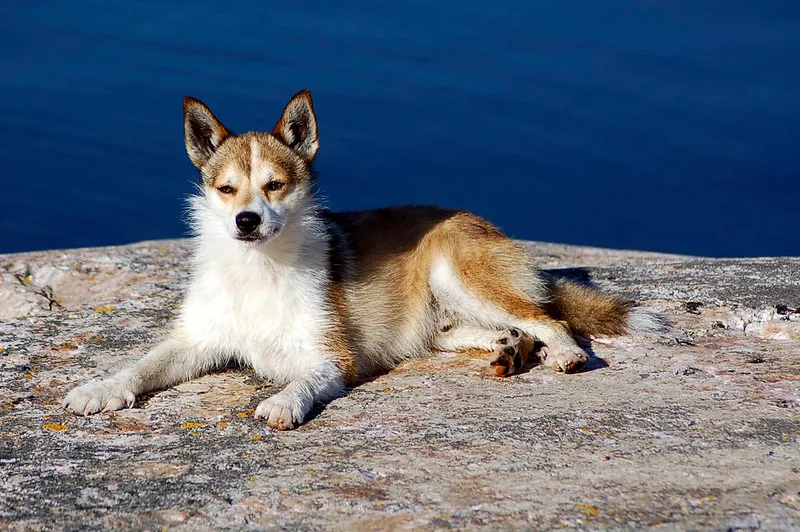
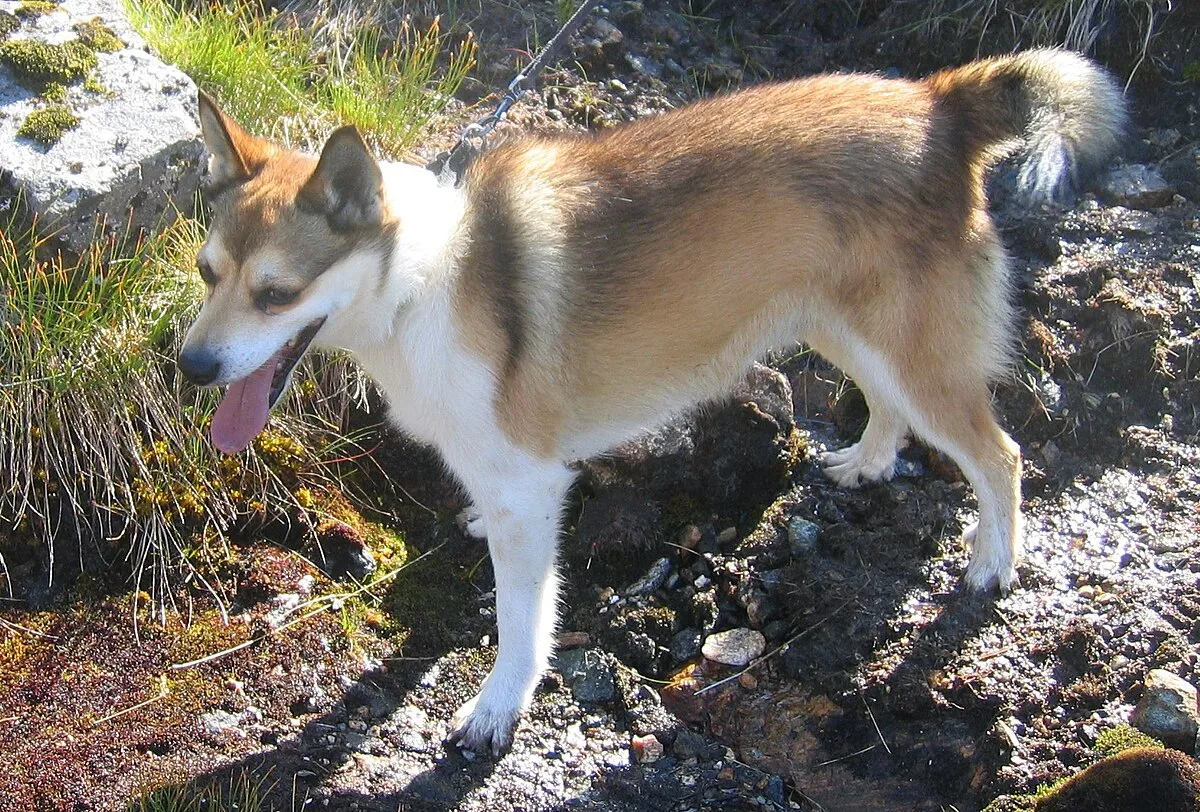
Small tan white and black Norwegian Lundehund with erect ears on grass
written by image

by Happy Pet TeamUpdated on 18 Jun 2025

Introduction to the Norwegian Lundehund

The Norwegian Lundehund, also referred to as the puffin dog, is among the most intriguing and rarest breeds of dog in the entire world. Originally found on the steep cliffs of VAEROY Island in Norway, this is an old breed that was trained to hunt puffins in amongst the difficult-to-reach nesting areas.

There are records of such dogs dating back to the early 1400s, and their physical distinctiveness made them priceless when it came to retrieving birds out of small crevices. The breed, however, almost became extinct in the 20th century.

By the year 1963, there were only six Lundehunds which were known to be alive. Conservation has gradually paid off, and the breed is slowly recovering, though it is still the rarest breed recognised by the AKC.

How Long Do Norwegian Lundehunds Live?

Norwegian Lundehunds have a lifespan of 12 -14 years with adequate care and controlled diet.

Norwegian Lundehund Temperament and Personality

  1. These dogs are active, smart, loyal and independent.
  2. They are very family-friendly but tend to be shy with strangers.
  3. Early socialisation will correct their timid nature.
  4. They attach themselves to their people and demand mental and physical activities to remain good.

Norwegian Lundehund Exercise Needs

They are active and agile dogs that need 30–60 minutes of daily physical and mental exercise.


  1. Playtime: Fetch, tug-of-war, puzzle toys
  2. Walks: Secure leash required due to prey drive
  3. Mental Stimulation: Trick training and scent games

Characteristics

Barking

Quiet

Loud

Temperament with Kids

Aggressive

Friendly

Playfulness

Silent

Very Playful

Friendliness

Not Friendly

Super Friendly

Compatibility with other dogs

Aggressive

Friendly

Need for attention

Independent

Very Needy

Monthly Expenses

about image

Norwegian Lundehund’s Price Guide

Cost of buying

₹ 30,000 - ₹ 60,000

The price of a Norwegian Lundehund puppy in India ranges between Rs. 30,000 - Rs. 60,000, depending on the lineage, breeder and location.

Similar Breeds to the Norwegian Lundehund

  1. Norwegian Elkhound
  2. Swedish Vallhund
  3. Icelandic Sheepdog
  4. Finnish Spitz

Prerequisites to pet a Norwegian Lundehund

Access to Veterinary

Access to Groomer

Appropriate Climate

Lifestyle Compatibility

Financial Capability

Shop or Adopt a Norwegian Lundehund: Make the Right Choice!

Adopting a Norwegian Lundehund provides them with a second chance at a loving home. When buying from a breeder, it is best to buy from a responsible one who cares for the breed.

Your decision should depend on your lifestyle, your physical activity levels, and the amount you want to dedicate to training and care.

Best Practices to Follow While Shopping or Adopting a Norwegian Lundehund

  1. Research breeders and rescues: Find a reputable breeder or Norwegian Lundehund rescue using ethical breeding and adoption policies. Read reviews and make sure the dogs are in good health.
  2. Check health clearances: Ask for records of vaccinations, deworming, and screenings for common Norwegian Lundehunds' health concerns, including hip dysplasia and eye conditions.
  3. Visit the breeder or shelter: Make sure the dog is living in clean, safe, well-socialized surroundings.
  4. Understand their care needs: These dogs are very active and need regular physical activity such as running, hiking, or dog sports.
  5. Plan for vet care: Routine veterinary checkups, vaccinations, and preventive care are also necessary to keep Norwegian Lundehunds healthy and long-lived.


Whether you are buying or adopting a Norwegian Lundehund, you can get a happy and healthy life for your Norwegian Lundehund by making an informed choice.

Nutrition Care for the Norwegian Lundehund

Monthly Food Expenses

₹ 2,250 - ₹ 3,000

Calories per day

Puppies500 kcal

Adults750 kcal

Essential Nutrients

Protein

Fats

Carbohydrates

Fibre

Vitamins

Minerals

List of foods

Chicken

Dry Dog Food

Fresh Meat

Fresh Fish

Mutton

Home made meals

Fruits

Vegetables

  1. To support strong muscles and stamina, Norwegian Lundehund require a high-quality protein.
  2. Healthy fats give steady energy and help keep their coat shiny.
  3. Brown rice and oats are good sources of necessary carbohydrates to support their active lifestyle.
  4. The vitamins and minerals strengthen their immune system and joint health.
  5. Puppies, adults, and seniors need different nutrition to grow and maintain properly.
  6. You should avoid low quality food to prevent deficiencies and digestive issues.
  7. A balanced diet of dry food, lean meats and vegetables helps maintain overall health.

Feeding Guidelines for Norwegian Lundehunds

Puppies (Up to 12 Months): To aid growth, feed small, frequent meals (3 -4 times a day) of high-calorie puppy food. Bone health options should be rich in balanced calcium and phosphorus.


Adults (1–7 Years): Feed twice daily on easily digestible, low-fat food. The portion size is related to the activity level, but usually adds up to 2-3 cups per day.


Seniors (7+ Years): Protein content in senior-specific food should be more, while the calorie count should be lower. Add joint support supplements and make meals frequent and smaller to aid digestion.


Note: These are general guidelines. Consult a veterinarian to determine the specific dietary needs of your dog.

Breakdown of Macro-nutrients

Best Foods for Norwegian Lundehunds

A fresh or limited-ingredient diet works best for their sensitive systems. Look for:


  1. Low fat and high protein. These maintain Lean Muscle Mass as well as assist in maintaining a healthy weight.
  2. Novel protein recipes such as duck or venison grain-free. They minimise the danger of food allergies and bowel irritation.
  3. Foods with probiotics and prebiotics for gut health. They enhance digestion and boost the immune system.

Foods to Avoid for Norwegian Lundehunds

Avoid anything with these ingredients

Almonds

Avocados

Cinnamon

Alcohol

Cherries

Coffee / Tea

Sugar

Salt

Mushrooms

Milk Products

Lemon

Grapes

Garlic

Dairy

Fruit seeds

Onions

Especially because of their susceptibility to digestive ailments, avoid:


  1. High-fat treats or meals: May cause obesity and put pressure on the digestive system.
  2. Grain-heavy formulas: Often cause allergies or digestive issues in sensitive dogs.
  3. Artificial preservatives, fillers, or colouring: May trigger food sensitivities or long-term health concerns.
  4. Toxic foods: Keep chocolate, grapes, onions, and garlic away; they are toxic or lethal to dogs.
about image

Healthcare for the Norwegian Lundehund

Avg Monthly Expenses

₹ 600 - ₹ 1,200

Common Health Issues

Bloat

Patellar Luxation

Progressive Retinal Atrophy (PRA)

Ear Infections

Skin Allergies

Parasites

Thyroid Disease

Well being

Exercise

Agility Training

Bonding

Games

Socialization

Energy Level

High

Exercise routine

30 - 60 minutes

Recognising Stress

Changes in appetite

Excessive Barking

Pacing

Excessive Panting

Reluctance to move

Decreased play

Common Health Problems of Norwegian Lundehunds

The most important things to keep a Lundehund healthy are routine veterinary care and early diagnosis. Here are some of the common health issues found in Norwegian Lundehunds:


  1. Lundehund Syndrome: Severe digestive condition that results in vomiting, diarrhoea and loss of protein. The gene mutation is prevalent in almost all Lundehunds.
  2. Patellar Luxation: Kneecap dislocation, which could cause lameness. Cases that are severe may require surgery.
  3. Eye Disorders: Senior illnesses such as cataracts and lens luxation are typical. Eye check-ups should be done regularly.

General Healthcare Tips for Norwegian Lundehunds

  1. Vet Visits: Make an appointment after 6 months to check digestion and health in general.
  2. Hydration Support: To enhance digestion, add wet food or broth to the meals to ensure they stay hydrated.
  3. Supplements & Diet: Give digestive enzymes or prescription sensitive stomach diets.
  4. Genetic Screening: Provided you get your dog through a breeder, consider testing to eliminate hereditary problems.

Vaccination details

Growth Stage

Core Vaccines

6-8 Weeks

Distemper, Parvovirus, Canine Hepatitis

10-12 Weeks

DHPP (Distemper, Hepatitis, Parainfluenza, Parvovirus)

14-16 Weeks

Rabies, DHPP Booster

Annually

DHPP, Rabies

Senior Norwegian Lundehund Care

Older dogs may experience increased joint and digestive issues. Support them with:


  1. Joint supplements like glucosamine and chondroitin: Support ageing joints and reduce stiffness.
  2. Soft bedding and ramps: Reduce the pressure on joints and assist mobility.
  3. Frequent, smaller meals: More easily digested and keep energy levels even.
  4. More frequent vet visits (every 4–6 months): Permit the early identification of age-related problems.


Important Note: This information is for general guidance only. Always consult a qualified veterinarian for personalized advice.

Norwegian Lundehund Grooming Routine

Avg Monthly Expenses

₹ 700 - ₹ 1,200

Shedding Level

Moderate Shedding

Hygienic Checklist

Brushing

Ear Cleaning

Nail Trimming

Teeth Care

Bathing

Eye Care

Benefits of Grooming

Cleanliness

Prevents infections

Prevents Bad Breath

Quality of life

Low Shedding

Odourless

Maintaining their coat and hygiene is simple with regular care:


  1. Brushing – Once a week (more during shedding season)
  2. Bathing – Once every 1–2 months or as needed
  3. Nail Trimming – Every 3–4 weeks
  4. Ear Cleaning – Weekly, due to their flexible ear structure
  5. Dental Care – Brush teeth 2–3 times a week
about image
written by image

Written by

Happy Pet Team

Author

Team Happy Pet is a passionate collective of pet experts, enthusiasts, and advocates dedicated to sharing trusted and insightful content.

Our cont
 

Compare with similar breeds
Tan Indian Pariah Dog with erect ears and curled tail sits on a concrete path

Indian Pariah Dog

Compare
Siberian Husky with hetero chromatic eyes and pink tongue showing close up

Siberian Husky

Compare
Tan dog with a black muzzle and erect floppy ears wearing a chain collar

Kombai or Combai Dog

Compare
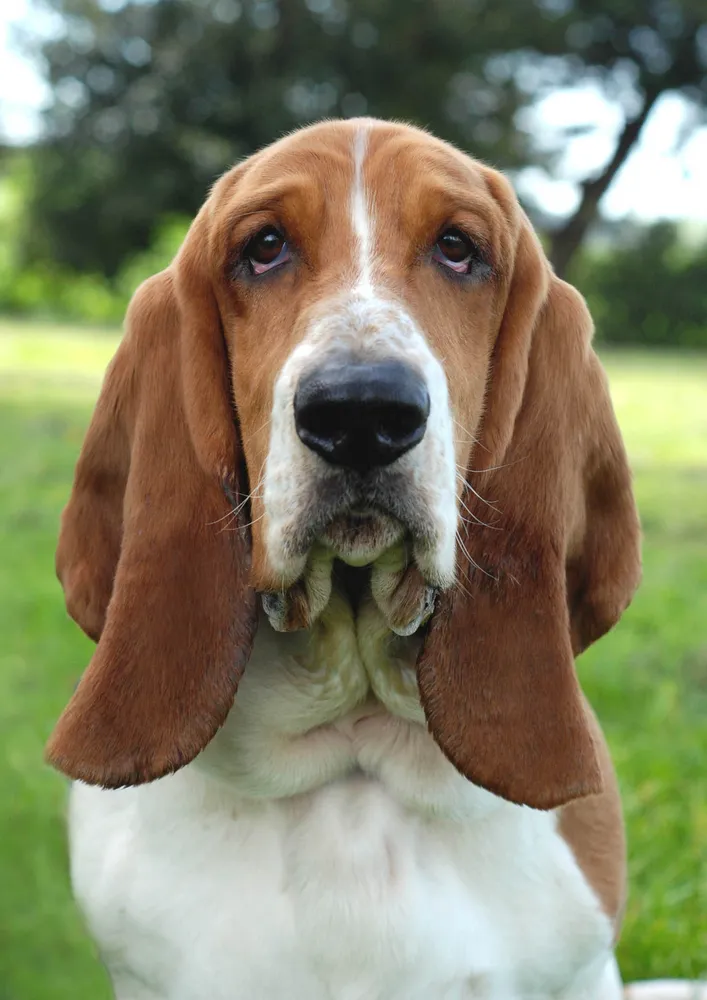
Close up of a tri color Basset Hound with long droopy ears looking up

Basset Hound

Compare

Frequently Asked Questions

What makes Norwegian Lundehunds physically unique?

Their feet contain six toes, their necks are very flexible, and their ears can close completely, features which assisted them in retrieving puffins off cliffs.

Are they good family dogs?

Yes, they are loyal, affectionate and child-friendly with proper socialisation, but they should go to experienced owners because of their independence.

What is Lundehund Syndrome?

A serious, hereditary digestive disease which impacts the absorption of nutrients and must be controlled throughout the entire life.

Why are they so rare and expensive?

They are very difficult to find and expensive due to their tiny numbers, special care requirements and high puppy death rates.
Media & Resources about Dogs

dog refusing food

Why Do Dogs Eat Less in Summer? Causes, Signs & Practical Tips

17 Apr 2026

a happy dog and its owners

Communication Gaps in Pet Co-Parenting: How It Impacts Your Pet’s Health

15 Apr 2026

dog travelling in a train

Don’t Let the Heat Harm Your Pet: Smart Summer Travel Tips

14 Apr 2026

View All