Home

/

Dog Breeds

/

Icelandic Sheepdog

Icelandic Sheepdog

Origin

🇮🇸

Iceland

Size

Medium Breed

Ideal Space

House with backyard

Ideal Weather

5Âş-25ÂşC

Life Expectancy

12-15 years

Cost of buying

₹ 4,00,000 - ₹ 7,00,000

Top 5 Traits

Athletic

Energetic

Intelligent

Playful

Loyal

Avg Monthly Expenses

₹ 4,650 - ₹ 6,600
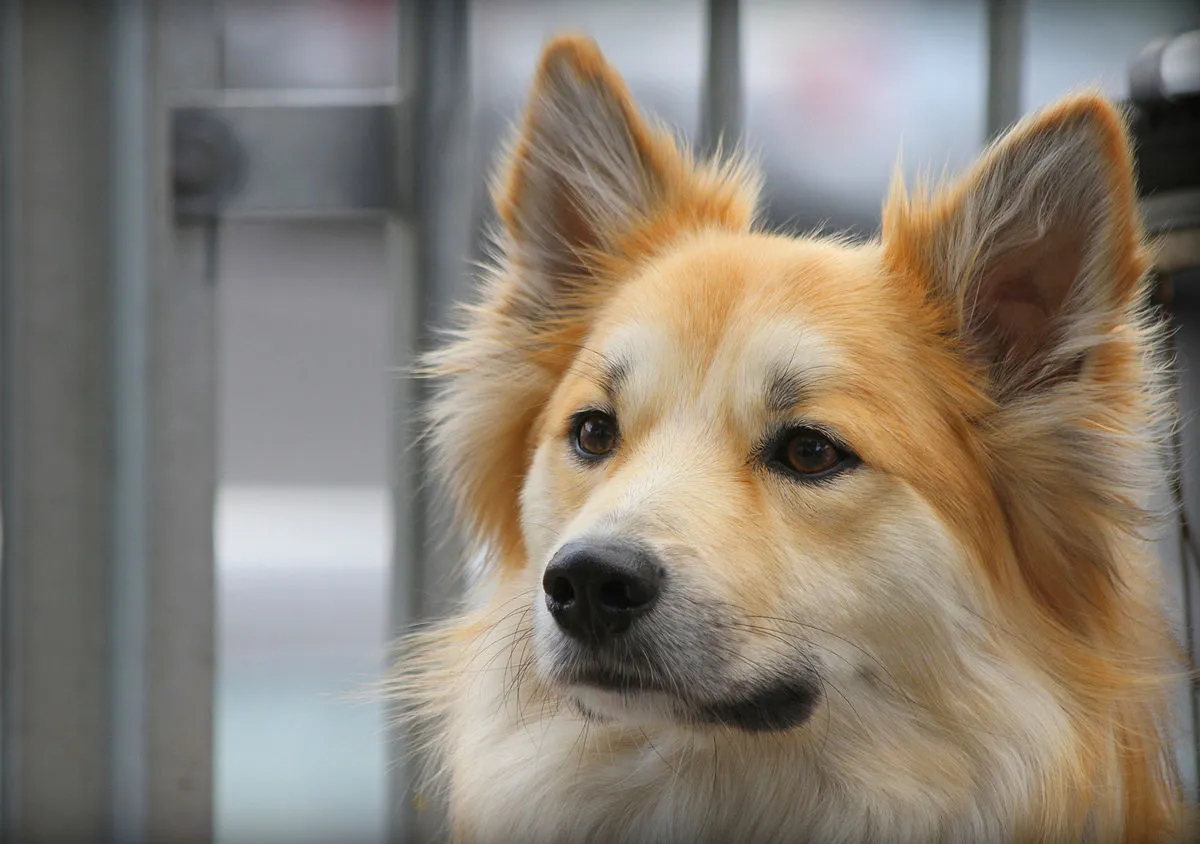
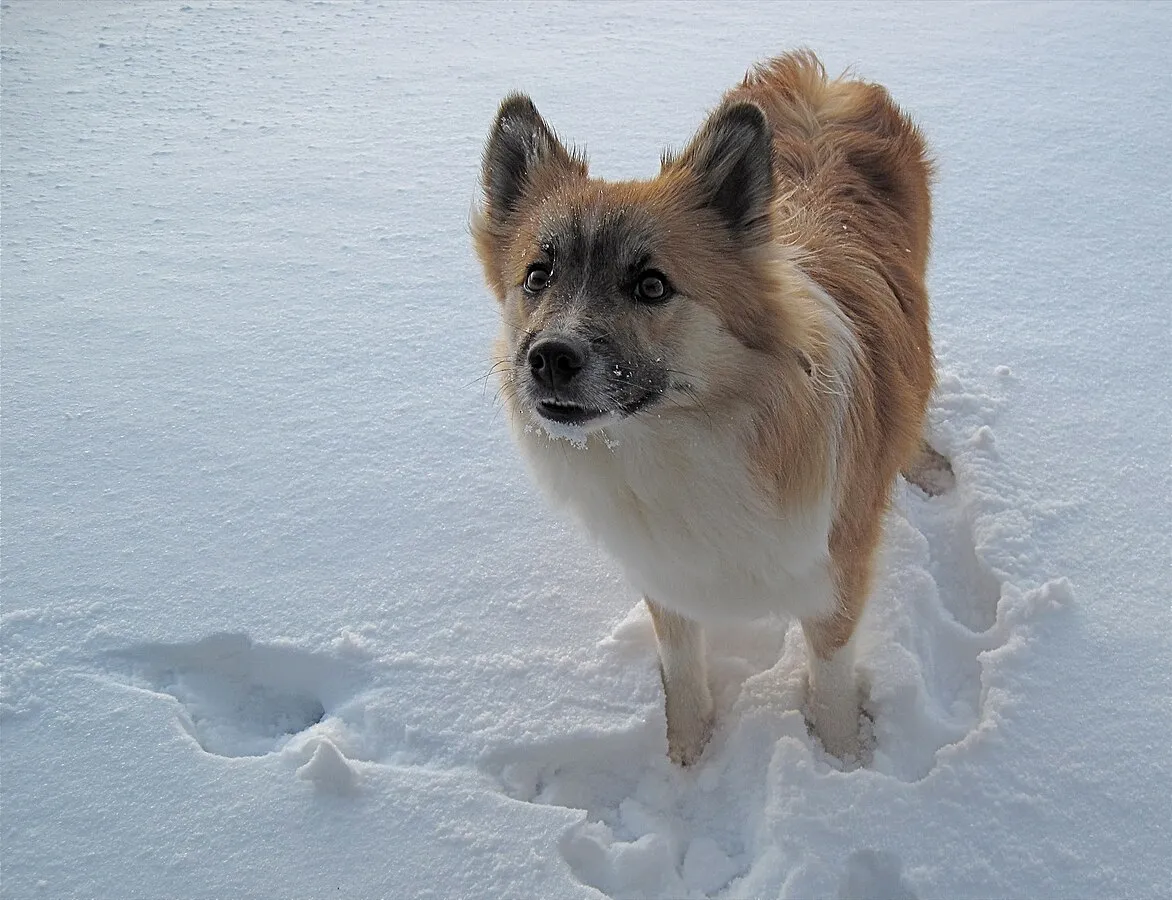
A fluffy medium sized dog with tan and white fur and erect ears looks attentively to the left
written by image

by Happy Pet TeamUpdated on 14 Sept 2025

Meet the Icelandic Sheepdog: The Cheerful Nordic Herding Dog

The Icelandic Sheepdog is Iceland’s only native dog breed, developed centuries ago to herd sheep, horses, and cattle across rugged, windy farmlands. With their fluffy double coat, curled tail, and expressive faces, they’re often described as friendly, alert, and endlessly social. The American Kennel Club notes that they’re cheerful, hardy, and eager to please.

In India, they’re very rare, but the families who do bring home an Icelandic Sheepdog are quickly charmed by how adaptable and affectionate they are. While they won’t be herding sheep here, they’ll happily take on “jobs” like joining you for morning walks, entertaining the kids, or alerting you when someone’s at the door.


How Long Do Icelandic Sheepdogs Live?

The Icelandic Sheepdog is a relatively healthy breed with a long lifespan. With proper care, they usually live 12–14 years.


Temperament & Personality

If you’re looking for a dog who is equal parts watchdog, playmate, and cuddle buddy, the Icelandic Sheepdog ticks all those boxes. They are often described as affectionate, enthusiastic, and eager to be around their people.

  1. With family: These dogs love being in the thick of things. In India, you’ll find them happiest lounging near the family in the living room rather than alone in a balcony or yard.
  2. With kids: Their gentle, playful energy makes them wonderful with children. Just keep an eye when very young kids are around, since Icelandics can get a bit bouncy when excited.
  3. With strangers: They’re naturally alert and will bark to announce visitors, but their friendliness usually wins out once they see a warm welcome.
  4. Training: Smart but sometimes cheeky, they need patient, positive reinforcement. Short, fun training sessions are recommended using treats, praise, and toys. Harsh training doesn’t work with this sensitive breed.
  5. Energy: The PetGuide profile highlights their high energy and love of play. Without enough activity, they can become vocal or restless, something to consider in Indian apartment settings.


Apartment vs. Farmhouse Life in India

  1. In Apartments (Delhi, Mumbai, Bengaluru): Icelandic Sheepdogs can adjust to flat living as long as their energy needs are met. Plan at least 45–60 minutes of walking daily, split between early mornings and evenings to avoid the heat. Indoors, puzzle toys, tug-of-war, and teaching new tricks keep them mentally engaged. Do note: they are barkers, so early training helps keep peace with neighbors.
  2. In Farmhouses or Suburban Homes: This is where they really shine. With a safe, fenced yard, they’ll spend hours happily patrolling, sniffing, or playing fetch. Like the AKC points out, their herding heritage means they love having “work” to do — whether that’s carrying a small backpack on hikes or rounding up family members during playtime. Just make sure fencing is secure; their curiosity and nose can lead them wandering.


Climate Considerations in India

The Icelandic Sheepdog’s thick, weather-resistant coat is a blessing in snowy Iceland but requires special care under Indian conditions.


  1. Hot cities (Delhi, Chennai, Hyderabad): Their double coat insulates against heat to some extent, but they can still overheat. Stick to dawn and dusk walks, give them access to cool tiled floors, and use fans or AC during peak summer months. Avoid trimming the coat too short — it actually protects them from sunburn.
  2. Hill stations (Shimla, Ooty, Coorg): They thrive in cooler regions. You’ll notice them more playful, energetic, and comfortable in misty, breezy weather that’s closer to their natural environment.
  3. Monsoons: While their coat repels light rain, the dense undercoat can trap moisture. Damp coats encourage fungal infections and hot spots. Always dry them well after walks or baths, and check their ears weekly for signs of infection.
  4. Shedding seasons: Twice a year, Icelandics “blow” their coat, releasing massive amounts of undercoat. In India, this often happens before summer or after monsoon. Daily brushing during these weeks saves your sofa, clothes, and sanity!

Characteristics

Barking

Quiet

Loud

Temperament with Kids

Aggressive

Friendly

Playfulness

Silent

Very Playful

Friendliness

Not Friendly

Super Friendly

Compatibility with other dogs

Aggressive

Friendly

Need for attention

Independent

Very Needy

Monthly Expenses

about image

Lifespan & Availability in India

Cost of buying

₹ 4,00,000 - ₹ 7,00,000

Icelandic Sheepdogs are hardy and generally live 12–14 years.


They’re one of the rarest breeds outside of Iceland. In India, they are almost unheard of and typically need to be imported from Europe, which means high costs ₹4–7 lakhs or more, depending on pedigree, health clearances, and import logistics.


Exercise Needs

The Icelandic Sheepdog was bred as a herder and watchdog, always on the move with farmers. The United Kennel Club describes them as energetic, cheerful, and endlessly active. In India, this translates into structured daily exercise and smart mental engagement.


  1. Daily Activity: At least 60–90 minutes of exercise split into morning and evening walks is essential. In hot climates, stick to early mornings and late evenings to avoid overheating.
  2. Outdoor Play: If you’re lucky enough to have a farmhouse, gated colony, or large park, they’ll love running free. But remember, these dogs have a strong prey drive and curious nature. A secure leash or strong fencing is non-negotiable, as once they spot a squirrel or bird, their recall may fail.
  3. Mental Stimulation: Like all herding breeds, they need “jobs” to stay balanced. Nosework games, puzzle feeders, obedience training, or fetching small household items can keep them occupied. Apartment families can add fun twists like hide-and-seek with treats or basic agility with cushions and low stools. Without this, boredom can lead to barking or destructive chewing which is a real challenge in compact Indian homes.

Prerequisites to pet a Icelandic Sheepdog

Access to Groomer

Access to Veterinary

Appropriate Climate

Lifestyle Compatibility

Financial Capability

Shop or Adopt an Icelandic Sheepdog in India

If you’re determined to bring one home, do your homework first:


  1. Health paperwork: Ask for hip and eye clearances, as these are the main health concerns for the breed.
  2. Breeder practices: Puppies should be raised indoors with family interaction, not in isolated kennels.
  3. Documentation: Always demand vaccination cards and KCI/FCI-recognized pedigree papers if importing.


Given their rarity, adoption within India is almost impossible—but if you’re considering an import, work with ethical breeders and consult experienced vets on quarantine and acclimatization.

Nutrition for Icelandic Sheepdogs in India

Monthly Food Expenses

₹ 2,250 - ₹ 3,000

Calories per day

Puppies: 1200 kcal

Adults: 1000 kcal

Essential Nutrients

Protein

Fats

Carbohydrates

Fibre

Vitamins

Minerals

List of foods

Chicken

Dry Dog Food

Fresh Meat

Fresh Fish

Fruits

Vegetables

The Icelandic Sheepdog is Iceland’s only native breed, developed as a hardy farm dog to herd livestock across tough terrain. The American Kennel Club (AKC) describes them as cheerful, agile, and energetic Spitz-type dogs with a thick double coat built for cold climates. In India’s heat and humidity, their diet plays a major role in keeping them healthy, cool, and full of energy without stressing their coat, skin, or digestion.


Protein: Fuel for Muscles & Playtime

With their active nature and sturdy build, Icelandic Sheepdogs thrive on protein-rich meals. PetMD points out that quality animal protein supports lean muscle mass, stamina, and immune health. All essentials for a busy herding breed.


India-friendly protein options:

  1. Boiled chicken or turkey (boneless, unspiced, skin removed)
  2. Freshwater fish like rohu or catla — excellent for omega-3s and joint care
  3. Eggs 2–3 times a week (boiled or scrambled, no oil)
  4. Light goat meat in winters — energy-dense, but avoid in peak summer heat

In hot cities like Chennai or Delhi, stick to lighter proteins (chicken, fish, eggs). Heavy meats can slow them down and worsen heat stress.


Healthy Fats: Skin & Coat Care in Humid Climates

That fluffy double coat looks magical but in Indian weather it often causes dryness, itching, or fungal flare-ups. According to Hill’s Pet Nutrition, good fats maintain coat shine, reduce inflammation, and keep joints flexible.

Simple Indian fat boosters:

  1. Lightly cooked sardines once or twice weekly
  2. 1 teaspoon coconut oil in meals (great for skin + digestion)
  3. Vet-approved fish oil or flaxseed oil supplements


Carbohydrates: Balanced Energy Without Weight Gain

Icelandic Sheepdogs are playful and alert, but not hyperactive. They need slow-release carbs for steady energy. Excess carbs can lead to weight gain, which strains their joints.

Best picks in India:

  1. Oats or daliya (broken wheat): easy to digest
  2. Brown or red rice: gentle fiber
  3. Sweet potatoes, pumpkin, carrots, bottle gourd: nourishing and hydrating

Skip fried foods, biscuits, or ghee-laden parathas. These are calorie bombs that pile on weight and worsen joint strain in this medium-sized breed.


Vitamins & Minerals: Boosting Immunity & Longevity

Like many double-coated breeds, Icelandic Sheepdogs benefit from extra micronutrient support. Dogster highlights the importance of vitamins A, D, E, plus calcium and phosphorus for bone and eye health.

Easy add-ons for Indian kitchens:

  1. Lightly steamed carrots, beans, spinach, peas
  2. Vet-guided calcium for growing pups (avoid overdosing — it harms bones)
  3. Glucosamine/chondroitin for adults and seniors to protect hips and joints


Feeding Guidelines for Icelandic Sheepdogs

  1. Puppies (2–12 months): 3–4 small meals daily. Use large-breed puppy kibble or balanced home-cooked meals with chicken, rice, and veggies. Don’t overload calcium — it can cause uneven bone growth.
  2. Adults (1–7 years): 2 solid meals a day. A light breakfast (rice + veggies) and protein-rich dinner (chicken/fish + pumpkin or sweet potato) works well.
  3. Seniors (7+ years): Softer meals with fish, eggs, and well-cooked veggies. Cut calories by 15–20% to avoid obesity, and add joint supplements.

Like other deep-chested breeds, Icelandic Sheepdogs may face bloat (gastric torsion). The AKC recommends smaller meals, slow-feeder bowls, and avoiding exercise right after meals.

Breakdown of Macro-nutrients

Best Foods for Icelandic Sheepdogs in India

  1. Premium kibble: Farmina N&D Medium Breed, Royal Canin Medium Adult, Hill’s Science Diet Medium, or Acana Grasslands (for active dogs).
  2. Balanced home-cooked combos:
  3. Chicken + pumpkin + spinach + rice
  4. Sardines + sweet potato + beans
  5. Egg + oats + carrots
  6. Healthy treats: Apple slices, cucumber sticks, plain curd, carrot sticks, or homemade chicken jerky (unspiced).
  7. Hydration boosts: Always fresh water; add bone broth in winters or coconut water in summers.

Never feed these foods to Icelandic Sheepdog

Avoid anything with these ingredients

Alcohol

Almonds

Avocados

Cherries

Coffee / Tea

Cinnamon

Dairy

Fruit seeds

Garlic

Grapes

Lemon

Mushrooms

Onions

Salt

Sugar

Icelandic Sheepdogs may act like they can handle anything, but their digestion disagrees. Avoid:


  1. Toxic foods: Chocolate, grapes, raisins, onions, garlic, xylitol (sugar-free gum, candies). Even small doses can be fatal.
  2. Indian comfort foods: Biryani, pakoras, samosas, jalebis, masalas and oils upset their gut.
  3. Unsafe meats & bones: Rawhide chews, chicken bones, sausages. These splinter and choke.
  4. Sugary treats: Mithai, ice cream, cakes — obesity + dental issues.
  5. Caffeine & alcohol: Tea, coffee, beer, wine — strictly toxic.
  6. Dairy overload: A spoon of plain curd is fine, but milk, paneer, and butter trigger bloating.
  7. Street scraps: Pav bhaji, fried rice, chaat — tempting but harmful for digestion.
about image

Health

Avg Monthly Expenses

₹ 1,200 - ₹ 1,800

Common Health Issues

Bloat

Hip Dysplasia

Parasites

Canine distemper

Lyme disease

Heartworm

Leptospirosis

Kennel Cough

Well being

Exercise

Bonding

Socialization

Games

Agility Training

Energy Level

High

Exercise routine

60 - 90 minutes

Recognising Stress

Changes in appetite

Excessive Barking

Pacing

Excessive Panting

Reluctance to move

Increased laziness

Decreased play

Medical Care

Hip Dysplasia & Joint Issues

Like many medium-sized herding dogs, Icelandic Sheepdogs can be prone to hip dysplasia and arthritis as they age. PetMD notes that genetics and weight play a big role here. In Indian apartments, avoid constant stair climbing and instead focus on controlled walks on even ground. Joint supplements with glucosamine, chondroitin, and omega-3s can help keep them mobile. Orthopedic beds are a must, especially since tiled floors in most Indian homes don’t offer joint support.


Heat Sensitivity

This breed’s thick double coat was built for Iceland’s cold winds, not for India’s scorching summers. The AKC points out that while their coat insulates them in cold weather, it can make them uncomfortable in high heat. To prevent overheating, walk them at dawn or dusk, always carry drinking water, and keep outdoor play short in May–June. Cooling mats, wet towels on the floor, or an AC/fan room are simple but effective summer hacks.


Obesity

Icelandic Sheepdogs love food, but like their cousins the Elkhounds, they can gain weight quickly if overfed. Obesity has been highlighted as a growing concern for medium-sized active dogs kept in urban homes. In India, this often means refusing those extra chapatis, biscuits, or fried pakoras offered by well-meaning family members. Portion-controlled meals and healthy Indian snacks like cucumber sticks or apple slices work better than processed treats.


Skin & Coat Problems

Their dense undercoat, if not properly cared for, can trap moisture and lead to fungal infections in India’s monsoon season. Weekly brushing is non-negotiable, and during humid spells, increase it to 2–3 times a week. Always towel-dry after baths or rainy walks to avoid “hot spots.” A small amount of vet-approved coconut oil can soothe dryness, but don’t overdo it in peak summer as it may trap heat.


Ear Care

Unlike floppy-eared breeds, the Icelandic Sheepdog’s pricked ears give good airflow. Still, dust and pollen in Indian cities like Delhi or Bangalore can cause irritation. A quick weekly check and gentle wipe with a vet-recommended solution is usually enough to keep infections away.


General Indian Home Care

  1. Vet Visits: Annual checkups work well for young dogs, but once your Sheepdog crosses 7, switch to biannual visits with full bloodwork.
  2. Exercise: These herding dogs are active but adaptable. They need at least 60 minutes of daily activity. In apartments, break it into morning and evening walks plus indoor nosework or tug games. In farmhouses, give them secure space to run, but make sure fencing is strong, these dogs can squeeze through gaps thanks to their agility.
  3. Parasite Protection: Tick fever and fleas are rampant in India. Use vet-prescribed spot-ons or chewables all year, especially if your dog visits parks or meets streeties.
  4. Climate Care: Shaded balconies, ventilated rooms, and constant access to fresh water are essentials. In summers, a splash pool on the terrace or coconut water (in small amounts) can help keep them hydrated.

Vaccination details

Growth Stage

Core Vaccines

6-8 Weeks

Distemper, Parvovirus, Hepatitis, Parainfluenza

10-12 Weeks

DHPP Booster

14-16 Weeks

Rabies

Annually

DHPP Booster, Rabies (as needed)

Recommendations to care for senior Icelandic Sheepdog dogs

  1. Shift to biannual health checkups with focus on joint, heart, and dental health.
  2. Offer softer, easy-to-digest meals—fish, eggs, and well-cooked veggies. Reduce calories by about 15–20% to prevent weight gain.
  3. Add supplements like glucosamine, omega-3s, or even turmeric (in vet-guided doses) to ease inflammation.
  4. Swap long, strenuous runs for gentle daily walks. At this stage, let them set the pace—you follow them, not the other way around.


Similar Breeds

Finnish Lapphund | Shetland Sheepdog

Grooming Needs of Icelandic Sheepdogs in Indian Homes

Avg Monthly Expenses

₹ 1,200 - ₹ 1,800

Shedding Level

High Shedding

Hygienic Checklist

Brushing

Bathing

Ear Cleaning

Nail Trimming

Eye Care

Teeth Care

Benefits of Grooming

Cleanliness

Low Shedding

Odourless

Prevents Bad Breath

Quality of life

Prevents infections

The Icelandic Sheepdog has a thick, double coat built to withstand Iceland’s icy winds and rain. The American Kennel Club describes it as dense, protective, and naturally dirt-resistant. But in Indian homes, where heat, dust, and humidity are everyday battles, that lush coat needs steady care to stay healthy and manageable.


  1. Brushing: Expect shedding year-round, with heavier “coat blows” twice a year. In India, that means fur on sofas, clothes, and even fans if you’re not consistent. Brush 3–4 times a week, and daily during shedding seasons. In dusty cities like Delhi or Pune, brushing also helps clear grime that can settle in the coat.
  2. Bathing: Their coat doesn’t hold odor easily, so frequent baths aren’t required. Once every 6–8 weeks works well. But in humid metros like Mumbai or Chennai, always dry thoroughly with a towel and fan or dryer on cool mode—otherwise fungal infections can sneak into the thick undercoat.
  3. Ears & Nails: Thanks to their pricked ears, Icelandic Sheepdogs don’t face as many ear infections as floppy-eared breeds. Still, India’s dust and pollen can cause irritation, so check and wipe weekly with a vet-approved solution. On smooth floors like marble or tile, nails don’t wear down naturally, so plan trims every 3–4 weeks to prevent slipping or discomfort.
  4. Teeth: Dental health is often overlooked. PetMD recommends brushing 2–3 times a week with canine-safe toothpaste. In India, where dental chews can be expensive, simple alternatives like raw carrots or vet-approved sticks can help reduce tartar buildup.
about image
written by image

Written by

Happy Pet Team

Author

Team Happy Pet is a passionate collective of pet experts, enthusiasts, and advocates dedicated to sharing trusted and insightful content.

Our cont
 

Compare with similar breeds
Tan Indian Pariah Dog with erect ears and curled tail sits on a concrete path

Indian Pariah Dog

Compare
Siberian Husky with hetero chromatic eyes and pink tongue showing close up

Siberian Husky

Compare
Tan dog with a black muzzle and erect floppy ears wearing a chain collar

Kombai or Combai Dog

Compare
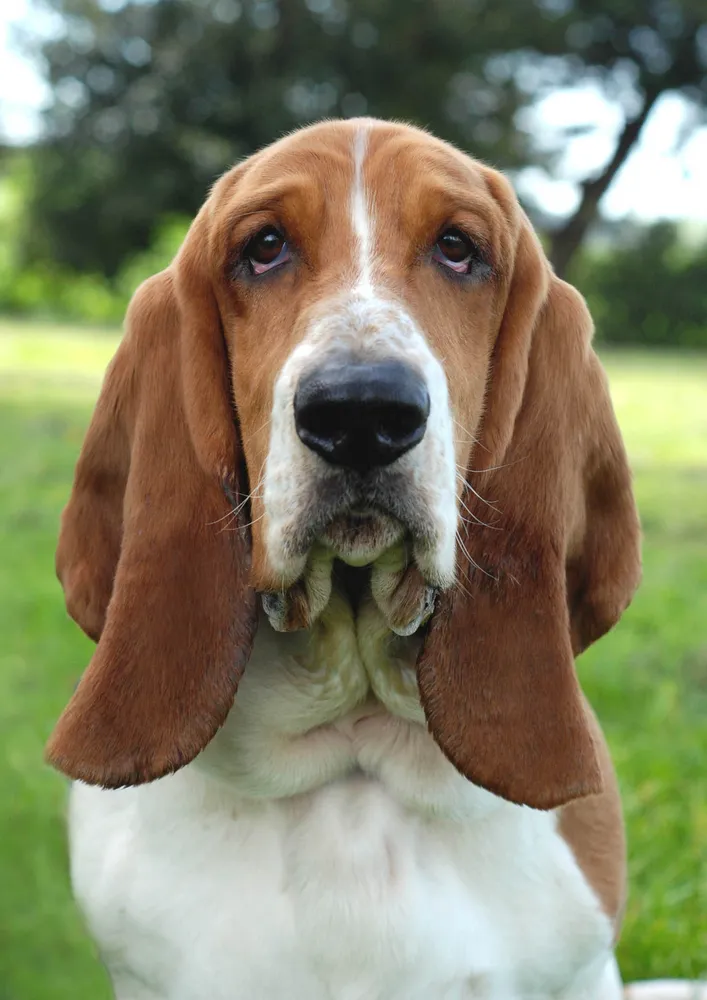
Close up of a tri color Basset Hound with long droopy ears looking up

Basset Hound

Compare

Frequently Asked Questions

Do Icelandic Sheepdogs suffer from separation anxiety?

Icelandic Sheepdogs can develop separation anxiety if left alone for long periods regularly. They thrive on companionship and prefer to be with their family members.

Are Icelandic Sheepdogs good with children of all ages?

Icelandic Sheepdogs are generally good with children of all ages, but supervision is recommended to ensure both the dog and children interact safely and respectfully.

How much should I feed my Icelandic Sheepdog?

The amount of food depends on the dog's age, size, activity level, and metabolism. It's best to follow feeding guidelines provided by your veterinarian or dog food manufacturer based on these factors.

How long do Icelandic Sheepdogs live?

Usually 12–14 years with proper care.
Media & Resources about Dogs

dog refusing food

Why Do Dogs Eat Less in Summer? Causes, Signs & Practical Tips

17 Apr 2026

a happy dog and its owners

Communication Gaps in Pet Co-Parenting: How It Impacts Your Pet’s Health

15 Apr 2026

dog travelling in a train

Don’t Let the Heat Harm Your Pet: Smart Summer Travel Tips

14 Apr 2026

View All