Dog Cloning Costs, Tech and Reality: Tom Brady’s Story Explained
Tom Brady reveals his family cloned their late dog, spotlighting the rising technology, costs and growing acceptance of pet cloning.

4 Min Read
20 Nov, 2025
Social share
Or copy link
https://www.happypet.care/media/news/pet-tech/dog-cloning-costs-technology-tom-brady-story-explained
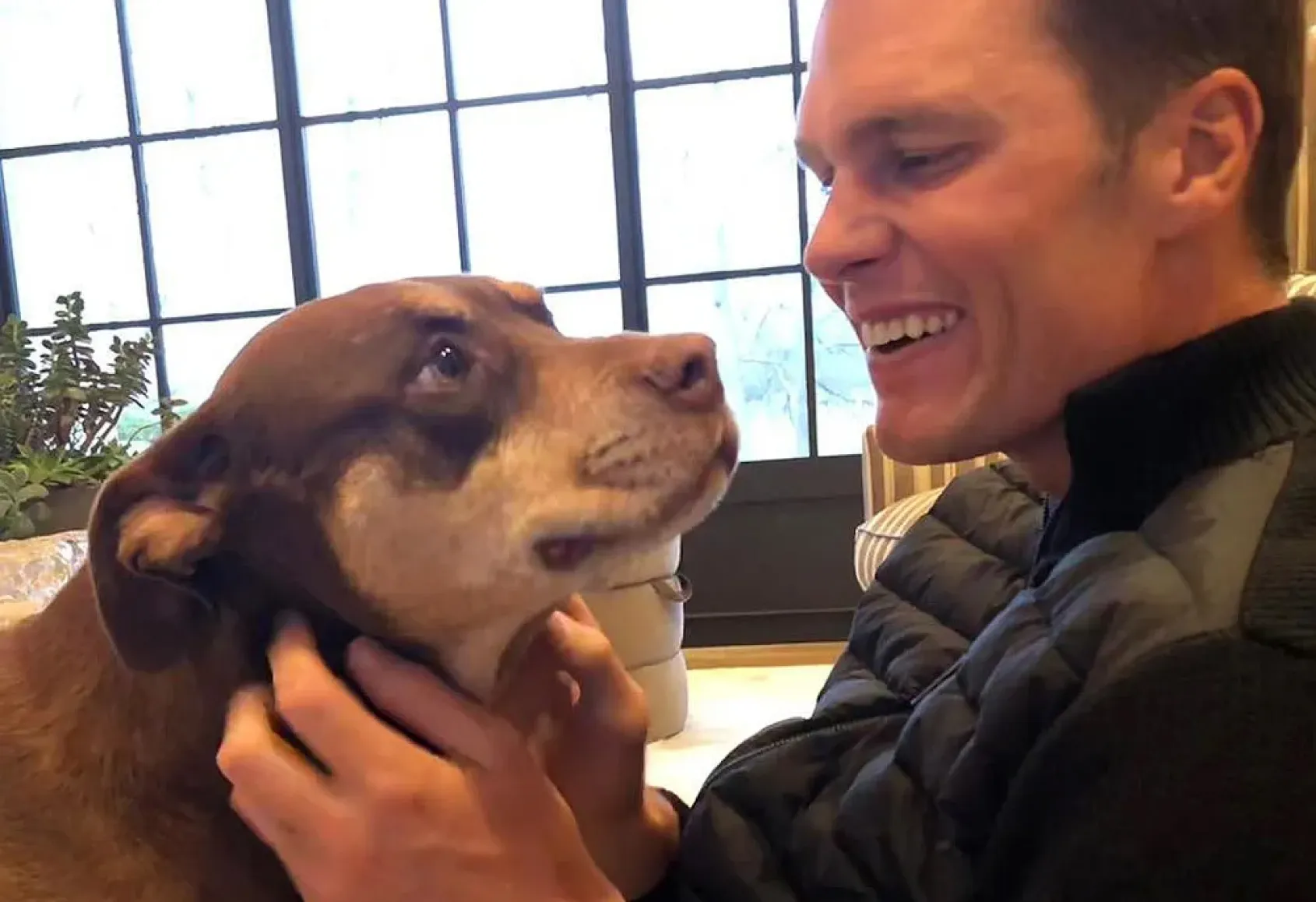
Tom Brady, a former American footballer, has announced that his dog Junie is a clone of his family’s deceased pet Lua. Brady has invested in Colossal Biosciences, an American biotechnology startup. The announcement was made public by the Birmingham City co-owner in a statement issued by Colossal, which also said it had acquired Viagen Pets and Equine, another cloning business. The two companies plan to combine their capabilities to expand cloning services for pet owners and conservation projects.
“I adore my pets. They are really important to me and my family,” Brady said. He explained that he worked with Colossal a few years ago and used their non-invasive cloning method to collect blood from his senior dog before she passed away. According to Brady, the company “gave my family a second chance with a clone of our beloved dog,” and he is “excited how Colossal and Viagen’s tech together can help families losing their beloved pets while helping to save endangered species.”
Viagen, now owned by Colossal has previously cloned pets for famous celebrities like Paris Hilton and Barbra Streisand. The business also holds technology licences from the Roslin Institute in Edinburgh, the group that famously cloned Dolly the Sheep in 1996. Founded in 2021, Colossal has gained attention for its “de-extinction” research, including attempts to revive the dodo bird and the woolly mammoth. Conservation groups have challenged the company’s recent claim that it created three cloned dire wolf pups.
The financial details of Colossal’s acquisition of Viagen were not disclosed. Cloning a dog through Viagen typically costs between $50,000 and $85,000 which is ₹44,26,000 to ₹75,24,000.
In light of critics Brady said that his family views Junie as part of his family and not as a scientific experiment.
written by
Rithani J MAuthor