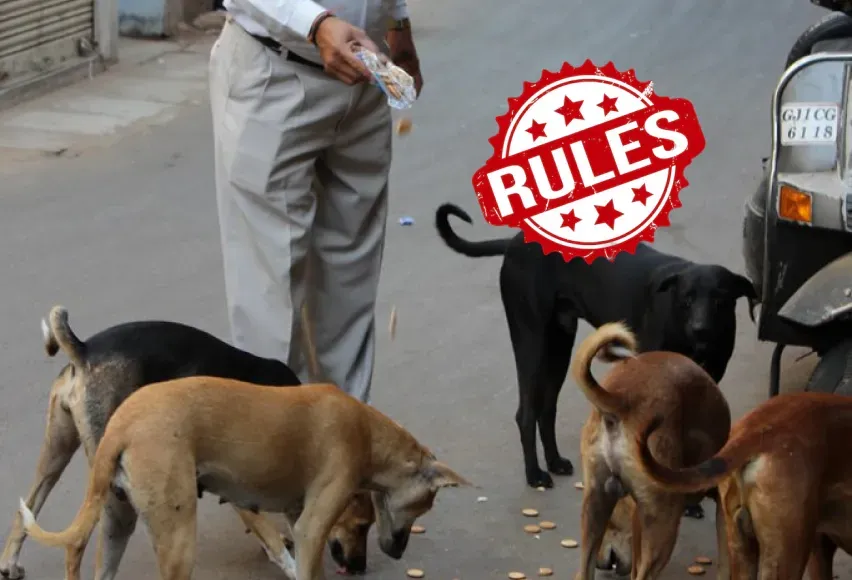
SC Tweaks Stray Dog Order: Releases Back, Feeding Zones In
The Apex Body restores sterilise–vaccinate–release model, adds feeding zones and adoption, but grey areas on ‘aggressive dogs’ spark concern.

5 Min Read
22 Aug, 2025
Social share
Or copy link
https://www.happypet.care/media/news/pet-laws/india-supreme-court-stray-dog-policy-update-2025

Two weeks after sparking outrage with an order that could have sent lakhs of stray dogs into permanent shelters, the Supreme Court has hit pause and taken a softer, more practical route.
The court stated that strays must be caught, sterilised, vaccinated, dewormed, and most importantly, be released back into the same area. That’s a big U-turn from the earlier “no release” diktat, which activists had warned would trigger a silent genocide in overcrowded shelters.
Only dogs that are proven rabid or officially declared aggressive will be kept away from the streets. But here’s the catch: the order doesn’t spell out who decides what counts as “aggressive.”
Feeding Zones, Adoptions, Helplines
In another major shift, the court ordered feeding zones in every municipal ward, complete with signboards. Feeding strays on random street corners will no longer be allowed.
The verdict also green-lights adoption, directs civic bodies to set up helplines for reporting violations, and allows NGOs to pitch in funds to support sterilisation and dog care.
From Delhi to Nationwide Policy
What began as a Delhi-NCR matter now covers the whole country. The Supreme Court has impleaded all States and Union Territories in the country and pulled stray dog cases from High Courts to itself, signalling India may finally get a uniform national stray dog policy. The next hearing is in October 2025, after 8 weeks.
Relief, but Not Without Risks
Animal lovers have welcomed the ruling as scientific and humane, claiming that the ruling puts the focus back on the ABC (Animal Birth Control) Rules 2023. Civic authorities are calling it a balanced solution between safety and compassion.
But the fine print leaves room for worry. Who decides aggression? Could civic bodies misuse that grey area to pick up and cull dogs? And with only one feeding zone per ward, will territorial dogs even make it there, or starve trying? Feeder safety, civic accountability, and transparency of NGO funds also remain unanswered questions.
The Bottom Line
The August 22 verdict is a course correction. A shift from dog prisons to community management. It brings relief to millions of caregivers and opens the door to a long-awaited nationwide policy. But unless there’s strict oversight, the system could still be twisted on the ground. It does not talk about finding ways to stop daily abandonment of dogs which also adds to the stray population.
The next eight weeks will decide if this ruling becomes a humane turning point, or just another missed chance.
written by
Happy Pet TeamAuthor