
India Rolls Out First-Ever Animal Blood Transfusion SOPs
Ensures safe, voluntary, standardized blood donations for companion and livestock animals, backed by state-regulated blood banks & biosafety measures

5 Min Read
27 Aug, 2025
Social share
Or copy link
https://www.happypet.care/media/news/animal-welfare/india-animal-blood-transfusion-sops
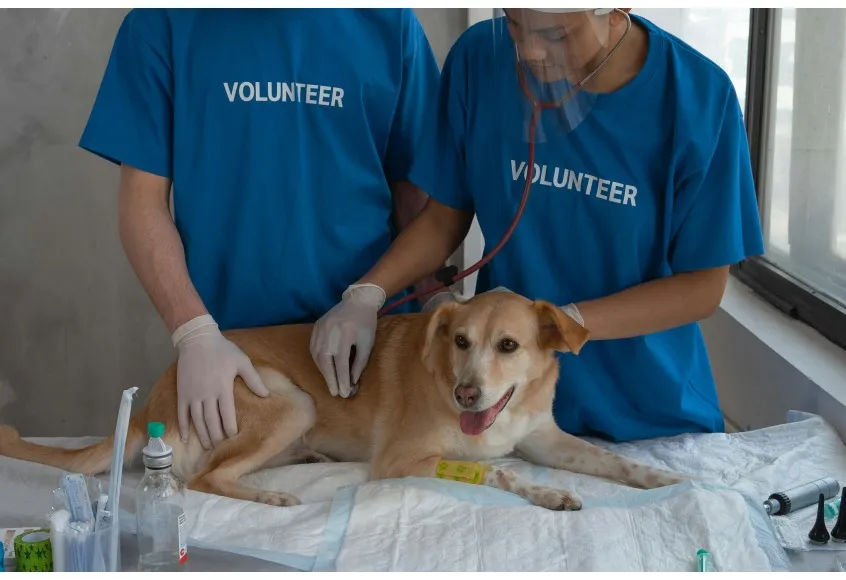
In a major win for animal health in the country, India has issued its first-ever Standard Operating Procedures (SOPs) for animal blood transfusion and blood banking, marking a vital upgrade in veterinary healthcare—especially for dogs, cats, other companion animals and livestock, ensuring safety, ethics, and scientific rigor.
Released by the Department of Animal Husbandry & Dairying under the Ministry of Fisheries, Animal Husbandry and Dairying, these guidelines have set a comprehensive national framework. Blood transfusion is now recognized not just as an emergency fix but as a life-saving procedure for trauma, severe anemia, surgical needs, infections, and coagulation disorders, bringing veterinary care in line with global best practices.
What This Means for Your Pet
Structured and Safe Donation: Pets like dogs and cats are now governed by clear donor standards—covering age, weight, health, vaccination status, and temperament, so donation is safe and humane.
Voluntary, Informed Consent: Donations must be voluntary, with pet owners giving informed, written consent. The Donor Rights Charter ensures transparency and protects your pet from any coercion.
Science-Backed Matchmaking: Mandatory blood typing and cross-matching eliminate compatibility issues, making transfusions safer and more effective.
Post-Transfusion Monitoring: Veterinary professionals are now required to observe pets carefully after transfusion for any signs of adverse reactions—ensuring quick intervention if needed.
Building Infrastructure & Future-Ready Systems
State-Regulated Pet Blood Banks: SOPs call for biosafety-compliant, state-regulated blood bank units in veterinary colleges, hospitals, or diagnostic centres, creating a secure resource for pet transfusion needs.
Innovation and Technology in the Pipeline: The framework encourages the development of digital registries, real-time inventory tracking, emergency helplines, donor-recipient matching apps, and even mobile collection units, bringing convenience and readiness to pet healthcare.
Training the Next-Gen: Veterinary colleges will now conduct specialized transfusion medicine modules, ensuring that future veterinarians are well-versed in these protocols.
Dynamic, Evolving Guidelines: As a non-statutory advisory, these SOPs remain dynamic, subject to updates based on new scientific findings, field experience, and stakeholder feedback, enhancing public confidence in animal care services.
The Impact
India’s livestock and companion animal sectors are among the largest and most diverse in the world, comprising over 537 million livestock and more than 125 million companion animals.
Together, the sector contributes 5.5% to the national GDP and over 30% to agricultural GDP, serving as a cornerstone for food security, rural livelihoods and public health. With advancements in veterinary diagnostics and therapeutics, there is a rising demand for specialized emergency veterinary care, particularly blood transfusion support across species.
The release of these guidelines marks a significant milestone in India’s veterinary healthcare ecosystem strengthening clinical care, saving animal lives, protecting rural livelihoods, and advancing the cause of animal welfare nationwide.
Developed as an advisory and non-statutory framework, the document will remain dynamic, evolving with new scientific evidence, field experiences and stakeholder feedback while ensuring the highest standards of animal welfare, biosafety and public confidence.
written by
Happy Pet TeamAuthor