India’s Pet Landscape in 2025: A Year-End Review
A comprehensive look at policy changes, industry growth, healthcare advances, and pet welfare in India

5 Min Read
27 Dec, 2025
Social share
Or copy link
https://www.happypet.care/media/blogs/health-tech/india-pet-industry-2025-year-in-review-policies-startups-travel-welfare
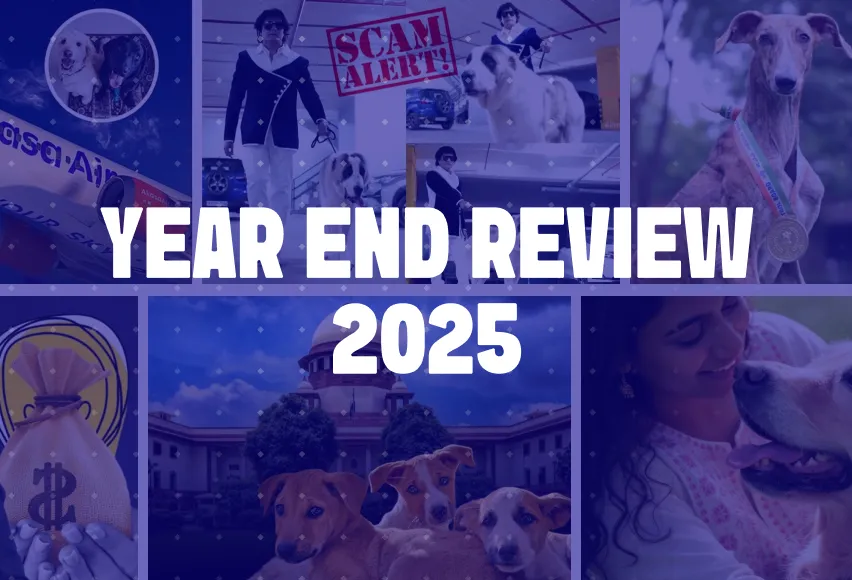
Image source: happy pet
2025 was a defining year for pets in India, with major developments spanning policy, law, healthcare, travel, and culture. From airline rule changes and court orders to startup growth and welfare initiatives, pets became a central part of national conversations. This year-end review captures the moments that shaped how India cares for, travels with, and talks about pets in 2025.
Supreme Court Orders on Street Dogs Spark Legal and Public Debate
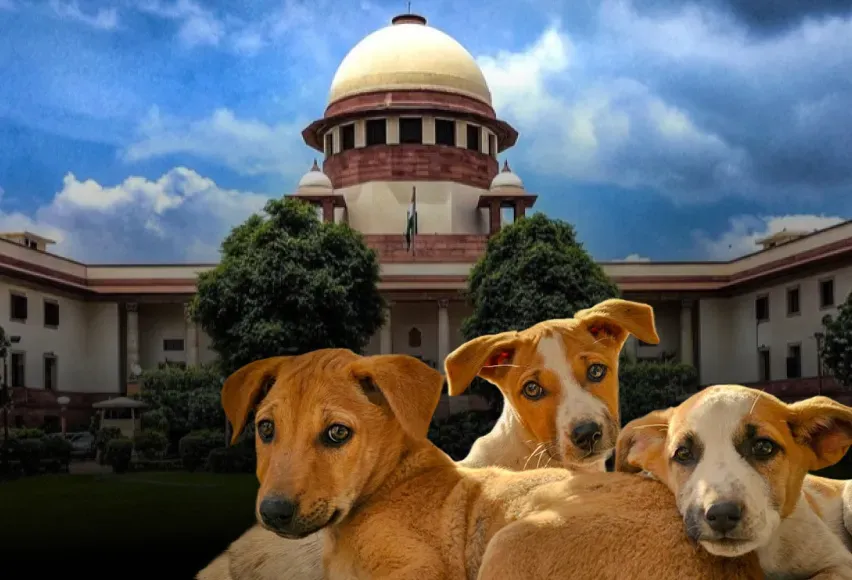
The Supreme Court ordered the capture of stray dogs in Delhi NCR, directing their sterilisation, vaccination, and permanent sheltering, a move that conflicted with the Animal Birth Control (ABC) Rules and strained already limited shelter capacity. The directive sparked widespread debate, highlighting tensions between animal welfare concerns and public safety.
While courts allowed the feeding of community dogs under responsible conditions, the lack of designated feeding spaces and weak enforcement led to continued conflicts in residential areas, exposing gaps in policy implementation.
Flying With Pets Gets Easier
This year marked a shift in Indian aviation, with airlines adopting more pet-friendly policies to improve the flying experience for pets and their families. Air India revised its policy to allow pets up to 10 kg in the cabin, introduced clearer guidelines for pets travelling as checked baggage or cargo, and mandated soft carriers, advance bookings, and original documentation at check-in.
Akasa Air adopted a more flexible approach, permitting two pets in the cabin within the same 10 kg limit, reducing the booking window to 24 hours, extending health certificate validity to 15 days, and offering pet parents added conveniences such as early boarding and preferred seating. Together, these changes reflect a broader move toward making air travel more pet-friendly across Indian airlines. Together, these updates signal a clear move toward a more inclusive, pet-friendly aviation landscape in India.
Pet Registration Becomes Mandatory in Major Indian Cities

In 2025, Indian cities tightened pet registration and licensing norms to promote safety and responsible ownership. Mumbai mandated dog registration, vaccination, and leashing, allowed pets in lifts and common areas, and restricted minors under 18 from handling dogs outdoors. Lucknow introduced an online licensing system with digital records and defined fees, while Chennai reinforced registration, leash use, and responsible cleanup, reflecting a broader urban push to balance pet welfare with public safety.
Pet Startup Ecosystem & Industry Highlights
India’s pet startup ecosystem continued to gain momentum, driven by funding, expansion, and rising consumer demand. Home-grooming startup BhaoBhao raised $200,000 to expand beyond Mumbai, while Vetic secured $26 million to scale tech-enabled veterinary clinics across Tier-1 and Tier-2 cities.
Goofy Tails strengthened its D2C presence with $1 million from Wipro Consumer Care Ventures, as Drools entered the unicorn club following a strategic investment from Nestlé. Large FMCG players also deepened their presence, with Reliance launching Waggies, Allana Pet Solutions scaling Bowlers nationally, and Wipro-backed HappyFur gaining traction. Alongside growth, brands like Muttley Crew reinforced community engagement through welfare-led initiatives
BSF Deploys Indian Dog Breeds After PM Modi’s Mann Ki Baat

After Prime Minister Narendra Modi asked people to support local breeds in Mann ki Baat, the BSF started using Indian dog breeds like the Mudhol and Rampur Hound in its operations. The force has trained nearly 150 desi dogs, including Mudhol Hound Riya, a national gold medal winner in tracking, who has been highlighted as a top performer. Videos released by the BSF show these dogs matching foreign breeds in agility and stamina. The move aims to boost self-reliance, cut costs, and strengthen India’s own K9 capabilities, receiving widespread positive public feedback.
India’s First Animal Blood Transfusion SOPs
The government has released national guidelines for safe animal blood donation and transfusion. They include donor standards, mandatory cross-matching, informed consent, post-transfusion monitoring, and plans for state-regulated pet blood banks and digital registries.
Noteworthy Animal Welfare Initiatives
Indian cities increased focus on street animal welfare through large-scale initiatives. Mars Petcare India and Swiggy Instamart launched Paw Protecc, installing around 150 weather-proof shelters across Delhi, Mumbai, and Bengaluru, along with a pledge of 20,000 meals for community animals.
In Bengaluru, BBMP approved a ₹2.88 crore programme to feed 4,000 stray dogs in high-risk zones. While supporters viewed it as a humane step, the initiative also sparked debate around cost, execution, and transparency.
Satish Cadabom’s “100 Crore Dog” Claim Sparks Viral Buzz

Sensational claims about extremely high-value dogs gained viral traction on social media, with public figure Satish Cadabom making headlines for describing certain dogs as being worth ₹100 crore. Similar claims involving so-called “50-crore” and “100-crore” dogs were widely amplified by online platforms and media outlets, often without verification.
The trend highlighted how exaggerated narratives around dog breeding and valuation can quickly capture public attention, contributing to misinformation in the pet space. These viral moments served as a reminder of the growing need for responsible reporting and greater public awareness when consuming pet-related content online.
Key Global Innovations in Pet Science and Care
Research into canine longevity gained attention, with treatments like Rapamycin and Loyal’s LOY-002 showing potential to extend healthy lifespan in older dogs. LOY-002 cleared a key FDA scientific milestone, moving it closer to conditional approval by 2026.
Pet cloning also drew global interest after Tom Brady revealed that his dog was cloned from his late pet through Colossal Biosciences, which recently acquired cloning firm Viagen. The technology uses preserved DNA but remains expensive, with costs ranging from $50,000 to $85,000 (₹44–75 lakh).
Conclusion
Taken together, 2025 highlighted both progress and growing pains in India’s evolving relationship with pets. While advancements in policy, healthcare, startups, and welfare signal a more mature ecosystem, ongoing legal ambiguity, implementation challenges, and misinformation continue to spark debate. What is clear is that pets are no longer a niche concern but a mainstream social, economic, and policy issue. As India moves into 2026, the conversations and changes set in motion this year will play a critical role in shaping a more informed, humane, and pet-inclusive future.
written by
Happy Pet TeamAuthor