Why Do Dogs Eat Less in Summer? Causes, Signs & Practical Tips
A simple guide to how summer heat affects your dog’s appetite and how to keep them nourished.

4 Min Read
17 Apr, 2026
Social share
Or copy link
https://www.happypet.care/media/blogs/parenting/why-do-dogs-eat-less-in-summer-causes-signs-tips
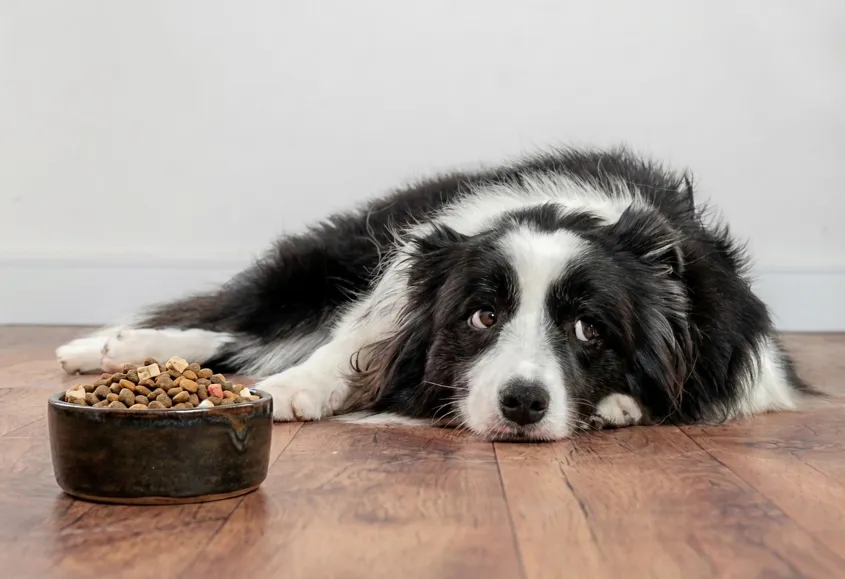
As temperatures rise, you might notice your dog showing less interest in their food bowl. While this can feel worrying, a slight dip in appetite during summer is often completely normal. Understanding why it happens and how to manage it can help you keep your dog healthy and comfortable through the hotter months.
Why Appetite Drops in Hot Weather
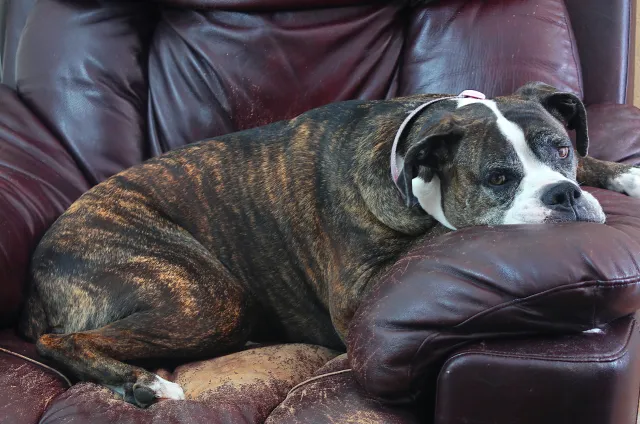
Lower Activity Levels
When it’s hot outside, most dogs naturally slow down. Instead of running, playing, or going on long walks, they prefer resting in cool, shaded spots.
Since they’re burning less energy, their calorie requirements drop and may not feel as hungry as usual.
Seasonal Body Changes
Longer daylight hours and rising temperatures can quietly affect your dog’s metabolism. Their body may process food more slowly, which can lead to reduced hunger and smaller meal portions.
Heat Discomfort
Eating generates body heat during digestion. When your dog is already feeling warm, they may avoid food simply to stay comfortable.
In some cases, they’re using most of their energy just to cool down, which can reduce their interest in food.
Signs Your Dog Is Eating Less
Keep an eye on your dog’s behavior during summer. Common signs of reduced appetite include:
- Ignoring meals or treats
- Leaving food unfinished
- Low energy levels
- Noticeable weight loss
While mild changes are normal, consult a vet if your dog refuses to eat entirely or shows ongoing lethargy, this could indicate underlying health issues like infections or dental problems.
Should You Change Your Dog’s Diet?
Not necessarily. If your dog is already eating a complete and balanced diet, there’s no need for a major change.
However, if they’re leaving food behind, you can:
- Cut down on treats during the day
- Offer lighter protein options like chicken or turkey
- Slightly reduce portion sizes based on activity levels
Cooling Foods & Treat Ideas
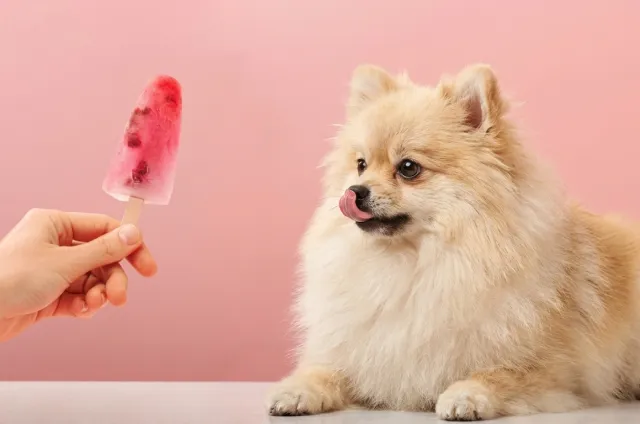
Helping your dog stay cool and hydrated can also improve their appetite.
You can start by offering frozen treats like plain yogurt, mashed banana, or peanut butter in a lick mat or stuffed into a toy and frozen. These not only provide relief from the heat but also keep your dog mentally engaged while helping regulate body temperature.
Including hydrating foods in their diet is another simple way to support them. Fruits and vegetables with high water content such as:
- Watermelon (seedless)
- Cucumber
- Strawberries or blueberries
These can be offered as refreshing, low-calorie snacks when served in small, safe portions.
If your dog is eating less at regular mealtimes, it’s good to cut down on heavy or high-fat treats. Instead, opt for lighter, healthier alternatives like carrots or green beans. Just keep in mind that treats should only make up about 10% of your dog’s daily food intake.
Best Time to Feed Your Dog
Dogs tend to eat better when temperatures are lower, so adjusting their meal times can help. Try feeding them in the early morning or later in the evening, when it’s cooler. This small change can significantly improve their appetite.
Tips to help your dog eat in Summer
If your dog seems uninterested in food, try these practical tips:
Create a Cool Feeding Spot
Feed them in a shaded, quiet area indoors or outdoors. Avoid leaving food out too long in the heat.
Add Variety
Switch up flavors or textures occasionally. You can also add:
- Bone broth
- Fresh fruits (like blueberries, strawberries) to make meals more appealing.
Keep Water Accessible
Hydration is key. Make sure your dog always has access to fresh, cool water.
Placing multiple bowls around the house or adding a few ice cubes, can encourage them to drink more.
Conclusion
So if you’ve noticed your dog’s appetite change in the summer, don’t panic. It is often your dog’s natural way of adapting to the heat. With a few small adjustments you can help them stay happy and healthy all season long. If the appetite drop seems extreme or something feels off, it’s always best to check with your vet.
written by
Shyama C PrabhuAuthor