Home
/
Dog Breeds
/
Transylvanian Hound
Transylvanian Hound
Origin
Hungary
Size
Medium Breed
Ideal Space
House with backyard
Ideal Weather
10º-25ºC
Life Expectancy
10-14 years
Cost of buying
₹ 30,000 - ₹ 50,000
Top 5 Traits
Energetic
Fearless
Intelligent
Loyal
Protective
Avg Monthly Expenses
₹ 3,550 - ₹ 5,400

by Happy Pet TeamUpdated on 21 Aug 2025
Introduction to the Transylvanian Hound
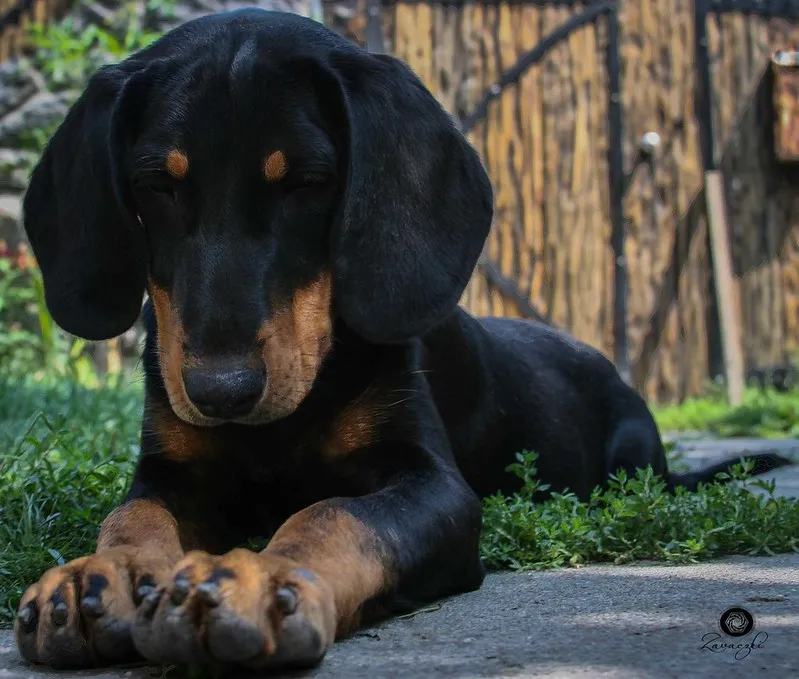
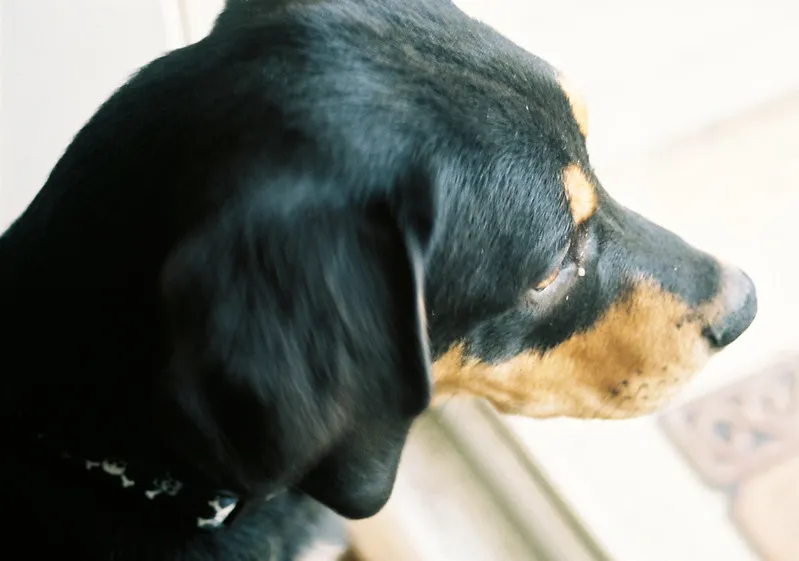
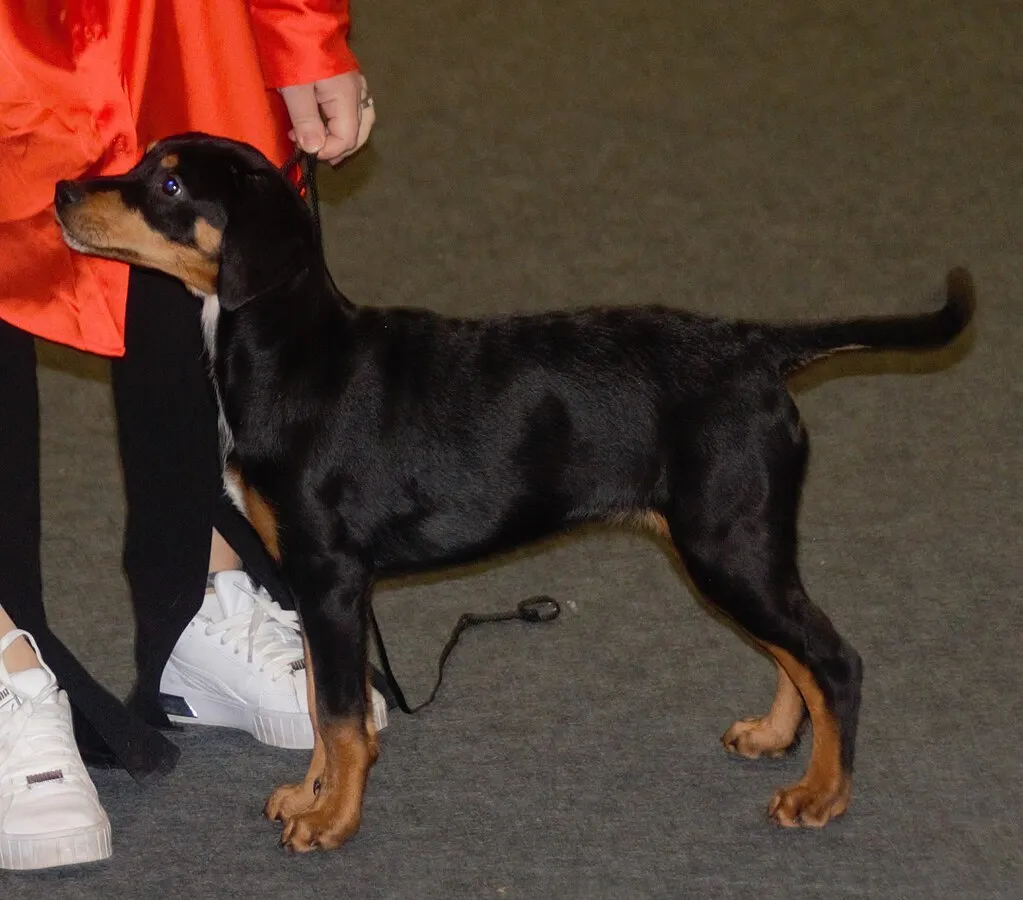
The Transylvanian Hound (Hungarian: Erdelyi Kopo) is among the oldest breeds of scent hounds in Europe. Developed more than 1,000 years ago in the historic land of Transylvania (current day Romania), it was initially created by the Magyar tribes.
Characteristics
Barking
Quiet
Loud
Temperament with Kids
Aggressive
Friendly
Playfulness
Silent
Very Playful
Friendliness
Not Friendly
Super Friendly
Compatibility with other dogs
Aggressive
Friendly
Need for attention
Independent
Very Needy
Monthly Expenses


Transylvanian Hound’s Price Guide
Cost of buying
₹ 30,000 - ₹ 50,000
The price of a Transylvanian Hound in India can be somewhere between Rs. 30,000 to Rs. 50,000.
Prerequisites to pet a Transylvanian Hound
Access to Groomer
Access to Veterinary
Appropriate Climate
Lifestyle Compatibility
Financial Capability
Shop or Adopt a Transylvanian Hound: Make the Right Choice!
Transylvanian Hounds are charming, affectionate and devoted companions, distinguished by their unique appearance. When you adopt a Transylvanian Hound, you provide a loving home to a dog in need and bring a devoted friend into your life. Adoption helps support animal welfare and deters unethical breeding practices.
Nutrition Care for the Transylvanian Hound
Monthly Food Expenses
₹ 2,250 - ₹ 3,000
Calories per day
Puppies: 1600 kcal
Adults: 1400 kcal
Essential Nutrients
Protein
Fats
Carbohydrates
Vitamins
Minerals
Fibre
Omega3
List of foods
Chicken
Dry Dog Food
Fresh Meat
Fresh Fish
Fruits
Mutton
Home made meals
Vegetables
- Transylvanian Hounds need a balanced diet to support their size and coat.
- Include protein, healthy fats, carbs, vitamins, and minerals for strength and coat health.
- Avoid low-quality food to prevent deficiencies and weight gain.
- Adjust feeding based on age and activity level.
- Mix dry food with lean meats and vegetables for balanced nutrition.
Breakdown of Macro-nutrients
Best Foods for Transylvanian Hounds
Some top-rated options include:
Foods to Avoid for Transylvanian Hounds
Avoid anything with these ingredients
Alcohol
Almonds
Avocados
Cherries
Cinnamon
Coffee / Tea
Dairy
Fruit seeds
Garlic
Grapes
Lemon
Milk Products
Mushrooms
Onions
Salt
Sugar
Avoid these to keep your dog healthy:


Healthcare for the Transylvanian Hound
Avg Monthly Expenses
₹ 600 - ₹ 1,200
Common Health Issues
Bloat
Canine distemper
Heartworm
Hip Dysplasia
Lyme disease
Parasites
Parvovirus
Rabies
Well being
Exercise
Agility Training
Bonding
Games
Socialization
Hiking
Energy Level
High
Exercise routine
60 - 90 minutes
Recognising Stress
Changes in appetite
Excessive Barking
Pacing
Excessive Panting
Reluctance to move
Increased laziness
Decreased play
Common Health Problems of Transylvanian Hounds
Transylvanian Hounds are healthy overall, having a few risks, like other large dogs do.
Vaccination details
Growth Stage
Core Vaccines
6-8 Weeks
Distemper, Parvovirus
10-12 Weeks
DHPP (Distemper, Hepatitis, Parainfluenza, Parvovirus)
12-16 Weeks
DHPP, Rabies
Annually
DHPP, Rabies
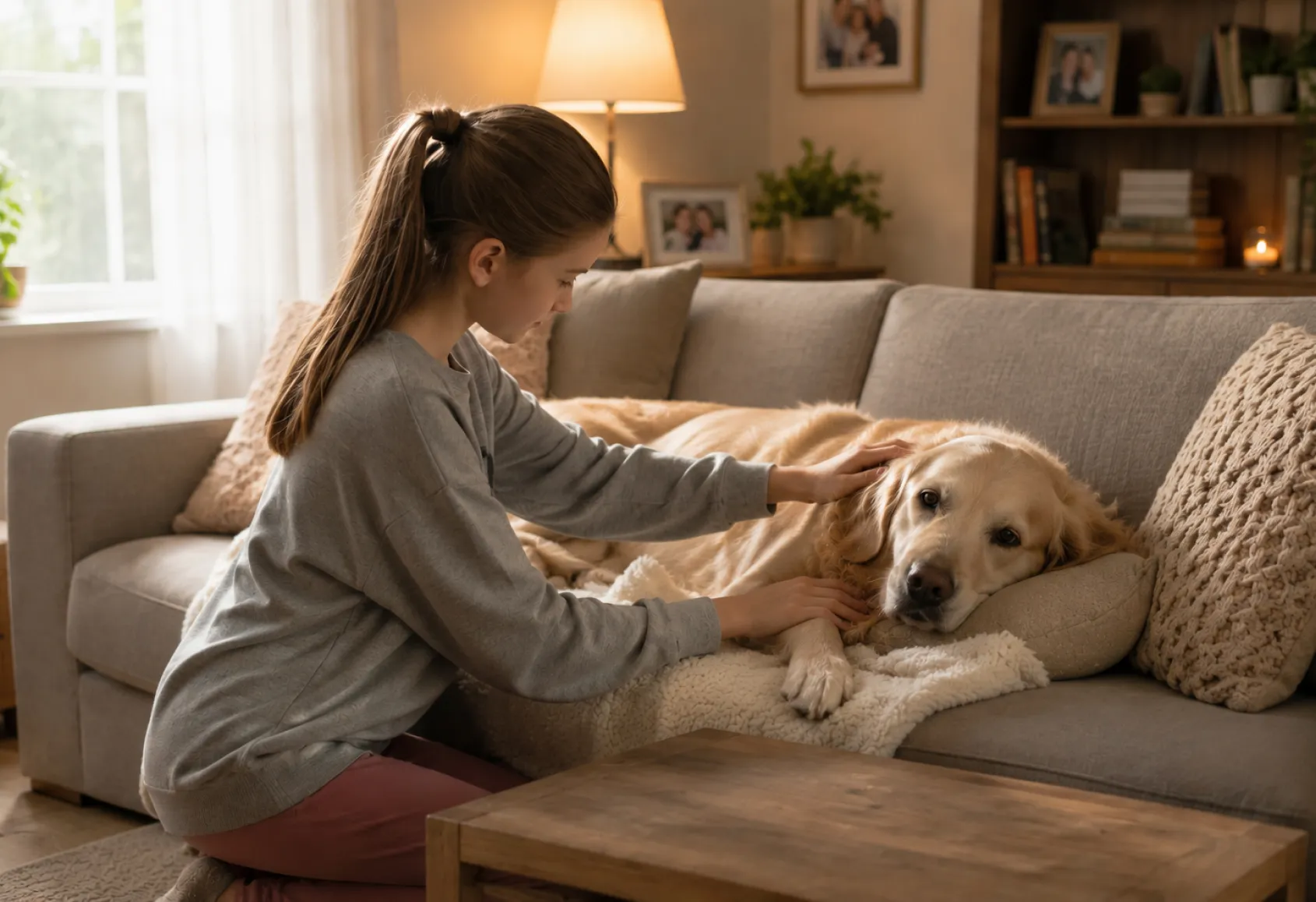
Senior Transylvanian Hound Care
As your dog ages, help them stay comfortable with:
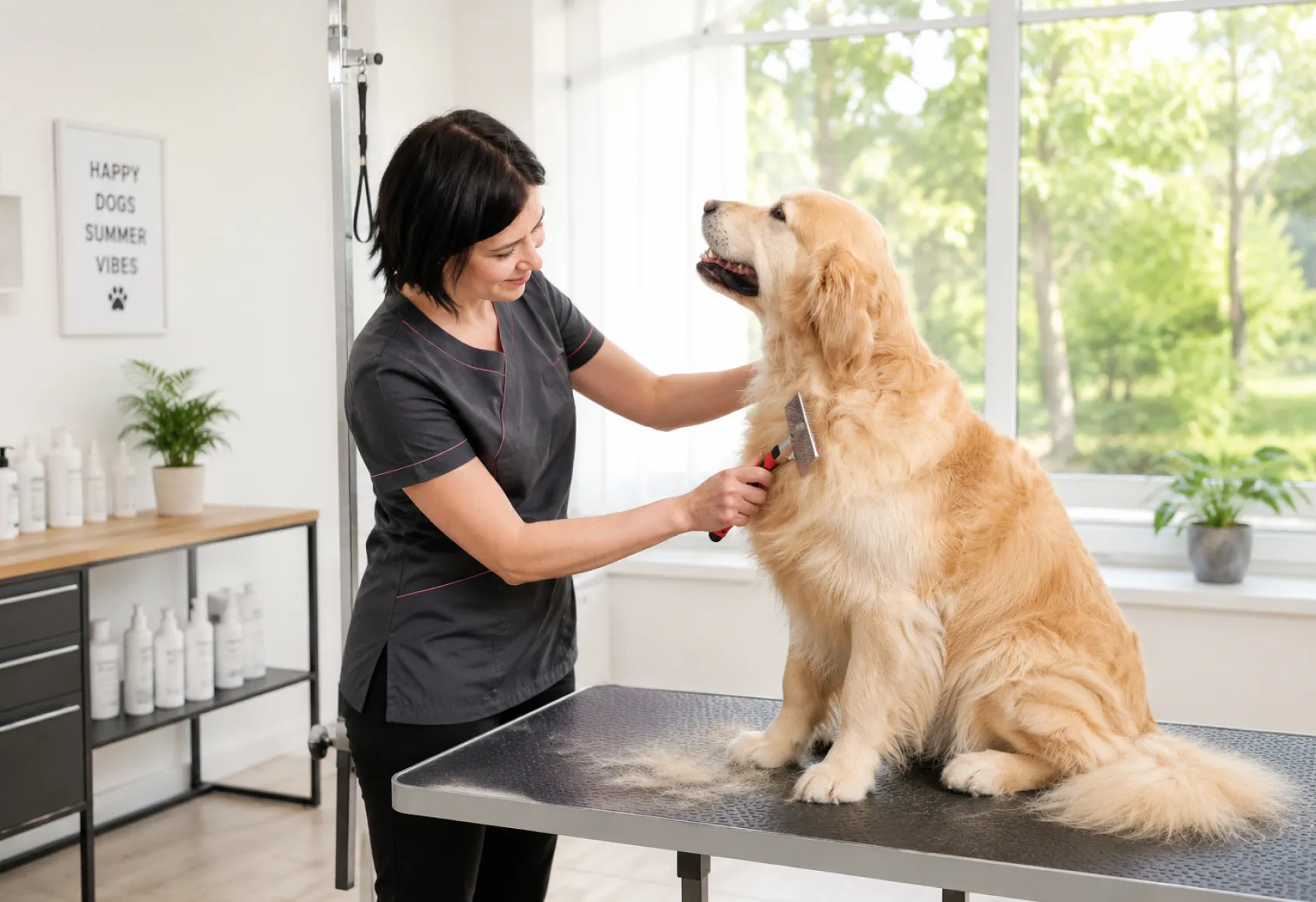
Transylvanian Hound Grooming Routine
Avg Monthly Expenses
₹ 700 - ₹ 1,200
Shedding Level
Moderate Shedding
Hygienic Checklist
Bathing
Brushing
Ear Cleaning
Nail Trimming
Eye Care
Teeth Care
Benefits of Grooming
Cleanliness
Low Shedding
Odourless
Quality of life
Prevents infections
Prevents Bad Breath
This breed is low-maintenance:


Written by
Happy Pet TeamAuthor
Team Happy Pet is a passionate collective of pet experts, enthusiasts, and advocates dedicated to sharing trusted and insightful content.
Our cont
Compare with similar breeds
Frequently Asked Questions
Are Transylvanian Hounds good with kids?
Yes, at an early age of socialization. They are faithful, sweet and guarding.
Do they shed a lot?
They are moderate shedders. Loose hair can be controlled by brushing once a week.
Are they good for apartments?
Not ideal. They require big yards or proactive owners to spend time outdoors.
Are they easy to train?
They are intelligent and selfless. Training requires discipline and tolerance.