Home
/
Dog Breeds
/
Spanish Mastiff
Spanish Mastiff
Origin
Spain
Size
Giant Breed
Ideal Space
House with backyard
Ideal Weather
10º-25ºC
Life Expectancy
10-12 years
Cost of buying
₹ 30,000 - ₹ 1,00,000
Top 5 Traits
Loyal
Fearless
Protective
Intelligent
Lazy
Avg Monthly Expenses
₹ 4,900 - ₹ 7,650

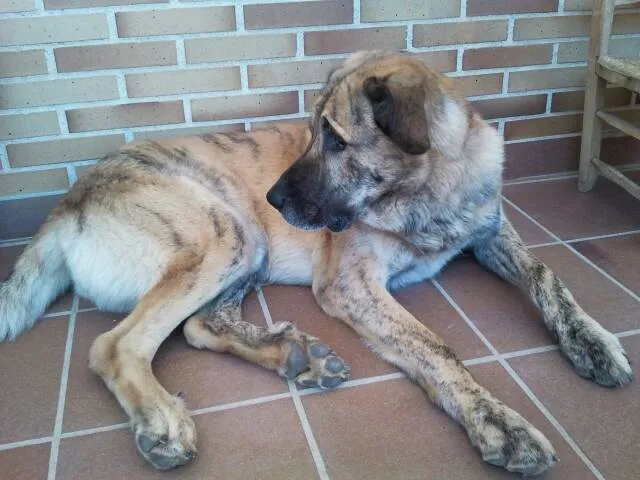
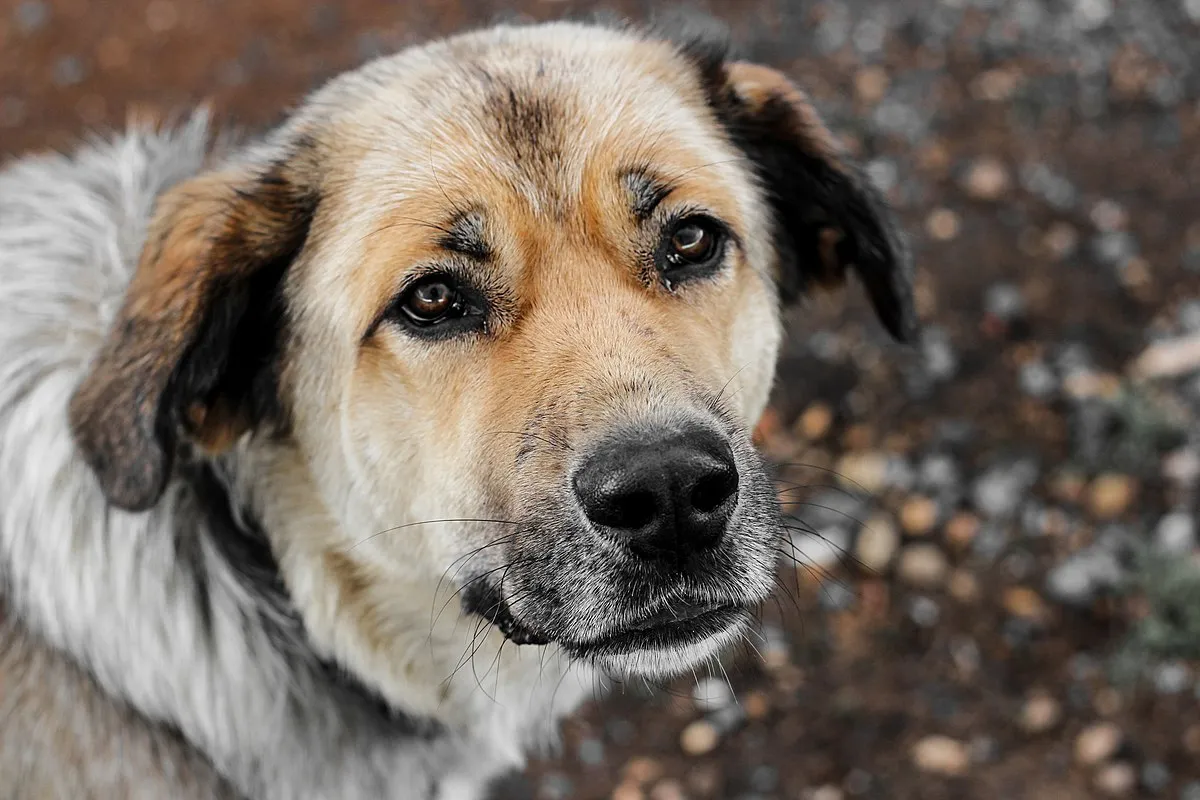
Introduction to the Spanish Mastiff
The Spanish Mastiff (Mastín Español) is one of the oldest, as well as the most impressive, breeds of Spanish dogs. This gigantic, gentle dog was originally bred to protect livestock against predators such as wolves and has a strong and large frame with a calm and protective personality.
They have had a history of more than 2,000 years, particularly in the mountainous areas of the Iberian Peninsula. The breed has a rich background in Spanish pastoral tradition and has a reputation of guarding routes, especially during sheep migrations.
Spanish Mastiffs are very loyal and affectionate with their families despite their intimidating look.
How Long Do Spanish Mastiffs Live?
Spanish Mastiffs have a life span of 12-15 years with proper care.
Spanish Mastiff Temperament and Personality
- Spanish Mastiffs are quiet, brave and faithful canines.
- They are protective in nature and hence become great watchdogs.
- They are friendly to family members, particularly children, even though they are big.
- Not too playful, they value companionship and close family relationships.
- They are shy and reserved and bark when there is a need.
Spanish Mastiff Exercise Needs
They are not overly energetic but need daily movement to stay healthy.
- 30–60 minutes of moderate exercise per day
- Gentle walks, fenced yard exploration, and mental stimulation
- Avoid strenuous activity in puppyhood to protect growing joints
Characteristics
Barking
Quiet
Loud
Temperament with Kids
Aggressive
Friendly
Playfulness
Silent
Very Playful
Friendliness
Not Friendly
Super Friendly
Compatibility with other dogs
Aggressive
Friendly
Need for attention
Independent
Very Needy
Monthly Expenses


Adopt or Shop: The choice is yours!
Cost of buying
₹ 30,000 - ₹ 1,00,000
Buying or adopting are the two main possibilities if you're thinking about getting a Spanish Mastiff for your house.
Buying: Selecting a reliable breeder is crucial when purchasing a pet. Make sure the breeder gives the dogs the care they need and adheres to moral breeding procedures.
To confirm the dog's health and pedigree, request health certificates and lineage documentation.
Cost of a Spanish Mastiff depends on a number of variables including ancestry, potential for show quality, and breeder reputation.
Adopting: Offering a needy pet a loving home through adoption is a fantastic choice. See if any breed-specific rescues, local animal shelters, or rescue organizations have a Spanish Mastiff up for adoption.
Vaccinations, spaying/neutering, and initial medical care are usually included in adoption fees. These charges differ, but they are typically less than what it would cost to purchase from a breeder.
Prerequisites to pet a Spanish Mastiff
Access to Veterinary
Appropriate Climate
Lifestyle Compatibility
Financial Capability
Space and Environment
Now that you know what it takes to raise a Spanish Mastiff, are you ready to take the next step to pet one?
Research: Do a thorough review of the traits, requirements, and possible health problems of the breed. Ensure that the Spanish Mastiff breed is a good fit for your lifestyle.
Find Reputable Sources: When purchasing from breeders, look out for trustworthy breeders who have an emphasis on the temperament and well-being of the dogs. If you're thinking about adopting, check out the local rescue or animal shelters.
Visit the Breeder/Adoption Center: Make plans to meet the dogs or pups by scheduling a visit to the breeder or adoption center. Inquire about their health, immunization history, and socializing while keeping an eye on their living conditions.
Ask for documentation: Ask the breeder for vaccination records, health certificates, and any other relevant paperwork. If the dog is being adopted, find out about its past, present health, and behavior.
Prepare your home: Create a safe and comfortable space for your dog. Prepare your house for a puppy if you're adopting a young dog. Ensure you have the necessary supplies, including food, bowls, a bed, and grooming tools.
Nutrition Care for the Spanish Mastiff
Monthly Food Expenses
₹ 3,000 - ₹ 4,500
Calories per day
Puppies: 2250 kcal
Adults: 2750 kcal
Essential Nutrients
Protein
Fats
Carbohydrates
Minerals
Vitamins
Fibre
List of foods
Dry Dog Food
Fresh Meat
Vegetables
Home made meals
Chicken
Fresh Fish
- Spanish Mastiffs need a balanced diet to support their size and coat.
- Include protein, healthy fats, carbs, vitamins, and minerals for strength and coat health.
- Avoid low-quality food to prevent deficiencies and weight gain.
- Adjust feeding based on age and activity level.
- Mix dry food with lean meats and vegetables for balanced nutrition.
Feeding Guidelines for Spanish Mastiffs
Puppies (2–18 months): Feed them 3 to 4 meals a day. Keep an eye on their weight to avoid rapid body growth that puts pressurize on joints.
Adults (18 months–7 years): Go for 2 to 3 meals a day to minimise bloating risk. Provide around 6 to 10 cups of dry food daily. Adjust portions depending on their body weight and activity level.
Seniors (7+ years): Pick senior specific food with added joint support. Adjust portion levels as per their activity level and keep an eye on their weight.
Breakdown of Macro-nutrients
Best Foods for Spanish Mastiffs
- Royal Canin Giant Adult. Helps the bones and joints in extra-large breeds.
- Orijen Large Breed Puppy (for growing pups). High protein and grain free to help with healthy growth.
- Blue Buffalo Large Breed Adult. Moderated food intake and glucosamine joint supplements.
- Wellness CORE Large Breed Formula. High protein with vitamins to boost muscles and mobility.
- Fresh raw or cooked meat-based diets (under vet supervision). Provides natural nutrients that are well balanced and safe.
Foods to Avoid for Spanish Mastiffs
Avoid anything with these ingredients
Alcohol
Avocados
Cherries
Cinnamon
Coffee / Tea
Dairy
Fruit seeds
Garlic
Grapes
Lemon
Milk Products
Mushrooms
Onions
Salt
Sugar
- Chocolate- It contains theobromine, which is toxic and may cause seizures or death.
- Onions and garlic- Harm the red blood cells, and this can cause anaemia.
- Alcohol- may trigger poisoning. Damages the nervous system and may cause coma or death.
- Xylitol (found in sugar-free items)- Stimulates spikes in insulin levels and may result in liver failure.


Healthcare for the Spanish Mastiff
Avg Monthly Expenses
₹ 1,200 - ₹ 1,950
Common Health Issues
Bloat
Hip Dysplasia
Parasites
Panosteitis
Heartworm
Canine distemper
Leptospirosis
Parvovirus
Well being
Exercise
Bonding
Games
Socialization
Hiking
Energy Level
Medium
Exercise routine
30 - 60 minutes
Recognising Stress
Changes in appetite
Excessive Panting
Reluctance to move
Excessive Barking
Pacing
Increased laziness
Common Health Problems of Spanish Mastiffs
- Hip and elbow dysplasia. Wrong joint formation is causing pain and restricted mobility.
- Bloat (gastric torsion). Stomach twisting is a life-threatening emergency; therefore, it requires emergency care.
- Heart issues. Certain large breeds are susceptible to dilated cardiomyopathy and cardiovascular challenges.
- Arthritis and joint degeneration. Normal with age, particularly with heavy and large breeds.
- Eye issues like entropion and ectropion. Produce irritation or infection as a result of the abnormal position of the eyelids.
General Healthcare Tips for Spanish Mastiffs
- Regular vet check ups. Avert early detection of joint or heart problems in large breeds.
- Early Age Joint Support. Supplements such as glucosamine maintain healthy hips and elbows.
- Maintaining weight in order to avoid stressing the joints. Makes big dogs nimble and prevents arthritis.
- Avoid hard exercise when young. Prevents permanent harm of developing joints.
- Raised feeding bowls to minimise the chances of bloat. Aids in digestion and stops air swallowing.
Vaccination details
Growth Stage
Core Vaccines
6-8 Weeks
Distemper, Parvovirus, Hepatitis, Parainfluenza
10-12 Weeks
Distemper, Parvovirus, Hepatitis, Parainfluenza
14-16
Rabies
16-18
Booster Shots
Senior Spanish Mastiff Care
- Offer soft bedding and eliminate stairs. This minimised joint pressure and provided easier movement to older-aged canines.
- Feed the senior food that is easy to digest. Aids digestion and supplies older bodies with the correct nutrients.
- Provide low impact exercise, such as short walks or swimming. Tones the muscles and does not strain the joints.
- Pay a visit to the veterinarian once every six months. Assists in the early diagnosis of age related conditions.
- Place rugs on slippery floors. It prevents falls and assists in secure walking inside.
Spanish Mastiff Grooming Routine
Avg Monthly Expenses
₹ 700 - ₹ 1,200
Shedding Level
Moderate Shedding
Hygienic Checklist
Bathing
Brushing
Ear Cleaning
Nail Trimming
Eye Care
Teeth Care
Benefits of Grooming
Cleanliness
Low Shedding
Odourless
Prevents infections
Quality of life
Prevents Bad Breath
Spanish Mastiffs require low-to-moderate grooming.
Brushing: Once or twice a week. Daily during shedding seasons
Bathing: Every 2–3 months using mild dog shampoo.
Nail Trimming: Trim their nails every 3–4 weeks
Ear Cleaning: Weekly to prevent infections






Frequently Asked Questions
1. Are Spanish Mastiffs aggressive?
No, they are inherently peaceful and caring. They are territorial and hardly aggressive without cause.
3. Can they live in apartments?
No. As they are a big breed, they do best in homes with big yards or rural areas.
2. Do they bark a lot?
They bark only when needed. Their bark is intimidating but not at all excessive.
4. Are they easy to train?
They are intelligent and independent thinkers, which makes them a little stubborn. It’s best to use positive reinforcement.