Home
/
Dog Breeds
/
South Russian Shepherd Dog
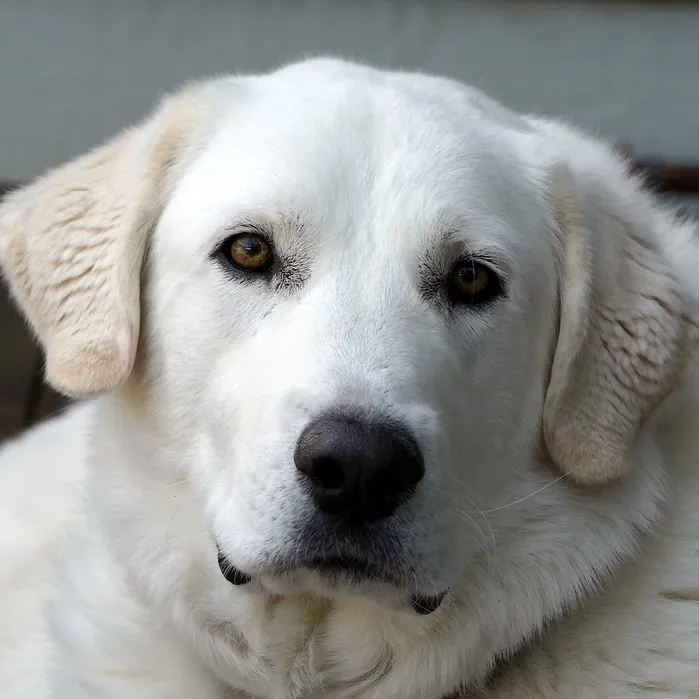
South Russian Shepherd Dog
Origin
Russia
Size
Giant Breed
Ideal Space
House with backyard
Ideal Weather
-15º-25ºC
Life Expectancy
10-12 years
Cost of buying
₹ 30,000 - ₹ 1,00,000
Top 5 Traits
Protective
Intelligent
Loyal
Energetic
Disciplined
Avg Monthly Expenses
₹ 5,700 - ₹ 8,550

by Happy Pet TeamUpdated on 18 Aug 2025
Introduction to the South Russian Shepherd Dog
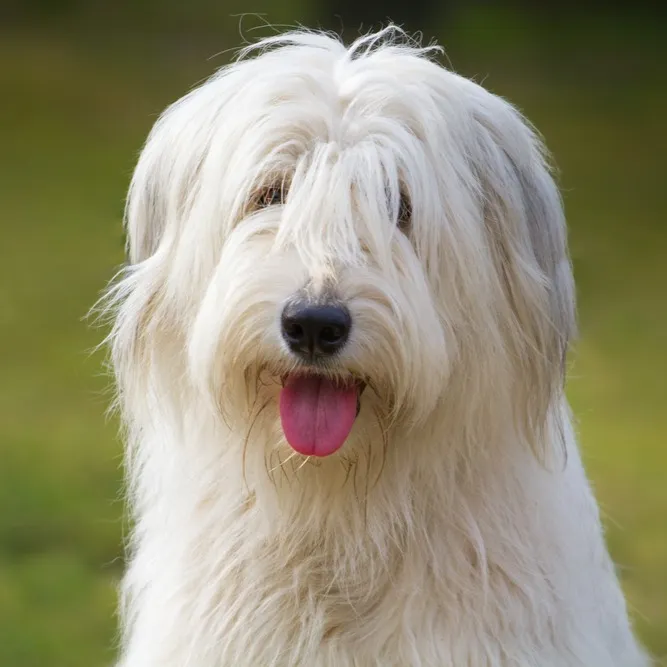
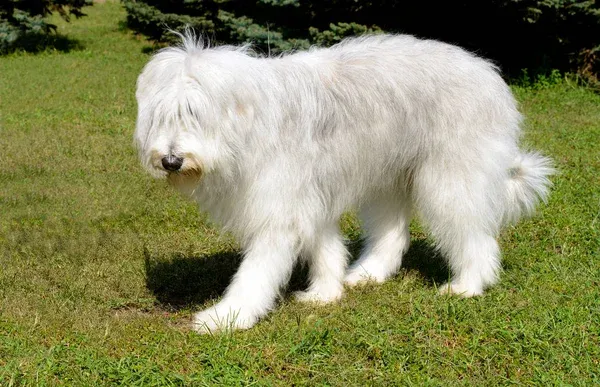
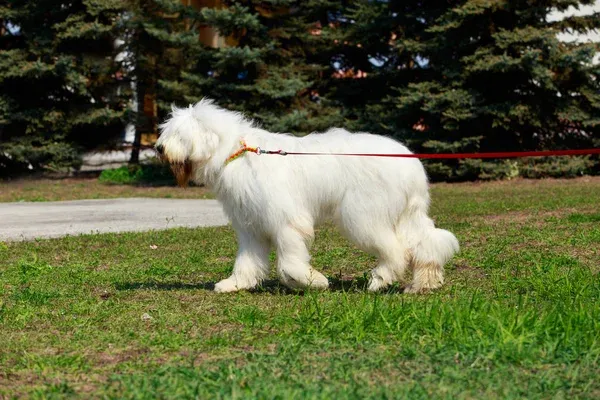
The South Russian Shepherd Dog, or South Russian Ovcharka, is a huge, woolly guardian breed coming from Russia and Ukraine. These dogs were great at protecting livestock. They are a mix of Spanish Shepherd dogs and Merino sheep.
These dogs are known for their independence and strength. The breed became famous after winning gold at the 1867 World’s Fair.
At the Crimea’s Askania-Nova estate, they got their modern development. They are also recognised by the FCI and UKC.
How Long Do South Russian Shepherds Live?
The South Russian Shepherd can live approx 10 to 12 years with proper care.
South Russian Shepherd Temperament and Personality
South Russian Shepherds are really loyal, smart and intelligent. Their traits are as follows:
- They have strong protective instinct
- They don’t trust strangers easily.
- They are very loyal to their family.
- They are dominant and independent thinkers
They are great for experienced owners who can handle their strength and confident attitude.
South Russian Shepherd Exercise Needs
South Russian Shepherds need 1 to 3 hours of exercise daily. You can go for exercises like:
- Long walks or hikes
- Guarding and patrolling a yard
- Obedience training for mental stimulation
- Puzzle feeders and games
Not suitable for apartments or inactive homes.
Characteristics
Barking
Quiet
Loud
Temperament with Kids
Aggressive
Friendly
Playfulness
Silent
Very Playful
Friendliness
Not Friendly
Super Friendly
Compatibility with other dogs
Aggressive
Friendly
Need for attention
Independent
Very Needy
Monthly Expenses


South Russian Shepherd Price Guide
Cost of buying
₹ 30,000 - ₹ 1,00,000
The price of the South Russian Shepherd in India can be anywhere from Rs. 30,000 to Rs. 1,00,000.
Similar Breeds to the South Russian Shepherd
Prerequisites to pet a South Russian Shepherd Dog
Access to Veterinary
Appropriate Climate
Financial Capability
Space and Environment
Willingness to train
Shop or Adopt a South Russian Shepherd: Make the Right Choice!
South Russian Shepherds are charming, affectionate and devoted companions, distinguished by their unique appearance. When you adopt a South Russian Shepherd, you provide a loving home to a dog in need and bring a devoted friend into your life. Adoption helps support animal welfare and deters unethical breeding practices.
Best Practices to Follow While Shopping or Adopting a South Russian Shepherd
- Try shelters or breed-specific rescues like the South Russian Shepherd Rescue Network.
- Select breeders that provide health clearances and proper care.
- Their breathing issues make regular vet visits important.
- Their thick coat requires constant brushing and care.
- Moderate activity helps prevent obesity.
- Stubbornness is curbed by early training and builds confidence.
- Ideal for apartments but sensitive to extreme temperatures.
- Handle with care, best for families with older children.
Nutrition Care for the South Russian Shepherd
Monthly Food Expenses
₹ 3,000 - ₹ 4,500
Calories per day
Puppies: 1800 kcal
Adults: 2400 kcal
Essential Nutrients
Protein
Carbohydrates
Fats
Fibre
Minerals
Vitamins
List of foods
Chicken
Dry Dog Food
Fresh Meat
Fresh Fish
Fruits
Vegetables
- South Russian Shepherds need a balanced diet to support their size and coat.
- Include protein, healthy fats, carbs, vitamins, and minerals for strength and coat health.
- Avoid low-quality food to prevent deficiencies and weight gain.
- Adjust feeding based on age and activity level.
- Mix dry food with lean meats and vegetables for balanced nutrition.
Feeding Guidelines for South Russian Shepherds
- Puppies (Up to 6 Months): Give them 3 to 4 meals a day. Go for a large breed puppy formula that has the perfect amount of calcium to prevent bone overgrowth.
- Adults (6 Months – 7 Years): Provide them with 2 to 3 meals a day. It's best to give about 4.5–5 cups of dry food per day (for 100+ lb dogs). Adjust the servings as per their activity level.
- Seniors (7+ Years): Cut down calories a bit. To maintain muscle health, keep protein content high. Go for senior formulas with added joint support.
Note: These are general guidelines. Consult a veterinarian to determine the specific dietary needs of your dog.
Breakdown of Macro-nutrients
Best Foods for South Russian Shepherds
- Royal Canin Giant Breed – Developed as large dog food including joint support. Aids in keeping bones strong and avoid mobility complications.
- Hill’s Science Diet Large Breed – Has balanced nutrition and glucosamine. Promotes joint and lean muscle growth.
- Orijen Large Breed Puppy – Ideal to raise pups requiring high protein. Encourages healthy muscles and a stable growth.
- Farmina N&D Ancestral Grain – Full of natural ingredients and protein. Lowers energy and boosts digestion.
- Raw feeding (BARF diet) – Becoming popular with fans of working dogs. Emphasizes on minimal processed, biologically appropriate meals.
Foods to Avoid for South Russian Shepherds
Avoid anything with these ingredients
Alcohol
Almonds
Avocados
Cherries
Cinnamon
Coffee / Tea
Dairy
Fruit seeds
- Chocolate, grapes, onions, garlic – poisonous to every dog. Tiny quantities may trigger severe sickness or death.
- Excessive calcium – is capable of damaging young pups. It can cause deformities of bones and joints.
- Fatty foods before exercise – can result in bloat. Always leave time to rest before and after the meals.
- Processed kibble with fillers – results in weight gain. Select quality food that has real ingredients.
- Cooked bones – choking and splinter hazard. Always offer only raw, vet-approved bones if needed.


Healthcare for the South Russian Shepherd
Avg Monthly Expenses
₹ 1,500 - ₹ 2,250
Common Health Issues
Bloat
Hip Dysplasia
Parasites
Canine distemper
Parvovirus
Heartworm
Leptospirosis
Well being
Exercise
Agility Training
Bonding
Games
Socialization
Energy Level
High
Exercise routine
60 - 90 minutes
Recognising Stress
Changes in appetite
Excessive Barking
Pacing
Reluctance to move
Increased laziness
Excessive Panting
Common Health Problems in the South Russian Shepherd Dog
- Hip and Elbow Dysplasia – Typical in big breeds; screening should be done. Early identification can assist in controlling pain and mobility.
- Bloat/GDV – Danger to life; emergency treatment needed. Be aware of the symptoms and prevent activity during mealtimes.
- Hypothyroidism – Results in thinning of the coats and lethargy. It was treated by medication and regular blood tests.
- Progressive Retinal Atrophy (PRA) – Eye degeneration. Gradual vision loss with no cure, but manageable with support.
- Cardiac Issues – Early monitoring is very important. Regular vet checkups help detect heart problems early.
Vaccination details
Growth Stage
Core Vaccines
6-8 Weeks
Distemper, Parvovirus, Hepatitis, Parainfluenza
10-12 Weeks
Distemper, Parvovirus, Hepatitis, Parainfluenza
14-16 Weeks
Rabies
Senior South Russian Shepherd Care
As they age, South Russian Shepherds need more support:
- Switch to senior dog food. Tailored to meet the lower energy and higher nutrient needs of aging dogs.
- Offer orthopaedic bedding. Helps in giving relief and support to sore joints.
- Limit intense running. Avoids the extra burden on old hips and elbows.
- Use joint supplements. Stiffness can be alleviated by glucosamine and chondroitin.
- Arrange vet appointments twice a year. Allows age-related problems to be identified early.
- Watch out for limping, stiffness or a loss of appetite. These can indicate pain or ill health.
Note: These are general guidelines. Consult a veterinarian to determine the specific dietary needs of your dog.
South Russian Shepherd Grooming Routine
Avg Monthly Expenses
₹ 1,200 - ₹ 1,800
Shedding Level
High Shedding
Hygienic Checklist
Bathing
Brushing
Ear Cleaning
Eye Care
Nail Trimming
Teeth Care
Benefits of Grooming
Cleanliness
Low Shedding
Odourless
Prevents Bad Breath
Prevents infections
Quality of life
- Brushing: 3–5 times per week (daily in shedding season)
- Ear Cleaning: Once a week
- Nail Trimming: Every 3–4 weeks
- Teeth Brushing: 2–3 times a week
- Bathing: Once every 1–2 months or when dirty
Their coat must never be shaved, as it regulates body temperature.


Written by
Happy Pet TeamAuthor
Team Happy Pet is a passionate collective of pet experts, enthusiasts, and advocates dedicated to sharing trusted and insightful content.
Our cont
Frequently Asked Questions
Are South Russian Shepherds good with children?
They are usually very protective and patient, but they need early socialisation. Do great with older, respectful kids.
How much grooming do they need?
Their heavy coat needs daily brushing to stay in shape. They are heavy shedders and mats easily if not regularly groomed.
Are they aggressive?
Not without reason, but they can be territorial with strangers. Training and early socialisation are highly important.
Are they easy to train?
They are intelligent and independent. They are best for confident, experienced and consistent owners.