
Home
/
Dog Breeds
/
Silky Terrier
Origin
Australia
Size
Small Breed
Ideal Space
Apartment
Ideal Weather
15º-25ºC
Life Expectancy
12-15 years
Cost of buying
₹ 40,000 - ₹ 70,000
Top 5 Traits
Energetic
Intelligent
Loyal
Playful
Protective
Avg Monthly Expenses
₹ 3,300 - ₹ 5,400
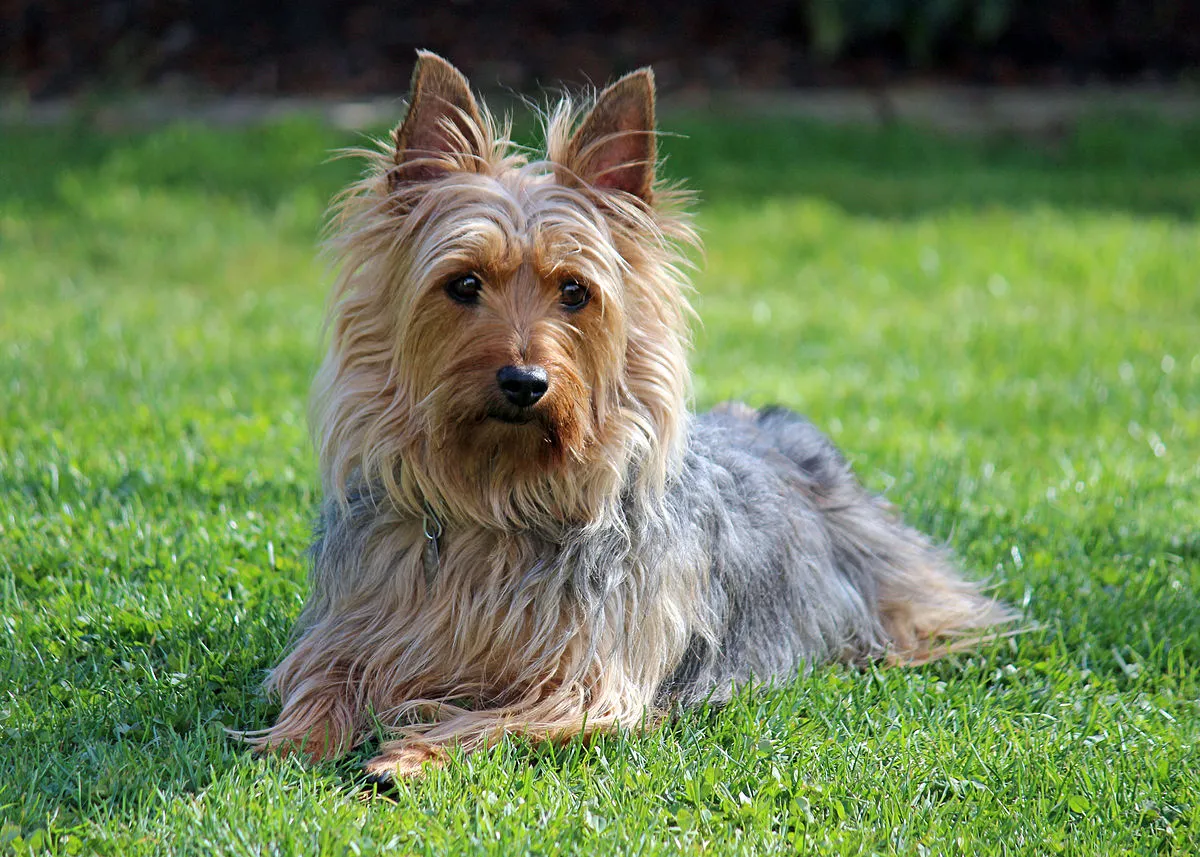

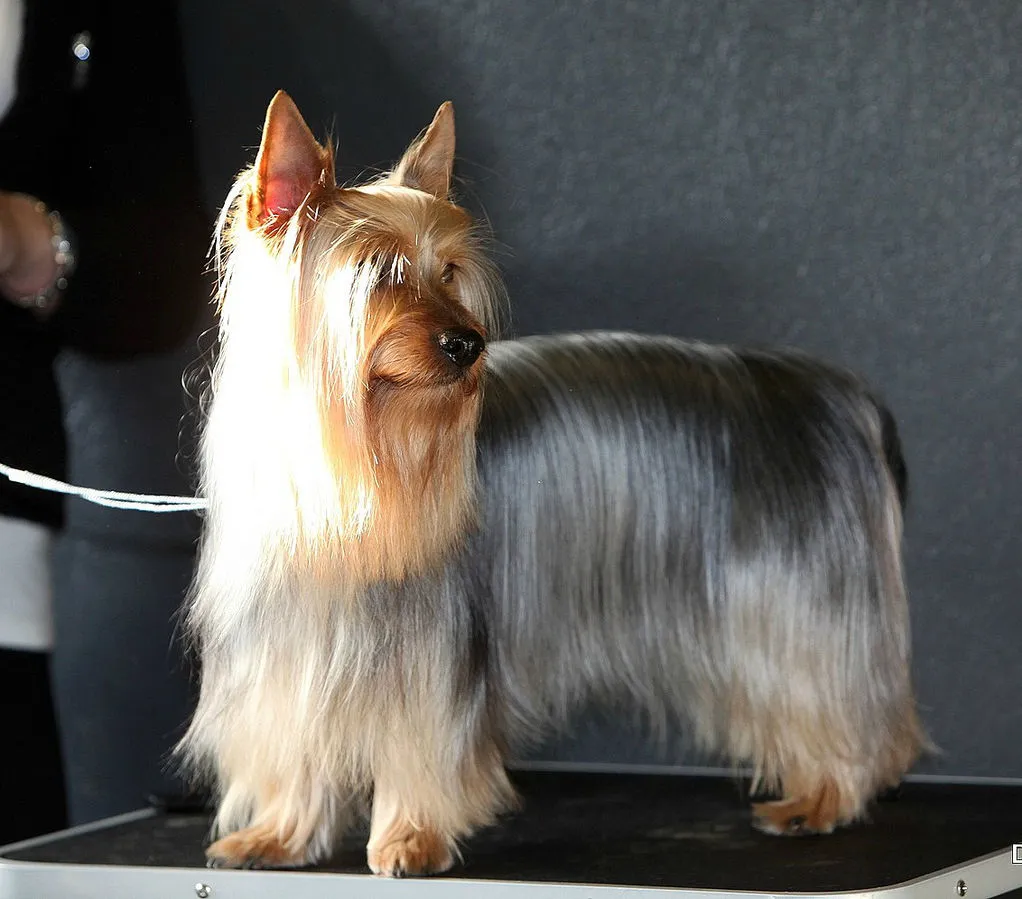
Introduction to the Silky Terrier Dog Breed
The Silky Terrier is a mixed breed from the late 19th century. They were created by crossing the Yorkshire Terrier with the Australian Terrier. The purpose was to blend the soft and shiny coat of the Yorkshire Terrier with the strength and energy of the Australian Terrier.
Characteristics
Barking
Quiet
Loud
Temperament with Kids
Aggressive
Friendly
Playfulness
Silent
Very Playful
Friendliness
Not Friendly
Super Friendly
Compatibility with other dogs
Aggressive
Friendly
Need for attention
Independent
Very Needy
Monthly Expenses


Lifespan and Price of the Silky Terrier
Cost of buying
₹ 40,000 - ₹ 70,000
How Long Do Silky Terrier Live?
Prerequisites to pet a Silky Terrier
Access to Groomer
Access to Veterinary
Appropriate Climate
Lifestyle Compatibility
Financial Capability
Shop or Adopt a Silky Terrier: Choice is yours!
If you're considering a Silky Terrier, you can either buy from a breeder or adopt from a shelter.
Nutritional Care for Silky Terrier
Monthly Food Expenses
₹ 1,200 - ₹ 1,800
Calories per day
Puppies: 600 kcal
Adults: 500 kcal
Essential Nutrients
Protein
Fats
Carbohydrates
Vitamins
Minerals
Fibre
List of foods
Chicken
Dry Dog Food
Fresh Meat
Fresh Fish
Fruits
Mutton
Vegetables
Home made meals
- Silky Terriers require a well balanced diet to help maintain their small size and silky coat.
- Providing high quality protein, healthy fat, carbohydrates, vitamins and minerals to promote muscle strength and coat shine.
- Stay away from low quality food which may lead to bad health and poor fur.
- The feeding needs of Silky Terrier vary from puppy, adult to senior.
- Dry food is mixed with lean meats, vegetables, and brown rice for balanced nutrition.
Breakdown of Macro-nutrients
Best Foods for a Silky Terrier Diet
- Kibble designed to fulfil the high energy needs and fast metabolism of toy or small breeds.
- Meat proteins like chicken, turkey, or fish for muscle strength and overall health.
- Vegetables such as carrots, green beans, and pumpkin for fibre, vitamins, and digestive health.
- To keep a silky, shiny coat, healthy fats such as fish oil, flaxseeds or coconut oil will be the best.
- Calcium for strong bones and teeth. Small amounts of yoghurt or cottage cheese in their diet will be ideal.
Foods to Avoid for Silky Terrier
Avoid anything with these ingredients
Alcohol
Garlic
Almonds
Grapes
Avocados
Lemon
Cherries
Milk Products
Cinnamon
Mushrooms
Coffee / Tea
Onions
Dairy
Salt
Fruit seeds
Sugar
- Chocolate, grapes, raisins, onions, and garlic are harmful to dogs.
- Also, fillers such as corn and soy can cause reactions to food or the environment.
- Excess fat and artificial additives – can cause digestive problems.


Health Tips for the Silky Terrier
Avg Monthly Expenses
₹ 900 - ₹ 1,800
Common Health Issues
Patellar Luxation
Skin Allergies
Progressive Retinal Atrophy (PRA)
Epilepsy
Ear Infections
Thyroid Disease
Canine Influenza
Canine distemper
Parasites
Well being
Exercise
Agility Training
Bonding
Games
Socialization
Energy Level
High
Exercise routine
30 - 60 minutes
Recognising Stress
Changes in appetite
Excessive Barking
Pacing
Excessive Panting
Reluctance to move
Increased laziness
Decreased play
Healthcare Tips for the Silky Terrier
Silky Terriers in general, are healthy, but as with all breeds, there are certain breed-specific health issues to be aware of.
Vaccination details
Growth Stage
Core Vaccines
6-8 Weeks
Distemper, Parvovirus, Adenovirus
10-12 Weeks
Distemper, Parvovirus, Adenovirus
14-16 Weeks
Rabies, Parvovirus
12-16 Weeks
Leptospirosis, Parainfluenza
Annually
Rabies, Distemper, Parvovirus
Care for Senior Silky Terrier
- Regular Veterinary Visits: Look for age-related conditions like dental disease or joint issues.
- Adjust Diet: Offer senior-formulated food to satisfy changing food-related needs.
- Maintain Moderate Exercise: Perform gentle activities to keep the movement of joints without causing strain.
- Ensure Dental Cleanliness: Oral disease can be stopped by regular teeth cleaning.
- Watch Weight: Stop being overweight, which can put too much weight on aging joints.
- Provide Comfortable Resting Areas: Soft bedding supports aged bones and helps ease the body.
- Offer Mental Activities: Interactive toys and gentle play help keep the mind sharp.
Grooming Tips for the Silky Terrier
Avg Monthly Expenses
₹ 1,200 - ₹ 1,800
Shedding Level
Low Shedding
Hygienic Checklist
Bathing
Brushing
Ear Cleaning
Teeth Care
Eye Care
Nail Trimming
Benefits of Grooming
Cleanliness
Prevents infections
Prevents Bad Breath
Odourless
Quality of life
Low Shedding
Consistent grooming is necessary for the Silky Terrier’s coat to stay tangle-free and to keep its smooth texture.



Frequently Asked Questions
What is the size and weight of a Silky Terrier?
They are small dogs, standing at about 9 to 10 inches high and about 8 to 10 pounds.
Are Silky Terriers good with children and other pets?
Yes, if socialized early. They love to play with kids but do not like to be left alone. Early socialization with other pets can help prevent aggression.
How is the coat of a Silky Terrier?
They have a long, silky blue and tan coat that is nonshedding and odorless. To prevent tangles, regular brushing (at least twice or three times a week) is necessary.
How do you train a Silky Terrier?
They are intelligent but stubborn. The best approach is consistent training with positive reinforcement. Early socialization is important.
What are the health considerations for Silky Terriers? What are the health considerations for Silky Terriers? What are the health considerations for Silky Terriers?
They may live 12 to 15 years and can suffer from dental and patellar luxation issues. They should be taken to the vet periodically for a checkup.