Home
/
Dog Breeds
/
Schnoodle
Schnoodle
Origin
United States
Size
Medium Breed
Ideal Space
Apartment
Ideal Weather
10º-30ºC
Life Expectancy
12-15 years
Cost of buying
₹ 1,200 - ₹ 1,800
Top 5 Traits
Energetic
Playful
Loyal
Intelligent
Friendly
Avg Monthly Expenses
₹ 4,650 - ₹ 6,600

Introduction to the Schnoodle
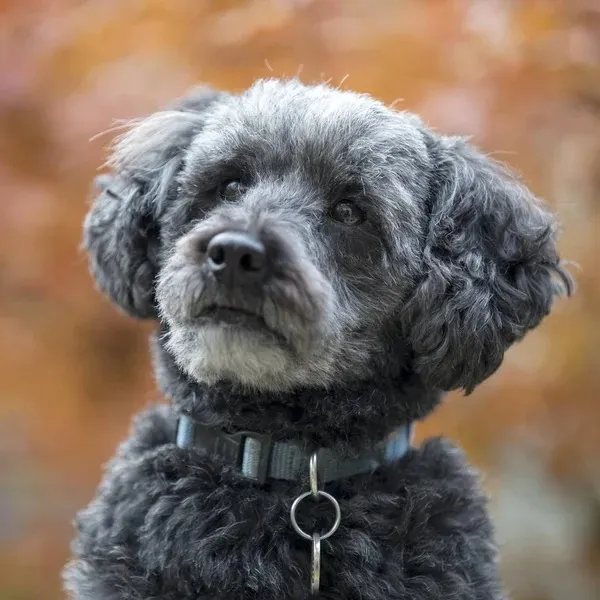
The Schnoodle was intentionally bred in the 1980s, a period that saw designer dog breeds become increasingly popular.
Breeders wanted to mix Poodle intelligence, and low shedding coat with the sturdiness and protective instincts of Schnauzer.
While the exact timeline of the breed’s development is uncertain, Schnoodles were quickly acknowledged as excellent family pets and therapy dogs.
Schnoodles are not recognized by major kennel clubs such as the American Kennel Club (AKC), or the Fédération Cynologique Internationale (FCI), unlike purebred dogs. But hybrid breed registries acknowledge them.
Schnoodles come in various sizes, allowing them to adapt to different living conditions, whether smaller apartments or larger homes with yards.
Schnoodle Temperament and Behavior
Schnoodlesis a very loving, loyal, and intelligent dog. They love to go out and interact with their environment. They are known for being:
- Loyal and Protective: They have Schnauzer’s alert nature, hence it makes them great watchdogs.
- Playful and Energetic: They love playing fetch, agility training, and socializing with their family.
- Easy to Train: Schnoodles are a very sharp and intelligent breed but sometimes can be a bit stubborn.
Characteristics
Barking
Quiet
Loud
Temperament with Kids
Aggressive
Friendly
Playfulness
Silent
Very Playful
Friendliness
Not Friendly
Super Friendly
Compatibility with other dogs
Aggressive
Friendly
Need for attention
Independent
Very Needy
Monthly Expenses


Lifespan and Price of the Schnoodle
Cost of buying
₹ 1,200 - ₹ 1,800
How Long Do Schnoodles Live?
Schnoodles live for 12 to 15 years on average. They need proper care in terms of grooming and nutrients to be healthy and happy. How long they will live also depends on genetics, diet, and exercise.
Schnoodle Price
If you want to buy a Schnoodle puppy in India, then you might need to pay around Rs. 35,000 to 75,000. The price largely depends upon the breeder's reputation, location, and lineage.
Adopting a rescue or shelter is also an option for those looking to provide a home to a Schnoodle in need.
Exercise Needs
Based on their size, Schnoodles need moderate to high levels of exercise.
- Small Schnoodles: 30-45 minutes of daily exercise.
- Medium/Large Schnoodles: 60+ minutes of exercise, including playtime and walks.
Puzzle toys and obedience training help keep them mentally stimulated.
Prerequisites to pet a Schnoodle
Access to Groomer
Access to Veterinary
Appropriate Climate
Financial Capability
Shop or Adopt a Schnoodle: Make the Right Choice!
Are you thinking about adding a Schnoodle to your family? Whether you are buying from a breeder or adopting, always choose ethically!
When buying, research breeders carefully. A healthy, well-bred Schnoodle comes from a good breeder. More importantly, select a verified breeder with a good reputation.
Check for health certificates and pedigree documents to ensure the puppy’s health and background.
Best Practices for Shopping or Adopting a Schnoodle
The following are important steps to follow before bringing a Schnoodle home:
- Find out about the breed’s temperament, care requirements and health issues before you take on a Schnoodle.
- Either adopt from a reliable shelter or buy from a responsible breeder who does ethical breeding.
- Visit in person to check the living conditions and ensure good care.
- Go to trusted breeders and ask for health records and lineage details.
- Before bringing them home, set up a safe, cosy, space complete with food, bedding and toys.
- Keep to a regular schedule for feeding, walking and training for an easy transition.
- Give them a chance to adjust to their new home without overwhelming them.
Follow these steps to welcome your new Schnoodle smoothly!
Nutritional Care of the Schnoodle
Monthly Food Expenses
₹ 2,250 - ₹ 3,000
Calories per day
Puppies: 350 kcal
Adults: 500 kcal
Essential Nutrients
Protein
Fats
Carbohydrates
Fibre
Vitamins
List of foods
Chicken
Dry Dog Food
Fresh Meat
Fresh Fish
Vegetables
Fruits
- Schnoodles need a balanced diet to support their playful and energetic nature.
- Include high-quality protein, healthy fats, carbohydrates, vitamins, and minerals for overall health.
- Avoid low-quality food as it may lead to digestive issues and poor coat condition.
- Puppies, adults, and senior dogs have different feeding needs that should be adjusted with age.
- Mixing dry food with fresh ingredients like chicken, fish, vegetables, and brown rice ensures balanced nutrition.
Feeding Guidelines for the Schnoodle:
- Puppyhood: Feed 3 small meals daily to support growth.
- Adult stage: Provide 1–2 cups of dry food daily, split into two meals.
Senior dogs: Adjust portions based on activity and weight.
Breakdown of Macro-nutrients
Best foods for Schnoodle
To support their energy levels, Schnoodles need a protein-rich diet. Their meals should include:
- Lean meats such as chicken, fish, turkey, or beef
- Fatty acids, such as the healthy Omega 3 and Omega 6 fatty acids in fish oil or flaxseeds
- Fibre-rich carbohydrates such as brown rice, sweet potatoes, and vegetables
- Apples, carrots, and blueberries for added vitamins and antioxidants.
Foods to Avoid for Schnoodle
Avoid anything with these ingredients
Alcohol
Almonds
Cherries
Cinnamon
Garlic
Onions
Some human foods are toxic to Schnoodles and should always be avoided, including:

- Avoid serving toxic foods such as chocolate, grapes, raisins, onions, and garlic.
- Avoid greasy and high-fat foods to stay clear of digestive disorders.
- Try to avoid artificial preservatives, colours, and flavours in dog food.
- Grains like corn or wheat should be avoided if allergies occur.
- Be cautious with bones and fatty meats.
- Never introduce new foods without consulting a vet.

Health
Avg Monthly Expenses
₹ 1,200 - ₹ 1,800
Common Health Issues
Hip Dysplasia
Heartworm
Bloat
Parvovirus
Canine distemper
Leptospirosis
Parasites
Well being
Exercise
Agility Training
Games
Bonding
Socialization
Energy Level
Medium
Exercise routine
30 - 60 minutes
Recognising Stress
Excessive Barking
Pacing
Excessive Panting
Changes in appetite
Decreased play
Healthcare Tips for the Schnoodle
Schnoodles are typically healthy, however, there is a chance they could inherit some health problems from one of their parent breeds. Vet check-ups are important, not only to detect issues early on but also to prevent them.
Common Health Issues
Schnoodles may be prone to:
- Hip Dysplasia: A condition that can affect the hip joint causing problems with movement. To manage their symptoms, regular exercise along with a healthy diet is the way to go.
- Elbow Dysplasia: A developmental disorder that causes lameness in front legs. Early detection with proper weight management can help reduce discomfort.
- Diabetes: Some Schnoodles, especially those with Miniature Schnauzer lineage, may develop diabetes. A balanced diet followed with regular vet checkups can work wonders.
- Allergies: They can suffer environmental and food allergies, causing skin irritation. Hypoallergenic diets along with vet-approved treatments can help manage flare-ups.
- Eye Conditions: Older Schnoodles are prone to having cataracts and progressive retinal atrophy (PRA). To stop things from getting worse, routine eye checkups are the way to follow.
Healthcare Tips
- Regular vet visits along with vaccination and health screenings.
- Keep an eye on their weight to prevent obesity.
- Regular brushing is really important to maintain their gum health.
- Daily exercise will help maintain their physical and mental health.
Vaccination details
Growth Stage
Core Vaccines
6-8 Weeks
DHPP (Distemper, Hepatitis, Parvovirus, Parainfluenza)
10-12 Weeks
Rabies, Leptospirosis
12-16 Weeks
Bordetella (Kennel Cough), Lyme disease
16-18 Weeks
Canine Influenza (optional, depending on region)
Senior Dog Care for Schnoodle Breeds
Regular Vet Check-ups: Vet visits in every 6 months will help catch the health issues early.
Joint Support: An orthopaedic bed will help reduce joint pain and provide more comfort.
Diet Adjustments: Switch to senior dog food with the perfect quantity of nutrients to support joints and improve overall health.
Frequent Bathroom Breaks: Older Schnoodles may have to pee more often.
Calm Environment: Create a relaxing setting by minimizing stress and loud noises.
Gentle Exercise: Light play and short walks keep them active without strain.
Dental Care: Brushing regularly helps prevent gum disease and maintain good oral health.
Similar Breed to the Schnoodle
Grooming Tips for the Schnoodle
Avg Monthly Expenses
₹ 1,200 - ₹ 1,800
Shedding Level
Low Shedding
Hygienic Checklist
Bathing
Brushing
Ear Cleaning
Nail Trimming
Benefits of Grooming
Cleanliness
Low Shedding
Odourless
Prevents infections
Prevents Bad Breath
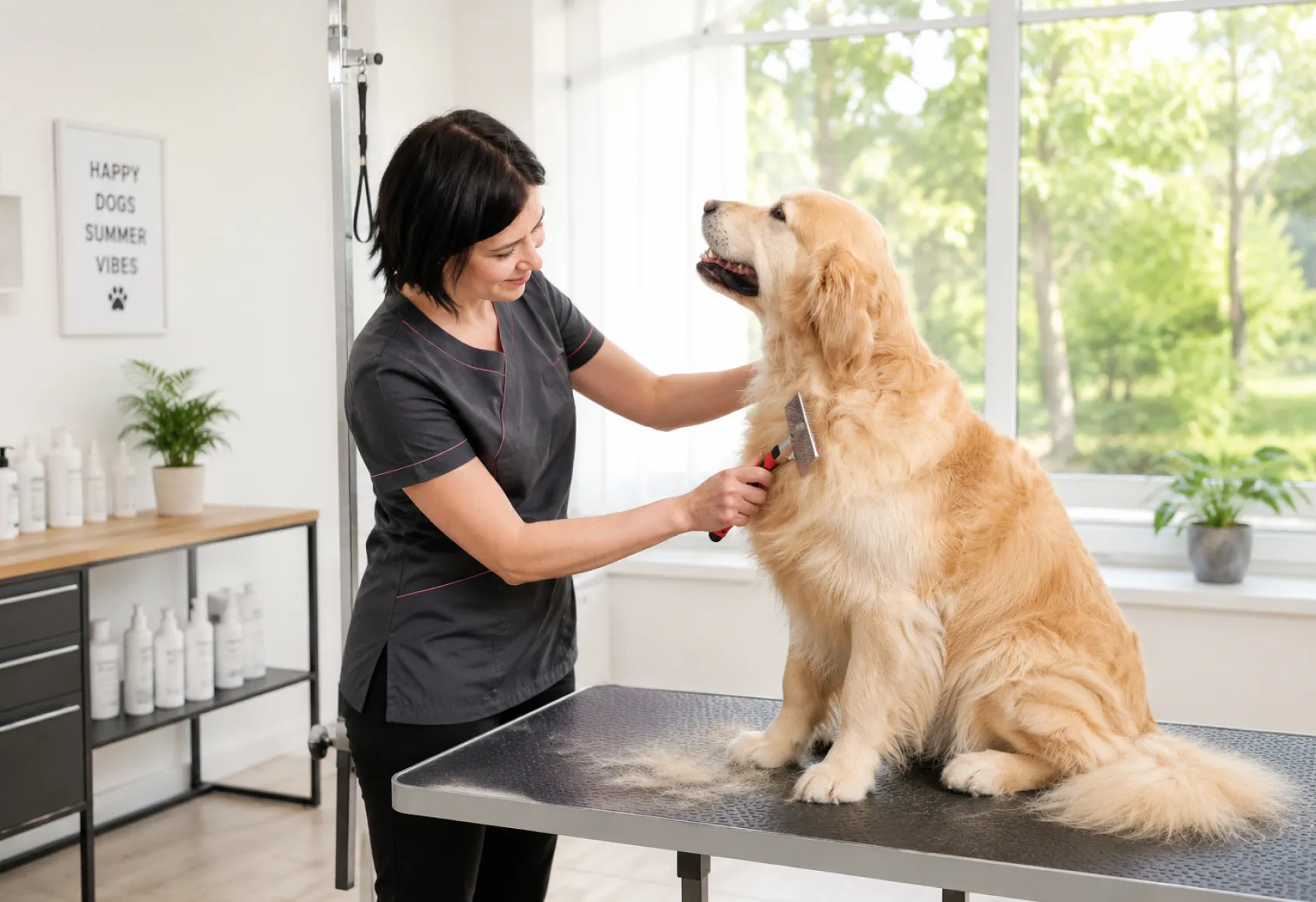
Schnoodles have various types of coats and hence need regular grooming.

Brushing
- Curly-coated Schnoodles: Daily brushing will keep the coat healthy and will prevent it from matting and getting tangled.
- Wavy or straight-coated Schnoodles: Brush at least three times a week will help keep the coat in top shape.
- Bathing- Bathe only when it's really needed (every 4-6 weeks) to avoid stripping natural oils.
- Professional Grooming- A grooming session every 6 to 8 weeks helps maintain their coat and hygiene.
- Nail Trimming- Trim nails every 2-3 weeks to prevent overgrowth.
- Ear Cleaning- Clean ears weekly to prevent infections.

Compare with similar breeds
Frequently Asked Questions
Are Schnoodles hypoallergenic?
As Schnoodles have low-shedding coats, they are a good option for people with allergies. But there’s no such thing as a completely hypoallergenic dog.
3. Do Schnoodles need a lot of exercise?
Schnoodle are energetic and require daily walking and playtime to keep them healthy and happy. Miniature and toy Schnoodles need less exercise than standard ones.
2. What is the typical size of a Schnoodle?
Schnoodles’s size depends on their parent size- Poodle. They can be toy (6-10 lbs), miniature (10-20 lbs), or standard (30-75 lbs).
4. Are Schnoodles easy to train?
Yes! Schnoodles are intelligent, eager-to-please dogs who are easy to train using positive reinforcement. Early socialization helps them be well-behaved pets.