
Home
/
Dog Breeds
/
Sarplaninac
Sarplaninac
Origin
North Macedonia
Serbia
Size
Large Breed
Ideal Space
House with backyard
Ideal Weather
-10º-25ºC
Life Expectancy
11-13 years
Cost of buying
₹ 25,000 - ₹ 80,000
Top 5 Traits
Protective
Disciplined
Fearless
Intelligent
Loyal
Avg Monthly Expenses
₹ 5,700 - ₹ 8,550

by Happy Pet TeamUpdated on 19 May 2025
Overview of the Sarplaninac breed
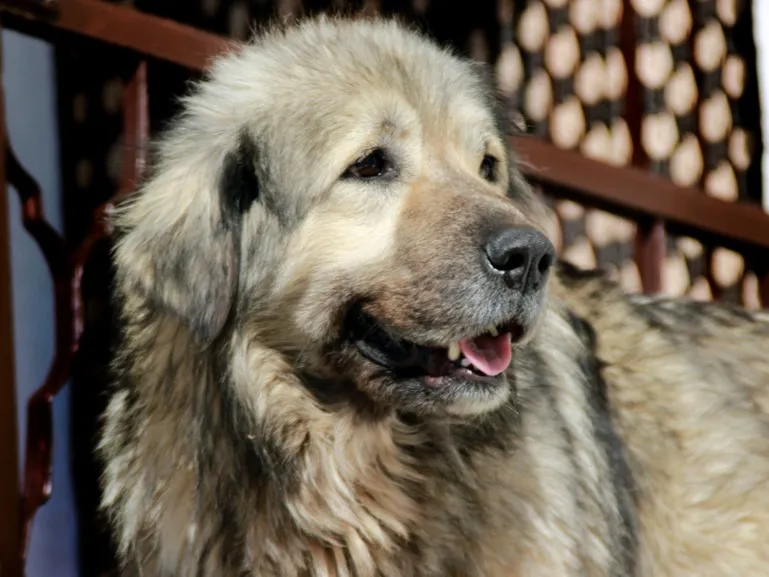
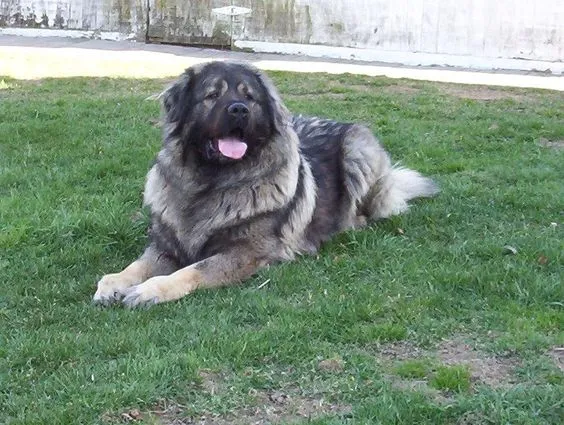
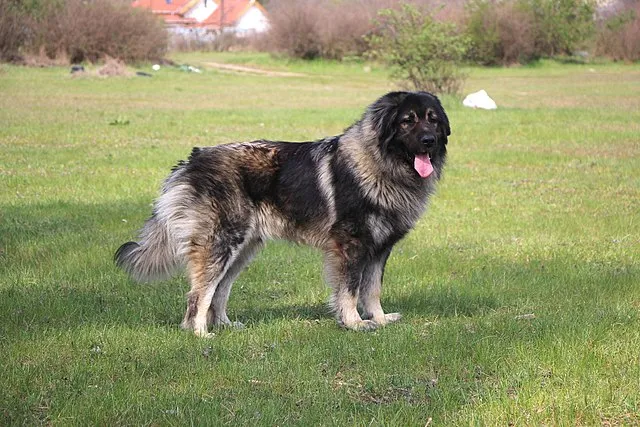
The Sarplaninac is a strong and athletic dog known for its work as a livestock guardian. Known for their size, muscle, and thick double coat, this breed was bred for power and is gentle, yet protective. Sarplaninacs are smart and independent, which makes them wonderful watchdogs.
Characteristics
Barking
Quiet
Loud
Temperament with Kids
Aggressive
Friendly
Playfulness
Silent
Very Playful
Friendliness
Not Friendly
Super Friendly
Compatibility with other dogs
Aggressive
Friendly
Need for attention
Independent
Very Needy
Monthly Expenses


Adopt/Shop of Sarplaninac Breed
Cost of buying
₹ 25,000 - ₹ 80,000
Picking whether to adopt or shop for your Sarplaninac is a very big deal. Each option has its group of pros and cons, and the option you choose should align with your lifestyle and values.
Prerequisites to pet a Sarplaninac
Space and Environment
Access to Groomer
Access to Veterinary
Appropriate Climate
Time and Effort
Lifestyle Compatibility
Are You Ready to Welcome a Sarplaninac?
Regardless of whether you end up adopting or shopping, owning a Sarplaninac is a strenuous yet extremely rewarding adventure. With its loyalty, protective nature, and good looks, this breed is a great choice for families seeking a companion who is also a guardian.
Nutrition Guide for the Sarplaninac
Monthly Food Expenses
₹ 3,000 - ₹ 4,500
Calories per day
Puppies: 1500 kcal
Adults: 2000 kcal
Essential Nutrients
Protein
Fats
Carbohydrates
Fibre
Vitamins
Minerals
List of foods
Dry Dog Food
Fresh Fish
Fruits
Mutton
Vegetables
Home made meals
Chicken
Fresh Meat
Feeding the Sarplaninac is essential to keeping this active dog healthy; it needs a proper diet due to its large frame. Nutrition plays a considerable role in recovery whilst helping maintain energy levels enough to fuel those workouts — packed with proteins, good fats, and carbohydrates, all of which are vital in helping the body recover and rebuild muscle.
Breakdown of Macro-nutrients
Guide to choose the right food for Sarplaninac Dog
- Chicken (boneless, cooked or raw if on a raw diet)
- Carrots, Green beans, Pumpkin (great for digestion),Spinach, Sweet potatoes
- Raw meaty bones (supervised, not cooked bones)
- Yogurt (plain, unsweetened – good for gut health)
- Brown rice, Oatmeal, Quinoa
Never Feed These Foods To Sarplaninac
Avoid anything with these ingredients
Alcohol
Avocados
Cherries
Cinnamon
Coffee / Tea
Dairy
Grapes
Onions
Sugar
Salt
It is important to note that feeding your Sarplaninac the wrong foods can affect their health severely.


Health Guide for Sarplaninac Breeds
Avg Monthly Expenses
₹ 1,500 - ₹ 2,250
Common Health Issues
Hip Dysplasia
Bloat
Canine distemper
Parvovirus
Lyme disease
Parasites
Leptospirosis
Rabies
Well being
Exercise
Bonding
Games
Socialization
Agility Training
Energy Level
Medium
Exercise routine
60 - 90 minutes
Recognising Stress
Changes in appetite
Excessive Barking
Pacing
Excessive Panting
Reluctance to move
Health Issues of Sarplaninac Breed
Proper health care (including a good diet) is important for a busy and independent breed like the Sarplaninac. Sarplaninac are usually quite healthy; however, as a breed, they are prone to some health issues. What are some examples of health problems?
Vaccination details
Growth Stage
Core Vaccines
6-8 weeks
Canine Distemper, Parvovirus, Rabies (First dose)
10-12 Weeks
Second dose of Canine Distemper, Parvovirus, Rabies
14-16 Weeks
Final dose of Canine Distemper, Parvovirus, Rabies
Annually
Rabies Booster, Leptospirosis, Lyme Disease, and Bordetella (if at risk)
Senior Sarplaninac dog care Guide
Special care is required to maintain the quality of life for your Sarplaninac as it's heading into old age. Consider these tips:
Grooming Guide for Sarplaninac
Avg Monthly Expenses
₹ 1,200 - ₹ 1,800
Shedding Level
High Shedding
Hygienic Checklist
Bathing
Brushing
Ear Cleaning
Eye Care
Nail Trimming
Teeth Care
Benefits of Grooming
Cleanliness
Low Shedding
Odourless
Prevents Bad Breath
Prevents infections
Quality of life
Grooming is an essential part of caring for your Sarplaninac’s health and appearance. Their thick, double coat needs to be brushed at least two or three times per week to remove loose hair and prevent matting.


Written by
Happy Pet TeamAuthor
Team Happy Pet is a passionate collective of pet experts, enthusiasts, and advocates dedicated to sharing trusted and insightful content.
Our cont
Compare with similar breeds



Frequently Asked Questions
When did the development of the Sarplaninac take place?
The Sarplaninac comes from the rocky Šar Mountains in the Balkans and has served as a livestock guardian for hundreds of years.
Are Sarplaninacs family-friendly?
Yes, but they need an experienced owner.
What are common health issues in Sarplaninacs?
They can be prone to hip dysplasia, certain eye disorders, and skin conditions.