
Home
/
Dog Breeds
/
Rat Terrier
Rat Terrier
Origin
United States
Size
Medium Breed
Ideal Space
Independent House
Ideal Weather
15º-25ºC
Life Expectancy
12-16 years
Cost of buying
₹ 20,000 - ₹ 50,000
Top 5 Traits
Energetic
Intelligent
Playful
Loyal
Fearless
Avg Monthly Expenses
₹ 3,550 - ₹ 5,400
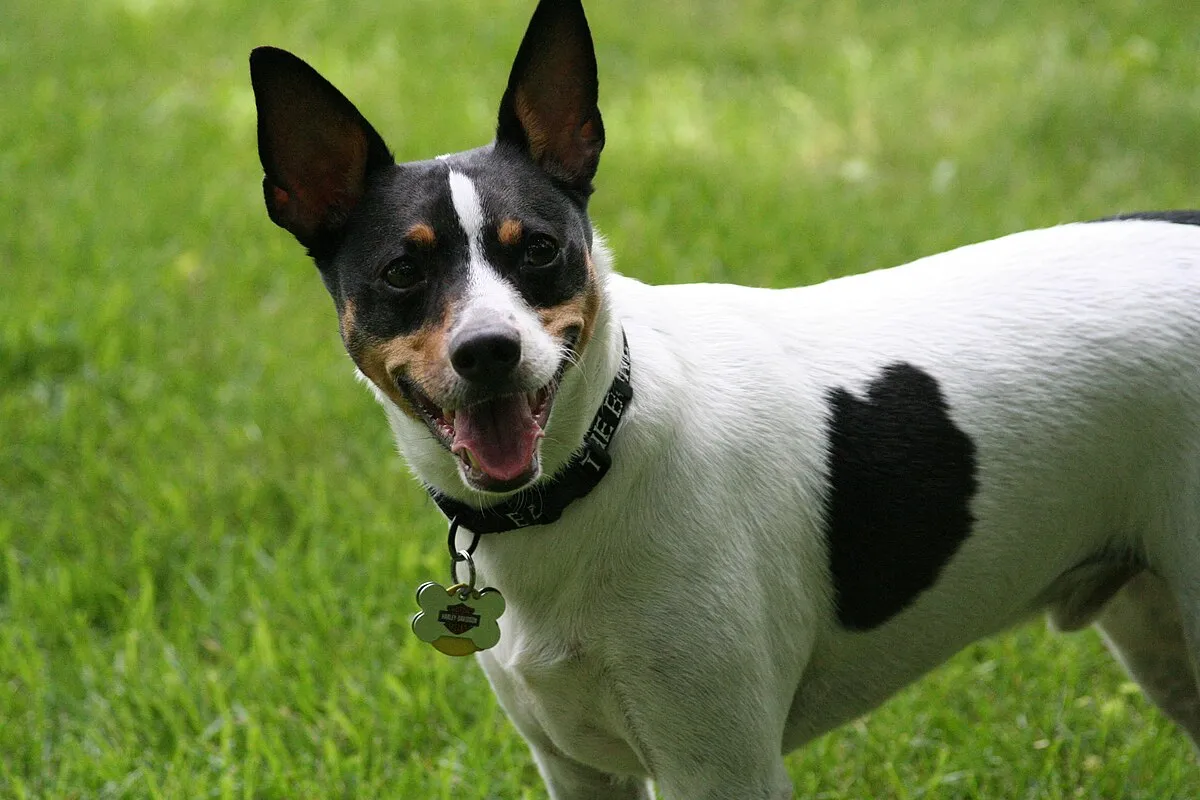
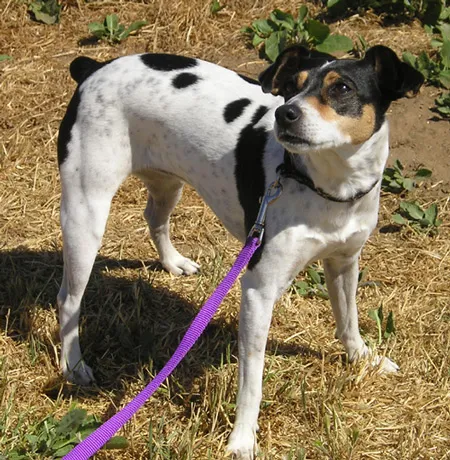

Rat Terrier Overview: The Energetic and Loyal Farm Dog
Rat terriers are small, energetic dogs with an affinity for hunting and chasing. They were initially bred to work on farms. According to Spruce Pets, they are often referred to as a rattie. This breed is small and muscular, with alert, action-ready eyes and perky ears. Rat terriers can be devoted, warmhearted, and affectionate to their humans while being innate hunters and good watchdogs. They are ideal for active families as they may get destructive if their energy is not utilized to its fullest.
Characteristics
Barking
Quiet
Loud
Temperament with Kids
Aggressive
Friendly
Playfulness
Silent
Very Playful
Friendliness
Not Friendly
Super Friendly
Compatibility with other dogs
Aggressive
Friendly
Need for attention
Independent
Very Needy
Monthly Expenses


What is the price of a Rat Terrier in India?
Cost of buying
₹ 20,000 - ₹ 50,000
The average cost of buying a Rat Terrier in India ranges between ₹ 20,000 - ₹ 50,000.
Prerequisites to pet a Rat Terrier
Access to Groomer
Access to Veterinary
Appropriate Climate
Willingness to train
Space and Environment
Things To Know Before Buying Or Adopting a Rat Terrier
- Research – Learn about the specific needs of the Rat Terrier breed, including diet, health care, and grooming requirements.
- Connect – Talk to people who have a Rat Terrier to understand their experiences and challenges.
- Explore – Visit shelters, rescue centers, or breeders to observe the living conditions of the pups.
- Engage – Spend some time with the dog to see if its personality fits well with you and your household.
- Health Check – Review all the existing medical documentation and take the dog to a vet for a thorough examination.
- Prepare – Ensure you shop for all the basic necessities in advance, such as food, bedding, toys, and a leash.
Rat Terrier Nutrition Guide
Monthly Food Expenses
₹ 2,250 - ₹ 3,000
Calories per day
Puppies: 700 kcal
Adults: 600 kcal
Essential Nutrients
Protein
Fats
Carbohydrates
Fibre
Vitamins
Minerals
List of foods
Chicken
Vegetables
Dry Dog Food
Fresh Meat
Fresh Fish
Fruits
Mutton
Home made meals
- Protein – According to Wag, protein aids in tissue repair and supports the development of lean muscles.
- Fats – Offer long-lasting energy. Opt for sources rich in omega-3 and omega-6 to promote a healthy, shiny coat.
- Carbohydrates – Supply energy for both physical activity and mental stimulation. It also aids digestive health.
- Fiber – Supports a healthy digestive system and helps maintain regular bowel movements.
- Vitamins A, B, C, and E – Essential for overall growth, cellular protection, and a stronger immune system.
- Minerals – Nutrients like calcium, zinc, iron, and phosphorus strengthen bones and contribute to overall vitality.
- Water – Fresh, clean water should always be available. It improves digestion and provides hydration.
Breakdown of Macro-nutrients
Recommended Foods for Rat Terrier
- When in doubt, ensure that the diet complies with the AAFCO standards.
- PetMD recommends opting for food that is specially made for small dogs.
- Rat Terriers are prone to weight gain. Thus, it is important to measure their food before feeding them.
- Scheduled feeding is always a better option when compared to free feeding, as this breed could overeat.
- Rat Terriers are prone to joint issues. So, consult with your veterinarian before adding joint supplements to their diet.
- Protein – Offer easily digestible, high-quality protein. Suitable options include boneless, cooked meats like chicken, turkey, salmon, and eggs.
- Healthy Fats – Chicken fat, flaxseed oil, fish oil, and chia seeds.
- Carbohydrates – Include complex carbs like oatmeal, brown rice, and cooked sweet potatoes.
- Fiber – Add natural fiber through fresh fruits and vegetables.
Foods That Are Toxic To Rat Terriers
Avoid anything with these ingredients
Alcohol
Garlic
Almonds
Grapes
Avocados
Lemon
Cherries
Milk Products
Cinnamon
Mushrooms
Coffee / Tea
Onions
Dairy
Salt
Fruit seeds
Sugar
- Keep your dog away from certain human foods that are harmful, such as grapes, raisins, chocolate, and avocados.
- Avoid giving cooked bones, as they can be a choking risk.
- Steer clear of sugary items and products containing artificial sweeteners like xylitol. They can disrupt blood sugar levels.
- Caffeinated drinks like tea and coffee are dangerous for dogs and should not be given at all.


Rat Terrier Medical Guide
Avg Monthly Expenses
₹ 600 - ₹ 1,200
Common Health Issues
Progressive Retinal Atrophy (PRA)
Patellar Luxation
Epilepsy
Skin Allergies
Ear Infections
Hip Dysplasia
Heart Disease
Thyroid Disease
Eye Disorders
Eye problems
Well being
Exercise
Agility Training
Bonding
Socialization
Games
Energy Level
High
Exercise routine
30 - 60 minutes
Recognising Stress
Changes in appetite
Excessive Barking
Pacing
Excessive Panting
Reluctance to move
Increased laziness
Decreased play
Common Health Issues in Rat Terriers
- Hip dysplasia: Unusual hip joint development that results in a weak joint is known as hip dysplasia. Dogs with this illness typically exhibit discomfort in the form of rigid movement, decreased mobility, or a decreased interest in activities. Consult your veterinarian if your dog would benefit from joint supplements, anti-inflammatory drugs, or even surgery (in extreme cases).
- Patellar Luxation: According to the Cornell University College of Veterinary Medicine, this issue is frequent in small dog breeds, such as Rat Terriers. It is when the patella (or kneecap) moves out of place. When walking, dogs with patellar luxation may "skip" or "bunny hop," raising their back leg. In some situations, there may be no need for treatment; nonetheless, joint supplements may be beneficial. If the condition is severe, surgery may be advised.
- Legg-Calvé-Perthes Disease- The joint that is located at the top of the femur bone disintegrates in dogs with Legg-Calvé-Perthes disease. This may result in osteoarthritis and discomfort. X-rays will be used by your veterinarian to diagnose the disease, and surgery is frequently used as treatment. Typically, dogs who undergo this procedure recover quickly and lead a happy life free of discomfort.
- Cardiac Disease- Rat Terriers are susceptible to heart problems, particularly as they get older. Your veterinarian may hear a cardiac murmur, which will help them with the diagnosis. But they may also cough, lose weight, be exhausted, or faint from exertion or excitement. According to PetMD, dogs may also have cardiac problems without any symptoms. In certain situations, your Rat Terrier may require lifelong medication. Always consult with your veterinarian to determine if dietary or exercise changes are required.
Vaccination details
Growth Stage
Core Vaccines
6-8 Weeks
Distemper, Parvovirus
10-12 Weeks
DHPP (Distemper, Hepatitis, Parvovirus, Parainfluenza)
14-16 Weeks
DHPP, Rabies
12-16 Months
DHPP, Rabies
Every 3 years
Rabies, DHPP
Senior Rat Terrier Care Guide
- Make sure you feed them food that is curated for older dogs. Choose options that are nutrient-rich, lower in calories, and easy to digest and chew.
- Keep an eye on their weight. Control portions and avoid high-calorie treats.
- Adjust their exercise routine by choosing shorter, more frequent walks to maintain their health.
- Use an orthopedic bed to provide better joint support.
- Be consistent with their grooming routine to prevent skin allergies and irritation.
- Book regular appointments with the veterinarian to monitor their overall health and catch any issues early.
Rat Terrier Grooming Guide
Avg Monthly Expenses
₹ 700 - ₹ 1,200
Shedding Level
Moderate Shedding
Hygienic Checklist
Brushing
Ear Cleaning
Nail Trimming
Teeth Care
Eye Care
Bathing
Benefits of Grooming
Cleanliness
Low Shedding
Odourless
Prevents infections
Quality of life
Prevents Bad Breath
- Ear - Clean their ear with a vet-recommended solution when there is wax or dirt accumulation. Do not use cotton buds as they could damage their ears.
- Dental - It is ideal to brush every day or a minimum of three times a week to maintain oral hygiene.
- Coat - Use a gentle brush or rubber glove to brush your rat terrier to get rid of any loose hair or debris.
- Bath - Spruce pets recommends giving your rat terrier a bath only when necessary. This is because of their extremely short, dense, and smooth coats. It is crucial to note that this breed sheds more during the heat, fall, and spring seasons.


Compare with similar breeds




Frequently Asked Questions
Are Rat Terriers good with kids?
Yes, they are friendly and playful. They do well with kids if socialized early and treated gently.
Do Rat Terriers need a lot of exercise?
Yes, they are high-energy dogs and require ample exercise.
Do Rat terriers bark a lot?
Yes, they can be vocal, and they mainly bark to alert their owners. However, they are not excessive barkers.