Home
/
Dog Breeds
/
Pomsky
Pomsky
Origin
United States
Size
Medium Breed
Ideal Space
House with backyard
Ideal Weather
-5º-30ºC
Life Expectancy
12-15 years
Cost of buying
₹ 50,000 - ₹ 1,00,000
Top 5 Traits
Energetic
Playful
Loyal
Protective
Intelligent
Avg Monthly Expenses
₹ 4,650 - ₹ 6,600
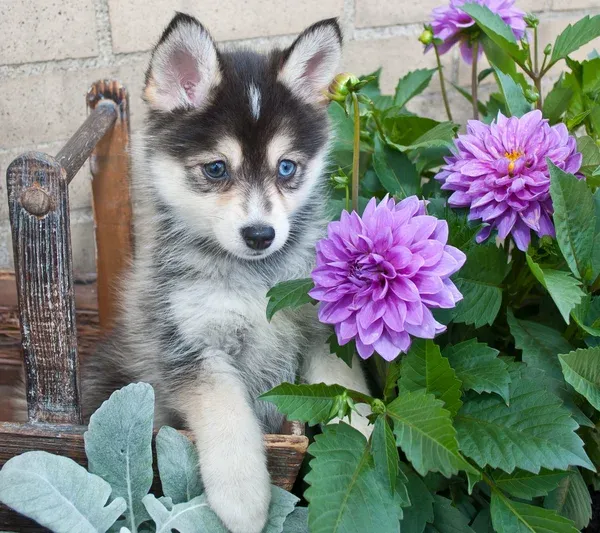
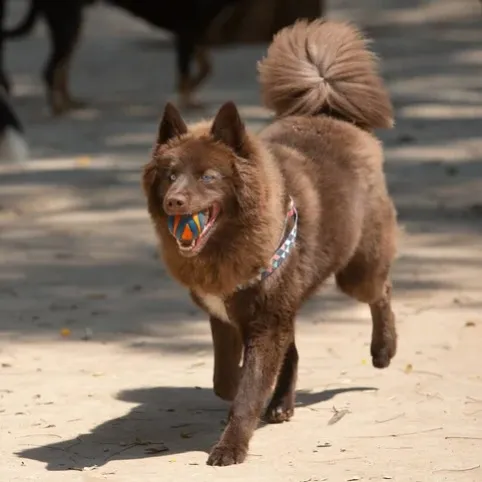
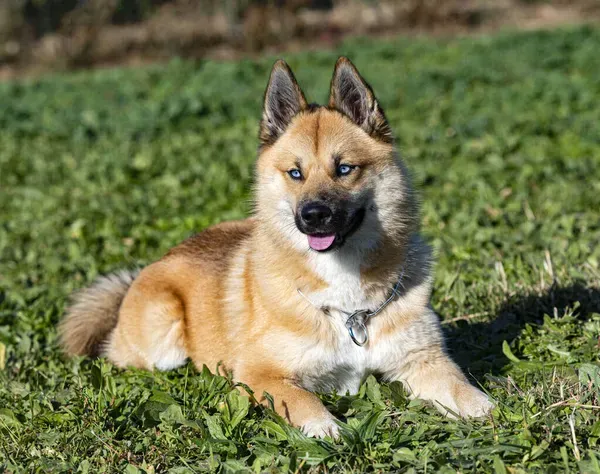
Get To Know The Pomsky: The Playful and Fluffy Breed
The pomsky is a hybrid of a Pomeranian and a Siberian husky. They are fluffy and medium in size. They are an active and loyal breed that is always on the go. They are great for families as they are social and love attention.
Characteristics
Barking
Quiet
Loud
Temperament with Kids
Aggressive
Friendly
Playfulness
Silent
Very Playful
Friendliness
Not Friendly
Super Friendly
Compatibility with other dogs
Aggressive
Friendly
Need for attention
Independent
Very Needy
Monthly Expenses


What is The Price of a Pomsky?
Cost of buying
₹ 50,000 - ₹ 1,00,000
The average cost of a Pomsky in India ranges between ₹ 50,000 - ₹ 1,00,000
Prerequisites to pet a Pomsky
Access to Groomer
Access to Veterinary
Lifestyle Compatibility
Appropriate Climate
Financial Capability
Things To Know Before Buying Or Adopting a Pomsky
- Research – Understand the unique requirements of the Pomsky, including its nutrition, grooming, and medical needs.
- Connect – Speak with current Pomsky owners to get insights into their day-to-day care and behavior.
- Explore – Check out breeders, rescues, or shelters to assess the environment in which the dogs are raised.
- Engage – Interact with the dog to see if its temperament suits you and your living situation.
- Health Check – Get all the medical records and have a vet conduct a full health evaluation.
- Prepare – Get all essential supplies like food, a bed, toys, and a leash ready before bringing the dog home.
The Ultimate Nutritional Guide For Your Pomsky
Monthly Food Expenses
₹ 2,250 - ₹ 3,000
Calories per day
Puppies: 400 kcal
Adults: 800 kcal
Essential Nutrients
Protein
Fibre
Carbohydrates
Fats
Vitamins
List of foods
Chicken
Fresh Fish
Dry Dog Food
Home made meals
Vegetables
- Protein – As per Wag, it helps repair tissues and builds lean muscle mass.
- Fats – Provide sustained energy. Look for sources high in omega-3 and omega-6 for a shiny and healthy coat.
- Carbohydrates – Give energy for both physical and mental activities, and support digestion.
- Fiber – Aids in digestion and helps regulate bowel movements.
- Vitamins A, B, C, and E – Important for healthy development, immune function, and protecting body cells.
- Minerals – Elements like calcium, zinc, phosphorus, and iron help improve bone health and overall strength.
- Water – Always offer clean drinking water to keep your dog hydrated and support their digestion.
Breakdown of Macro-nutrients
Recommended Foods To Keep Your Pomsky Healthy
- According to PetMD, adult Pomskies should be fed two meals a day.
- Pomsky puppies can be fed three to four meals a day.
- Adjust portion sizes based on their age, activity, and metabolic levels.
- Ensure that their diet is in accordance with AAFCO standards.
- Protein - Chicken, turkey, lamb, or fish.
- Fiber - Vegetables and fruits
- Carbohydrates - Brown rice and oats.
Toxic Foods For a Pomsky
Avoid anything with these ingredients
Alcohol
Garlic
Onions
Chocolate
Grapes
Almonds
- Keep your dog away from human foods that can be toxic, including chocolate, raisins, grapes, and avocados.
- Cooked bones should be avoided since they pose a choking hazard.
- Stay away from sugary treats and anything with artificial sweeteners like xylitol, as they can affect blood sugar.
- Never offer caffeinated beverages like coffee or tea, as they are harmful to dogs.


Pomsky Medical Guide
Avg Monthly Expenses
₹ 1,200 - ₹ 1,800
Common Health Issues
Hip Dysplasia
Heartworm
Bloat
Panosteitis
Leptospirosis
Lyme disease
Canine distemper
Parasites
Well being
Exercise
Bonding
Games
Socialization
Agility Training
Energy Level
High
Exercise routine
30 - 60 minutes
Recognising Stress
Excessive Barking
Pacing
Reluctance to move
Decreased play
Excessive Panting
Pomsky Common Health Issues
- Patellar Luxation- Patellar luxation (dislocation) is the term used to describe the movement of the patella (kneecap) out of its natural position. One of the most prevalent orthopedic disorders in dogs, it is especially prevalent in Pomeranians. The symptoms include a popping or cracking knee joint, limping, and bunny-hopping. Your veterinarian could suggest surgery if the condition is severe.
- Allergies - Like people, dogs can have allergies to a variety of things, such as food, pollen, and plants. The immune system of a dog goes into overdrive and generates chemicals that cause inflammation when certain allergens come into contact with the skin, respiratory system, or gastrointestinal (GI) tract. According to the American Kennel Club, Pomsky dogs with allergies may experience itchy, irritated skin, frequent ear infections, hair loss, or less common symptoms, including coughing, sneezing, and gastrointestinal issues. Several treatments can be combined to control the condition, such as recognizing and staying away from allergies, managing itchiness, maintaining a healthy and clean coat, medicines, and immunotherapy, such as a vaccination for allergies.
- Hip Dysplasia - A ball-and-socket joint makes the hip. Hip dysplasia is the term for a weak and unsteady joint that can result from these two interconnected parts not growing appropriately and at the same rate. As the cartilage deteriorates and scar tissue and bone spurs form, this may result in osteoarthritis and other long-term joint damage. According to PetMD, the symptoms to look out for are: limping, having trouble going up or down stairs, an unwillingness to stand or jump, putting more weight on the front leg, loss of rear leg muscle mass, and hip discomfort.
Vaccination details
Growth Stage
Core Vaccines
6-8 Weeks
Distemper, Parvovirus, Adenovirus
10-12 Weeks
Leptospirosis, Bordetella (Kennel Cough)
12-16 Weeks
Rabies
How To Care For An Ageing Pomsky
- Diet - Ensure that the food is nutrient-rich, lower in calories, and easy to digest and chew.
- Weight management - Control portions and limit treats that are high in calories.
- Exercise - Choose shorter, more frequent walks to maintain their health.
- Bedding- Use an orthopedic bed for better joint support.
- Grooming- Groom them regularly to prevent skin allergies and irritation.
- Health checkups- Consult your veterinarian regularly to monitor their health and catch any health issues early.
Guide to a Well-Groomed Pomsky
Avg Monthly Expenses
₹ 1,200 - ₹ 1,800
Shedding Level
Moderate Shedding
Hygienic Checklist
Bathing
Ear Cleaning
Eye Care
Brushing
Benefits of Grooming
Cleanliness
Prevents Bad Breath
Prevents infections
Quality of life
Odourless
- Skin - Do not shave your Pomsky unless it is a medical requirement. Their coat protects them against the cold and the heat.
- Coat - According to the APKC, Pomskies require two to three weekly brushings with a slicker brush or undercoat rake.
- Eye - Even though it's not very common, your Pomsky can get tear stains. Additionally, even though the majority of dogs with tear stains are in great health, it's crucial to notify your veterinarian if your Pomsky suddenly acquires them because they may indicate an underlying issue.
- Ear - PetMD recommends checking your Pomsky's ears monthly. It can be done when brushing or taking a bath. Keep an eye out for symptoms of an ear infection, such as pain, redness, debris, and odor. Get in touch with your veterinarian if you observe any changes in your dog's ears.


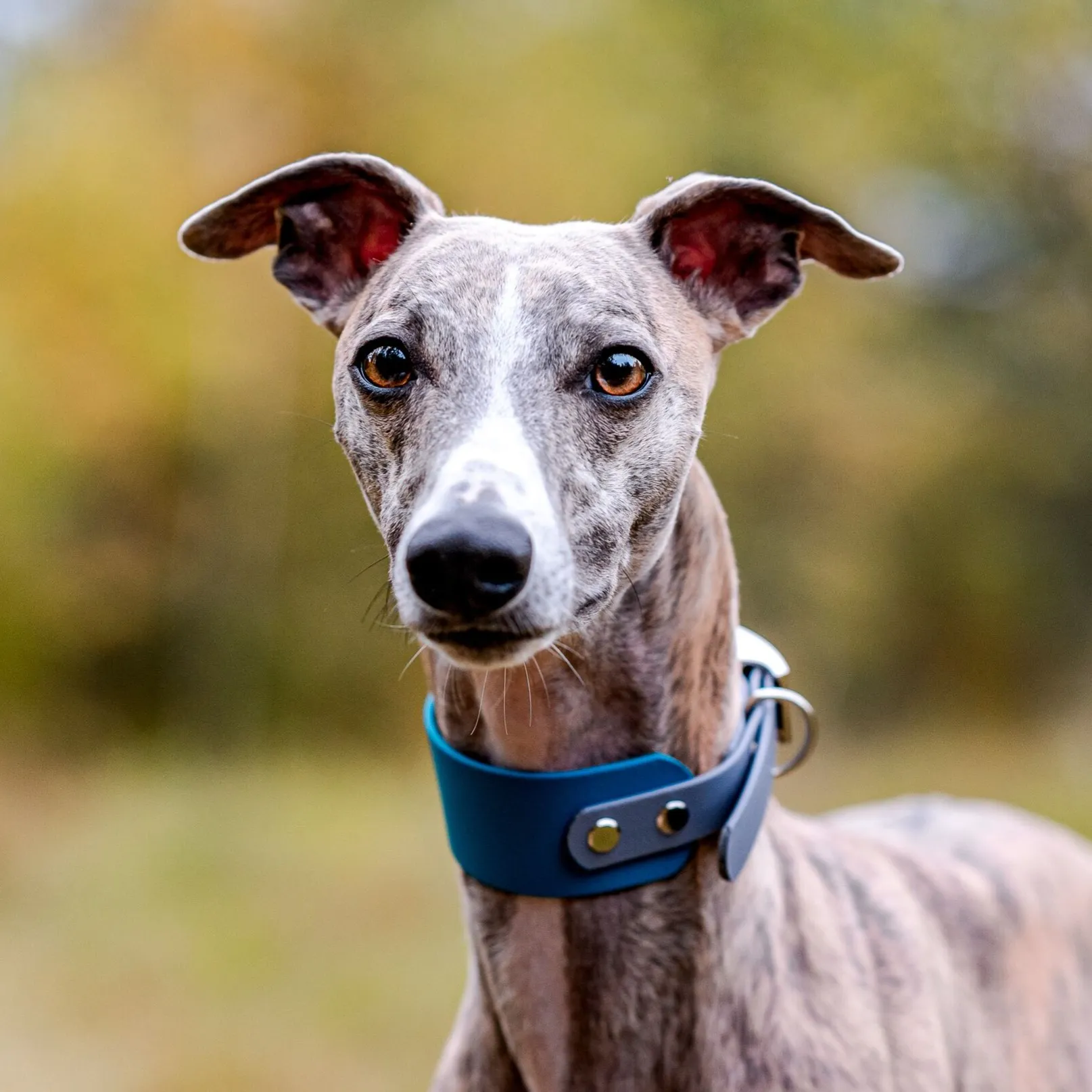
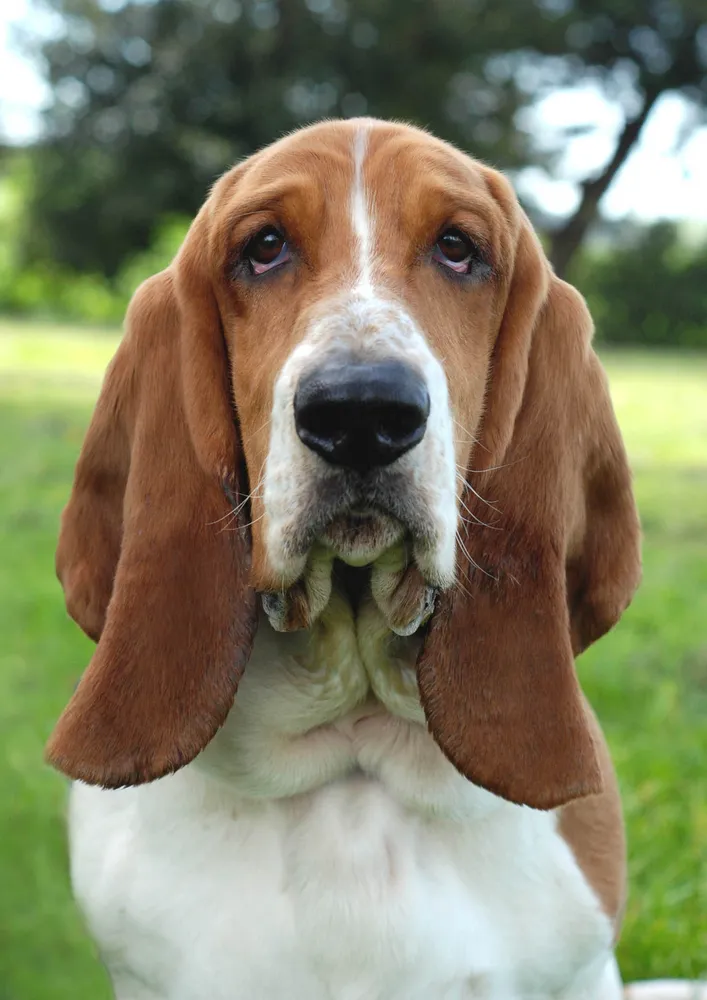
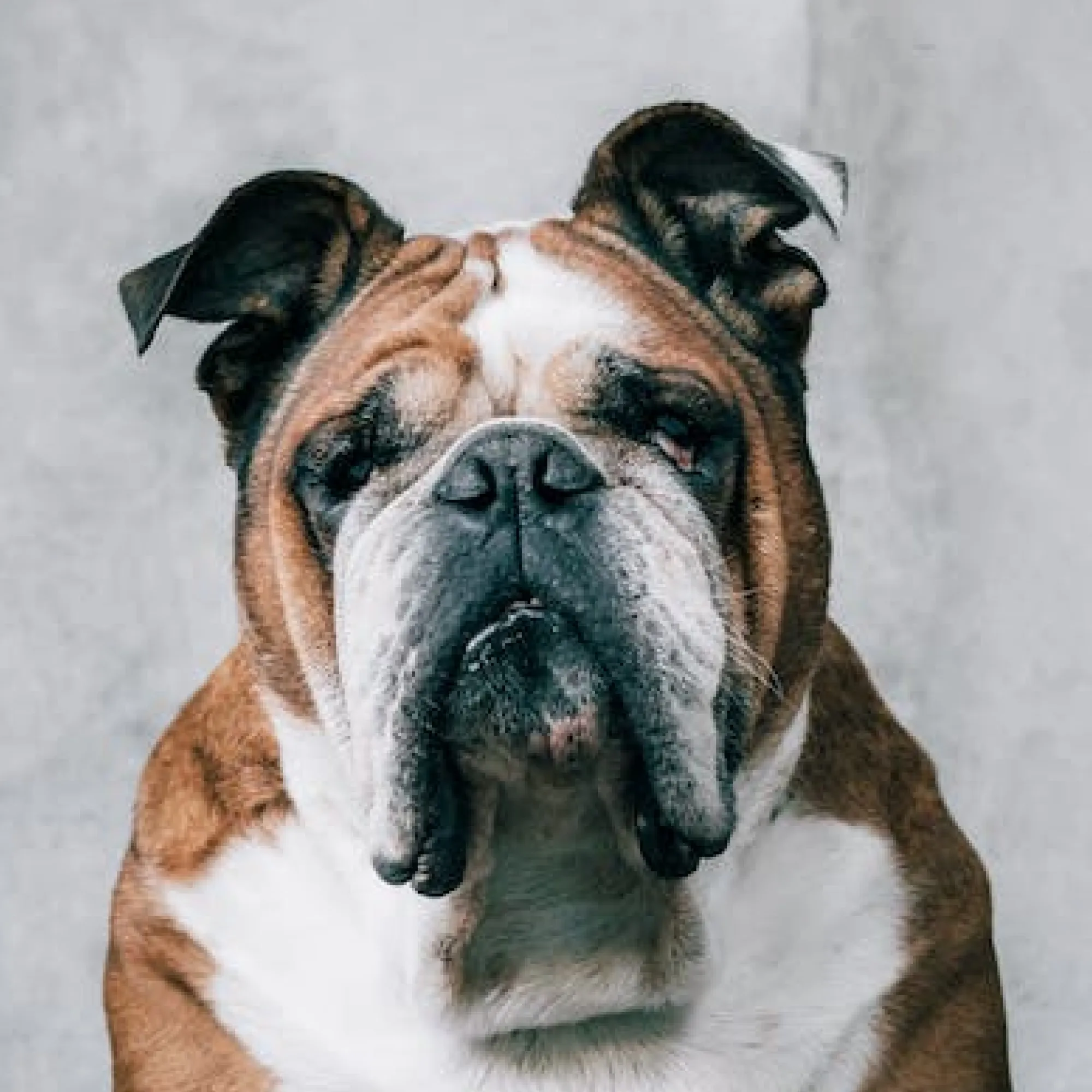
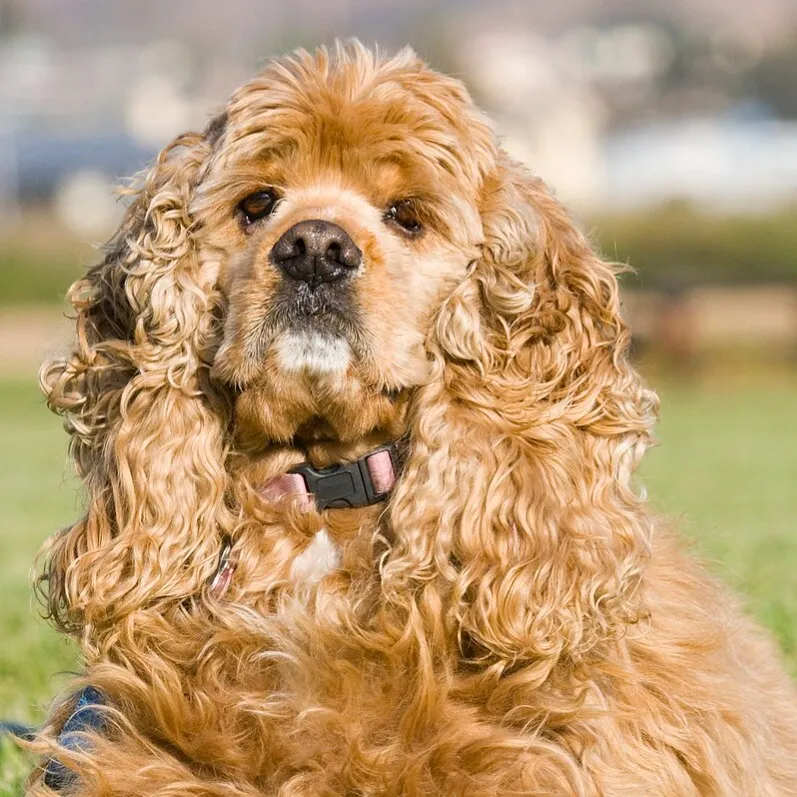
Compare with similar breeds
Frequently Asked Questions
What is a Pomsky, a mix of?
A Pomsky is a mix of a pomeranian and a husky.
Do Pomskies require a lot of exercise?
Yes, they are active dogs and require at least an hour of exercise every day.
Are Pomskies high maintenance?
Yes, they shed a lot, especially during seasonal changes.