Home
/
Dog Breeds
/
Norfolk Terrier
Norfolk Terrier
Origin
England
Size
Small Breed
Ideal Space
Apartment
Ideal Weather
15º-25ºC
Life Expectancy
12-15 years
Cost of buying
₹ 50,000 - ₹ 1,00,000
Top 5 Traits
Energetic
Fearless
Intelligent
Loyal
Playful
Avg Monthly Expenses
₹ 2,200 - ₹ 3,750
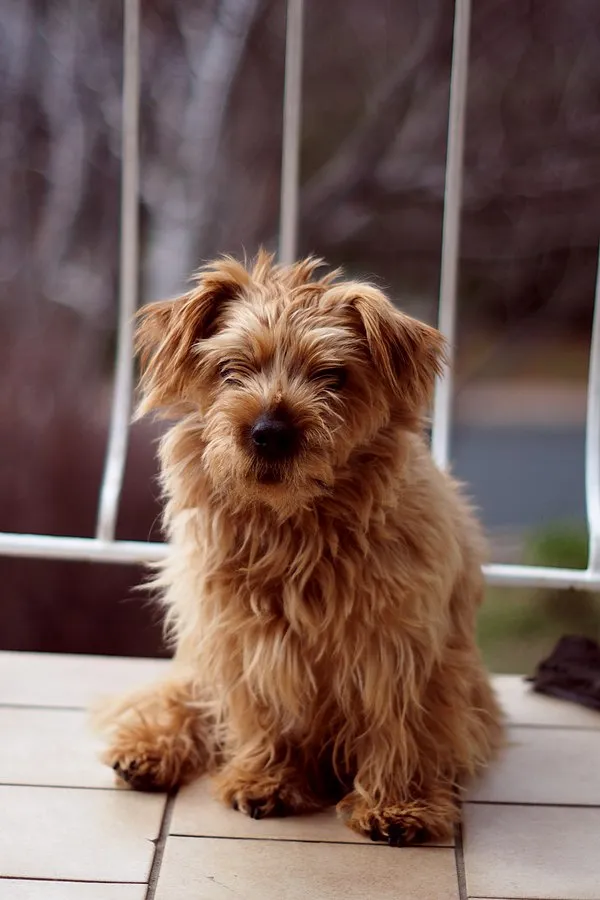
Introduction to the Norfolk Terrier
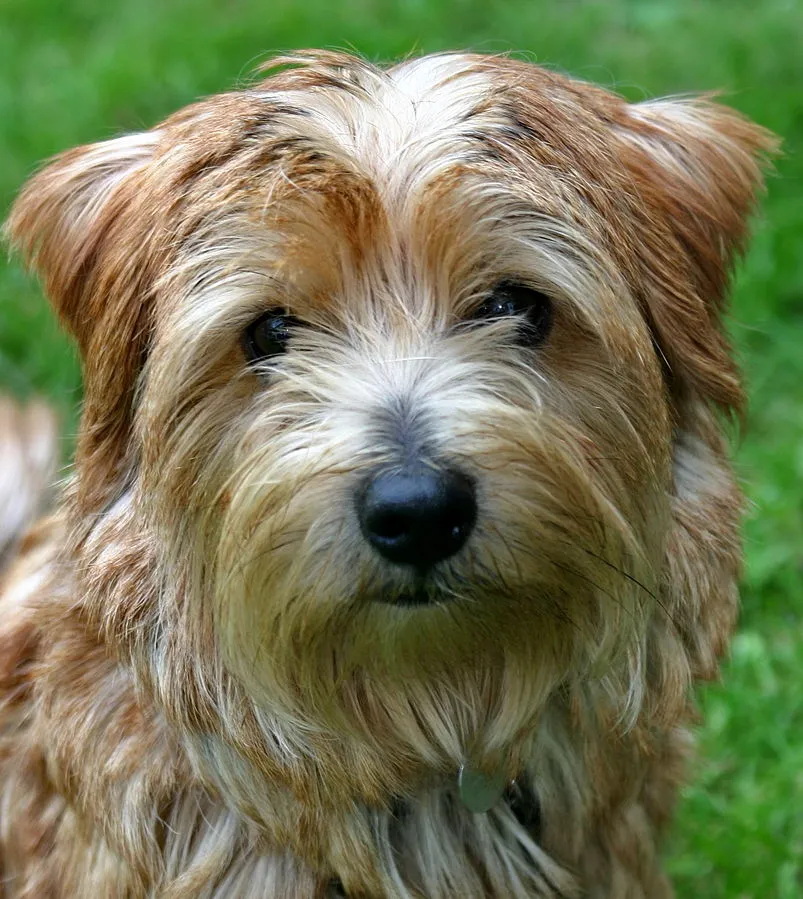
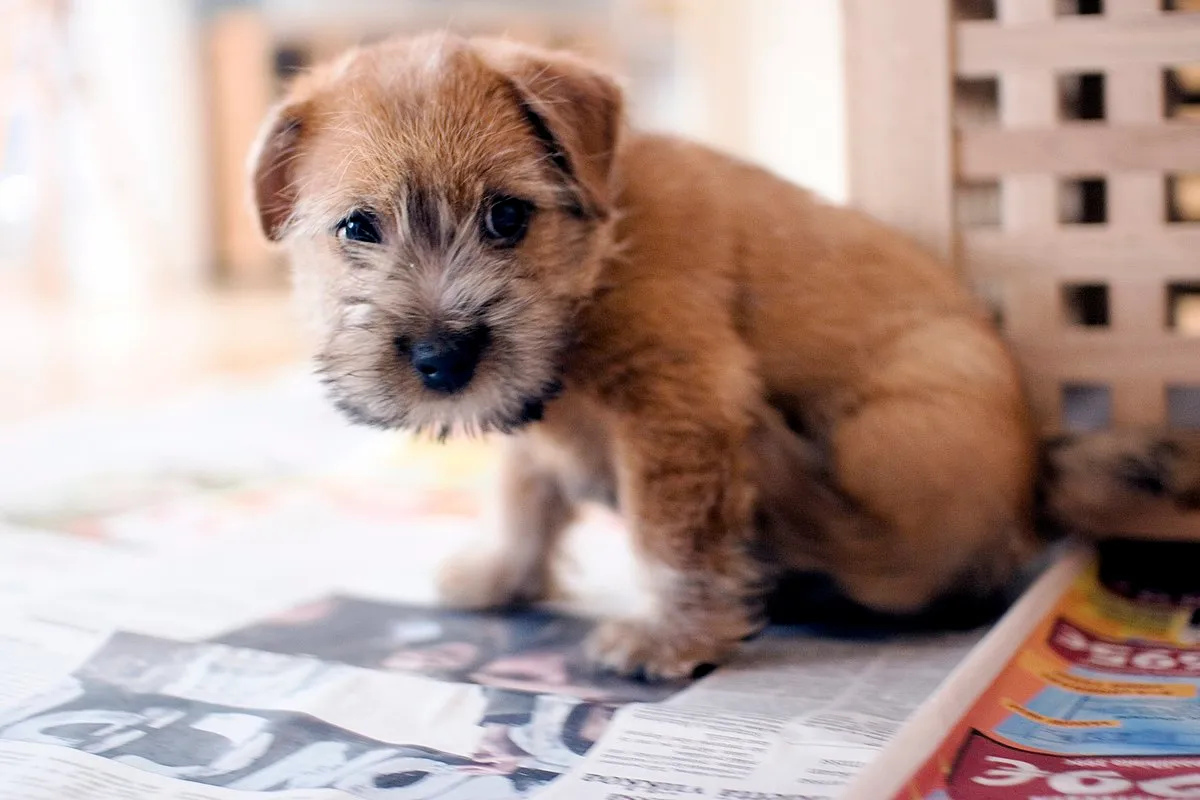
The Norfolk Terrier is a small, courageous working terrier which was initially developed in England in the 19th century. Due to drooping ears and a fierce nature, it was bred as a vermin controller and fox hunter in East Anglia.
Characteristics
Barking
Quiet
Loud
Temperament with Kids
Aggressive
Friendly
Playfulness
Silent
Very Playful
Friendliness
Not Friendly
Super Friendly
Compatibility with other dogs
Aggressive
Friendly
Need for attention
Independent
Very Needy
Monthly Expenses


Shop or Adopt a Norfolk Terrier: Make the Right Choice!
Cost of buying
₹ 50,000 - ₹ 1,00,000
Norfolk Terriers are charming, affectionate and devoted companions, distinguished by their unique appearance. When you adopt a Norfolk Terrier, you provide a loving home to a dog in need and bring a devoted friend into your life. Adoption helps support animal welfare and deters unethical breeding practices.
Prerequisites to pet a Norfolk Terrier
Access to Groomer
Access to Veterinary
Appropriate Climate
Lifestyle Compatibility
Financial Capability
Best Practices to Follow While Shopping or Adopting a Norfolk Terrier
- Try shelters or breed-specific rescues like the Norfolk Terrier Rescue Network.
- Select breeders that provide health clearances and proper care.
- Their breathing issues make regular vet visits important.
- Their thick coat requires constant brushing and care.
- Moderate activity helps prevent obesity.
- Stubbornness is curbed by early training and builds confidence.
- Ideal for apartments but sensitive to extreme temperatures.
- Handle with care, best for families with older children.
Nutrition Care for the Norfolk Terrier
Monthly Food Expenses
₹ 1,200 - ₹ 1,800
Calories per day
Puppies: 600 kcal
Adults: 300 kcal
Essential Nutrients
Protein
Fats
Carbohydrates
Fibre
Vitamins
Minerals
List of foods
Chicken
Dry Dog Food
Fresh Meat
Fresh Fish
Fruits
Mutton
Home made meals
Vegetables
- Norfolk Terriers need a balanced diet to support their size and coat.
- Include protein, healthy fats, carbs, vitamins, and minerals for strength and coat health.
- Avoid low-quality food to prevent deficiencies and weight gain.
- Adjust feeding based on age and activity level.
- Mix dry food with lean meats and vegetables for balanced nutrition.
Breakdown of Macro-nutrients
Best Foods for Norfolk Terriers
Ideal dog foods include:
Foods to Avoid for Norfolk Terriers
Avoid anything with these ingredients
Alcohol
Almonds
Avocados
Cherries
Cinnamon
Coffee / Tea
Dairy
Fruit seeds
Garlic
Grapes
Lemon
Milk Products
Mushrooms
Onions
Salt
Sugar
- Grapes & raisins – Related to kidney failure. It is best avoided altogether because just one grape can be dangerous.
- Onions & garlic – Destroy red cells. It may result in anaemia and weakness in the long run.
- Macadamia nuts – May lead to tremors. Usually causes vomiting, fever, and muscle weakness.
- Chocolate – This may lead to death or seizures. They are poisonous to the dogs even in small quantities.
- Xylitol – Present in gum & sweets, is lethal. This leads to a rapid release of insulin and liver failure.


Healthcare for the Norfolk Terrier
Avg Monthly Expenses
₹ 300 - ₹ 750
Common Health Issues
Hip Dysplasia
Patellar Luxation
Heartworm
Parasites
Kennel Cough
Parvovirus
Rabies
Canine Influenza
Well being
Exercise
Agility Training
Bonding
Games
Socialization
Energy Level
High
Exercise routine
45 - 60 minutes
Recognising Stress
Changes in appetite
Excessive Barking
Pacing
Excessive Panting
Reluctance to move
Increased laziness
Decreased play
Common Health Problems of Norfolk Terriers
- Mitral Valve Disease (MVD) – A typical Cavalier heart problem. Routine heart examinations will help detect it earlier.
- Patellar luxation – Dislocated kneecaps. May result in limping or skipping during walking.
- Dental disease – Small dogs tend to have tartar and gum problems. Clean teeth regularly or feed on dental chews.
- Allergies – It may irritate the skin or cause ear infections. Pay attention to redness, scratching or shaking the head.
Vaccination details
Growth Stage
Core Vaccines
6-8 Weeks
Distemper, Parvovirus, Canine Hepatitis, Parainfluenza
10-12 Weeks
DHPP (Distemper, Hepatitis, Parainfluenza, Parvovirus), Leptospirosis
14-16 Weeks
DHPP, Rabies
Annually
DHPP, Rabies
Senior Norfolk Terrier Care
- Gentle walks – Maintain movement without overexertion. Keeps the muscles in movement and guards the deteriorating joints.
- Bi-annual vet visits – To detect age-related problems early. Early detection translates to better control and treatment.
- Supplements – Glucosamine, omega-3s and antioxidants. Aid mobility and immunity, and help reduce inflammation.
- Balanced senior diet – Digestible meals that are rich in nutrients. Satisfies the needs of the ageing dogs without straining the system.
Norfolk Terrier Grooming Routine
Avg Monthly Expenses
₹ 700 - ₹ 1,200
Shedding Level
Low Shedding
Hygienic Checklist
Brushing
Nail Trimming
Teeth Care
Ear Cleaning
Bathing
Eye Care
Benefits of Grooming
Cleanliness
Low Shedding
Odourless
Prevents infections
Quality of life
Prevents Bad Breath
Norfolk Terriers have moderate energy levels.


Frequently Asked Questions
Are Norfolk Terriers hypoallergenic?
Yes, it is said to be hypoallergenic since it sheds little and produces little dander.
Are they good with kids?
Yes, they are good with children when socialized early and treated with respect.
Do Norfolk Terriers bark a lot?
They are watchdogs and bark at strangers. Unnecessary barking can be curbed by training and stimulation.
How much grooming do they need?
They need to be brushed once a week and hand stripped twice a year. It should be groomed every 6-8 weeks.