Home
/
Dog Breeds
/
Lapponian Herder
Lapponian Herder
Origin
Finland
Size
Medium Breed
Ideal Space
Independent House
Ideal Weather
15ºC
Life Expectancy
12-14 years
Cost of buying
₹ 70,000 - ₹ 1,50,000
Top 5 Traits
Athletic
Energetic
Intelligent
Loyal
Protective
Avg Monthly Expenses
₹ 3,550 - ₹ 5,400

by Happy Pet TeamUpdated on 16 May 2025
Introduction to the Lapponian Herder
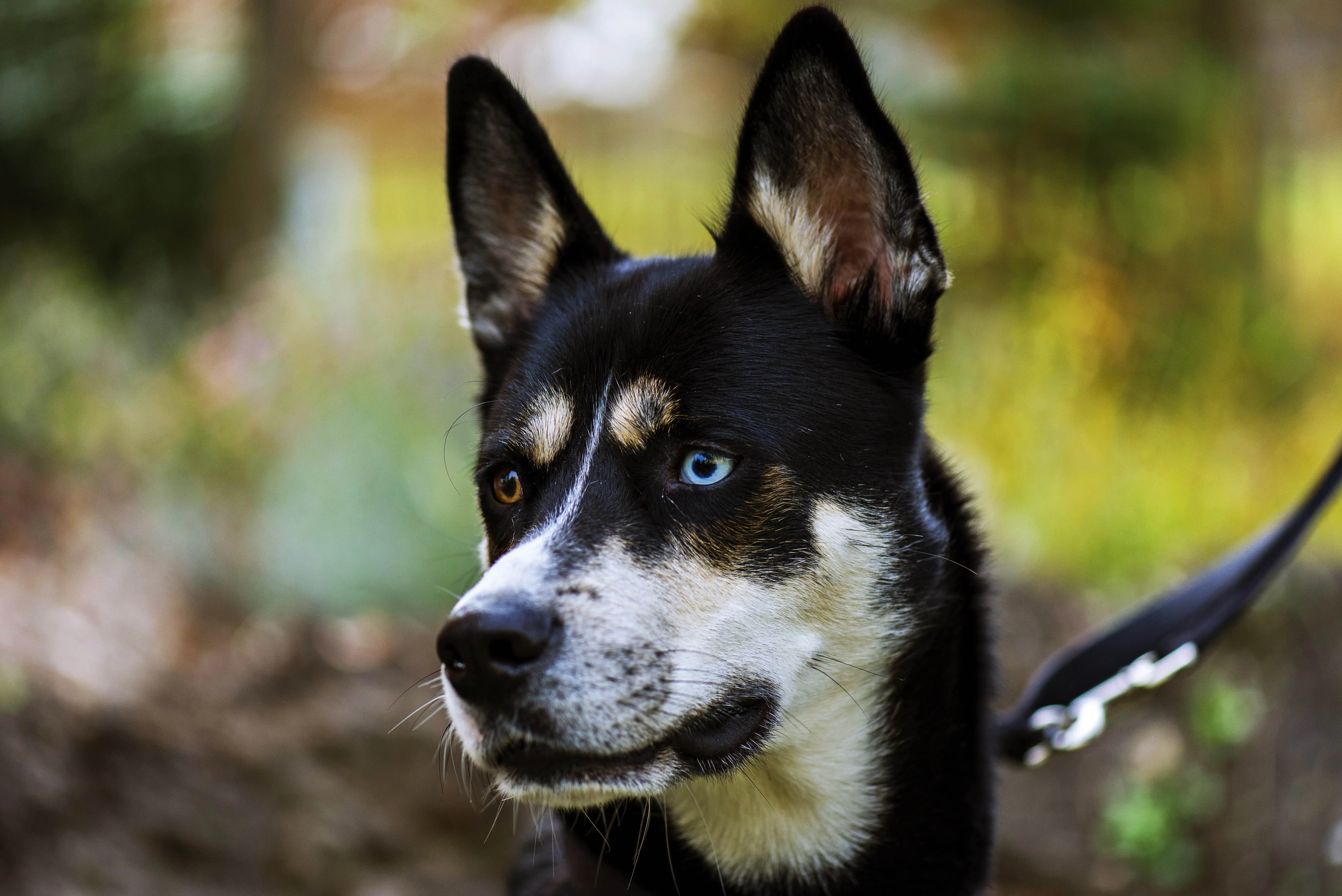
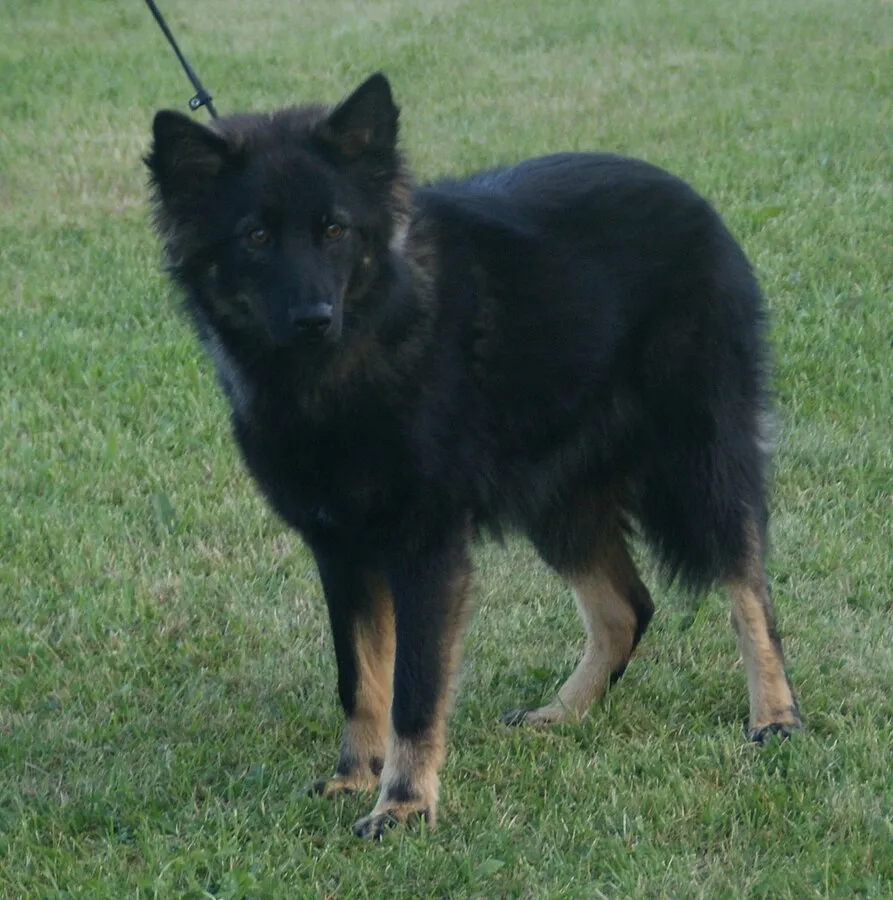
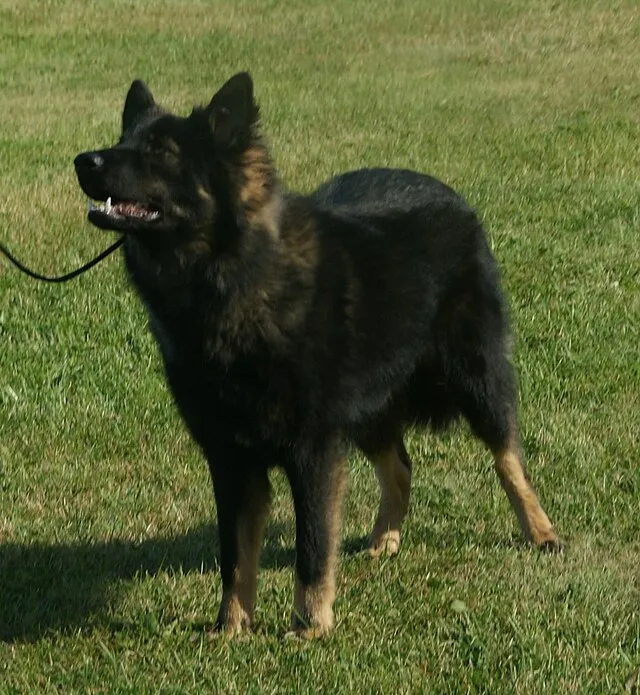
The Lapponian Herder, also called Lapinporokoira, originates from Finland and the indigenous Sámi people bred them for use in reindeer herding. For hundreds of years, these dogs have been brought along to control large herds of reindeer in harsh weather.
Characteristics
Barking
Quiet
Loud
Temperament with Kids
Aggressive
Friendly
Playfulness
Silent
Very Playful
Friendliness
Not Friendly
Super Friendly
Compatibility with other dogs
Aggressive
Friendly
Need for attention
Independent
Very Needy
Monthly Expenses


How Much Does Lapponian Herders Cost?
Cost of buying
₹ 70,000 - ₹ 1,50,000
Lapponian Herders price depends on lineage, breeder reputation, and location. In India, they typically cost between ₹ 70,000 - ₹ 1,50,000.
Prerequisites to pet a Lapponian Herder
Access to Groomer
Access to Veterinary
Appropriate Climate
Lifestyle Compatibility
Financial Capability
Shop or Adopt a Lapponian Herder: Choice is Yours!
Buying a Lapponian Herder from a responsible breeder means ethical breeding while adopting one saves a rescue dog a second chance at a loving home. Pick the one based on your way of living and your commitment to their care.
Nutrition Care for the Lapponian Herder
Monthly Food Expenses
₹ 2,250 - ₹ 3,000
Calories per day
Puppies: 1200 kcal
Adults: 1800 kcal
Essential Nutrients
Protein
Fats
Carbohydrates
Vitamins
Minerals
List of foods
Chicken
Dry Dog Food
Fresh Meat
Fresh Fish
Fruits
Mutton
Home made meals
Vegetables
- Lapponian Herders require high quality protein for muscle strength and endurance.
- Healthy fats supply energy and maintain a healthy coat.
- Brown rice is a complex carbohydrate that helps support their activity levels.
- Immunity and joint health are strengthened by vitamins and minerals.
- Adults, puppies and seniors have different nutritional needs.
- It is best to avoid low quality food because it can lead to nutritional deficiencies.
- Balanced nutrition can be provided by mixing dry food with lean meats and vegetables.
Breakdown of Macro-nutrients
Best Foods for Lapponian Herders
- Proteins: Chicken, lamb, or fish are sources of high quality protein, which help build muscle and repair tissue.
- Fats: Fish oil, flaxseed, and healthy fats, all help maintain a healthy coat and give concentrated energy.
- Carbohydrates: Complex carbohydrates such as brown rice and sweet potatoes help sustain moderate energy levels.
- Vitamins and Minerals: Critical to immune function, bone health and coat quality.
- Water: After exercise or work, it is important to keep them adequately hydrated.
Foods to Avoid for Lapponian Herder
Avoid anything with these ingredients
Alcohol
Almonds
Avocados
Cherries
Cinnamon
Coffee / Tea
Dairy
Fruit seeds
Sugar
Salt
Onions
Mushrooms
Milk Products
Lemon
Grapes
Garlic
- Theobromine, present in chocolate, is toxic to dogs.
- Red Blood Cells can be damaged by Onions and Garlic.
- High fat and salty snacks can cause digestive problems.
- Colours and preservatives are artificial additives that may trigger allergies.


Healthcare for the Lapponian Herder
Avg Monthly Expenses
₹ 600 - ₹ 1,200
Common Health Issues
Hip Dysplasia
Progressive Retinal Atrophy (PRA)
Patellar Luxation
Epilepsy
Skin Allergies
Elbow dysplasia
Ear Infections
Autoimmune Disorders
Well being
Exercise
Agility Training
Bonding
Games
Socialization
Energy Level
High
Exercise routine
60 - 90 minutes
Recognising Stress
Changes in appetite
Excessive Barking
Pacing
Excessive Panting
Reluctance to move
Increased laziness
Common Health Problems of Lapponian Herders
Lapponian Herders tend to be healthy, but, like all breeds, may be prone to certain health issues related to their breed.
Vaccination details
Growth Stage
Core Vaccines
6-8 Weeks
Distemper, Parvovirus
10-12 Weeks
Distemper, Parvovirus, Adenovirus
14-16 Weeks
Distemper, Parvovirus, Rabies
Annually > 52 Weeks
Distemper, Parvovirus, Rabies
Senior Lapponian Herders Dog Care
- Exercise: To avoid stiffness, keep up with light daily exercise. Keeping joints flexible can be done with short walks, gentle play sessions, etc.
- Joint Supplements: Add glucosamine and chondroitin to the diet. The supplements will help to improve joint health and help in reducing inflammation.
- Comfortable Resting Area: Make sure to place soft bedding to safeguard ageing joints. Orthopaedic beds relieve pressure and improve their sleep quality.
- Regular Vet Visits: Senior dogs require more frequent checkups to monitor for age related problems.
- Diet Adjustments: Calorie diets can help older dogs prevent weight gain and support general health.
Grooming Tips for Lapponian Herder
Avg Monthly Expenses
₹ 700 - ₹ 1,200
Shedding Level
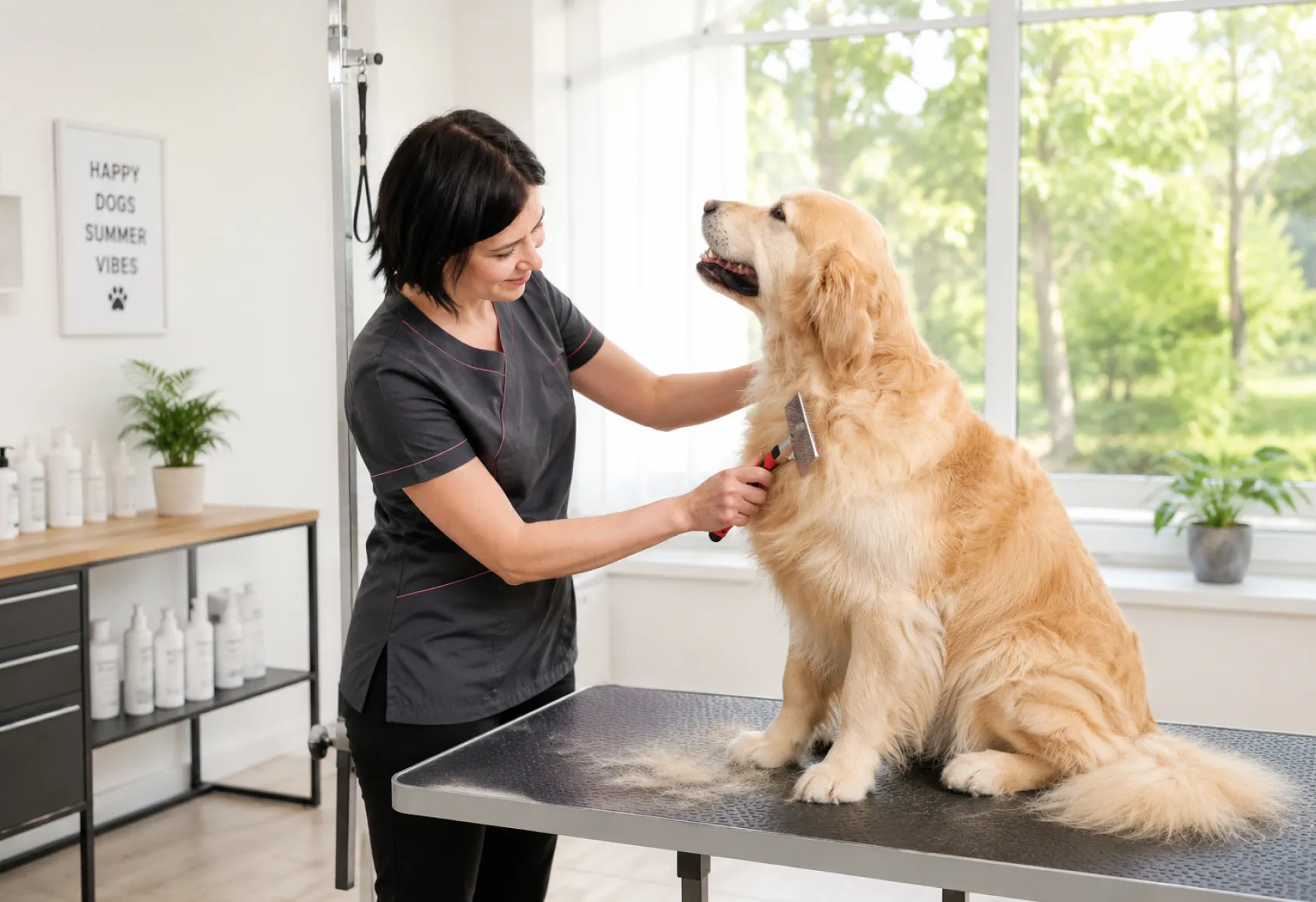
Moderate Shedding
Hygienic Checklist
Bathing
Brushing
Ear Cleaning
Nail Trimming
Eye Care
Teeth Care
Benefits of Grooming
Cleanliness
Low Shedding
Odourless
Prevents infections
Quality of life
Prevents Bad Breath
Moderate grooming is required for the dense double coat of the Lapponian Herders.


Written by
Happy Pet TeamAuthor
Team Happy Pet is a passionate collective of pet experts, enthusiasts, and advocates dedicated to sharing trusted and insightful content.
Our cont
Compare with similar breeds
Frequently Asked Questions
Are Lapponian Herders good with children?
Yes, they are gentle and protective through proper socialization. They do really well with children, are patient, but early training is good for their adjustment.
Can Lapponian Herders live in apartments?
Yes, but they need daily exercise and mental stimulation. Regular walks and play sessions prevent boredom and restlessness.
How much grooming do they need?
Brushing is generally done weekly, but extra brushing may be required during shedding seasons to keep loose hair under control.
Are they easy to train?
Yes, but they need constant and positive reinforcement. They respond better if they are trained early and have regular sessions.