Home
/
Dog Breeds
/
Finnish Lapphund
Finnish Lapphund
Origin
Finland
Size
Medium Breed
Ideal Space
House with backyard
Ideal Weather
5º-20ºC
Life Expectancy
12-15 years
Cost of buying
₹ 3,00,000 - ₹ 5,00,000
Top 5 Traits
Athletic
Intelligent
Loyal
Playful
Protective
Avg Monthly Expenses
₹ 4,650 - ₹ 6,600

by Happy Pet TeamUpdated on 28 Aug 2025
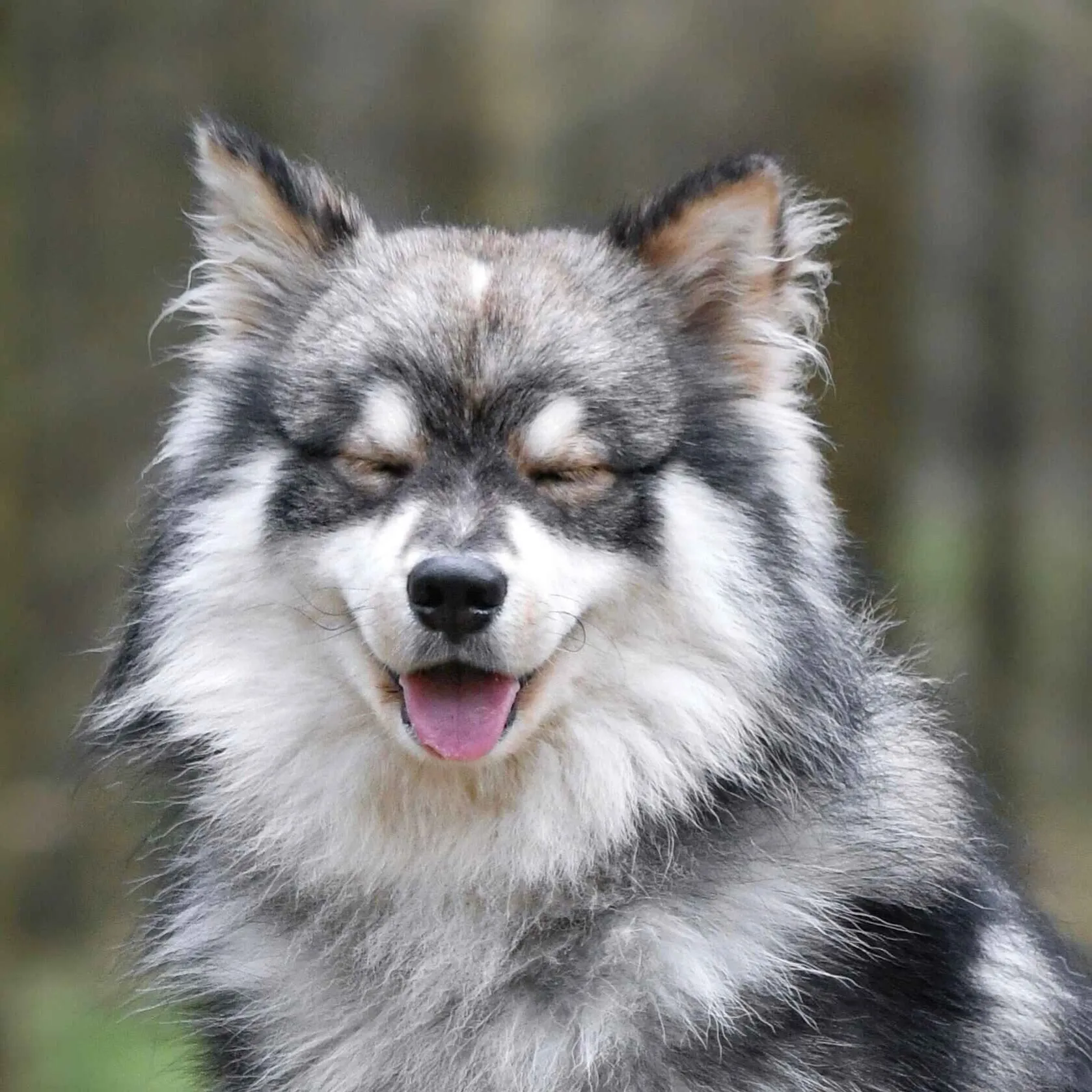
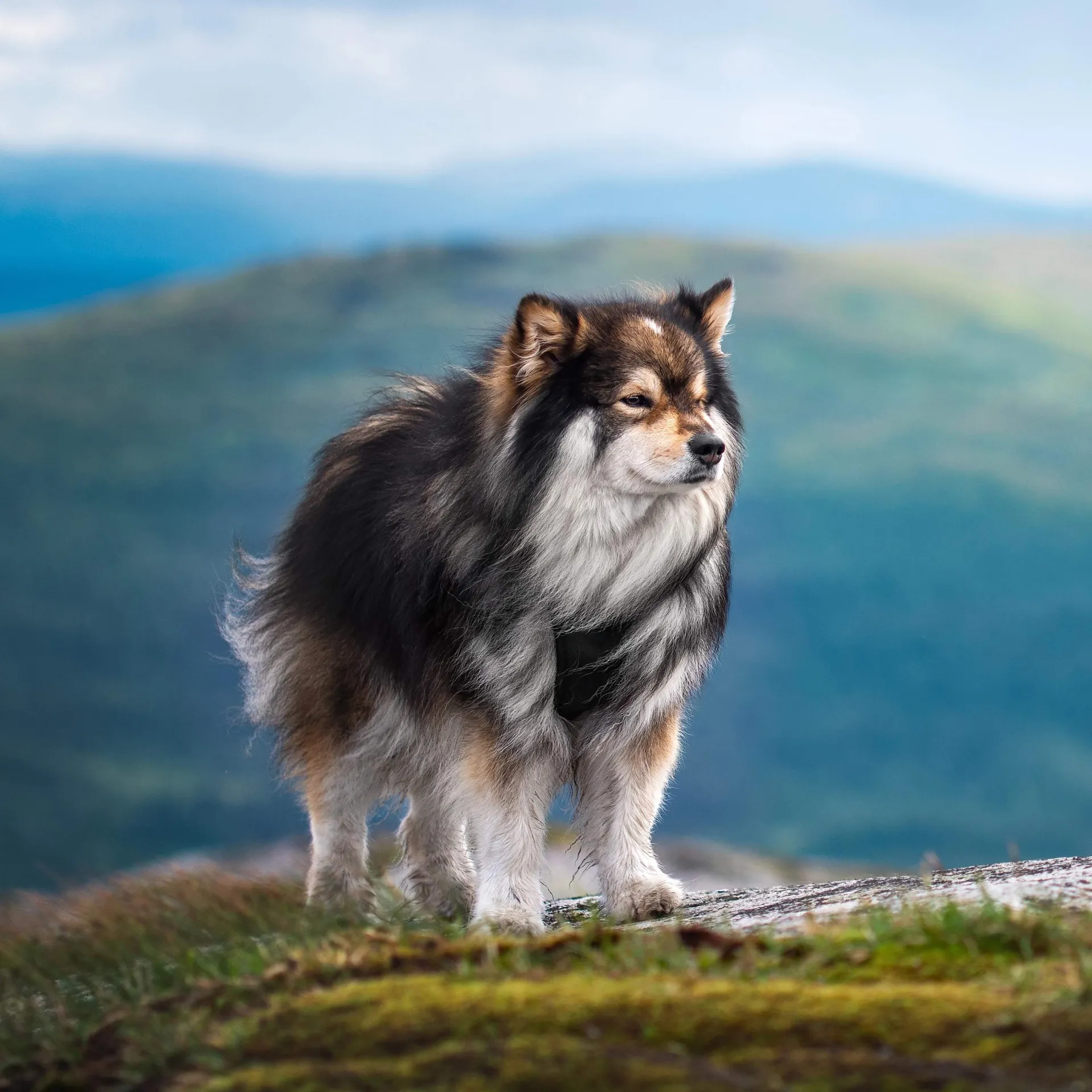
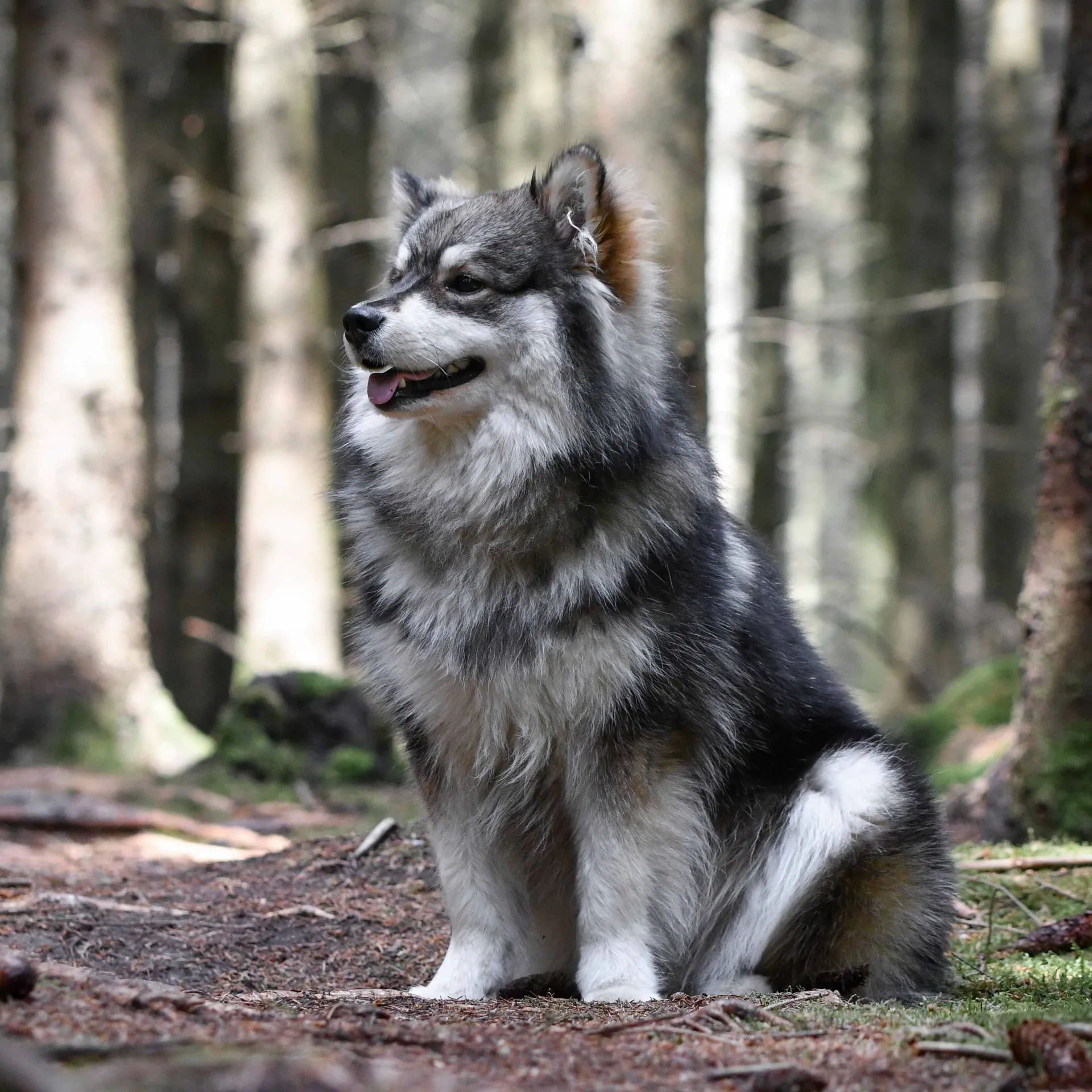
Meet the Finnish Lapphund: The Fluffy Reindeer Herder Turned Family Dog
If you’ve ever wished for a dog that looks like a teddy bear but acts like your most loyal friend, the Finnish Lapphund could be the one. Originating in Lapland, this breed was traditionally used for herding reindeer in freezing Nordic conditions. The American Kennel Club (AKC) describes them as intelligent, gentle, and eager to please—qualities that make them ideal family companions today.
Though still uncommon in India, Lapphunds are gradually gaining interest among pet parents looking for a rare, affectionate, and trainable medium-sized dog. With their thick coats and sociable nature, they can adapt surprisingly well to Indian homes, provided you manage the climate challenges and their exercise needs.
How Long Do Finnish Lapphunds Live?
One of the best things about the Finnish Lapphund is their impressive lifespan of 12–15 years, as highlighted by the Finnish Lapphund Club of America. With balanced nutrition, regular vet checks, and care suited to Indian weather, many even thrive beyond that.
In India, pet parents should keep an extra eye on joint health, as arthritis or hip dysplasia can be aggravated by humid climates and slippery flooring common in city apartments. Adding joint supplements, fish oil, and providing soft bedding goes a long way in keeping them comfortable through their senior years.
Temperament & Personality
The Finnish Lapphund may look like a fluffy giant, but they’re surprisingly adaptable and people-oriented.
- Family dogs: They’re affectionate without being clingy. In Indian families, they fit well with both nuclear households in metros and larger joint families in smaller towns. Expect them to shadow you from room to room, yet remain calm when left alone for short periods.
- Kid-friendly: Known for their patience, they get along well with children. Their playful, gentle nature means they’ll happily join in games, though young kids should be taught not to pull their thick fur.
- Watchdog ability: Despite their soft looks, they’re alert and will bark to announce strangers—an advantage in Indian apartments or independent homes. However, they’re not aggressive, making them better watchdogs than guard dogs.
- Social instincts: Finnish Lapphunds are friendly with other dogs if socialized early. This is important in India, where strays are common. Early leash training and positive introductions help prevent overexcitement during walks.
Their intelligence is both a blessing and a challenge. As The Kennel Club (UK) notes, they are quick learners but can get bored without stimulation. Obedience classes, trick training, and puzzle feeders keep them engaged and prevent destructive habits.
Apartment vs. Farmhouse Life
The Finnish Lapphund is adaptable but thrives best when their physical and mental needs are met.
- Apartments in Indian metros (Delhi, Mumbai, Bengaluru): Yes, they can live comfortably indoors, but they do need regular exercise. Two brisk walks a day and indoor games like tug-of-war or scent games are essential. Their thick coat means you should avoid midday heat and stick to early mornings or evenings for outdoor activity.
- Farmhouses or suburban homes: This is where they shine. With secure fencing and open space, they can run and play freely. Just remember, their herding instincts may kick in around livestock or even kids, so supervision is important.
In India, managing their coat is another lifestyle factor. Air-conditioning or cool resting areas are a must in hot cities, while ceiling fans and regular grooming help prevent overheating. Unlike giant working breeds, their medium size makes them easier to handle in urban apartments, but commitment to daily activity is non-negotiable.
Characteristics
Barking
Quiet
Loud
Temperament with Kids
Aggressive
Friendly
Playfulness
Silent
Very Playful
Friendliness
Not Friendly
Super Friendly
Compatibility with other dogs
Aggressive
Friendly
Need for attention
Independent
Very Needy
Monthly Expenses


Lifespan & Price in India
Cost of buying
₹ 3,00,000 - ₹ 5,00,000
- Finnish Lapphunds are generally healthy and long-lived, with an average lifespan of 12–15 years. Some fortunate pups live to 16 or beyond.
- In India, they’re rare and often imported, which raises the price. Expect a range of ₹3–5 lakhs, depending on lineage and health clearances. Always ask for vaccination, microchip, and genetic test records, preferring NIH-certified breeders over backyard offers.
Exercise Needs
- These dogs are intelligent and active—but not hyper. They thrive on 60–90 minutes of daily activity, like walks, play, and mental training. They love agility or fetch too.
- Climate adaptation: Walk early mornings or late evenings to escape scorching Indian afternoons. If outdoor space is limited, indoor games like tug, scent puzzles, or hide-and-seek are excellent substitutes.
Prerequisites to pet a Finnish Lapphund
Access to Groomer
Access to Veterinary
Appropriate Climate
Lifestyle Compatibility
Financial Capability
Space and Environment
Willingness to train
Shop or Adopt a Finnish Lapphund: Tips for Indian Pet Parents
Adoption is rare but worth exploring—some established NGOs even have uncommon breeds in their care.
If buying, look for ethical breeders who:
- Provide health screenings for joints and eyes.
- Conduct DNA testing for conditions like PRA or cataracts.
- Raise puppies in social environments, not isolated kennels.
Finnish Lapphunds are gentle, loving, and a bit vocal—perfect for families with time and space for daily care. Not ideal for busy or first-time owners without a routine.
Nutrition Care for Finnish Lapphunds
Monthly Food Expenses
₹ 2,250 - ₹ 3,000
Calories per day
Puppies: 1600 kcal
Adults: 800 kcal
Essential Nutrients
Protein
Fats
Carbohydrates
Vitamins
Minerals
Fibre
List of foods
Chicken
Dry Dog Food
Fresh Meat
Fresh Fish
Fruits
Mutton
Home made meals
Vegetables
The Finnish Lapphund may look like a fluffy cuddle buddy, but don’t let the teddy-bear looks fool you—they’re true working dogs at heart. Traditionally bred to herd reindeer in icy Lapland, these dogs are energetic, intelligent, and need a diet that matches their lifestyle. While they can adapt to urban Indian homes, their nutrition should always balance energy, coat health, and joint care. The American Kennel Club notes that Lapphunds thrive on high-quality, balanced meals—whether premium kibble or carefully prepared home food.
Protein: Strong Muscles for a Sturdy Worker
Protein is the cornerstone of a Finnish Lapphund’s diet. Since they’re medium-sized, muscular, and highly active, they need lean protein to fuel daily walks, play sessions, and training. The PetMD nutrition guide emphasizes that active breeds need protein as their primary nutrient source.
For Indian pet parents, good protein options include chicken, turkey, eggs, goat meat, and fish. Locally available varieties like rohu, mackerel, or sardines are excellent, affordable sources of omega-rich protein. If you’re cooking at home, remember to serve meats boiled or lightly cooked—no masala, no excess oil.
Healthy Fats: Energy & Coat Care
The Lapphund’s thick double coat isn’t just for show—it’s part of what makes them so striking. Healthy fats are essential to maintain that fluffy shine while also providing energy for their active lifestyle. According to VCA Animal Hospitals, omega fatty acids support skin and coat health in all breeds, especially those with dense fur.
- Salmon, sardines, and anchovies are great natural sources.
- A teaspoon of coconut oil a few times a week can help with digestion and skin.
- Some Indian homes also prepare homemade fish oil (in small vet-approved amounts) as an affordable omega-3 boost.
Carbohydrates: Slow and Steady Energy
Lapphunds are playful, alert, and always ready for activity. They need carbs that release energy gradually—helping them stay active without piling on extra kilos. Instead of refined foods like breads, choose complex carbs that are easy to digest and already part of Indian kitchens.
Good options include sweet potatoes, brown rice, oats, ragi (finger millet), and bajra (pearl millet). These provide steady energy for daily walks and play while preventing sugar spikes.
Vitamins & Minerals: Overall Wellness
For a medium-sized working breed like the Finnish Lapphund, strong bones and a resilient immune system are must-haves. The role of vitamins and minerals is very important in long-term health and joint support.
Indian staples like carrots, pumpkin, spinach, beans, and peas are nutrient-rich and easy to add to meals. Many pet parents mix boiled veggies with rice and protein to create balanced, wholesome meals.
Feeding Guidelines for Finnish Lapphunds
- Puppies (2–12 months): 3–4 small meals a day. Use high-quality puppy kibble along with home-cooked protein like chicken or egg. Vet-recommended calcium supplements help with bone development.
- Adults (1–8 years): 2 balanced meals a day. Rotate between premium kibble and fresh home food. During hot Indian summers, feed a lighter morning meal (like rice with vegetables) and a protein-rich dinner (like chicken with pumpkin or fish with sweet potato).
- Seniors (8+ years): Reduce calorie intake by 15–20% to prevent weight gain. Stick to lean meats, digestible carbs, and joint supplements (like glucosamine). Smaller, frequent meals help with digestion and keep them comfortable.
Breakdown of Macro-nutrients
Best Foods for Finnish Lapphunds in India
- Premium Kibble: Options like Farmina N&D Low Grain, Orijen, or Acana are well-suited for medium breeds with moderate energy needs.
- Home-Cooked Meals:
- Chicken + pumpkin + rice + spinach
- Sardine or mackerel + sweet potato + beans
- Egg + oats + carrots
- Supplements: Omega-3 for coat and joint health; glucosamine for long-term mobility—always under a vet’s advice.
Always stick to boiled meats and lightly cooked veggies. Avoid heavy oils and spices. Fresh water is a must, especially in hot and humid regions where thick-coated breeds can overheat quickly.
Never feed these foods to Finnish Lapphund
Avoid anything with these ingredients
Alcohol
Almonds
Avocados
Cherries
Cinnamon
Coffee / Tea
Dairy
Fruit seeds
Sugar
Salt
Onions
Mushrooms
Milk Products
Grapes
Lemon
Garlic
Because of their medium size and sensitivity to certain foods, even small amounts of the wrong food can lead to problems:

- Toxic foods: Onions, garlic, grapes, raisins, chocolate, and xylitol.
- Indian street foods: Avoid fried snacks like pakoras, samosas, or spicy gravies—they can cause stomach upsets and weight gain.
- Poor-quality kibble: Brands loaded with corn, soy, or artificial flavors add empty calories.
- Unsafe chews: Rawhides or brittle bones that can splinter.

Health
Avg Monthly Expenses
₹ 1,200 - ₹ 1,800
Common Health Issues
Bloat
Canine distemper
Hip Dysplasia
Heartworm
Kennel Cough
Lyme disease
Parasites
Rabies
Well being
Exercise
Agility Training
Bonding
Games
Socialization
Energy Level
High
Exercise routine
60 - 90 minutes
Recognising Stress
Changes in appetite
Excessive Barking
Pacing
Excessive Panting
Reluctance to move
Healthcare for the Finnish Lapphund
The Finnish Lapphund is a hardy, affectionate northern breed known for its resilience and long lifespan, often living 12–15 years with proper care. According to the American Kennel Club, they are generally healthy but, like many purebred dogs, may carry risks of certain hereditary conditions. In India—where this breed is rare and usually imported—it becomes especially important for pet parents to be proactive with health checks and ensure ethical sourcing from breeders who provide DNA test results.
Because Lapphunds were originally bred to herd reindeer in the Arctic, India’s hot climate can be a big adjustment. Families here need to adapt daily routines to prevent overheating. Simple practices like walking them during early mornings or evenings, always keeping fresh water available, and providing cooling mats or AC in metro homes help them cope much better with the weather.
Common Health Issues in Finnish Lapphunds
While generally strong and adaptable, the breed does have a few inherited health concerns. The Finnish Lapphund Club of America highlights progressive retinal atrophy (PRA), hip dysplasia, and cataracts as conditions that responsible breeders screen for. If you’re bringing a Lapphund to India, asking for genetic test records is non-negotiable.
Joint issues, like hip or elbow dysplasia, can become worse if dogs are over-exercised on India’s hard urban surfaces (concrete or tiled floors). To avoid this, mix their activity between soft garden spaces, indoor games, and mental stimulation like puzzle feeders. Dental problems are another concern, especially since regular brushing is still uncommon among Indian pet parents—yet tartar buildup can lead to painful gum disease.
Skin irritations may also pop up, particularly in India’s humid monsoon season when fungal infections are common. Their dense double coat can trap moisture, so drying them thoroughly after baths or rainy walks and occasionally using a vet-recommended medicated or neem-based shampoo helps keep the skin healthy.
General Healthcare Tips for Indian Homes
- Regular Vet Visits: Annual checkups with focus on eyes, joints, and dental health are crucial. In cities with advanced pet care like Bengaluru, Delhi, or Mumbai, opt for clinics that offer hip X-rays and eye screenings.
- Dental Hygiene: Weekly brushing with canine toothpaste or vet-approved dental chews (widely available on Indian sites like Supertails and Heads Up For Tails) keeps their teeth healthy.
- Weight Management: Lapphunds love food and may gain weight easily—especially in apartments where space is limited. Stick to portion-controlled meals and avoid feeding from the dining table.
- Supplements: Glucosamine for joints and omega-3 fish oil (easily available at Indian pharmacies) support both mobility and coat health.
- Mental Enrichment: This intelligent working breed thrives when given a job to do. Interactive toys, indoor agility setups, or hide-and-seek games are great for smaller Indian homes where outdoor time may be limited.
Vaccination details
Growth Stage
Core Vaccines
6-8 Weeks
DHPP (Distemper, Hepatitis, Parvovirus, Parainfluenza)
10-12 Weeks
DHPP, Leptospirosis
14-16 Weeks
DHPP, Rabies
12-16 Weeks
Bordetella (Kennel Cough)
Annually
DHPP, Rabies
Recommendations to care for senior Finnish Lapphund dogs
As Lapphunds age, their needs shift. Senior dogs benefit from bi-annual vet checkups that include blood panels to monitor kidneys, thyroid, and liver function. In hotter cities like Chennai or Hyderabad, walks should be shorter and scheduled at sunrise or after sunset to avoid heat stress. Orthopedic bedding also helps cushion their joints in older age.
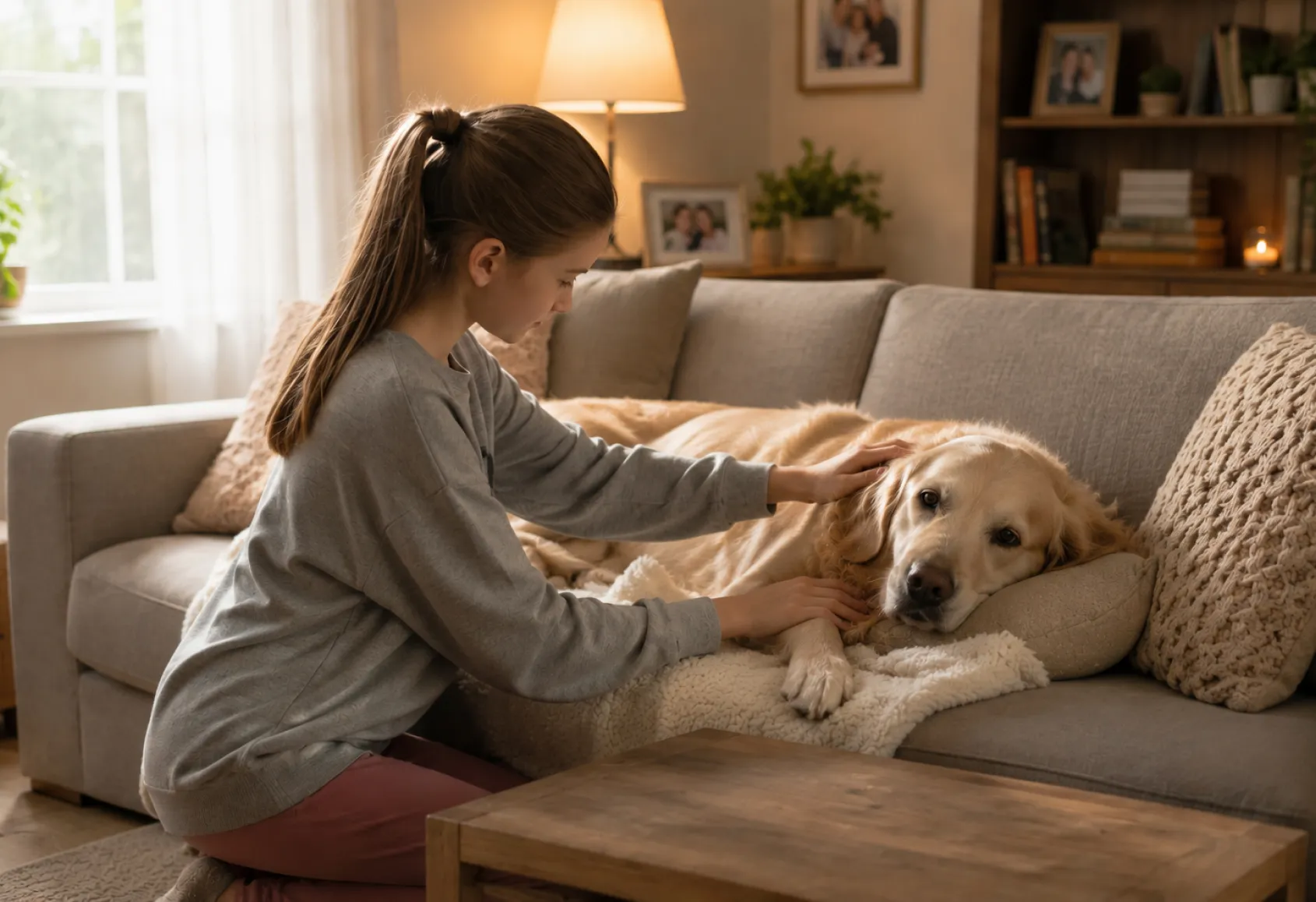
Diet should lean toward lower-calorie meals to avoid obesity, with senior-specific kibble or home-cooked options like boiled chicken, pumpkin, and rice. Many Indian families also include a pinch of turmeric (under veterinary guidance) for its natural anti-inflammatory properties. Gentle massages during the cooler months can ease stiffness, while consistent routines and family interaction reduce anxiety as they grow older.
Similar Breeds
Grooming Routine of the Finnish Lapphund
Avg Monthly Expenses
₹ 1,200 - ₹ 1,800
Shedding Level
High Shedding
Hygienic Checklist
Bathing
Brushing
Ear Cleaning
Nail Trimming
Eye Care
Teeth Care
Benefits of Grooming
Cleanliness
Low Shedding
Odourless
Prevents Bad Breath
Prevents infections
Quality of life
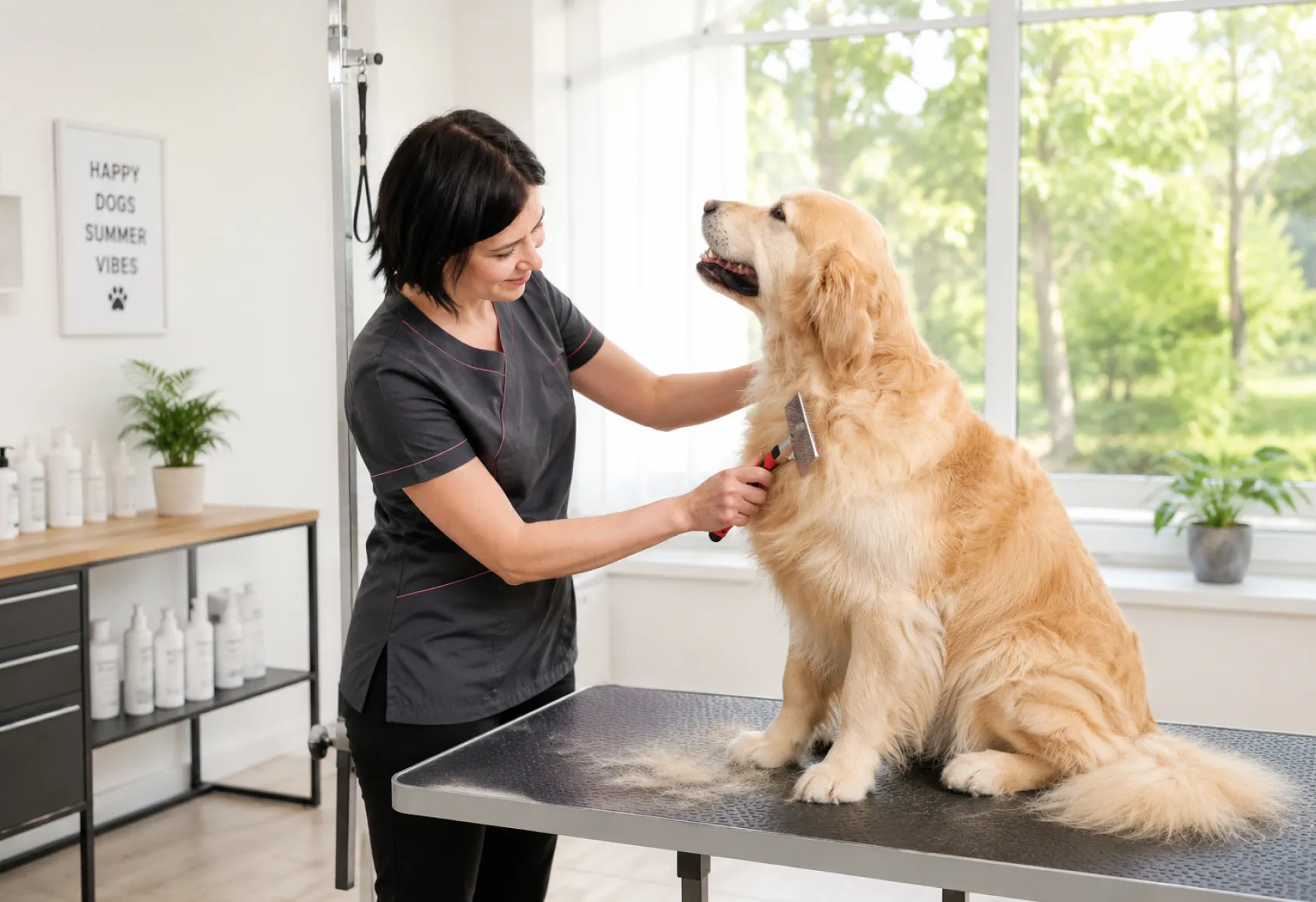
Coat care basics: Finnish Lapphunds have a beautiful, thick double coat: long, coarse guard hairs over a soft undercoat. As noted by PetMD, this provides insulation and weather resistance. In India’s varied climate, this coat helps regulate their temperature—so never shave it, even during hot seasons.

Brushing frequency: A good brushing once a fortnight usually does the trick. But during heavy shedding seasons in spring and autumn, brushing every 2–3 days helps manage loose fur and keeps your home cleaner.
Tools & tips:
- Use a slicker brush and undercoat rake to gently remove loose fur without damaging guard hairs.
- A wide-tooth comb is helpful for delicate spots like behind ears or between the pads.
Bathing guidance: Monthly baths are sufficient unless your Lappie gets especially dirty. Use a gentle, dog-friendly shampoo and make sure to dry them thoroughly—this maintains coat structure and avoids damp undercoat issues.
Other grooming steps:
- Trim fur between paw pads to prevent slips on Indian tile or marble.
- Clean ears and check eyes regularly, especially during monsoon or when siblings chase insects inside.


Written by
Happy Pet TeamAuthor
Team Happy Pet is a passionate collective of pet experts, enthusiasts, and advocates dedicated to sharing trusted and insightful content.
Our cont
Compare with similar breeds
Frequently Asked Questions
How do Finnish Lapphunds adapt to hot climates?
Finnish Lapphunds have thick double coats designed for cold climates. In hotter climates, they need access to air conditioning, shade, and plenty of water to stay cool. Exercise should be limited during the hottest parts of the day to prevent overheating.
Can Finnish Lapphunds live in apartments?
While Finnish Lapphunds prefer larger spaces to roam, they can adapt to apartment living if given sufficient exercise and mental stimulation. Daily walks and regular playtime are crucial to prevent boredom and destructive behavior.
What type of training is most effective for Finnish Lapphunds?
Positive reinforcement training methods are most effective. Finnish Lapphunds respond well to praise, treats, and consistent, gentle guidance. Early socialization and obedience training are crucial to develop a well-mannered dog.
what is a Finnish Lapphund's Lifespan?
They live around 12–15 years, sometimes longer with proper care.