Home
/
Dog Breeds
/
Keeshond
Keeshond
Origin
Netherlands
Size
Medium Breed
Ideal Space
House with backyard
Ideal Weather
5º-25ºC
Life Expectancy
12-15 years
Cost of buying
₹ 50,000 - ₹ 1,00,000
Top 5 Traits
Loyal
Intelligent
Playful
Protective
Friendly
Avg Monthly Expenses
₹ 4,650 - ₹ 6,600

Quick Information
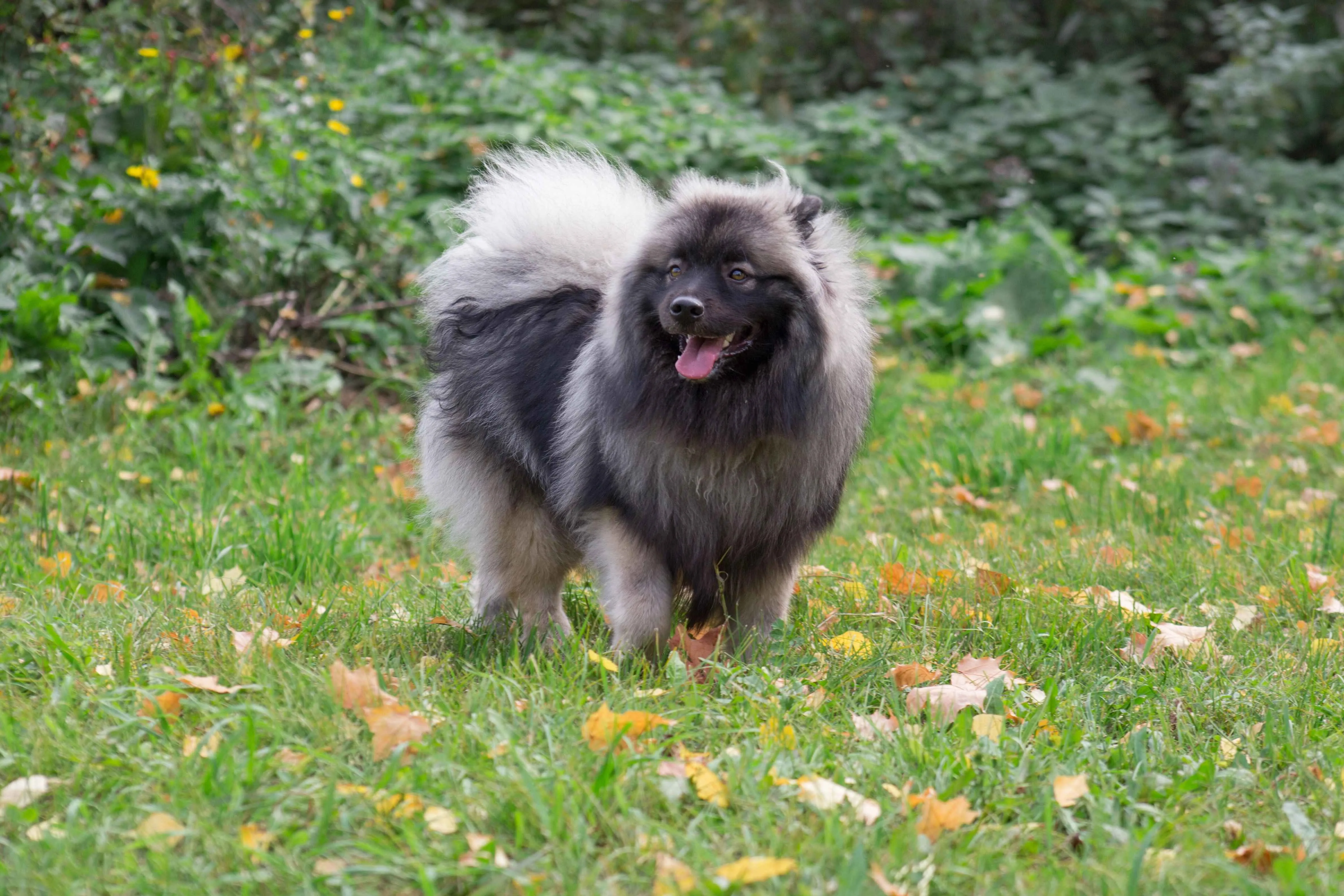
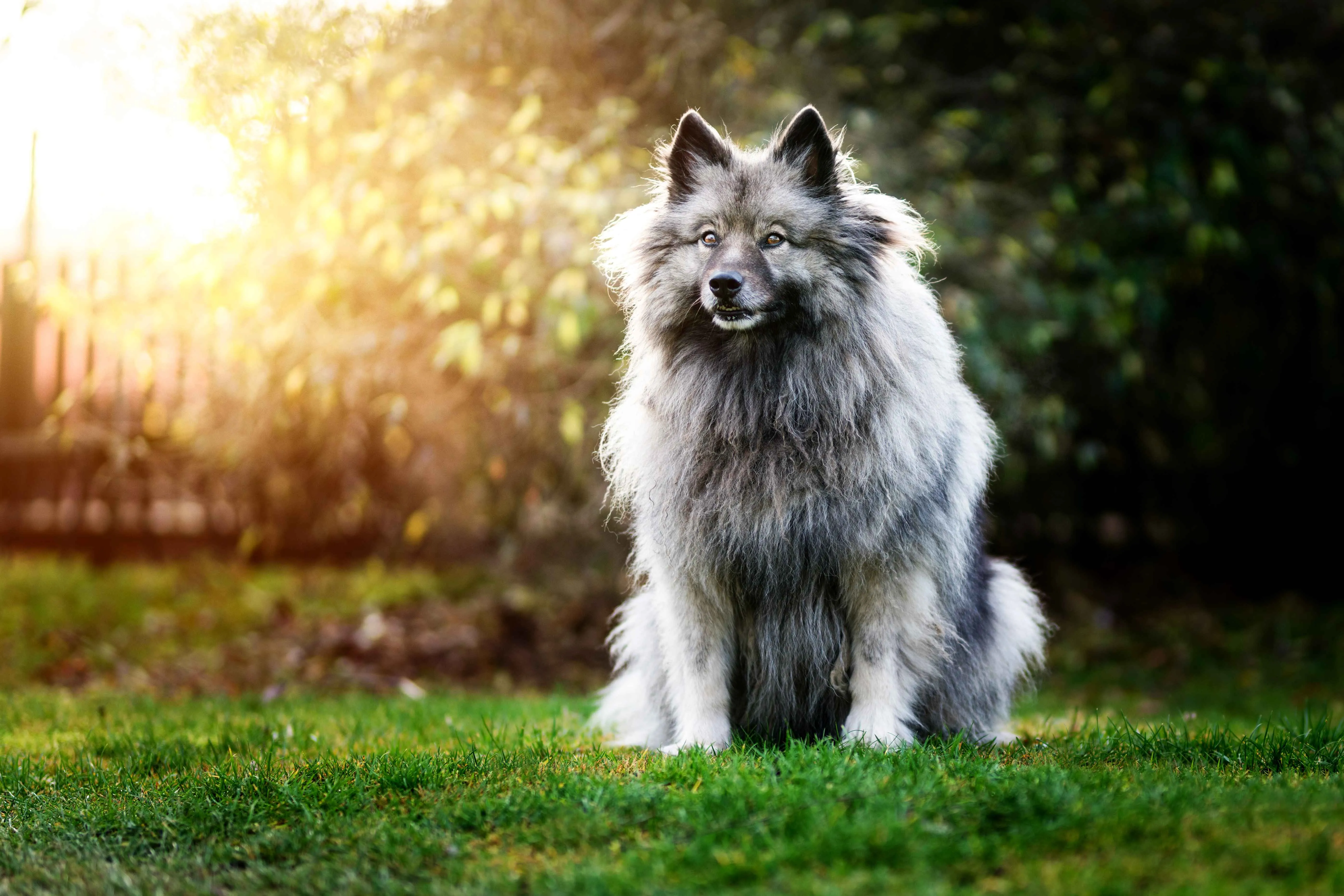
The Keeshond, often called the "Smiling Dutchman," is a strikingly beautiful dog with a thick, double coat, distinctive "spectacles" around its eyes, and a lively expression. Originally bred as a barge dog in the Netherlands, the Keeshond served as a watchful companion aboard Dutch riverboats. This heritage has ingrained a deep loyalty and protective nature in the breed, making them excellent watchdogs that are always alert to their surroundings.
Characteristics
Barking
Quiet
Loud
Temperament with Kids
Aggressive
Friendly
Playfulness
Silent
Very Playful
Friendliness
Not Friendly
Super Friendly
Compatibility with other dogs
Aggressive
Friendly
Need for attention
Independent
Very Needy
Monthly Expenses


Adopt or Shop: The choice is yours!
Cost of buying
₹ 50,000 - ₹ 1,00,000
Buying or adopting are the two main possibilities if you're thinking about getting a Keeshond for your house.
Prerequisites to pet a Keeshond
Access to Groomer
Access to Veterinary
Appropriate Climate
Space and Environment
Time and Effort
Willingness to train
Now that you know what it takes to raise a Keeshond, are you ready to take the next step to pet one?
Research: Do a thorough review of the traits, requirements, and possible health problems of the breed. Ensure that the Keeshond breed is a good fit for your lifestyle.
Nutrition
Monthly Food Expenses
₹ 2,250 - ₹ 3,000
Calories per day
Puppies: 1200 kcal
Adults: 900 kcal
Essential Nutrients
Protein
Carbohydrates
Fats
Vitamins
Minerals
Fibre
List of foods
Chicken
Fresh Meat
Fresh Fish
Dry Dog Food
Fruits
Vegetables
Home made meals
Keeshonds are a medium-sized breed that benefits from a well-balanced diet to maintain their energetic and playful nature. They require a diet rich in high-quality protein to support their muscle development and overall health, especially in their active puppy phase. Essential fatty acids from healthy fats are crucial for their thick, fluffy coat, ensuring it remains shiny and healthy. Carbohydrates provide the energy they need for their playful and alert disposition, while fiber helps support a healthy digestive system. Ensuring a balanced intake of vitamins and minerals will promote a strong immune system and bone health, essential for a breed that enjoys moderate activity.
Breakdown of Macro-nutrients
Selecting Good Quality Food
For the Keeshond, quality food means a diet that prioritizes natural, wholesome ingredients over fillers and artificial additives. High-quality dry dog food that lists meat as the first ingredient is a solid foundation for their diet. Look for dog foods that include real meat sources such as chicken or fish, which provide essential amino acids for muscle maintenance and overall health. Fresh, lean meats and fish can be excellent additions to their diet, offering highly digestible protein and omega-3 fatty acids that contribute to a healthy coat and skin.
Never feed these foods to Keeshond
Avoid anything with these ingredients
Almonds
Alcohol
Avocados
Cherries
Onions
Lemon
Grapes
Garlic
Coffee / Tea
Cinnamon
When feeding a Keeshond, it's important to avoid certain ingredients and foods that can be harmful to their health. Foods high in fillers like corn, soy, and wheat should be avoided as they offer little nutritional value and can lead to allergies or digestive issues. Ingredients such as artificial preservatives, colors, and flavors can also cause health problems, including skin irritation and gastrointestinal discomfort. It's best to steer clear of low-quality dog foods that rely on by-products or unidentified meat sources, as these can be difficult to digest and provide inconsistent nutritional benefits.


Health
Avg Monthly Expenses
₹ 1,200 - ₹ 1,800
Common Health Issues
Bloat
Canine distemper
Canine Influenza
Hip Dysplasia
Kennel Cough
Leptospirosis
Rabies
Parasites
Well being
Exercise
Agility Training
Bonding
Games
Socialization
Energy Level
Medium
Exercise routine
30 - 60 minutes
Recognising Stress
Changes in appetite
Excessive Barking
Pacing
Excessive Panting
Reluctance to move
Increased laziness
Medical Care
Keeshonds are generally healthy dogs, but they are prone to certain health conditions that owners should be aware of to ensure their well-being. Hip dysplasia, a genetic condition affecting the hip joints, is a concern in the breed and can lead to discomfort and mobility issues as the dog ages. Regular vet check-ups, maintaining a healthy weight, and moderate exercise can help manage this condition. They are also at risk for bloat, a potentially life-threatening condition where the stomach twists, leading to a rapid onset of symptoms. Feeding smaller, more frequent meals and avoiding vigorous exercise immediately after eating can help mitigate the risk of bloat.
Vaccination details
Growth Stage
Core Vaccines
6-8 Weeks
Distemper, Parvovirus
10-12 Weeks
Distemper, Parvovirus, Leptospirosis, Canine Influenza
14-16 Weeks
Rabies, Distemper, Parvovirus, Leptospirosis, Canine Influenza
Annually
Rabies, Distemper, Parvovirus, Leptospirosis, Canine Influenza
Recommendations to care for senior Keeshond dogs
As Keeshonds age, their healthcare needs change, requiring more attention to maintain their quality of life. Senior Keeshonds should have more frequent veterinary check-ups, ideally every six months, to monitor for common age-related conditions such as arthritis, kidney disease, and thyroid problems. Regular blood work, urinalysis, and physical exams can help catch any emerging health issues early, allowing for timely intervention and management. Maintaining a healthy weight through a balanced diet and adjusted exercise routine is crucial, as excess weight can exacerbate joint issues and other health problems common in older dogs.
Grooming
Avg Monthly Expenses
₹ 1,200 - ₹ 1,800
Shedding Level
High Shedding
Hygienic Checklist
Bathing
Brushing
Ear Cleaning
Eye Care
Nail Trimming
Teeth Care
Benefits of Grooming
Cleanliness
Low Shedding
Odourless
Prevents Bad Breath
Prevents infections
Quality of life
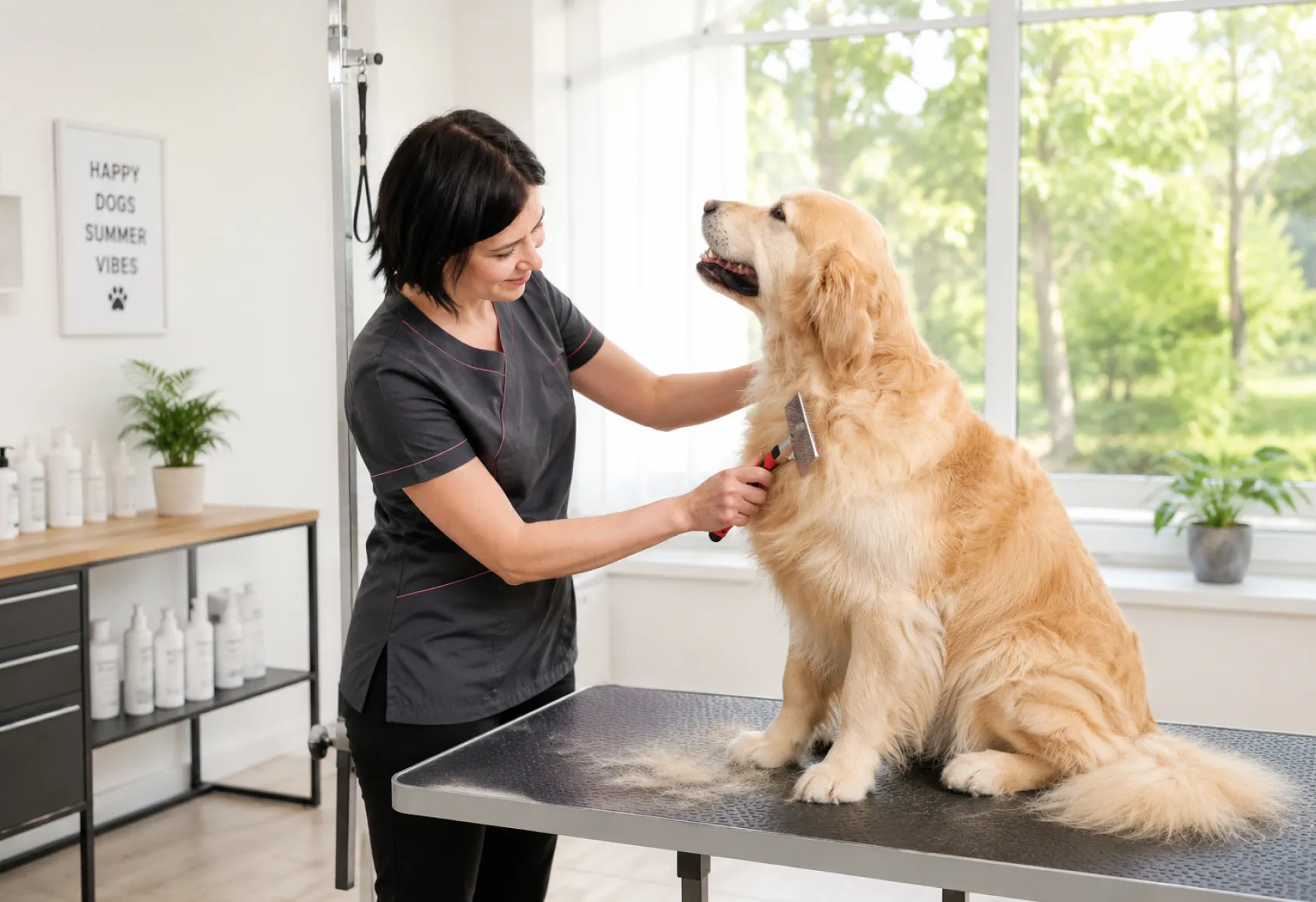
Keeshonds have a thick double coat that requires regular grooming to keep it in top condition. They are high shedders, especially during the spring and fall when they blow their coat. Regular brushing, ideally 2-3 times a week, helps to manage shedding, prevent matting, and keep the coat clean and healthy. Brushing not only removes loose fur but also distributes natural oils throughout the coat, enhancing its shine and helping to keep the dog odorless. Bathing should be done as needed, typically every 4-6 weeks, using a dog-specific shampoo to maintain their coat's natural balance. Regular nail trimming, ear cleaning, and dental care are also important components of their grooming routine, helping to prevent infections and ensure overall hygiene. Proper grooming enhances the Keeshond's quality of life by keeping them comfortable, reducing the risk of skin problems, and maintaining a clean, healthy appearance.


Compare with similar breeds
Frequently Asked Questions
Are Keeshonds hypoallergenic?
No, Keeshonds are not hypoallergenic. They have a thick double coat that sheds heavily. Regular brushing can help manage shedding, but if you suffer from allergies, a Keeshond might not be the ideal breed for you.
Are Keeshonds good with children?
Yes, Keeshonds are known for their friendly and playful nature, making them excellent companions for children. They are gentle and affectionate, often forming strong bonds with family members.
Do Keeshonds shed a lot?
Yes, Keeshonds are high shedders, especially during seasonal changes. Regular brushing several times a week helps manage shedding and keeps their thick double coat in good condition.