Home
/
Dog Breeds
/
Karelian Bear Dog
Karelian Bear Dog
Origin
Finland
Size
Medium Breed
Ideal Space
House with backyard
Ideal Weather
-15º-25ºC
Life Expectancy
10-12 years
Cost of buying
₹ 30,000 - ₹ 80,000
Top 5 Traits
Athletic
Fearless
Intelligent
Loyal
Protective
Avg Monthly Expenses
₹ 3,550 - ₹ 5,400

by Happy Pet TeamUpdated on 22 Jul 2025
Introduction to the Karelian Bear Dog
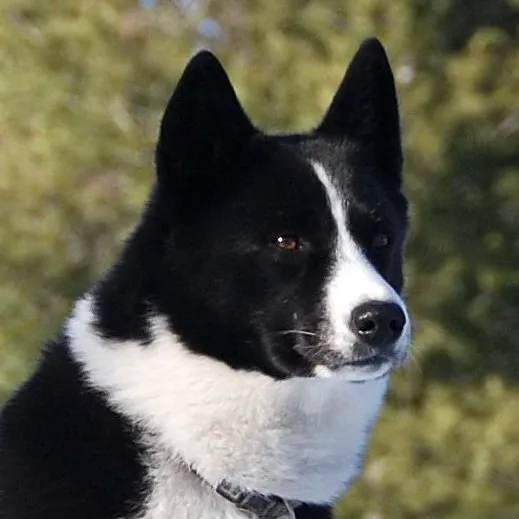
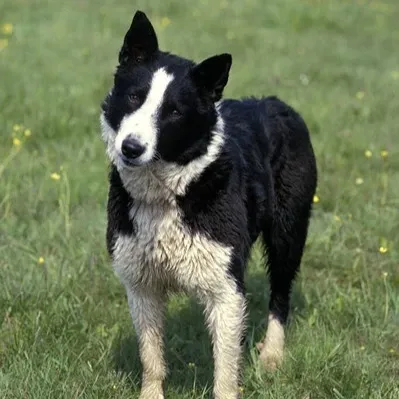
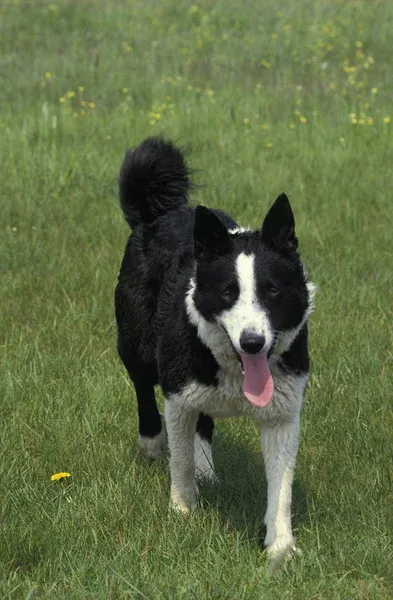
The Karelian Bear Dog is a most cherished working breed of Finland. This brave dog is native to the Karelia region and was bred to hunt large game animals, including moose and bear. They are loyal, alert and independent, making them good guardians and hunting companions.
Characteristics
Barking
Quiet
Loud
Temperament with Kids
Aggressive
Friendly
Playfulness
Silent
Very Playful
Friendliness
Not Friendly
Super Friendly
Compatibility with other dogs
Aggressive
Friendly
Need for attention
Independent
Very Needy
Monthly Expenses


Karelian Bear Dog’s Price Guide
Cost of buying
₹ 30,000 - ₹ 80,000
The price of a Karelian Bear can be anywhere from Rs. 30,000 to Rs. 80,000.
Prerequisites to pet a Karelian Bear Dog
Access to Groomer
Access to Veterinary
Appropriate Climate
Lifestyle Compatibility
Financial Capability
Shop or Adopt a Karelian Bear: Make the Right Choice!
Karelian Bears are charming, affectionate and devoted companions, distinguished by their unique appearance. When you adopt a Karelian Bear, you provide a loving home to a dog in need and bring a devoted friend into your life. Adoption helps support animal welfare and deters unethical breeding practices.
Nutrition Care for the Karelian Bear Dog
Monthly Food Expenses
₹ 2,250 - ₹ 3,000
Calories per day
Puppies: 1500 kcal
Adults: 1000 kcal
Essential Nutrients
Protein
Fats
Carbohydrates
Fibre
Vitamins
Minerals
List of foods
Chicken
Dry Dog Food
Fresh Meat
Fresh Fish
Vegetables
- Karelian Bears need a balanced diet to support their size and coat.
- Include protein, healthy fats, carbs, vitamins, and minerals for strength and coat health.
- Avoid low-quality food to prevent deficiencies and weight gain.
- Adjust feeding based on age and activity level.
- Mix dry food with lean meats and vegetables for balanced nutrition.
Breakdown of Macro-nutrients
Best Foods for Karelian Bear Dogs
- Orijen Regional Red – The food is grain free and also rich in protein. It’s best for dogs who need high meat content and energy.
- Taste of the Wild High Prairie – Best for active breed dogs. Offers high quality proteins with all the needed nutrients.
- Acana Singles Limited Ingredient Diet – Great for dogs with sensitive stomachs. The recipe is simple, clean, which helps reduce allergies.
- Homemade meals – Always consult with the vet first. This provides balanced, fresh nutrition
Foods to Avoid for Karelian Bear Dogs
Avoid anything with these ingredients
Alcohol
Almonds
Avocados
Cherries
Cinnamon
Coffee / Tea
Dairy
Fruit seeds
Lemon
Grapes
Garlic
Milk Products
Mushrooms
Onions
Sugar
Salt
- Chocolate and caffeine – Are highly toxic. This can cause seizures, irregular heartbeat, and even death.
- Xylitol – Can be fatal even in minute doses. Usually found in sugar free items and can directly attack the liver.
- Grapes and raisins – This can lead to kidney failure. Keep them miles away from your dog, as it can cause damage to them.
- Onions and garlic – These may lead to anemia. It attacks and destroys red blood cells.


Healthcare for the Karelian Bear Dog
Avg Monthly Expenses
₹ 600 - ₹ 1,200
Common Health Issues
Bloat
Hip Dysplasia
Canine Influenza
Parasites
Leptospirosis
Lyme disease
Heartworm
Kennel Cough
Well being
Exercise
Agility Training
Bonding
Games
Socialization
Energy Level
High
Exercise routine
90 - 90 minutes
Recognising Stress
Changes in appetite
Excessive Barking
Pacing
Excessive Panting
Reluctance to move
Increased laziness
Common health Issues Found in Karelian Bear Dogs
Karelians are generally hardy but benefit from preventive care. Below are some of the common health conditions found in Karelian Bear dogs -
Vaccination details
Growth Stage
Core Vaccines
6-8 Weeks
Distemper, Parvovirus, Leptospirosis, Kennel Cough
10-12 Weeks
Distemper, Parvovirus, Leptospirosis, Kennel Cough
14-16 Weeks
Distemper, Parvovirus, Leptospirosis, Kennel Cough
Annually
Rabies
Senior Karelian Bear Dog Care
- Orthopedic beds – strengthen the ageing joints. They provide relief and alleviate stress on painful areas.
- Joint supplements – maintain flexibility. Chondroitin and glucosamine promote good movement.
- Regular exercise – smaller walks to keep muscles in motion. Light exercise avoids stiffness and muscle atrophy.
- Vet visits – After every 6 months. Assists in the screening of age-related problems and care regulation.
- Weight management – prevent excessive stress. The normal weight alleviates the load on organs and joints
Karelian Bear Dog Grooming Routine
Avg Monthly Expenses
₹ 700 - ₹ 1,200
Shedding Level
Moderate Shedding
Hygienic Checklist
Bathing
Brushing
Ear Cleaning
Nail Trimming
Eye Care
Teeth Care
Benefits of Grooming
Low Shedding
Odourless
Cleanliness
Quality of life
Prevents infections
Prevents Bad Breath
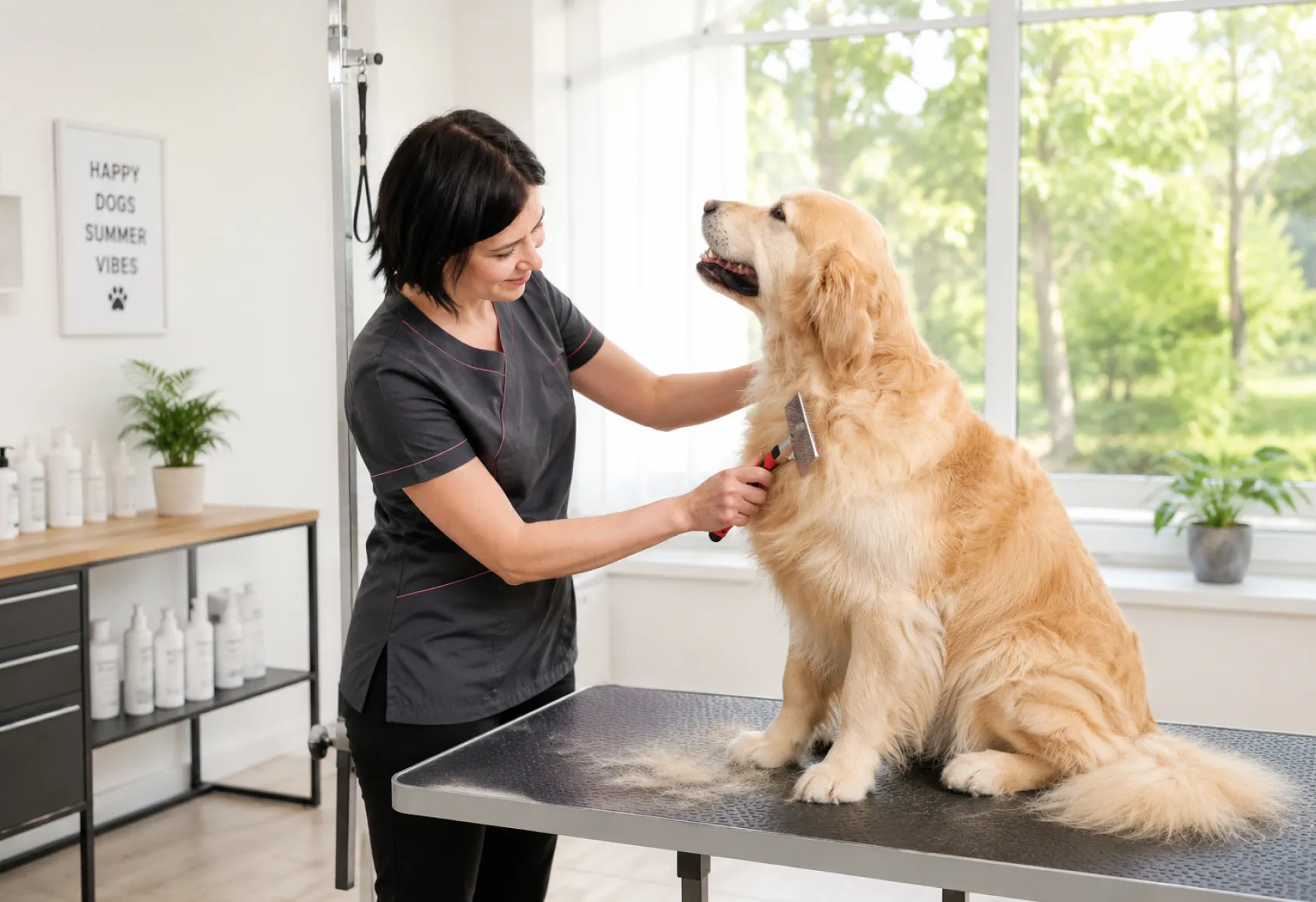
Grooming is simple but important for this breed.


Written by
Happy Pet TeamAuthor
Team Happy Pet is a passionate collective of pet experts, enthusiasts, and advocates dedicated to sharing trusted and insightful content.
Our cont
Compare with similar breeds
Frequently Asked Questions
Are Karelian Bear Dogs good with kids?
Yes, when socialised correctly, they can protect and be gentle with children, but they need to be watched heavily because of their size and predatory instinct.
Can they live in an apartment?
No. They require a lot of space, and they would be better suited to fenced home yards or rural homes.
Are Karelian Bear Dogs aggressive?
Not towards humans, however, they may be territorial towards other dogs and possess a high level of prey drive towards small creatures
Do they need professional training?
Yes. They are highly independent and strong willed and need early training and strong and experienced handling.