
Home
/
Dog Breeds
/
Jagdterrier
Jagdterrier
Origin
Germany
Size
Medium Breed
Ideal Space
House with backyard
Ideal Weather
10º-25ºC
Life Expectancy
10-14 years
Cost of buying
₹ 40,000 - ₹ 80,000
Top 5 Traits
Energetic
Fearless
Loyal
Intelligent
Protective
Avg Monthly Expenses
₹ 3,550 - ₹ 5,400
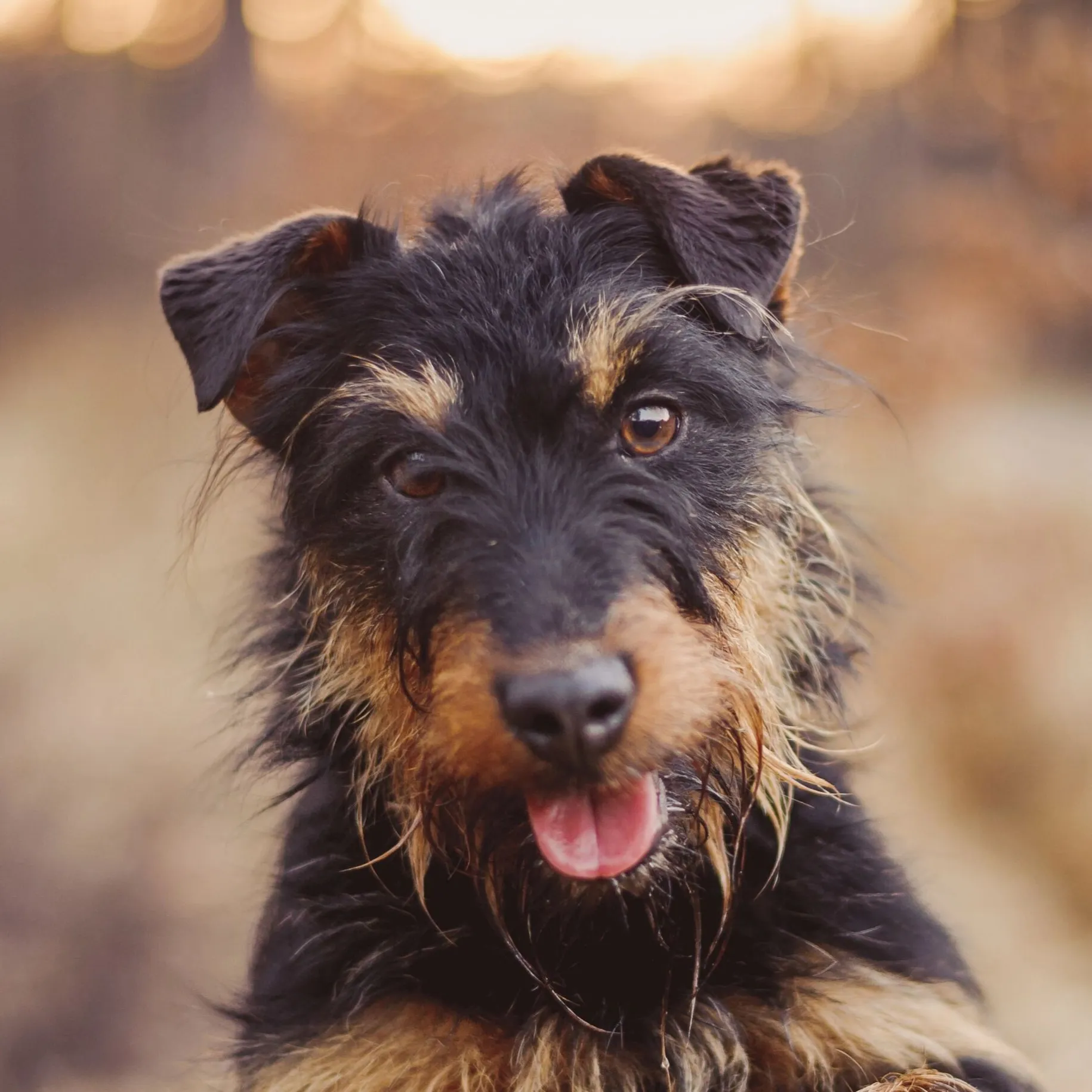
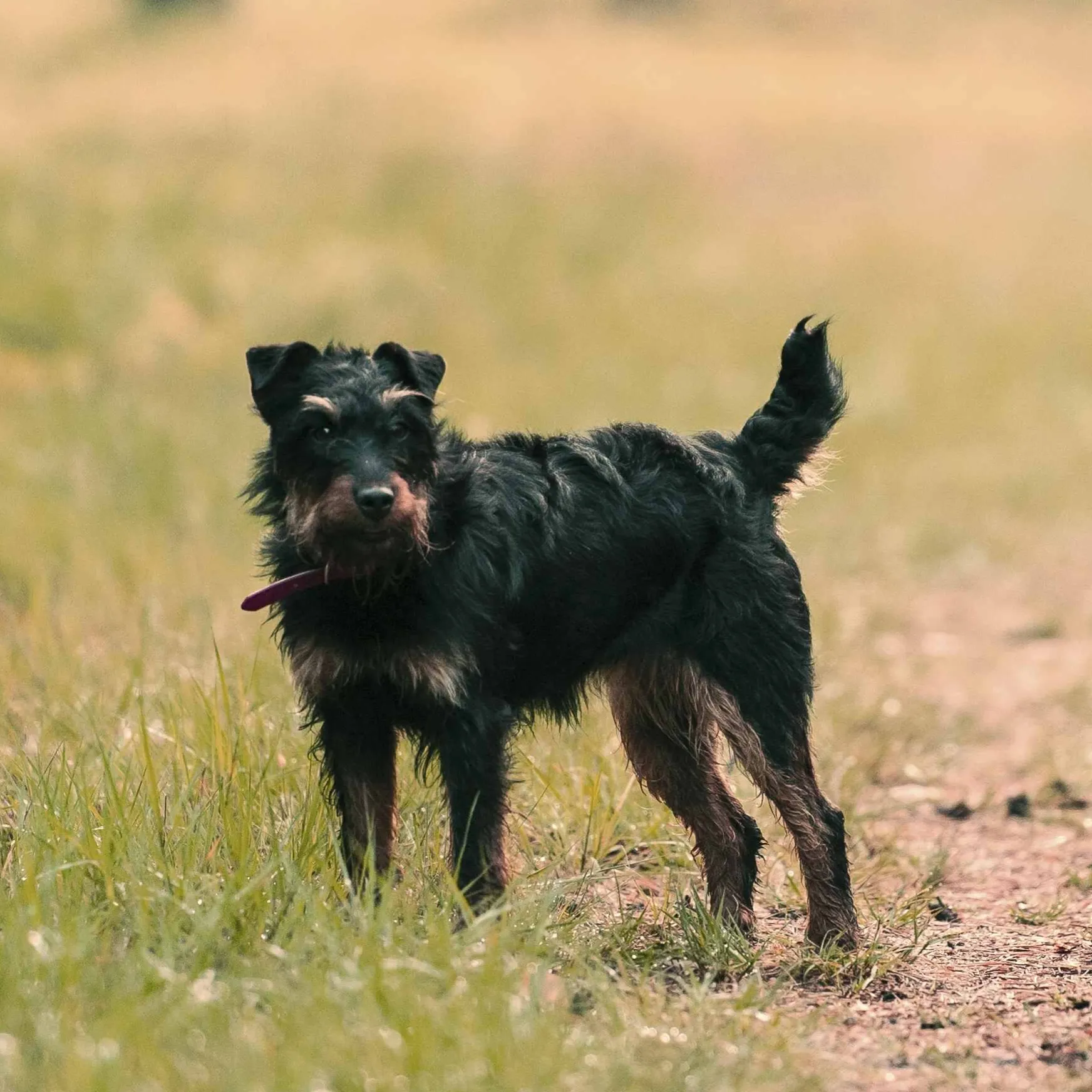
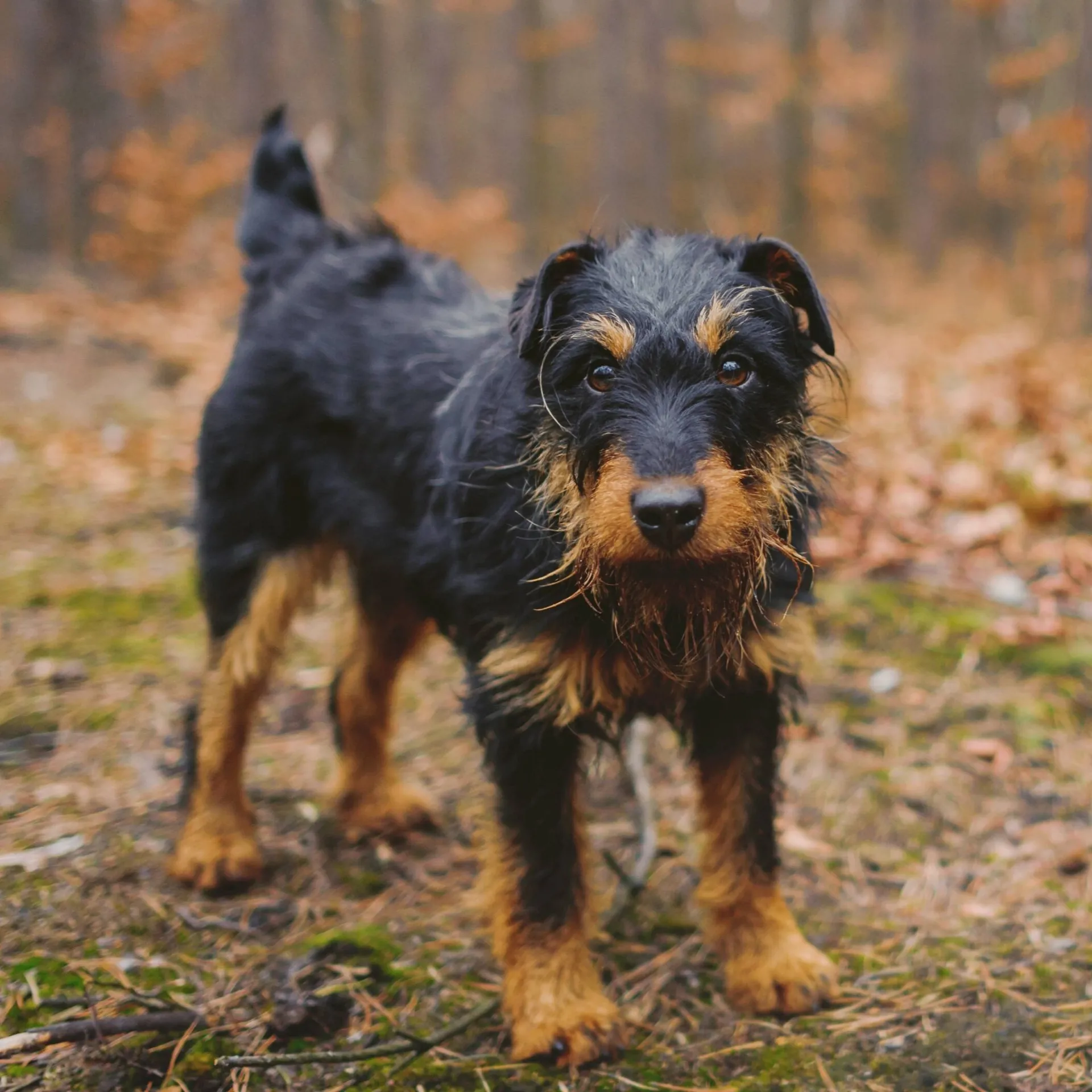
Jagdterrier Overview: Meet the German Working Dog
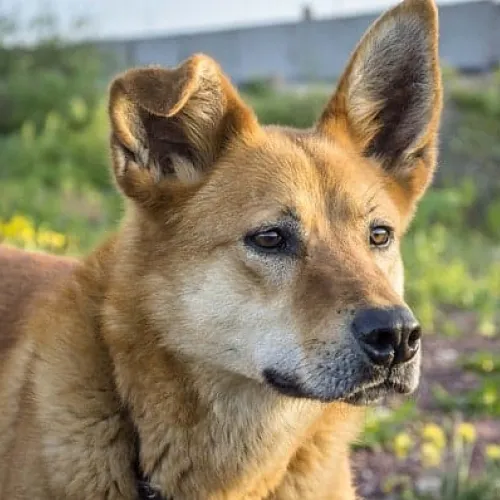
The jagdterrier, sometimes called the German hunting dog and pronounced "Yahk," is a small and friendly terrier.As very adaptable hunters, jagdterriers can track anything from bears and cougars to mice and bunnies.
Characteristics
Barking
Quiet
Loud
Temperament with Kids
Aggressive
Friendly
Playfulness
Silent
Very Playful
Friendliness
Not Friendly
Super Friendly
Compatibility with other dogs
Aggressive
Friendly
Need for attention
Independent
Very Needy
Monthly Expenses


Jagdterrier Price in India
Cost of buying
₹ 40,000 - ₹ 80,000
The average cost of a Jagdterrier in India ranges between ₹ 40,000 - ₹ 80,000
Prerequisites to pet a Jagdterrier
Access to Veterinary
Lifestyle Compatibility
Financial Capability
Space and Environment
Willingness to train
Time and Effort
Important Things to Know Before Buying or Adopting a Jagdterrier
- Research - Understand the unique requirements of the breed, including its exercise, diet, medical care, and grooming needs.
- Interact - Speak with friends or family members who own a Jagdterrier to get personal insights on what it's like to raise and care for one.
- Visit - Schedule a visit to local shelters or rescues (if adopting). If buying, then visit the premises of the breeder to get an understanding of how the dogs are raised.
- Interact with the pup to check if it is compatible with you and your family.
- Health - Ensure that the medical records are up to date. Get the necessary documentation and get the dog checked by a veterinarian.
- Prepare- Stock the house with essential supplies like food and treats to provide them with a warm welcome.
Jadterrier Nutritional Guide
Monthly Food Expenses
₹ 2,250 - ₹ 3,000
Calories per day
Puppies: 1200 kcal
Adults: 900 kcal
Essential Nutrients
Protein
Fats
Carbohydrates
Fibre
Vitamins
Minerals
List of foods
Chicken
Dry Dog Food
Fresh Meat
Fresh Fish
Fruits
Mutton
Home made meals
Vegetables
- Protein - Jagdterriers are working dogs that are always on the move. They require high-quality protein to help in tissue repair and lean muscle development.
- Fats - Omega 3 and omega 6 provide them with sustained energy. It promotes brain health and keeps the coat shiny.
- Carbohydrates- Provide them with fuel for their daily activities.
- Fiber- Regulates digestion and gut health. Manages weight by helping them feel fuller.
- Vitamins A, B, E, and C are important for immunity, vision, and skin health.
- Minerals - Calcium, phosphorus, zinc, and iron are essential for strong bones, immunity, and overall health.
- Water - Ensure they have access to fresh water at all times. Along with hydration, it also helps with digestion.
Breakdown of Macro-nutrients
Recommended Foods To Keep Your Jadterrier Healthy
- Adjust the portion sizes of your Jagterrier as per their age and activity levels.
- PetMD recommends giving adults 2-3 small meals a day and 3-4 small meals for Jagdterrier puppies.
- Choose high-quality dog food that is compliant with AAFCO standards and guidelines.
- Protein - Chicken, turkey, lamb, fish, and eggs.
- Fats - Fish oil, flaxseed, and chicken fat.
- Carbohydrates - Brown rice, oats, and sweet potatoes.
- Fiber - Fresh fruits and vegetables.
- Iron - Liver, spinach, and sardines.
Foods That Are Toxic To Jagdterriers
Avoid anything with these ingredients
Alcohol
Almonds
Avocados
Cherries
Cinnamon
Coffee / Tea
Dairy
Fruit seeds
Garlic
Grapes
Lemon
Milk Products
Mushrooms
Onions
Salt
Sugar
- Avoid common human foods that are harmful to dogs, such as chocolate, avocados, raisins, and grapes.
- Cooked bones can be dangerous. They may cause choking or get stuck in your dog’s throat. They can also splinter and lead to injuries or blockages in the digestive system.
- Avoid feeding your dog sugary foods or artificial sweeteners like xylitol, as these can lead to serious blood sugar problems.
- Coffee and tea are toxic to dogs and should always be kept out of reach.


Jagdterrier Medical Care
Avg Monthly Expenses
₹ 600 - ₹ 1,200
Common Health Issues
Bloat
Canine distemper
Canine Influenza
Heartworm
Hip Dysplasia
Kennel Cough
Lyme disease
Parvovirus
Well being
Exercise
Agility Training
Bonding
Socialization
Hiking
Energy Level
Very High
Exercise routine
60 - 90 minutes
Recognising Stress
Changes in appetite
Excessive Barking
Pacing
Excessive Panting
Reluctance to move
Increased laziness
Decreased play
Common Health Issues Found in Jagdterriers
- Primary Lens Luxation - In Jagdterriers, primary lens luxation (PLL) is a genetic eye condition in which the lens dislocates, causing discomfort, swelling, and, if left untreated, could cause blindness. Eye irritation, redness, fogging, and vision issues are among the symptoms. Treatment, which usually consists of medicine or, in extreme situations, surgery, depends on an early diagnosis made by veterinary examinations and DNA testing.
- Heart Problems - Cardiac problems in Jagdterriers might include cardiac murmurs and arrhythmias, or irregular heartbeats. Fatigue, coughing, difficulties with breathing, and dizziness are possible symptoms. Regular veterinary examinations can aid in the early detection and result in more efficient treatment. Working with a reputable breeder who checks their dogs for cardiac issues is also crucial.
- Hip Dysplasia - A genetic disorder called hip dysplasia causes the hip joint to misalign, impairing mobility in dogs. As the dog gets older, this misalignment may lead to pain, discomfort, and potentially arthritis. According to PetMD, the symptoms are: limping, trouble getting up or jumping, and an unwillingness to climb or descend stairs. However, be careful, as some dogs do not exhibit any signs. Regular veterinary examinations while keeping weight under control, can help avoid hip dysplasia. Joint supplements, painkillers, and, in extreme cases, surgery are common forms of treatment.
- Allergies - Dog allergies can result from a variety of sources, such as bites from fleas, food additives, or environmental allergens like pollen or dust mites. Symptoms to look out for are: skin irritation, redness, persistent skin and ear infections. Symptoms can be controlled by identifying and avoiding the allergen as well as by using veterinary-recommended remedies such as antihistamines, monthly flea and tick preventatives, or special diets. If you think your Jagdterrier may have allergies, consult your veterinarian.
- Hypothyroidism: It occurs when the thyroid gland produces insufficient amounts of hormones. According to PetMD, gaining weight, fatigue, hair loss, and skin issues are some of the symptoms. Blood tests are usually used to detect this illness, and daily hormone replacement therapy administered by a veterinarian can help manage it. With the right medical care, affected dogs usually lead long, healthy lives.
Vaccination details
Growth Stage
Core Vaccines
6-8 Weeks
Distemper, Parvovirus
10-12 Weeks
Distemper, Parvovirus, Adenovirus, Parainfluenza
14-16 Weeks
Distemper, Parvovirus, Adenovirus, Parainfluenza
12-16 Weeks
Rabies
Annually
Booster shots
Senior Jagdterrier Care
- Switch to adult food as they are specially curated to be low in calories while enhancing joint health.
- Reduce the intensity of exercise. Take them on shorter but frequent walks to maintain their health.
- Schedule regular appointments with the veterinarian to catch health issues early.
- As Jagdterriers age, there might be increased strain on their joints. Provide them with soft bedding and add ramps if they find it difficult to climb up on things.
- Senior Jagdterriers are prone to weight gain. So, be mindful of their portion sizes and limit treats.
- Limit exposure to excessive noise and disturbance.
Jagdterrier Grooming Guide
Avg Monthly Expenses
₹ 700 - ₹ 1,200
Shedding Level
Moderate Shedding
Hygienic Checklist
Bathing
Brushing
Nail Trimming
Teeth Care
Ear Cleaning
Eye Care
Benefits of Grooming
Cleanliness
Odourless
Prevents infections
Quality of life
Prevents Bad Breath
Low Shedding
- Coat: They have a short, dense coat that requires weekly brushing. Brushing can be done with the help of a firm bristle brush or a grooming mitt.
- Teeth: PetMD recommends brushing their teeth every day to keep plaque and tartar at bay.
- Ears: Check their ears regularly for wax or dirt buildup. Clean them with a veterinarian-recommended solution.
- Nails: Trim their nails every 3-4 weeks to prevent discomfort caused by overgrowth.




Frequently Asked Questions
Are Jagdterriers good family pets?
Yes, they are a loyal and intelligent breed and make great pets for families. However, they are not recommended for families with small children and other small pets.
Do Jagdterriers get along with other pets?
They might not do well with smaller pets like rabbits or cats. Early socialization is key to training them to live with other animals.
How much exercise does a Jagdterrier need?
They require 1-2 hours of daily exercise.