
Home
/
Dog Breeds
/
Hokkaido
Hokkaido
Origin
Japan
Size
Medium Breed
Ideal Space
House with backyard
Ideal Weather
10º-25ºC
Life Expectancy
12-15 years
Cost of buying
₹ 50,000 - ₹ 1,00,000
Top 5 Traits
Fearless
Loyal
Energetic
Intelligent
Protective
Avg Monthly Expenses
₹ 4,650 - ₹ 6,600
Quick Information
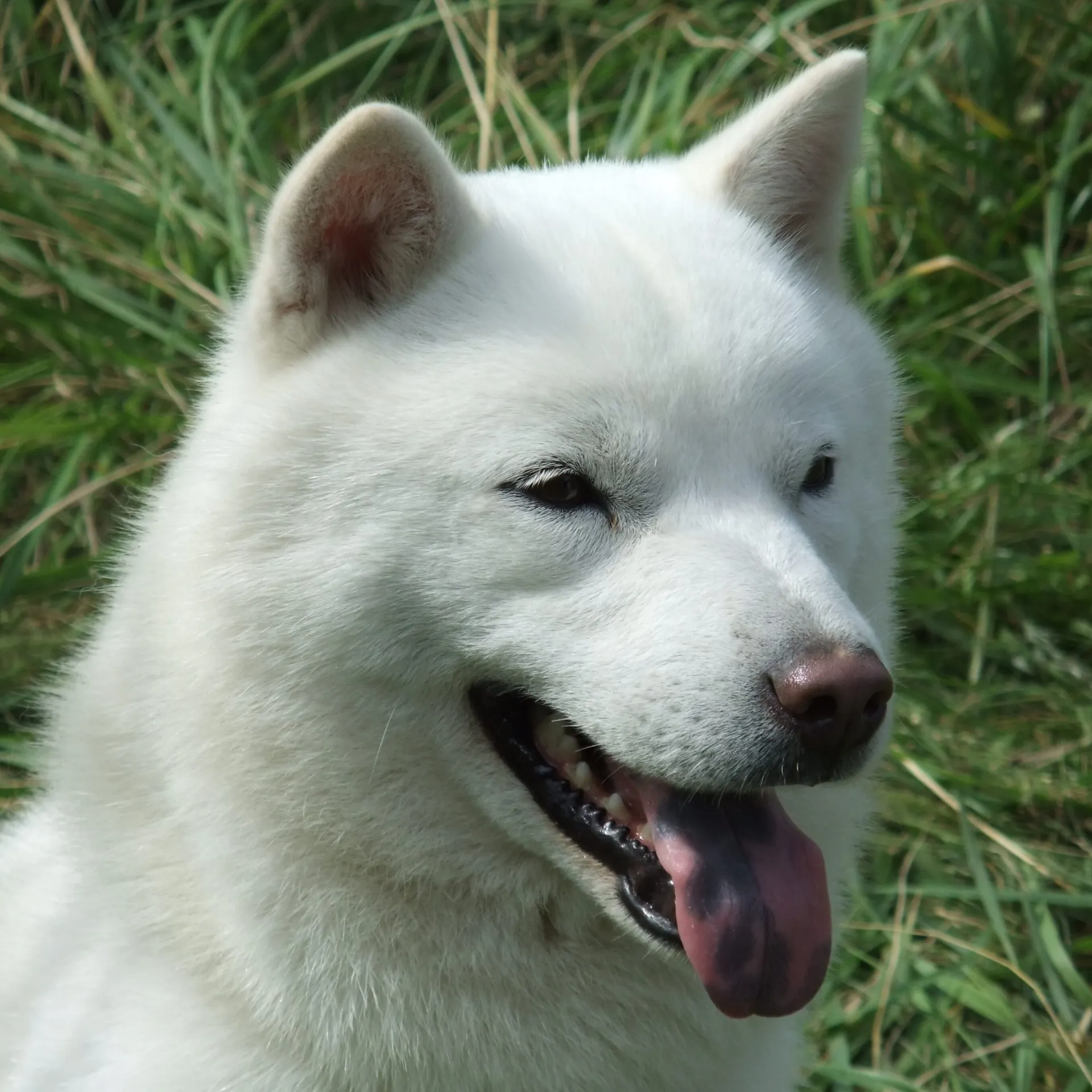
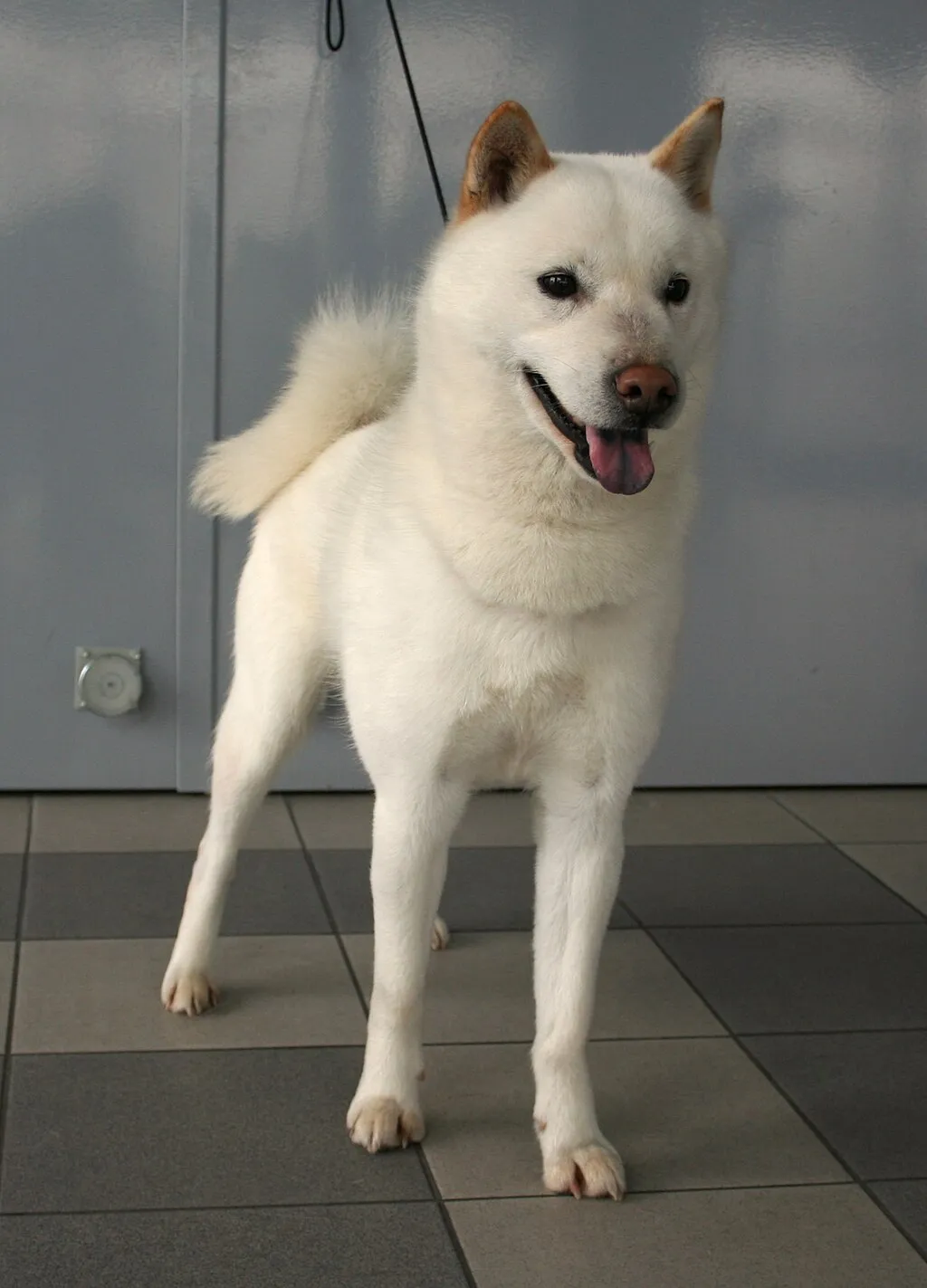
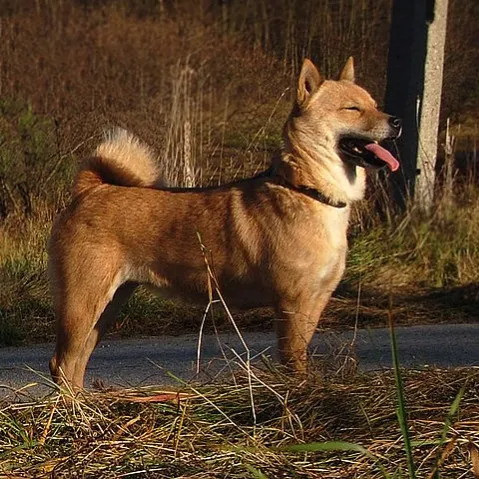
The Hokkaido is a dog breed that originates from Japan, specifically from the northernmost island, Hokkaido. It is a medium-sized breed known for its strong and athletic build, which allows it to excel in various tasks, including hunting and guarding. The breed's history dates back centuries, and it was originally developed by the Ainu people for hunting large game such as bear and deer. The Hokkaido is distinguished by its dense double coat, upright ears, curled tail, and keen expression, which give it a wolf-like appearance. Its thick fur is well-suited for cold climates, making it a resilient breed that can endure harsh weather conditions.
Characteristics
Barking
Quiet
Loud
Temperament with Kids
Aggressive
Friendly
Playfulness
Silent
Very Playful
Friendliness
Not Friendly
Super Friendly
Compatibility with other dogs
Aggressive
Friendly
Need for attention
Independent
Very Needy
Monthly Expenses


Adopt or Shop: The choice is yours!
Cost of buying
₹ 50,000 - ₹ 1,00,000
Buying or adopting are the two main possibilities if you're thinking about getting a Hokkaido for your house.
Prerequisites to pet a Hokkaido
Access to Groomer
Access to Veterinary
Appropriate Climate
Space and Environment
Willingness to train
Time and Effort
Now that you know what it takes to raise a Hokkaido, are you ready to take the next step to pet one?
Research: Do a thorough review of the traits, requirements, and possible health problems of the breed. Ensure that the Hokkaido breed is a good fit for your lifestyle.
Nutrition
Monthly Food Expenses
₹ 2,250 - ₹ 3,000
Calories per day
Puppies: 1500 kcal
Adults: 1200 kcal
Essential Nutrients
Protein
Fats
Carbohydrates
Minerals
Vitamins
Fibre
List of foods
Chicken
Fresh Meat
Fresh Fish
Fruits
Vegetables
Dry Dog Food
The Hokkaido breed requires a well-balanced diet rich in high-quality proteins, fats, carbohydrates, vitamins, and minerals to maintain its health, energy, and robust coat. As an active and energetic breed, the Hokkaido’s diet should include around 25% protein from sources like chicken, mutton, fresh meat, and fish, which are essential for muscle maintenance and development. Fats, making up about 15% of their diet, provide necessary energy, support cognitive function, and help maintain a shiny coat. Carbohydrates, sourced from vegetables and some fruits, are crucial for energy but should be balanced to avoid excessive weight gain.
Breakdown of Macro-nutrients
Selecting Good Quality Food
For Hokkaidos, quality food means providing a diet that is rich in natural, high-quality ingredients without fillers or artificial additives. Fresh meats like chicken, mutton, and fish are excellent sources of protein that contribute to muscle health and overall vitality. Dry dog food of premium quality, preferably grain-free or with whole grains like brown rice, can offer a balanced mix of proteins, fats, and essential nutrients while being convenient for daily feeding. Including fresh fruits and vegetables not only provides vitamins and minerals but also adds natural sources of antioxidants that support the dog's immune system and overall wellbeing.
Never feed these foods to Hokkaido
Avoid anything with these ingredients
Alcohol
Avocados
Cinnamon
Coffee / Tea
Fruit seeds
Garlic
Grapes
Lemon
When feeding a Hokkaido, it’s important to avoid low-quality dog foods that contain fillers, artificial preservatives, and by-products, as these can lead to allergies, digestive problems, and poor overall health. Ingredients like corn, soy, and wheat are common allergens and can contribute to gastrointestinal distress or skin issues in sensitive dogs. Foods high in artificial colors, flavors, and preservatives should be avoided, as they offer no nutritional benefit and can negatively impact the dog’s health over time. It's also crucial to avoid feeding raw or undercooked fish, as it can contain parasites that pose a risk to your Hokkaido.


Health
Avg Monthly Expenses
₹ 1,200 - ₹ 1,800
Common Health Issues
Bloat
Canine distemper
Hip Dysplasia
Heartworm
Lyme disease
Panosteitis
Parasites
Parvovirus
Well being
Exercise
Agility Training
Bonding
Games
Socialization
Hiking
Energy Level
High
Exercise routine
60 - 90 minutes
Recognising Stress
Changes in appetite
Excessive Barking
Pacing
Excessive Panting
Reluctance to move
Increased laziness
Medical Care
The Hokkaido is generally a healthy and robust breed, but it is prone to some specific health issues that potential owners should be aware of. Hip dysplasia is a common genetic condition in Hokkaidos that can cause discomfort and mobility issues, particularly as they age. Panosteitis, or growing pains, is another condition that can affect young Hokkaidos, causing intermittent lameness that typically resolves with maturity. Bloat is a serious concern due to the breed's deep chest; this condition requires immediate veterinary attention and can be life-threatening if not treated promptly.
Vaccination details
Growth Stage
Core Vaccines
6-8 Weeks
DHPP (Distemper, Hepatitis, Parvovirus, Parainfluenza)
10-12 Weeks
DHPP booster, Leptospirosis, Lyme disease (if applicable)
14-16 Weeks
DHPP booster, Rabies
Every 1-3 years
DHPP booster, Rabies booster
Recommendations to care for senior Hokkaido dogs
As Hokkaidos age, their healthcare needs evolve, and special attention is required to ensure their well-being. Regular veterinary check-ups become increasingly important to monitor for age-related issues such as arthritis or hip dysplasia, which can affect mobility and comfort. Joint supplements and a diet tailored to their changing nutritional needs can help manage these conditions and maintain their overall health. Maintaining a balanced diet and appropriate weight is crucial to prevent obesity, which can exacerbate joint issues and other health concerns.
Grooming
Avg Monthly Expenses
₹ 1,200 - ₹ 1,800
Shedding Level
High Shedding
Hygienic Checklist
Bathing
Ear Cleaning
Brushing
Eye Care
Nail Trimming
Teeth Care
Benefits of Grooming
Cleanliness
Low Shedding
Odourless
Prevents Bad Breath
Prevents infections
Quality of life
The Hokkaido is a high-shedding breed, which means regular grooming is crucial to manage their thick double coat. Frequent brushing is essential to remove loose hair and prevent matting, especially during the shedding seasons. Bathing should be done periodically to keep the coat clean, but over-bathing should be avoided as it can strip the coat of its natural oils. Regular ear cleaning helps prevent infections, and nail trimming is necessary to avoid overgrowth and ensure the dog's comfort. Comprehensive grooming not only maintains the Hokkaido’s cleanliness and reduces shedding but also contributes to their overall health and well-being by preventing infections, managing odors, and improving their quality of life.


Compare with similar breeds

Frequently Asked Questions
What is the temperament of a Hokkaido dog?
Hokkaido dogs are known for their loyalty, intelligence, and bravery. They are protective and can be wary of strangers, making them excellent guard dogs. They are also energetic and need regular exercise and mental stimulation.
What kind of grooming does a Hokkaido dog require?
Hokkaido dogs have a high shedding coat that requires regular brushing, especially during shedding seasons. They also need regular bathing, nail trimming, and ear cleaning to maintain their hygiene and health.
Are Hokkaido Dogs Suitable for Apartments?
Hokkaido dogs are best suited for houses with a yard due to their high energy levels and need for exercise. They can be adaptable to apartments if provided with sufficient daily exercise and mental stimulation, but a fenced yard is ideal.