Home
/
Dog Breeds
/
Harrier
Harrier
Origin
England
Size
Medium Breed
Ideal Space
Independent House
Ideal Weather
10º-20ºC
Life Expectancy
12-14 years
Cost of buying
₹ 15,000 - ₹ 40,000
Top 5 Traits
Athletic
Energetic
Intelligent
Playful
Loyal
Avg Monthly Expenses
₹ 3,550 - ₹ 5,400

by Happy Pet TeamUpdated on 16 May 2025
Harrier Dog Breed Information: History & Introduction
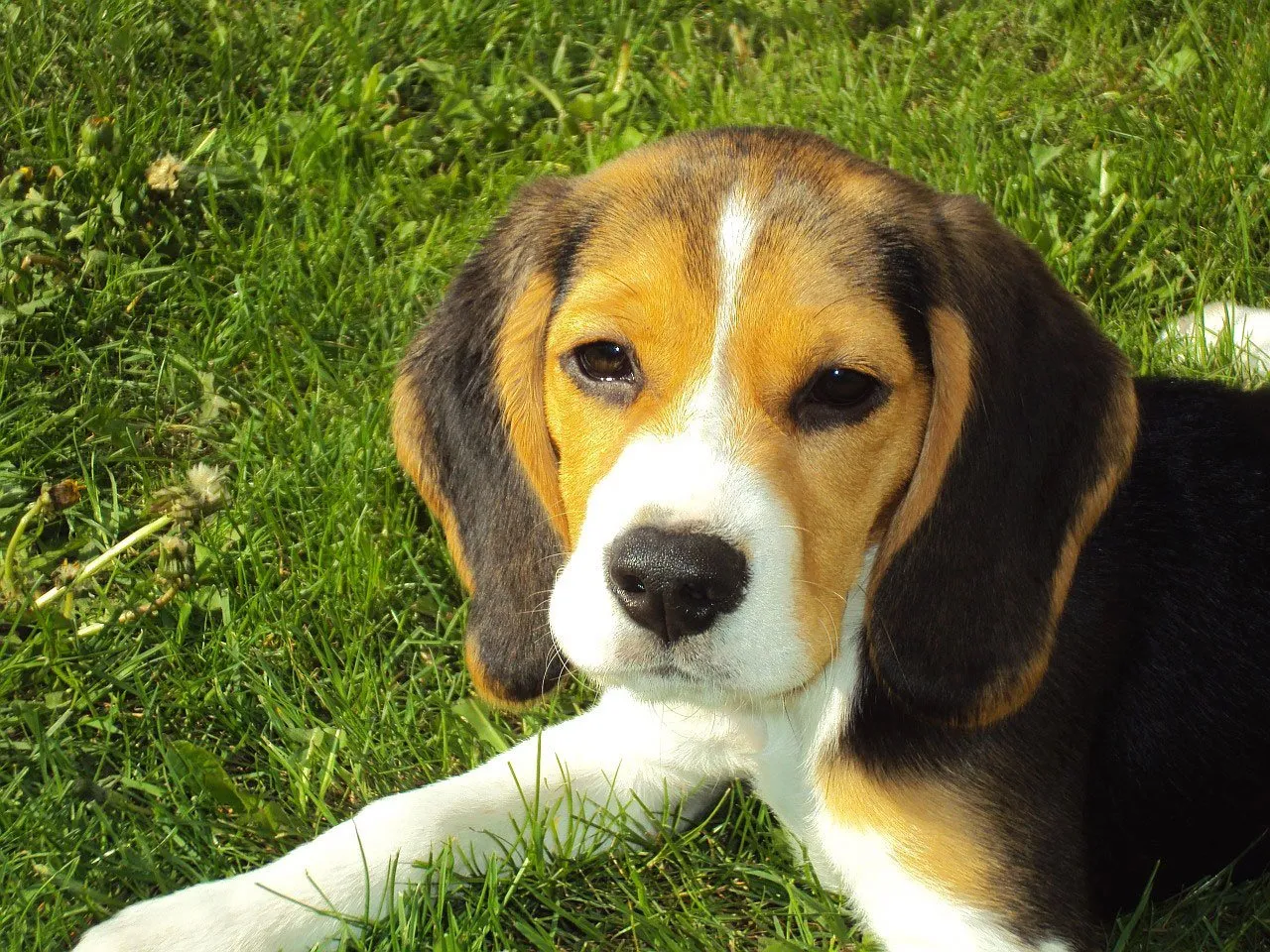
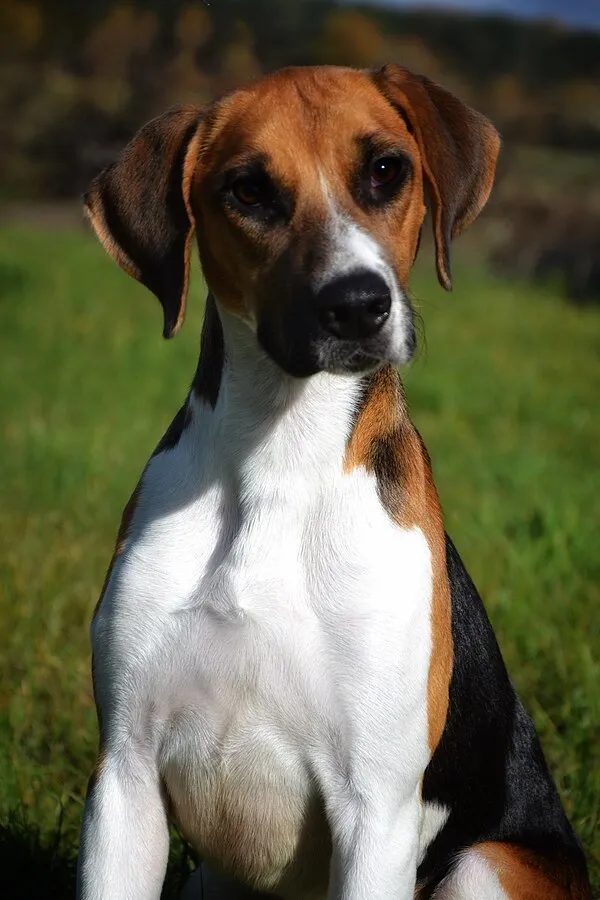
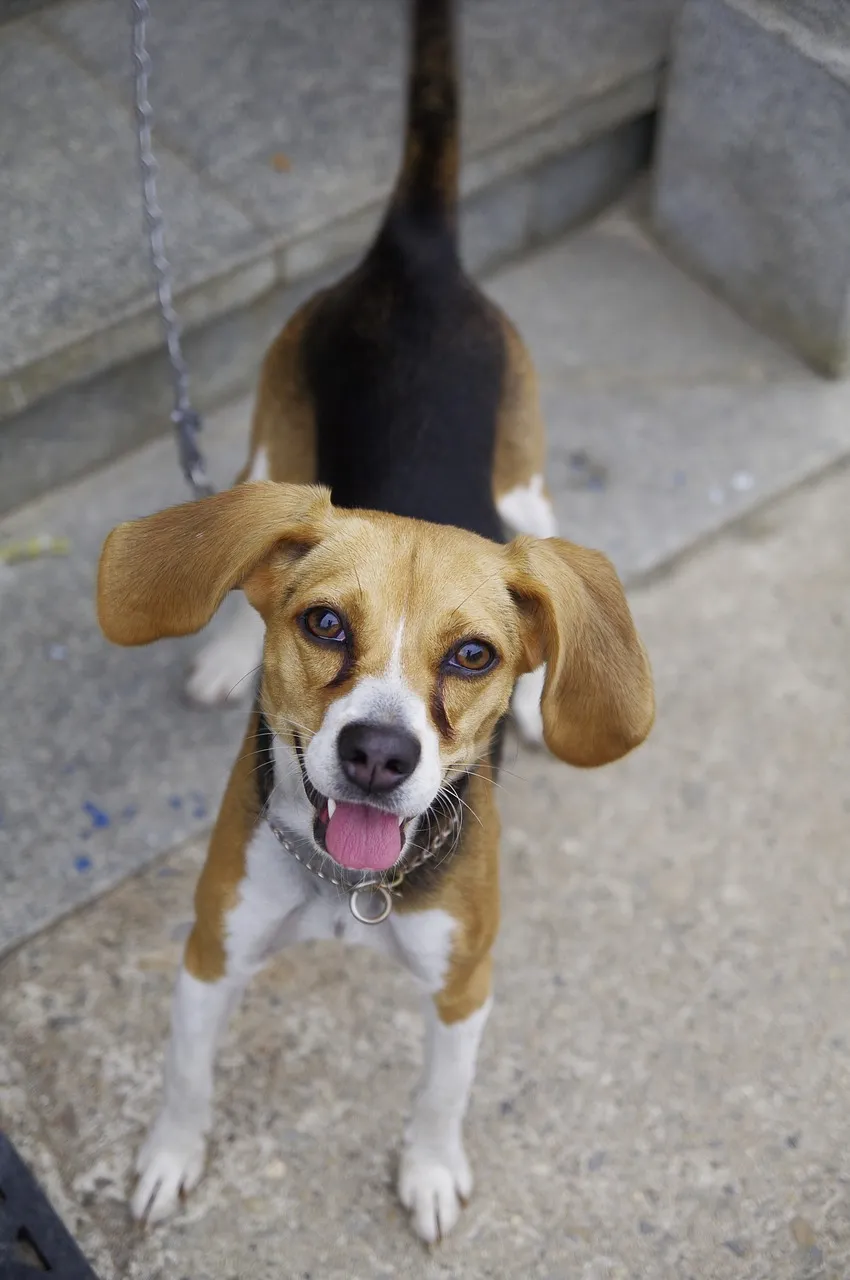
The Harrier is a medium-sized dog. It is one of the oldest hound breeds and is a friendly and outgoing personality. Often regarded as a smaller version of the English Foxhound, it is a pack-oriented dog that needs a lot of companionship.
Characteristics
Barking
Quiet
Loud
Temperament with Kids
Aggressive
Friendly
Playfulness
Silent
Very Playful
Friendliness
Not Friendly
Super Friendly
Compatibility with other dogs
Aggressive
Friendly
Need for attention
Independent
Very Needy
Monthly Expenses


Harrier Dog Breed Price In India
Cost of buying
₹ 15,000 - ₹ 40,000
If you want a Harrier for your home, you have two basic options: buying or adopting.
Prerequisites to pet a Harrier
Appropriate Climate
Financial Capability
Lifestyle Compatibility
Space and Environment
Access to Veterinary
Now that you know what it takes to raise a Harrier, are you ready to take the next step to pet one?
Research: Learn about the Harrier dog breed. Research about personality, exercise needs, health concerns, and compatibility with your lifestyle and family. Make sure a Harrier is the right fit for your home and schedule before getting one.
Nutritional Guide for Harriers
Monthly Food Expenses
₹ 2,250 - ₹ 3,000
Calories per day
Puppies: 1500 kcal
Adults: 1600 kcal
Essential Nutrients
Protein
Fats
Carbohydrates
Vitamins
Minerals
Fibre
List of foods
Dry Dog Food
Fresh Meat
Fresh Fish
Vegetables
Fruits
Chicken
A harrier should be provided with an AAFCO-approved diet. High-quality proteins like chicken, lamb, or fish will help support their muscle health and energy.
Breakdown of Macro-nutrients
Guide to Choose the right food for Harriers
- Choose a premium dry food specifically for active medium-sized breeds. Primary ingredients should include chicken, lamb, or fish.
Food items that are harmful for a Harrier Dog
Avoid anything with these ingredients
Alcohol
Cherries
Avocados
Cinnamon
Coffee / Tea
Dairy
Fruit seeds
Garlic
Lemon
Milk Products
Mushrooms
Onions
Salt
Sugar
- Certain foods with artificial additives can be harmful to Harriers. Avoid products with artificial sweeteners, flavors and colors, as they may lead to allergies, obesity or digestive issues.


Medical Care Guide for a Harrier
Avg Monthly Expenses
₹ 600 - ₹ 1,200
Common Health Issues
Bloat
Hip Dysplasia
Heartworm
Lyme disease
Panosteitis
Leptospirosis
Kennel Cough
Parasites
Well being
Exercise
Agility Training
Bonding
Games
Socialization
Energy Level
High
Exercise routine
60 - 90 minutes
Recognising Stress
Changes in appetite
Excessive Barking
Pacing
Excessive Panting
Reluctance to move
Common health issues in Harrier Dog Breed
Some common health issues found in Harriers, recognized by PetMD and breed experts are:
Vaccination details
Growth Stage
Core Vaccines
6-8 Weeks
Distemper, Parvovirus, Hepatitis, Parainfluenza
10-12 Weeks
Distemper, Parvovirus, Hepatitis, Parainfluenza
14-16 Weeks
Rabies
12-16 Months
Booster for all core vaccines
Every 1-3 Years
Booster for Distemper, Parvovirus, Rabies
Senior Dog Care Guideline for Harrier dogs
- A Harrier is considered senior around 8–10 years of age. As they age, routine tests are a must to figure out and manage age-related conditions early.
- A balanced diet formulated for senior dogs, focusing on lower calories is mandatory. Nutrients that support joint health, heart health and weight management should be carefully included in the diet.
- A senior Harrier should be given moderate, low-impact activities like short walks or playtime to keep them active without causing strain. Keep in mind their weak joints, especially in colder weather
- Regular grooming is important, including brushing to reduce shedding and prevent mats, as well as routine nail trimming for comfort. Dental care should be a priority too to prevent periodontal disease.
Comprehensive Grooming Guide for Harrier dog breed
Avg Monthly Expenses
₹ 700 - ₹ 1,200
Shedding Level
Moderate Shedding
Hygienic Checklist
Bathing
Brushing
Ear Cleaning
Nail Trimming
Eye Care
Teeth Care
Benefits of Grooming
Cleanliness
Low Shedding
Odourless
Prevents infections
Quality of life
Prevents Bad Breath
Harriers have a short, dense coat that needs very little grooming. Regular brushing once a week helps remove loose fur and keeps their coat clean and shiny.


Written by
Happy Pet TeamAuthor
Team Happy Pet is a passionate collective of pet experts, enthusiasts, and advocates dedicated to sharing trusted and insightful content.
Our cont
Compare with similar breeds
Frequently Asked Questions
What is the temperament of Harriers?
Harriers are known for their friendly, outgoing, and energetic nature. They are typically good-natured and get along well with children and other pets.
Are Harriers good watchdogs?
While Harriers may alert their owners to the presence of strangers with their barking, they are generally not considered excellent watchdogs. They are more likely to greet strangers with enthusiasm rather than aggression.
Do Harriers have a strong prey drive?
Yes, Harriers have a strong hunting instinct and may chase small animals like squirrels or rabbits if given the opportunity. Proper training and supervision can help manage their prey drive.