Home

/

Dog Breeds

/

Field Spaniel

Field Spaniel

Origin

đŸŽó §ó ąó „ó źó §ó ż

England

Size

Medium Breed

Ideal Space

House with backyard

Ideal Weather

15Âș-25ÂșC

Life Expectancy

12-14 years

Cost of buying

â‚č 2,00,000 - â‚č 4,00,000

Top 5 Traits

Intelligent

Loyal

Energetic

Playful

Fearless

Avg Monthly Expenses

â‚č 4,650 - â‚č 6,600

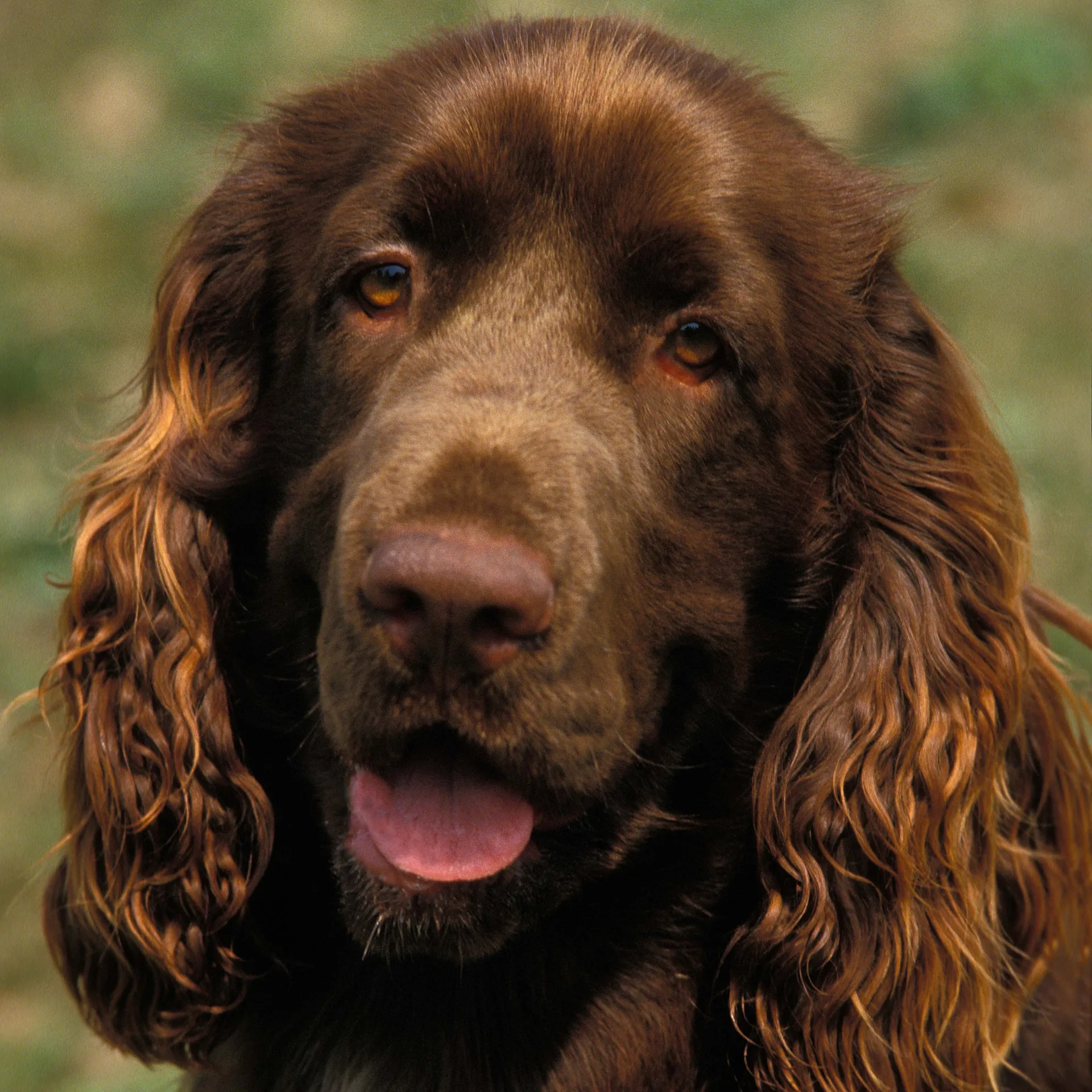
Close up of a brown Field Spaniel with long wavy ears and open mouth
written by image

by Happy Pet TeamUpdated on 14 Sept 2025

Meet the Field Spaniel: The Gentle and Devoted Sporting Dog

The Field Spaniel, originally bred in England as a hunting and retrieving companion, may not be a common sight in India, but those who bring one home are rewarded with a charming mix of elegance and devotion. Known for their glossy, medium-length coats, soulful eyes, and calm but playful temperament, Field Spaniels are what the AKC calls “sweet-natured, sensitive, and intelligent.”


Unlike their more boisterous Cocker cousins, Field Spaniels are a little more even-tempered. They love being with their people, whether it’s a quiet evening in a Mumbai apartment, a weekend trek in Pune’s hills, or simply shadowing you from room to room. Families who import them to India often appreciate their adaptable nature, they enjoy activity but are not hyper, making them a versatile fit for city or semi-urban homes.


How Long Do Field Spaniels Live?

With good care, Field Spaniels usually live 10–12 years. They’re generally healthy but, like most purebreds, can inherit certain conditions that pet parents should stay alert to.


Temperament & Personality

With family: Field Spaniels are deeply affectionate and thrive on inclusion. In Indian homes, they’re happiest being part of the action—joining you during work-from-home hours in Bengaluru or accompanying you to the garden in Hyderabad. Leaving them alone for too long may lead to destructive behavior or anxiety.


With kids: Their patience and gentle manners make them wonderful companions for children. They’re playful but not overwhelming, so they suit families with school-going kids. Supervision is wise with toddlers since, like many spaniels, they can get excited and jump.


With strangers: Field Spaniels are naturally cautious. Expect them to alert-bark when someone new comes to the door, but with proper socialisation, they usually warm up quickly.


Training: According to PetMD, Field Spaniels are intelligent and sensitive. They respond best to positive reinforcement—treats, toys, or even extra cuddles. Heavy-handed corrections don’t work with them. In India, basic obedience and impulse control training are a must, especially since they can get distracted by street smells or birds.


Energy levels: While not as high-strung as working spaniels, Field Spaniels still need daily exercise. Without it, they can become barky or restless—something that can be tricky in Indian apartments if neighbors are noise-sensitive.


Apartment vs. Farmhouse Life in India

In Apartments (Delhi, Mumbai, Chennai): Field Spaniels can adapt to flat living provided they get at least 45–60 minutes of daily exercise. Two walks—morning and evening—work best in Indian climates, with play sessions indoors using puzzle toys or tug-of-war to keep their minds busy.


In Farmhouses or Suburban Homes: With more space, they flourish. They love running in secure yards and playing fetch. Like most spaniels, they may dig or chase after birds, so good fencing is a must.


Climate Considerations in India

Hot cities (Delhi, Chennai, Kolkata): Their medium-length coat and long ears make them prone to heat stress. Limit exercise to early mornings and evenings, keep them indoors with fans or AC, and provide shaded rest spots. Always carry water on walks.


Hill stations (Shimla, Ooty, Coorg): They’re much happier in cooler weather and can handle longer walks and hikes here. Expect them to be more active and playful in these climates.

Monsoons: Their feathered coat and floppy ears mean extra care. Humidity can trigger fungal infections or ear problems. Always towel-dry thoroughly after a walk in the rain and check ears weekly for redness or odor.


Shedding: They shed moderately all year, with heavier seasonal sheds. In Indian homes, brushing 3–4 times a week helps keep fur off your sofa and prevents mats from forming.

Characteristics

Barking

Quiet

Loud

Temperament with Kids

Aggressive

Friendly

Playfulness

Silent

Very Playful

Friendliness

Not Friendly

Super Friendly

Compatibility with other dogs

Aggressive

Friendly

Need for attention

Independent

Very Needy

Monthly Expenses

about image

Lifespan & Availability in India

Cost of buying

â‚č 2,00,000 - â‚č 4,00,000

With the right care, Field Spaniels generally live 12–13 years. They’re a rare breed in India and are almost always imported.

Depending on lineage and breeder practices, prices can range upwards of â‚č2–4 lakhs.


Exercise Needs

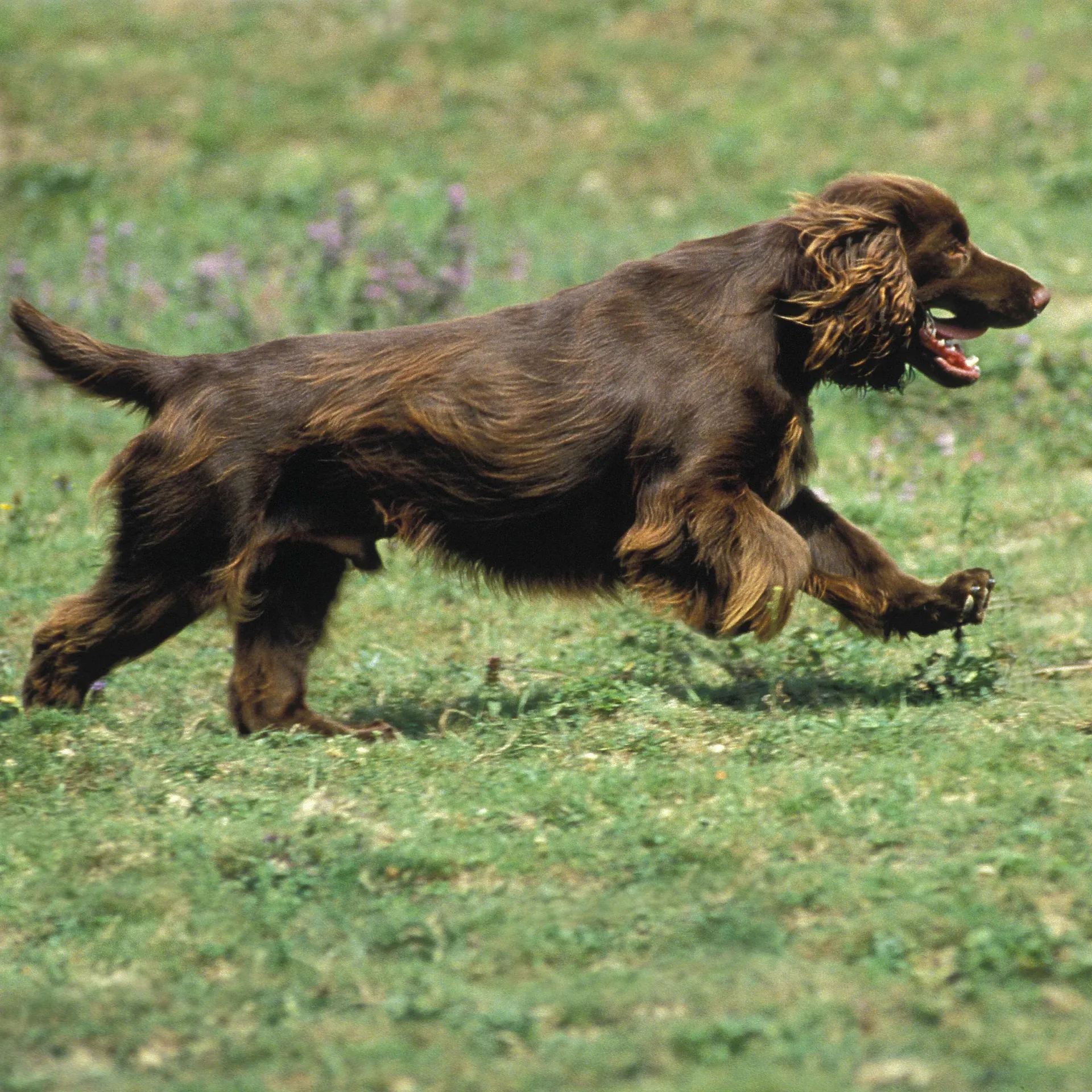
Don’t be fooled by their calm, gentle demeanor as Field Spaniels are sporting dogs at heart, originally bred for fieldwork. They thrive on daily activity and mental engagement.


  1. Daily Activity: Aim for at least 45–60 minutes of exercise. In Indian apartments, break this into two walks (early morning and evening) and a short indoor play session. Avoid mid-day heat, especially in cities like Delhi or Hyderabad.
  2. Outdoor Play: They love running, fetching, and exploring. In farmhouses or gated communities, they’ll happily play fetch or trot alongside you in the garden. Always carry water in summers and pick shaded spots for play.
  3. Mental Stimulation: Bored Field Spaniels can get destructive. Puzzle feeders, obedience practice, and scent games are excellent for them. In flats where outdoor time is limited, games like hide-and-seek with treats or toys keep them busy.

Prerequisites to pet a Field Spaniel

Access to Veterinary

Appropriate Climate

Lifestyle Compatibility

Financial Capability

Space and Environment

Access to Groomer

Shop or Adopt a Field Spaniel in India

If you’re bringing home a Field Spaniel, make sure to research thoroughly:


  1. Health paperwork: Ask for hip, thyroid, and eye clearances, as these are known concerns in the breed.
  2. Breeder practices: Only consider breeders who raise puppies inside their homes, not kennels, so they grow up well-socialized.
  3. Documentation: Ensure KCI or FCI pedigree papers are provided, and vaccinations are up to date.

Adoption within India is rare, but international rescues sometimes list Field Spaniels. If importing, prepare for quarantine, vet clearances, and a slow, careful adjustment to India’s hotter climate.

Nutrition for Field Spaniels in India

Monthly Food Expenses

â‚č 2,250 - â‚č 3,000

Calories per day

Puppies: 1500 kcal

Adults: 900 kcal

Essential Nutrients

Protein

Fats

Carbohydrates

Fibre

Vitamins

Minerals

List of foods

Dry Dog Food

Fresh Meat

Fresh Fish

Fruits

Vegetables

Chicken

The Field Spaniel, with its glossy coat and gentle sporting-dog energy, may have been bred for hunting grounds in England, but in India, their diet plays a huge role in keeping them fit, shiny, and calm. These dogs are known for their moderate activity levels and sensitive digestion, so what you put in their bowl matters. According to PetMD, Field Spaniels are generally sturdy but benefit from carefully balanced nutrition to prevent obesity and manage risks like hip dysplasia or thyroid concerns.


Protein: Building Strength and Energy

Even though your Field Spaniel won’t be flushing pheasants in India, they still need quality protein to maintain lean muscle and energy. The AKC highlights that animal-based proteins are especially important for sporting breeds, supporting immunity and overall vitality.

India-friendly protein choices:

  1. Boiled chicken or turkey (skinless, no spices) for everyday meals.
  2. Freshwater fish like rohu or basa, rich in omega-3s that keep coats shiny and joints supple.
  3. Eggs (boiled or scrambled, no oil) a couple of times a week for easy-to-digest protein.
  4. Paneer sparingly, and only if your Spaniel isn’t dairy-sensitive.

In hot Indian cities like Delhi or Chennai, lighter proteins such as chicken and fish are easier to digest than red meat, which can feel heavy in the heat.


Healthy Fats: For Coat & Joint Care

Field Spaniels have a silky, medium-length coat that can get dry or flaky in India’s hot, dusty climate. Fats are the secret to keeping that coat glossy and skin itch-free. As Hill’s Pet Nutrition points out, omega fatty acids also help protect the heart and joints, which is key for an active breed.

Easy Indian add-ins:

  1. A teaspoon of coconut oil in meals to support skin and digestion.
  2. Cooked sardines once or twice a week for a natural omega boost.
  3. Vet-approved fish oil capsules in small doses, especially for seniors with stiff joints.


Carbohydrates: Balanced Energy

Field Spaniels are moderately active, but since they’re food lovers, excess carbs can quickly turn into extra weight. Obesity puts unnecessary strain on their hips and knees, so carbs should be measured carefully.

Best carb picks for Indian homes:

  1. Oats or daliya (broken wheat) for steady energy.
  2. Brown or red rice in small portions with meals.
  3. Fiber-rich veggies like pumpkin, bottle gourd, carrots, and sweet potato to aid digestion and hydration.


Vitamins & Minerals: Lifelong Support

Like many medium-sized breeds, Field Spaniels can face joint stiffness and thyroid-related issues as they age. A micronutrient-rich diet strengthens immunity and supports long-term health.

Simple Indian boosters:

  1. Lightly steamed peas, beans, carrots, and spinach.
  2. Vet-guided calcium supplements during puppy growth stages (but never over-supplement).
  3. Glucosamine and chondroitin for senior dogs to protect cartilage and mobility.


Feeding Guidelines for Field Spaniels

  1. Puppies (2–12 months): 3–4 small meals a day. Opt for high-quality medium-breed puppy kibble or balanced home-cooked meals with chicken, rice, and veggies.
  2. Adults (1–7 years): 2 meals daily. Breakfast can be lighter (curd rice + veggies), dinner more protein-rich (chicken/fish + pumpkin or oats).
  3. Seniors (7+ years): Switch to lower-calorie, softer, joint-friendly meals. Scrambled eggs, boiled fish, and well-cooked vegetables work well. Add supplements only under vet guidance.

Field Spaniels can be prone to dental issues, so avoid sticky foods and add weekly tooth-brushing or crunchy snacks like carrots.

Breakdown of Macro-nutrients

Best Foods for Field Spaniels in India

Premium kibble options:

  1. Farmina N&D Ancestral Grain Medium
  2. Royal Canin Medium Adult
  3. Hill’s Science Diet Medium Breed


Balanced home-cooked combos:

  1. Chicken + pumpkin + spinach + brown rice
  2. Sardines + sweet potato + beans
  3. Egg + oats + carrots

Healthy treats: Apple slices, cucumber sticks, plain curd, or carrot sticks.


Hydration: Fresh water at all times; in summer, add a little unsweetened coconut water for natural electrolytes.

Never feed these foods to Field Spaniel

Avoid anything with these ingredients

Alcohol

Avocados

Cherries

Coffee / Tea

Dairy

Garlic

Grapes

Lemon

Onions

Mushrooms

Sugar

Salt

Your Field Spaniel’s soulful eyes may tempt you to share snacks, but many Indian staples can upset their tummy or worse.


  1. Toxic foods: Chocolate, grapes, raisins, garlic, onions, xylitol.
  2. Oily Indian snacks: Pakoras, samosas, bhujia, jalebis, spicy curries.
  3. Unsafe meats & bones: Rawhide chews, sausages, cooked chicken bones (splinter risk).
  4. Sugary treats: Mithai, cakes, ice cream → obesity + dental trouble.
  5. Caffeine & alcohol: Tea, coffee, beer, wine—strictly off-limits.
  6. Dairy overload: A spoon of curd is fine, but milk or butter often cause bloating.
  7. Street food: Chaat, fried rice, pav bhaji, tempting but harmful for digestion.
about image

Health

Avg Monthly Expenses

â‚č 1,200 - â‚č 1,800

Common Health Issues

Hip Dysplasia

Bloat

Parasites

Canine Influenza

Heartworm

Lyme disease

Panosteitis

Kennel Cough

Well being

Exercise

Bonding

Games

Hiking

Agility Training

Socialization

Energy Level

High

Exercise routine

60 - 90 minutes

Recognising Stress

Excessive Panting

Pacing

Reluctance to move

Excessive Barking

Changes in appetite

Medical Care for Field Spaniels in India

Common Health Concerns

Ear Infections


Like many floppy-eared breeds, Field Spaniels are prone to ear infections because their long, velvety ears trap heat and moisture. In India’s humid cities—think Mumbai, Kochi, or Kolkata—this risk doubles during monsoons. Redness, head shaking, or a foul smell are early red flags. Weekly ear checks and gently drying their ears after baths or swims keep infections away. Vets often recommend regular cleaning with dog-safe ear solutions.


Hip & Elbow Dysplasia

Medium-sized and active, Field Spaniels can face orthopedic concerns like hip or elbow dysplasia, especially if they gain excess weight. According to PetMD, joint stress worsens on slippery surfaces. Since many Indian homes have marble or tile flooring, placing rugs or yoga mats in play areas prevents slips. For puppies, avoid too much stair climbing until their bones are mature.


Eye Concerns

Field Spaniels may be prone to inherited eye conditions such as progressive retinal atrophy (PRA). Dust, pollen, and harsh sunlight in Indian cities can further irritate their eyes. Look out for squinting, cloudy eyes, or bumping into furniture. Using shaded spots indoors, especially during Delhi summers, helps reduce strain.


Hypothyroidism

Like other spaniels, they can develop hypothyroidism, which slows metabolism and shows up as unexplained weight gain, hair thinning, or lethargy. A routine blood test with your vet will confirm it. With the right medication, most dogs live normal, happy lives.


Skin Issues

That shiny, medium-length coat looks gorgeous, but in India’s hot and humid weather, fungal infections, hotspots, or dandruff can crop up quickly. Always dry their coat thoroughly after rainy walks, and brush out loose hair to prevent matting. A sudden musty smell or constant scratching usually means it’s time for a vet visit.


Dental Care

Spaniels can suffer from tartar buildup due to their smaller jaw structure. In India, where dog dental chews can be pricey or hard to find, a practical solution is brushing with dog-safe toothpaste 2–3 times a week and offering crunchy veggies like carrots as natural cleaners.


General Indian Home Care

  1. Vet Visits: Annual checkups are fine for young Field Spaniels, but from age 6 onward, aim for twice-yearly visits to monitor thyroid, eyes, joints, and teeth.
  2. Weight Control: Field Spaniels love food and treats, but obesity worsens joint and thyroid issues. Skip oily Indian snacks like pakoras or biscuits, and stick to lean proteins and vet-approved treats.
  3. Heat & Humidity Management: Built for the UK’s mild climate, Field Spaniels can overheat in Chennai or Hyderabad summers. Walk them only during cooler hours, offer plenty of shade and fans indoors, and keep water bowls filled. A cooling mat or tiled floor helps.
  4. Parasite Protection: Their feathered coat hides ticks easily. Regular preventive treatments are crucial, especially during monsoon season in Goa, Bengaluru, or Kerala.

Vaccination details

Growth Stage

Core Vaccines

6-8 Weeks

Canine Distemper, Parvovirus

10-12 Weeks

Canine Distemper, Parvovirus, Leptospirosis

14-16 Weeks

Canine Distemper, Parvovirus, Rabies

12-16 Months

Rabies (Booster)

Anually

Canine Distemper, Parvovirus, Rabies

Recommendations to care for senior Field Spaniel dogs

  1. Joint Care: Supplements with glucosamine or omega-3s (with your vet’s approval), orthopedic bedding, and gentle walks keep them mobile. Avoid long runs or too much stair use.
  2. Diet Adjustments: Softer, low-calorie meals with chicken, fish, or pumpkin are easier to digest. Senior-specific kibble like Hill’s or Royal Canin can help maintain weight and energy.
  3. Thyroid Monitoring: Older spaniels are more prone to hypothyroidism. Regular weight checks and blood tests will catch issues early.
  4. Eye & Ear Health: PRA, cataracts, and recurring ear infections can surface with age. Weekly home checks and prompt vet care for cloudiness, redness, or odor are important.
  5. Comfort: Provide cushioned bedding in winter and shaded, cool spots in summer. Rugs on slippery floors prevent painful slips for aging joints.


Similar Breeds

Cocker Spaniel | Springer Spaniel | Cavalier King Charles Spaniel

Grooming Needs of Field Spaniels in Indian Homes

Avg Monthly Expenses

â‚č 1,200 - â‚č 1,800

Shedding Level

Moderate Shedding

Hygienic Checklist

Brushing

Bathing

Ear Cleaning

Nail Trimming

Eye Care

Teeth Care

Benefits of Grooming

Prevents Bad Breath

Cleanliness

Prevents infections

Quality of life

Low Shedding

Odourless

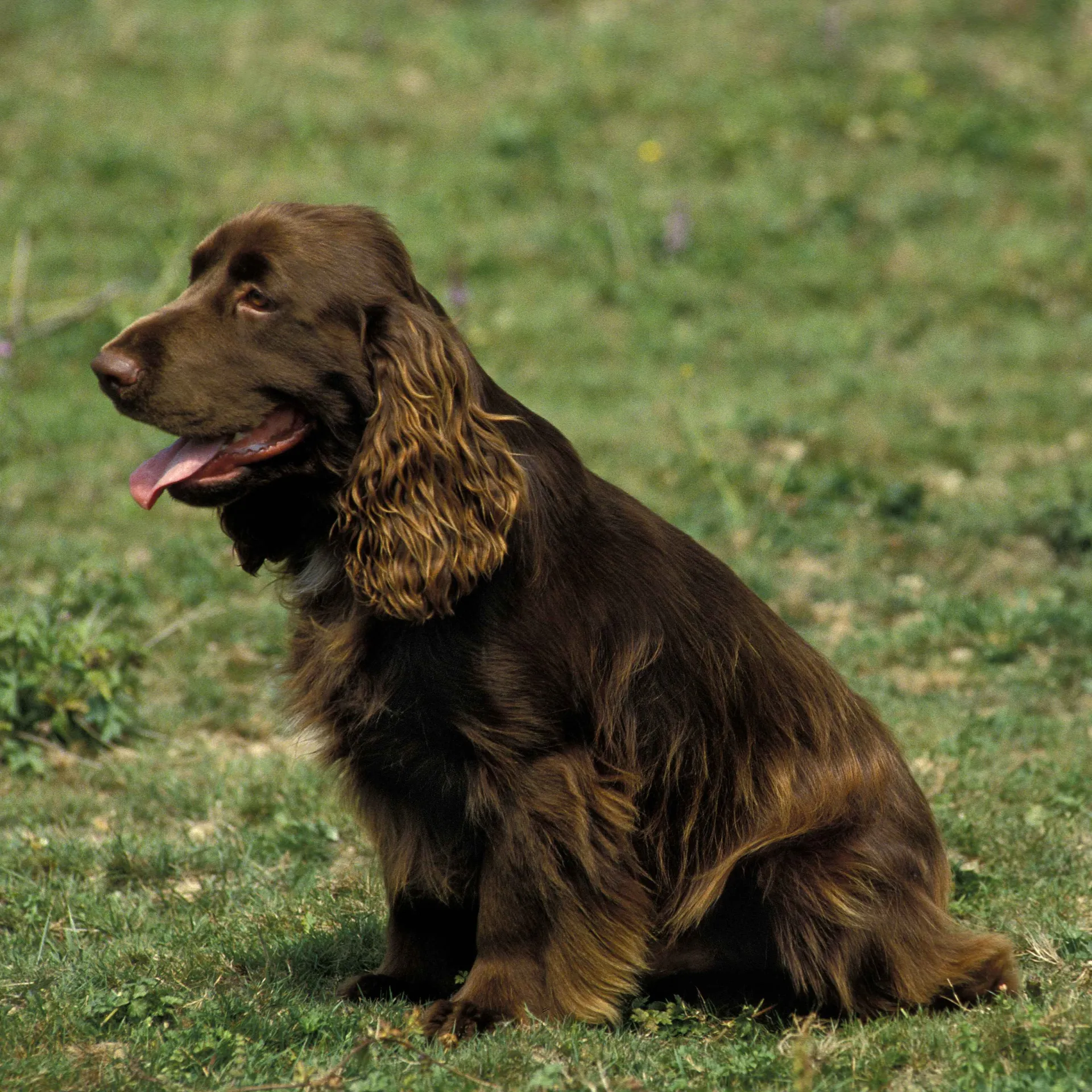
The Field Spaniel is known for its glossy, medium-length coat with feathering on the chest, ears, and legs—giving it a soft, elegant look without being overly high-maintenance. But in India’s mix of dust, pollution, and humidity, a little routine care goes a long way to keeping them healthy and handsome.


Brushing

Field Spaniels shed moderately and their silky feathering can mat if neglected. A thorough brushing 2–3 times a week is usually enough, but in humid cities like Chennai or Kolkata, a quick daily comb behind the ears and legs helps prevent tangles and fungal issues. During shedding seasons (before summer and post-monsoon), expect more loose fur—brushing daily during this period keeps your sofa and clothes less “furry.”


Bathing

Unlike some spaniels, Field Spaniels don’t need frequent baths. PetMD suggests once every 4–6 weeks is plenty. In dusty metros like Delhi or Bengaluru, rinsing with plain water or wiping down their coat in between baths helps. Always dry their feathered areas completely, especially in monsoon months, as damp fur invites skin infections.


Ears & Nails

Those droopy ears are adorable but can trap moisture and dirt, making infections more likely in India’s hot, sticky climate. A weekly ear check and cleaning with a vet-approved solution is essential. On smooth Indian flooring like marble or tile, nails don’t wear down naturally, so trim every 3–4 weeks to avoid slipping.


Teeth

Like most spaniels, Field Spaniels can struggle with tartar buildup. VCA Hospitals note dental disease as one of the most common issues. Since imported dental chews can be expensive here, brushing with dog-safe toothpaste 2–3 times a week and offering crunchy add-ons like raw carrots work well for Indian homes.

about image
written by image

Written by

Happy Pet Team

Author

Team Happy Pet is a passionate collective of pet experts, enthusiasts, and advocates dedicated to sharing trusted and insightful content.

Our cont
 

Compare with similar breeds

Alert whippet dog with short fur looking intently

Whippet

Compare
Close up of a tri color Basset Hound with long droopy ears looking up

Basset Hound

Compare
Brown white Bulldog dog headshot looking forward with droopy ears and a gray background

Bulldog

Compare
Blonde American Cocker Spaniel with long curly hair and a pink collar sitting in grass

American Cocker Spaniel

Compare

Frequently Asked Questions

Are Field Spaniels easy to train?

Field Spaniels are intelligent dogs and generally respond well to training. However, like all breeds, they thrive with positive reinforcement training methods and consistency. Early socialization and training are important for shaping their behavior.

How often should I groom my Field Spaniel?

Field Spaniels require regular grooming to keep their coat in good condition. Weekly brushing is recommended to remove loose hair and prevent matting. They may also need occasional baths, ear cleaning, and nail trimming as part of their grooming routine.

Are Field Spaniels good with children?

Field Spaniels are typically good with children and can make wonderful family pets. They are known for their gentle and patient nature, but as with any dog, it's important to supervise interactions between dogs and young children to prevent any accidental harm.

How long do Field Spaniels live?

Usually 12–13 years with proper care.

Can they handle India’s heat?

Not very well. Walk them only in cooler hours, keep them hydrated, and use fans or AC during peak summer.


Media & Resources about Dogs

GSDprice ranges in India

German Shepherd Price in India 2026: What You'll Really Pay in Mumbai, Bengaluru and Delhi

05 May 2026

dog refusing food

Why Do Dogs Eat Less in Summer? Causes, Signs & Practical Tips

17 Apr 2026

a happy dog and its owners

Communication Gaps in Pet Co-Parenting: How It Impacts Your Pet’s Health

15 Apr 2026

View All