Home
/
Dog Breeds
/
Dogo Argentino
Origin
Argentina
Size
Giant Breed
Ideal Space
House with Farm Area
Ideal Weather
10º-25ºC
Life Expectancy
10-12 years
Cost of buying
₹ 50,000 - ₹ 1,50,000
Top 5 Traits
Athletic
Disciplined
Fearless
Intelligent
Loyal
Avg Monthly Expenses
₹ 4,900 - ₹ 7,650

by Happy Pet TeamUpdated on 5 May 2026
Quick Breed Guide to Dogo Argentino
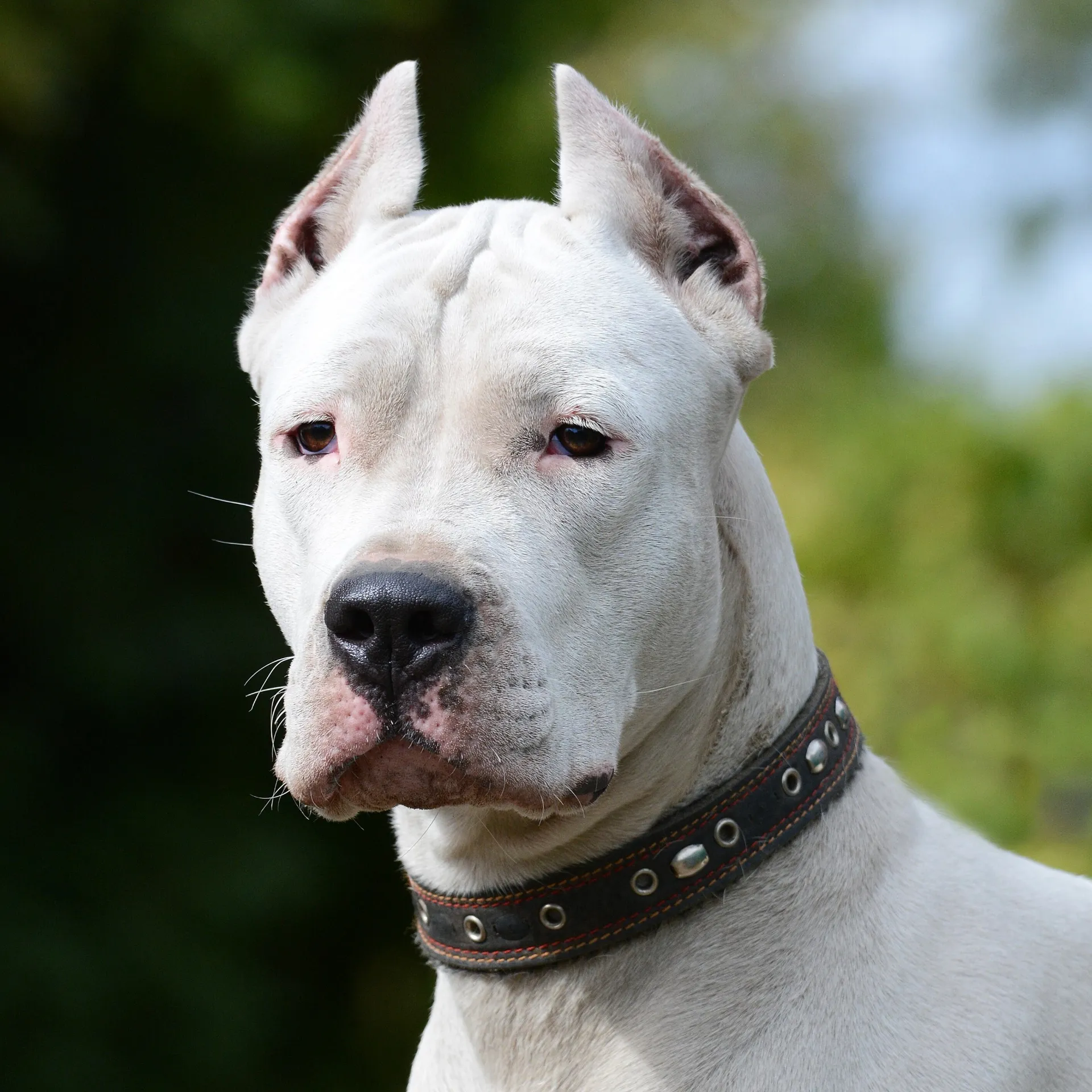
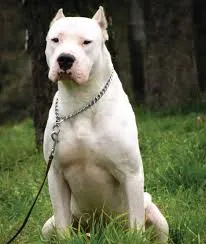
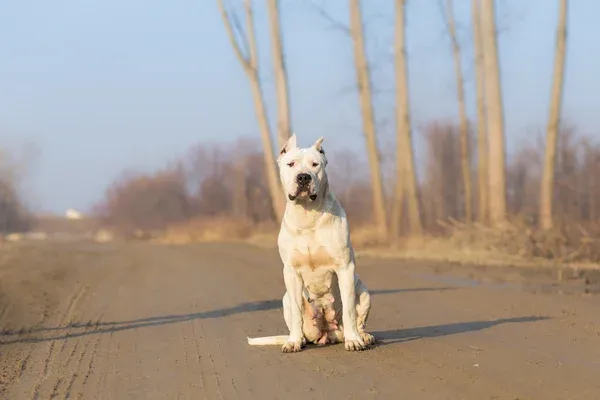
The Dogo Argentino is a large, strong, and powerful breed originally from Argentina. These dogs were bred for big-game hunting, but they are also loving and loyal family dogs when trained well. They have a short, white coat and a muscular build.
Characteristics
Barking
Quiet
Loud
Temperament with Kids
Aggressive
Friendly
Playfulness
Silent
Very Playful
Friendliness
Not Friendly
Super Friendly
Compatibility with other dogs
Aggressive
Friendly
Need for attention
Independent
Very Needy
Monthly Expenses


Dogo Argentino Price in India
Cost of buying
₹ 50,000 - ₹ 1,50,000
If you’re thinking about bringing a Dogo Argentino into your home, you have two main options: buying or adopting.
Prerequisites to pet a Dogo Argentino
Access to Groomer
Access to Veterinary
Appropriate Climate
Lifestyle Compatibility
Financial Capability
Space and Environment
Willingness to train
Ready to Bring a Dogo Argentino Home?
- Research: Start by learning about the Dogo Argentino breed. Understand their personality, care needs, exercise requirements, and common health concerns. Dogos are strong, active dogs that need firm training and plenty of space. Make sure they fit well with your lifestyle.
- Find Reputable Sources: Before buying a Dogo Argentino puppy, look for a responsible breeder who follows ethical breeding practices. If you’re considering adoption, check breed-specific rescues, shelters, or rescue groups.
- Visit Breeders/Adoption Centers: Visit the breeder or rescue to meet the dog in person. Learn about their temperament, health history, and vaccination records. If adopting, ask about their background, any past training, and medical conditions.
- Ask for Documentation: Always ask for health certificates, vaccination records, and other important documents from the breeder. If adopting, get details on their current health, medical history, and behavior.
- Prepare Your Home: Make sure your home is ready for your new Dogo Argentino. Set up a comfortable space with food bowls, a sturdy bed, grooming tools, and durable toys. Since Dogos are large and powerful, ensure you have secure fencing and enough space for them to move freely.
Nutritional Guide for Dogo Argentinos
Monthly Food Expenses
₹ 3,000 - ₹ 4,500
Calories per day
Puppies: 2500 kcal
Adults: 3500 kcal
Essential Nutrients
Protein
Fats
Carbohydrates
Vitamins
Minerals
List of foods
Chicken
Dry Dog Food
Fresh Meat
Fresh Fish
Home made meals
Vegetables
Dogo Argentinos are large, athletic dogs that need a high-protein diet to support their muscles. They require balanced meals with plenty of lean meats, healthy fats, and essential vitamins.
Breakdown of Macro-nutrients
How to choose the right food for Dogo Argentino
The Dogo Argentino needs a protein-rich diet to keep their muscles strong. Look for dog food with real meat as the first ingredient. Chicken, beef, turkey, and fish are great protein sources. Avoid foods with artificial additives and preservatives, as these can lead to allergies.
Foods to Avoid for Dogo Argentinos
Avoid anything with these ingredients
Alcohol
Avocados
Cherries
Coffee / Tea
Garlic
Milk Products
Salt
Sugar
Certain foods can be harmful to Dogos. Never feed them chocolate, grapes, raisins, onions, or garlic, as these can be toxic.


Dogo Argentino Healthcare Overview
Avg Monthly Expenses
₹ 1,200 - ₹ 1,950
Common Health Issues
Bloat
Hip Dysplasia
Parasites
Heartworm
Canine distemper
Leptospirosis
Parvovirus
Rabies
Well being
Exercise
Agility Training
Bonding
Games
Socialization
Energy Level
High
Exercise routine
60 - 90 minutes
Recognising Stress
Changes in appetite
Excessive Barking
Pacing
Excessive Panting
Reluctance to move
Common Health Issues in Dogo Argentinos
Dogo Argentinos are generally healthy, but like all breeds, they are prone to certain health problems, according to PetMD and American Kennel Club. Here are some common ones:
Vaccination details
Growth Stage
Core Vaccines
6-8 Weeks
Distemper, Parvovirus, Adenovirus, Parainfluenza
12 Weeks
Distemper, Parvovirus, Adenovirus, Parainfluenza
16 Weeks
Rabies
20 Weeks
Distemper, Parvovirus, Adenovirus, Parainfluenza
Senior Dog Care Tips for Dogo Argentinos
As your Dogo Argentino ages, their needs change. Here’s how to care for them in their senior years:
Grooming Guide For Dogo Argentinos
Avg Monthly Expenses
₹ 700 - ₹ 1,200
Shedding Level
Low Shedding
Hygienic Checklist
Bathing
Brushing
Ear Cleaning
Teeth Care
Eye Care
Nail Trimming
Benefits of Grooming
Cleanliness
Low Shedding
Odourless
Prevents Bad Breath
Prevents infections
Quality of life
The Dogo Argentino has a short, low-maintenance coat, but they still need regular grooming.


Written by
Happy Pet TeamAuthor
Team Happy Pet is a passionate collective of pet experts, enthusiasts, and advocates dedicated to sharing trusted and insightful content.
Our cont
Compare with similar breeds
Frequently Asked Questions
What is the temperament of a Dogo Argentino?
Dogo Argentinos are renowned for their bravery, devotion, and guardian instincts. They are often good with youngsters and show affection towards their family.
How much exercise is necessary for a Dogo Argentino?
The Dogo Argentino is a high-energy breed that requires a substantial amount of exercise to stay healthy and happy. Ideally, they should get at least 60 to 90 minutes of physical activity per day. This can include walks, playtime, and activities like hiking or agility training. Regular exercise is crucial to prevent boredom and related behavioral issues.
What are the common health issues in Dogo Argentinos?
Common health issues in Dogo Argentinos include hip dysplasia, bloat, heartworm, and various parasites. They are also prone to certain infectious diseases such as canine influenza and distemper. Regular veterinary check-ups, a balanced diet, and preventive care are essential to manage these health risks and maintain the breed’s overall well-being.