Home

/

Dog Breeds

/

Deutscher Wachtelhund

Deutscher Wachtelhund

Origin

🇩🇪

Germany

Size

Medium Breed

Ideal Space

Independent House

Ideal Weather

10º-25ºC

Life Expectancy

12-14 years

Cost of buying

₹ 2,50,000 - ₹ 5,00,000

Top 5 Traits

Athletic

Fearless

Intelligent

Loyal

Playful

Avg Monthly Expenses

₹ 4,650 - ₹ 6,600

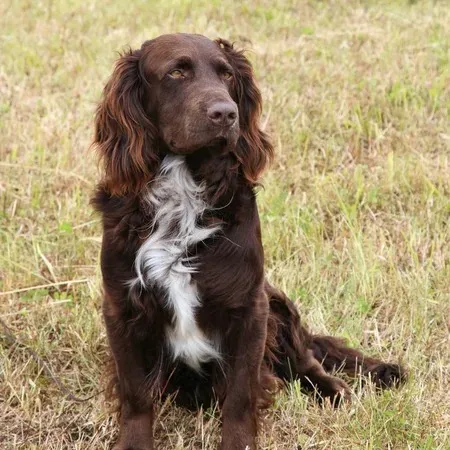
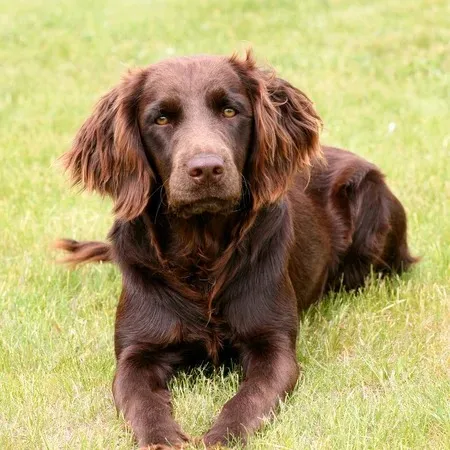
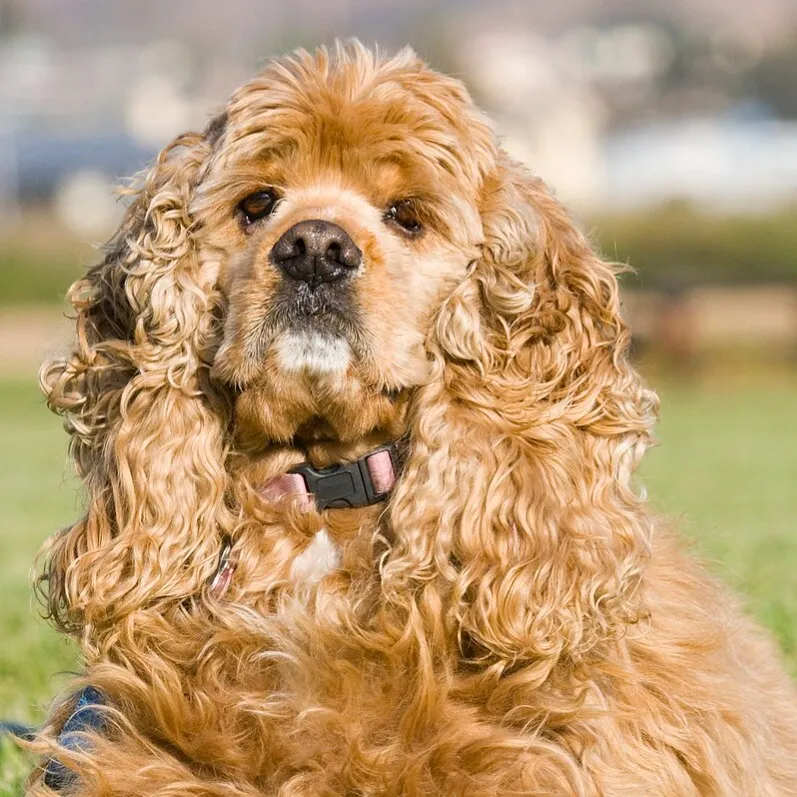
Close up of a brown Deutscher Wachtelhund with floppy ears looking directly at the camera
written by image

by Happy Pet TeamUpdated on 14 Sept 2025

Meet the Deutscher Wachtelhund: The Energetic Hunter with a Loyal Heart

The Deutscher Wachtelhund, also known as the German Spaniel, isn’t a breed you’ll see often in India, but dog lovers who do bring one home quickly discover just how special they are. Bred in Germany as versatile hunting dogs, these medium-sized spaniels are known for their incredible sense of smell, stamina, and affectionate nature. According to the UKC, they were developed to track, flush, and retrieve game, which makes them athletic, determined, and happiest when they have a “job” to do.

With most families in India, that “job” may not be hunting, but it can be anything from daily walks and playtime to agility games in your building compound. Their loyalty and affection make them excellent companions for active households that can match their energy.


How Long Do Deutscher Wachtelhunde Live?

This breed generally enjoys a longer lifespan than many medium dogs, averaging 12–14 years, according to DogTime.


Temperament & Personality

If you’re looking for a dog who’s affectionate at home but high-energy outdoors, the Wachtelhund ticks both boxes. The American Kennel Club describes them as friendly, determined, and eager to work—traits that make them wonderful family companions if you can keep them engaged.

  1. With family: They bond deeply and love being part of daily life. Whether it’s curling up at your feet while you work from home or joining you for an early morning jog, they thrive on inclusion.
  2. With kids: Gentle and patient, but because of their size and energy, it’s best to supervise play with younger children.
  3. With strangers: Reserved at first, but not aggressive. Early socialization with neighbors, staff, and delivery folks helps prevent over-protectiveness.
  4. Training: Intelligent but independent, so stick to positive reinforcement—treats, praise, and games. Harsh methods don’t sit well with them, says PetMD.


Apartment vs. Farmhouse Life in India

Apartment Life (Delhi, Mumbai, Bengaluru)

Yes, they can adapt to apartment life, but only if you commit to 60–90 minutes of daily strong exercise. Break it up into cooler morning and evening walks, along with indoor activities like puzzle feeders, obedience games, or tug-of-war. They aren’t big barkers, so your neighbors won’t complain, but do watch out, an under-exercised Wachtelhund can get restless and destructive.

Farmhouses & Suburban Homes

This is their dream setup. With secure space to roam, they truly shine by running, sniffing, and exploring. Historically used as hunting companions, they love tasks: carrying a small backpack on a hike, playing scent-tracking games in your garden, or just patrolling “their” territory. If you have a gated farmhouse in Gurgaon or Bangalore outskirts, make sure the fencing is solid and high as once their nose catches a scent, they just might be impossible to stop wandering.


Climate Considerations in India

This is where pet parents in India need to be extra careful. The Wachtelhund’s dense double coat was designed for Germany’s forests, not Indian summers.

  1. Hot cities (Delhi, Chennai, Hyderabad): Avoid the midday sun at all costs. Stick to dawn and dusk walks, keep your home well-ventilated or air-conditioned, and always provide fresh water. Cooling mats and shaded corners help them cope with the heat. Keep an eye on the paws as hot cement or tarmac isn’t good for them.
  2. Hill stations (Ooty, Shimla, Dehradun): This is their natural comfort zone, you’ll see them energetic, playful, and happiest in cooler climates.
  3. Monsoons: Their floppy ears and thick coat make them prone to ear infections and fungal skin issues. Always dry thoroughly after walks and check ears weekly.

Characteristics

Barking

Quiet

Loud

Temperament with Kids

Aggressive

Friendly

Playfulness

Silent

Very Playful

Friendliness

Not Friendly

Super Friendly

Compatibility with other dogs

Aggressive

Friendly

Need for attention

Independent

Very Needy

Monthly Expenses

about image

Lifespan & Availability in India

Cost of buying

₹ 2,50,000 - ₹ 5,00,000

Good news for pet parents—Wachtelhunde generally live 12–14 years, much longer than giant breeds like Berners or St. Bernards. With regular vet care, balanced nutrition, and weight management, they can stay active well into their senior years.


In India, they are extremely rare, far less common than Labradors, German Shepherds, or even imported setters. Puppies usually have to be imported from Europe, with costs running from ₹2.5–5 lakhs depending on pedigree and import logistics.


Exercise Needs

The Deutscher Wachtelhund is an athletic, high-energy hunting dog. The UKC notes that they were bred for stamina, not couch life. That means plenty of exercise is non-negotiable.


  1. Daily Activity: Plan for at least 90 minutes of exercise split between morning and evening. In Indian climates, avoid the midday heat and stick to early or late hours.
  2. Outdoor Play: If you have access to a farmhouse or a secure gated colony, they’ll love running free. In cities, long walks, structured play (fetch, tug), and agility drills are great outlets.
  3. Mental Stimulation: Wachtelhunde are hunting dogs at heart—they thrive when given “jobs.” Nosework games, puzzle feeders, and even teaching them to fetch items around the house keep them mentally sharp.
  4. In apartments, you’ll need to be extra committed. Without enough exercise, they can turn restless or destructive. A doggy backpack with light weights on walks or obedience training sessions indoors can help channel their energy.

Prerequisites to pet a Deutscher Wachtelhund

Access to Veterinary

Appropriate Climate

Lifestyle Compatibility

Financial Capability

Space and Environment

Shop or Adopt a Deutscher Wachtelhund in India

If you’re serious about bringing one home, here’s what to look out for:


  1. Health paperwork: Make sure you get certifications for hips, elbows, and eyes.
  2. Puppy rearing: Puppies should be raised indoors with family interaction, not in kennels.
  3. Verified documents: Vaccination card and KCI/FCI-recognized pedigree papers.


Because Wachtelhunde are rare and pricey imports, some Indian families also consider more accessible hunting/working breeds like the German Shorthaired Pointer or Labrador Retriever. But if you’re looking for a devoted, intelligent, and active companion, the Wachtelhund is a unique choice. Just be ready to commit to their exercise and grooming needs.

Nutrition for Deutscher Wachtelhunds in India

Monthly Food Expenses

₹ 2,250 - ₹ 3,000

Calories per day

Puppies1500 kcal

Adults2000 kcal

Essential Nutrients

Protein

Fats

Carbohydrates

Fibre

Vitamins

Minerals

List of foods

Chicken

Dry Dog Food

Fresh Meat

Fresh Fish

Fruits

Vegetables

The Deutscher Wachtelhund, or German Spaniel, may not be as common in Indian homes as Labradors or Indies, but this medium-sized hunting dog is a bundle of energy and loyalty. Behind that wavy, dense coat is a worker who needs the right diet to stay fit in our varied Indian climates. The American Kennel Club notes that Wachtelhunde are powerful, versatile gundogs—meaning diet, weight, and activity must go hand in hand for long-term health.


Protein: The Heart of Their Diet

Active muscles need steady protein, and Wachtelhunde are no exception. ProDog Raw recommends animal-based proteins as the foundation of their meals, keeping them lean and strong.

India-friendly protein picks:

  1. Boiled chicken or turkey (always unspiced)
  2. Eggs a couple of times a week—scrambled or boiled
  3. Freshwater fish like rohu or catla, rich in omega-3s.
  4. Goat meat in small portions during winters (heavier to digest but energy-dense)


Summer tip: In cities like Delhi or Chennai, heavy meats can slow your Wachtel down. Stick to light chicken, fish, or eggs for easier digestion during the hotter months.


Healthy Fats: For Coat & Stamina

That lush coat may look glamorous, but in Indian humidity it can trap heat and cause skin irritation. Hill’s Pet Nutrition highlights that healthy fats keep coats glossy and joints flexible.

Simple Indian boosters:

  1. Sardines twice a week (lightly cooked)
  2. 1 teaspoon of coconut oil, mixed into meals once or twice a week
  3. Vet-approved fish oil or flaxseed oil supplements for skin and joints


Carbohydrates: Balanced Energy

Unlike hyper breeds, Wachtelhunde have a moderate but consistent energy demand. Complex carbs help maintain stamina without sugar crashes.

Indian carb picks:

  1. Oats or daliya (broken wheat) for steady energy
  2. Brown or red rice for fiber
  3. Pumpkin, sweet potato, bottle gourd, and carrots as gentle veggie fillers

Skip desi indulgences like samosas, parathas dripping in ghee, or biscuits. these quickly add unhealthy weight to medium breeds. Watch out for gluten allergies.


Vitamins & Minerals: Immune & Joint Health

Wachtelhunde are robust but, like many working breeds, benefit from micronutrient support. Dogster points out that calcium, phosphorus, and vitamins A, D, and E play a role in long-term bone and joint health.

Easy add-ons in India:

  1. Steamed spinach, beans, peas, and carrots in small amounts
  2. Vet-guided calcium supplements for growing puppies
  3. Glucosamine/chondroitin for adults to delay arthritis


Feeding Guidelines for Deutscher Wachtelhunds

  1. Puppies (2–12 months): 3–4 small meals daily. Choose large-breed puppy kibble or a balanced home-cooked plan with chicken, rice, and veggies. Avoid excess calcium, it can harm bone growth.
  2. Adults (1–7 years): Two meals daily. Mornings can be lighter with rice + veggies; evenings protein-heavy with chicken or fish + sweet potato.
  3. Seniors (7+ years): Softer meals (fish, eggs, mashed veggies). Reduce calories by 15–20% and add joint-support supplements.


Like other medium-to-large breeds, Wachtelhunde can be prone to bloat. AKC recommends smaller, spaced meals, slow-feeder bowls, and avoiding intense play right before or after feeding.

Breakdown of Macro-nutrients

Best Foods for Wachtelhunde in India

  1. Premium kibble: Farmina N&D Medium Breed, Royal Canin Medium Adult, Acana Sport & Agility (for very active dogs), or Hill’s Science Diet Medium.
  2. Home-cooked meals:
  3. Chicken + pumpkin + spinach + rice
  4. Sardines + sweet potato + beans
  5. Egg + oats + carrots
  6. Healthy treats: Apple slices, cucumber sticks, carrot sticks, curd, or homemade chicken jerky (unspiced).

Hydration boosts: Fresh water always, plus bone broth in winters or coconut water in summers.

Never feed these foods to Deutscher Wachtelhund

Avoid anything with these ingredients

Alcohol

Almonds

Avocados

Cherries

Cinnamon

Coffee / Tea

Dairy

Fruit seeds

Garlic

Grapes

Lemon

Milk Products

Mushrooms

Onions

Salt

Sugar

Like any dog, Wachtelhunde have sensitive systems, and some foods that are staples in Indian homes can be downright dangerous. Here’s what to keep off their plate:


Toxic foods: Chocolate, grapes, raisins, onions, garlic, and anything with xylitol (a sweetener found in sugar-free gums, candies, and some baked goods) can cause organ damage. Even small amounts are risky.


Indian comfort foods: Biryani, samosas, pakoras, jalebis, or parathas dripping in ghee are a no-go. The heavy oils, spices, and masalas can trigger pancreatitis, diarrhea, or long-term obesity.


Unsafe meats & bones: Rawhide chews, brittle chicken bones, and processed meats like sausages or salami can splinter, cause choking, or upset their tummy. If you want to give bones, stick to vet-approved chew alternatives.


Sugary treats: Mithai, ice cream, gulab jamun, rasgulla, cakes, or biscuits may seem harmless “just once in a while,” but sugar leads to weight gain, tooth decay, and can worsen skin infections in our humid Indian climate.


Caffeine & alcohol: Tea, coffee, energy drinks, or even a sip of beer/wine are toxic to dogs. Keep cups and bottles well out of reach.


Dairy overload: While a spoon of plain curd is soothing in summers, avoid milk, paneer, or buttery Indian desserts. Many dogs, including Wachtelhunde, are lactose-intolerant and end up with gas, bloating, or diarrhea.


Street scraps: Leftovers from roadside food (pav bhaji, fried rice, chaat) are packed with onions, chilies, salt, and oil. They may seem tempting when your dog begs, but they can wreak havoc on digestion.

about image

Health

Avg Monthly Expenses

₹ 1,200 - ₹ 1,800

Common Health Issues

Bloat

Hip Dysplasia

Parasites

Heartworm

Canine distemper

Leptospirosis

Kennel Cough

Panosteitis

Well being

Exercise

Bonding

Games

Socialization

Hiking

Energy Level

High

Exercise routine

60 - 90 minutes

Recognising Stress

Changes in appetite

Excessive Barking

Pacing

Excessive Panting

Reluctance to move

Increased laziness

Healthcare for Deutscher Wachtelhunds in India

The Deutscher Wachtelhund is a hardy German gundog, built for stamina and outdoor work. Compared to giant breeds, they often live longer—usually 12–14 years—if given the right care. But just because they’re tough doesn’t mean they’re maintenance-free. In India’s climate, some health concerns need extra attention.


Common Health Concerns


Hip Dysplasia & Joint Stress

Like most medium-to-large working breeds, Wachtelhunde are prone to hip dysplasia, which can limit mobility later in life. Controlled exercise—long walks instead of repeated stair climbing—plus joint supplements (glucosamine, chondroitin, and omega-3s) can help.


Ear Infections

Those adorable floppy ears are also a trap for moisture and dirt. In India’s humid cities like Mumbai or Kolkata, this means higher risk of yeast and bacterial infections. A weekly ear check, gentle cleaning, and drying ears after swims or monsoon walks are essential.


Heat Sensitivity

Wachtelhunde were bred for cool European forests, so they can struggle in India’s peak summers. Restrict walks to early mornings or late evenings, always carry water, and let them rest indoors with fans or AC during May–June heatwaves. Cooling mats or a wet towel on tiled floors can also bring relief.


Obesity

Because they’re food-driven and energetic, overfeeding plus under-exercising is a recipe for weight gain. The AKC recommends portion control, and in Indian homes that means resisting the urge to share chapatis, pakoras, or leftover curry with your dog. Obesity makes hip and joint problems much worse.


Skin Issues

In hot, humid climates, fungal infections and hot spots are common, especially if the coat isn’t dried well after baths. A quick towel-dry and weekly brushing go a long way. Coconut oil (sparingly) can help soothe mild dryness.


General Indian Home Care

  1. Vet visits: Annual checkups are fine for young adults, but once your Wachtelhund crosses 7 years, go for biannual visits with bloodwork.
  2. Exercise: Daily 60–90 minutes of activity—split between structured walks and free play. Mental stimulation like nosework games or puzzle feeders is crucial, especially in apartments.
  3. Grooming: Weekly brushing keeps shedding under control. During monsoon, increase frequency to avoid matting and dampness in the undercoat.
  4. Parasite control: Tick fever is a big threat in India. Use vet-prescribed spot-ons or chewables year-round, especially in semi-urban areas with stray dog contact.

Climate care: Cooling mats, shaded balconies, and well-ventilated indoor spaces are a must in Indian metros.

Vaccination details

Growth Stage

Core Vaccines

6-8 Weeks

Distemper, Parvovirus, Hepatitis, Parainfluenza

10-12 Weeks

DHPP (Distemper, Hepatitis, Parvovirus, Parainfluenza) Booster

12-16 Weeks

Rabies

Recommendations to care for senior Deutscher Wachtelhund dogs

  1. Twice-yearly health checkups, including blood panels and joint assessments.
  2. Smaller, softer meals with easy proteins like fish or eggs.
  3. Orthopedic bedding—wooden or tiled Indian floors can be unforgiving on aging joints.
  4. Keep exercise gentle: slow walks instead of long runs.
  5. Supplements like glucosamine, omega-3s, or even turmeric (vet-approved doses) for inflammation.


Similar Breeds

German Shorthaired Pointer | Vizsla | Labrador Retriever


Grooming Needs of Deutscher Wachtelhunds in Indian Homes

Avg Monthly Expenses

₹ 1,200 - ₹ 1,800

Shedding Level

Moderate Shedding

Hygienic Checklist

Bathing

Brushing

Ear Cleaning

Nail Trimming

Teeth Care

Eye Care

Benefits of Grooming

Cleanliness

Low Shedding

Odourless

Prevents infections

Quality of life

Prevents Bad Breath

The Deutscher Wachtelhund, also known as the German Spaniel, comes with a wavy, medium-length double coat that’s designed for outdoor work in European forests. According to the American Kennel Club, their coats are water-resistant, which makes them great for hunting and retrieving. But in Indian homes, especially in cities where dust and humidity are constant, that beautiful coat needs regular upkeep.


  1. Brushing: A solid brushing session 2–3 times a week is usually enough to prevent matting and tangles. In Indian cities like Delhi or Bengaluru, where fine dust settles quickly, brushing more often helps keep the coat fresh.
  2. Bathing: Once every 4–6 weeks works well, unless they’ve had a muddy outdoor play session. In humid cities like Chennai or Mumbai, thorough drying is a must to prevent fungal skin infections.
  3. Ears & Nails: With their long, floppy ears, Wachtelhunde are prone to ear infections, especially during monsoons. A quick weekly check and gentle cleaning keeps things under control. On tiled or marble Indian floors, nails don’t wear down naturally, so expect to trim them every 3 weeks.
  4. Teeth: Like other medium-large breeds, tartar can build up fast. PetMD suggests brushing 2–3 times a week with dog-safe toothpaste to avoid dental disease.


about image
written by image

Written by

Happy Pet Team

Author

Team Happy Pet is a passionate collective of pet experts, enthusiasts, and advocates dedicated to sharing trusted and insightful content.

Our cont
 

Compare with similar breeds
Tan Carolina Dog with erect ears and open mouth on a white background

Carolina Dog

Compare
A small fluffy brown dog with curly fur and a harness sits looking forward with its tongue out

Barbet

Compare
Siberian Husky with hetero chromatic eyes and pink tongue showing close up

Siberian Husky

Compare
Brown dog with one erect and one folded ear stands on concrete

Pandikona

Compare

Frequently Asked Questions

Are Deutscher Wachtelhunds suitable for apartment living?

Deutscher Wachtelhunds are active dogs that require plenty of exercise and mental stimulation. While they can adapt to apartment living with proper exercise and attention, they thrive best in homes with access to a yard where they can run and play freely.

How trainable are Deutscher Wachtelhunds?

Deutscher Wachtelhunds are highly trainable dogs thanks to their intelligence and eagerness to please. They excel in obedience training, as well as various canine sports such as agility and tracking. Consistent and positive reinforcement-based training methods yield the best results with this breed.

Are Deutscher Wachtelhunds good family pets?

Yes, they are known for their affectionate nature and bond well with their families. They are good with children and other pets when properly socialized from a young age.

How long do Deutscher Wachtelhunds live?

Usually 12–14 years, longer than most large working breeds.

What are their grooming needs?

2–3 brushings per week, monthly baths, regular ear checks, nail trims, and dental care.
Media & Resources about Dogs

dog refusing food

Why Do Dogs Eat Less in Summer? Causes, Signs & Practical Tips

17 Apr 2026

a happy dog and its owners

Communication Gaps in Pet Co-Parenting: How It Impacts Your Pet’s Health

15 Apr 2026

dog travelling in a train

Don’t Let the Heat Harm Your Pet: Smart Summer Travel Tips

14 Apr 2026

View All