
Home
/
Dog Breeds
/
German Shorthaired Pointer
German Shorthaired Pointer
Origin
Germany
Size
Large Breed
Ideal Space
House with backyard
Ideal Weather
15º-25ºC
Life Expectancy
10-14 years
Cost of buying
₹ 25,000 - ₹ 50,000
Top 5 Traits
Athletic
Energetic
Intelligent
Loyal
Playful
Avg Monthly Expenses
₹ 4,900 - ₹ 7,650
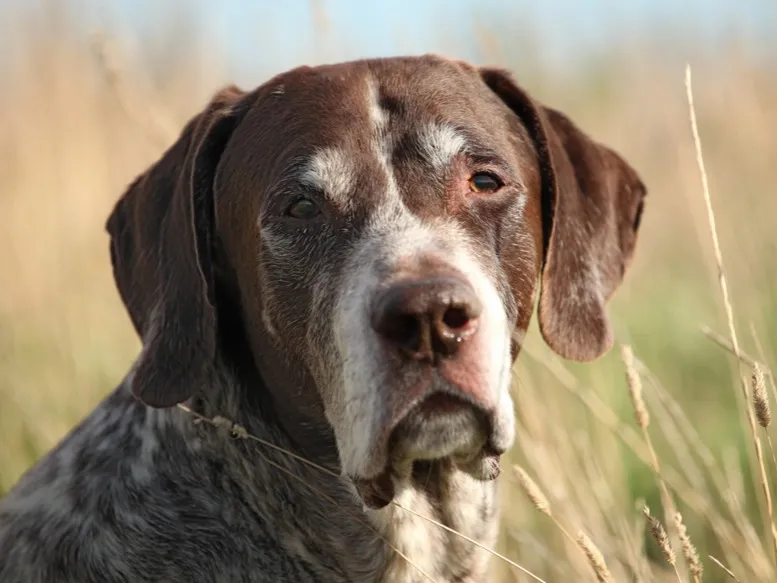
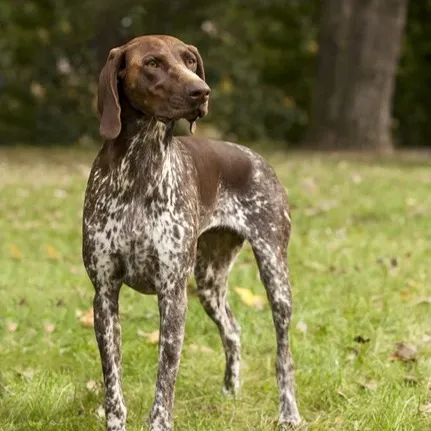
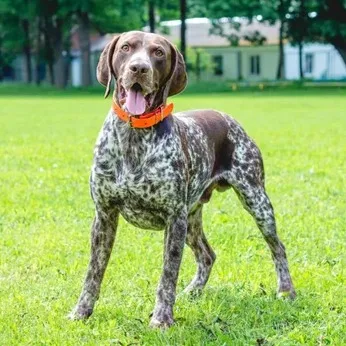
German Shorthaired Pointer Overview: The Versatile Sporting Dog
German Shorthaired Pointers (GSPs) are a medium-to-large athletic breed that originated in Germany. They have floppy ears, a thin body, and are renowned for their speed, agility, and stamina. As per PetMD, they are often referred to as "bird dogs," which are hunting dogs that have been trained to locate and capture game birds.
Characteristics
Barking
Quiet
Loud
Temperament with Kids
Aggressive
Friendly
Playfulness
Silent
Very Playful
Friendliness
Not Friendly
Super Friendly
Compatibility with other dogs
Aggressive
Friendly
Need for attention
Independent
Very Needy
Monthly Expenses


German Shorthaired Pointer Price in India
Cost of buying
₹ 25,000 - ₹ 50,000
The average price of a German Shorthaired Pointer Dog in India ranges between ₹ 25,000 - ₹ 50,000.
Prerequisites to pet a German Shorthaired Pointer
Access to Groomer
Access to Veterinary
Appropriate Climate
Lifestyle Compatibility
Financial Capability
Things to Know Before Buying or Adopting a German Shorthaired Pointer
- Research: Take your time to learn about the breed. Make sure you understand their unique grooming, medical, nutritional, and exercise needs. This will help you decide if the German Shorthaired Pointer is the right fit for you.
- Adopt, Don’t Shop: Adoption is a wonderful way to provide a loving home to a pup in need. It also makes room in shelters for other animals that require care and resources.
- Medical Tests: Once you’ve found the pup you want to bring home, check that its medical records (like vaccinations) are up to date.
- Doggy Supplies: One of the most important steps in bringing home a canine companion is preparing your home. Stock up on essentials like a dog bed, food, and treats to give them a warm welcome and help them settle in comfortably.
How to Feed a German Shorthaired Pointer: Daily Diet Guidelines
Monthly Food Expenses
₹ 3,000 - ₹ 4,500
Calories per day
Puppies: 1500 kcal
Adults: 1700 kcal
Essential Nutrients
Protein
Fats
Carbohydrates
Fibre
Minerals
Vitamins
List of foods
Chicken
Dry Dog Food
Fresh Meat
Fresh Fish
Fruits
Home made meals
Mutton
Vegetables
- Protein - Boosts immunity, supports tissue repair, and is essential for building and maintaining lean muscle mass.
- Fats are a great source of sustained energy and promote skin and coat health. It also supports brain function and helps in absorbing fat-soluble vitamins.
- Carbohydrates - They provide energy for their daily activities and support digestion.
- Fiber - Helps in digestion and regulates gut health. It also helps them in weight management by inducing satiety.
- Vitamins and minerals - Promote overall health and well-being. Ensure their diet comprises calcium, phosphorus, zinc, and vitamin E.
Breakdown of Macro-nutrients
Top Food Choices for a Healthy German Shorthaired Pointer
- When choosing the right dog food, ensure that it meets the standards established by AAFCO.
- High-quality protein options like chicken, turkey, beef, or fish.
- Essential fatty acids like Omega-3 and Omega-6 can be derived from sources like eggs, chicken, fish, and seeds (hemp seeds, flaxseeds, and chia seeds).
- Carbohydrates: Boiled whole grains (oats, brown rice), sweet potatoes, and peas.
- If opting for packaged food, PetMD recommends looking for labels like “sport” or “performance”.
- GSP puppies require up to four meals a day, while adults can be fed two meals a day.
- GSPs are fast eaters and could use the help of a slow-feeder bowl to reduce bloat.
- For GSPs with joint issues, consider giving them joint supplements after consulting with your veterinarian.
Foods to Avoid for Your German Shorthaired Pointer’s Safety
Avoid anything with these ingredients
Alcohol
Avocados
Cherries
Almonds
Cinnamon
Coffee / Tea
Dairy
Fruit seeds
Garlic
Grapes
Lemon
Milk Products
Mushrooms
Onions
Salt
Sugar
- Steer clear of common human foods that are poisonous to dogs, such as chocolate, avocados, raisins, grapes, etc.
- Cooked bones have the potential to clog your dog’s throat or mouth. Furthermore, these bones may splinter inside the intestines and block the channels of your dog's digestive system.
- Sugar: Avoid highly sweetened products and artificial sweeteners such as xylitol. This can induce blood sugar problems and is harmful to dogs.
- Coffee and tea are harmful to dogs and should be avoided at all costs.


Medical Requirements of a German Shorthaired Pointer
Avg Monthly Expenses
₹ 1,200 - ₹ 1,950
Common Health Issues
Bloat
Hip Dysplasia
Lyme disease
Parasites
Panosteitis
Canine distemper
Heartworm
Well being
Exercise
Agility Training
Bonding
Games
Socialization
Energy Level
Very High
Exercise routine
60 - 90 minutes
Recognising Stress
Excessive Barking
Changes in appetite
Pacing
Excessive Panting
Reluctance to move
Increased laziness
Decreased play
Common Health Concerns in German Shorthaired Pointers
- Hip and elbow dysplasia: They are characterized by improper alignment of the hip or elbow joints. The bones rub and grind as a result of this misalignment. As per PetMD, this eventually causes the joint to deteriorate and develop arthritis, which results in discomfort and loss of function. GSP dogs may be susceptible to inherited hip and elbow dysplasia. But they can also get worse due to factors like diet, weight, and exercise routines. Medical treatment is available, but in extreme situations, surgery can be required.
- Progressive Retinal Atrophy: A collection of degenerative conditions known as progressive retinal atrophy (PRA) damages the retina of the eye and ultimately results in blindness. According to PetMD, German Shorthaired Pointers are susceptible to PRA, a hereditary condition that causes hazy eyes, clumsiness (particularly in the dark), and an unwillingness to go outside at night. According to Cornell University College of Veterinary Medicine, there is no cure or prevention for this illnes,s and a DNA test can identify prospective carriers for the faulty gene. Breeders who are reputable will check their German Shorthaired Pointers for PRA.
- Subaortic Stenosis: GSP dogs are susceptible to a hereditary condition called subaortic stenosis. This leads to the narrowing of the aortic valve, which controls the flow of blood from the heart to the other parts of the body. The heart has to work harder when the valve narrows. It will eventually result in heart failure if treatment is not received. According to the Cornell University College of Veterinary Medicine, the symptoms of subaortic stenosis include fainting, reduced exercise tolerance, and tiredness. In young dogs, usually before they are one year old, the problem is usually identified by a veterinarian during a checkup as a cardiac murmur. The severity determines the course of treatment; light cases might not need it, but more serious ones might call for lifelong medication.
- Gastric Dilatation-Volvulus: German Shorthaired Pointers and other deep-chested breeds may be susceptible to gastric dilatation-volvulus (GDV), a serious kind of bloat in dogs. GDV occurs when the stomach of a dog expands and stretches, preventing blood from circulating to and from the spleen and stomach. Symptoms to watch out for are: retching without vomiting, swollen abdomen, abdominal pain, persistent panting, and drooling. As per PetMD, a dog suffering from GDV requires prompt veterinary attention as this is an urgent health issue.
Vaccination details
Growth Stage
Core Vaccines
6-8 Weeks
DHPP (Distemper, Hepatitis, Parvovirus, Parainfluenza)
10-12 Weeks
DHPP, Leptospirosis
14-16 Weeks
DHPP, Rabies
16-18 Weeks
DHPP booster
Annually
DHPP booster, Rabies, Leptospirosis
Caring for a Senior German Shorthaired Pointer: What You Should Know
- As dogs age, their diet needs to be adjusted to suit their evolving needs. Switch to dog food that is specially curated for senior dogs.
- Visit your veterinarian regularly to stay proactive with their health.
- Reduce the intensity of their exercises. Incorporate short and frequent walks to keep their joints healthy.
- Provide plenty of mental stimulation in the form of games and puzzles to keep their mind sharp and healthy.
Grooming Tips for Your German Shorthaired Pointer
Avg Monthly Expenses
₹ 700 - ₹ 1,200
Shedding Level
Moderate Shedding
Hygienic Checklist
Brushing
Bathing
Nail Trimming
Ear Cleaning
Eye Care
Teeth Care
Benefits of Grooming
Cleanliness
Odourless
Prevents infections
Prevents Bad Breath
Quality of life
Low Shedding
- Coat - They have a short, thick, and coarse coat. A grooming mitt can go a long way in giving them a quick cleanup while they also benefit from occasional baths.
- Ears - Check their ears for dirt or buildup and clean them with a vet-recommended solution.
- Nails - Trim the nails every 2-3 weeks
- Teeth - VCA animal hospitals recommends brushing your dog's teeth at least three times a week. This helps prevent plaque and tartar buildup, maintaining good oral hygiene.


Compare with similar breeds

Frequently Asked Questions
Are German Shorthaired Pointers good family dogs?
Yes, they are affectionate, loyal, and great with active families. However, their energy levels can be overwhelming for small children and are recommended for those with older children.
Do German Shorthaired Pointers shed a lot?
They shed moderately but are easy to groom.
How much exercise does a German Shorthaired Pointer require?
According to PetMD, they require 1-2 hours of rigorous exercise every day.