Home

/

Dog Breeds

/

Chesapeake Bay Retriever

Chesapeake Bay Retriever

Origin

🇺🇸

United States

Size

Large Breed

Ideal Space

House with backyard

Ideal Weather

10º-25ºC

Life Expectancy

10-13 years

Cost of buying

₹ 3,00,000 - ₹ 7,00,000

Top 5 Traits

Energetic

Intelligent

Athletic

Loyal

Protective

Avg Monthly Expenses

₹ 4,900 - ₹ 7,650

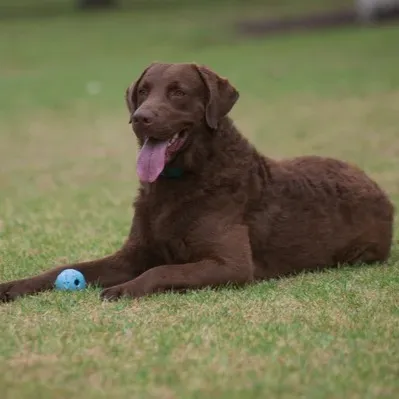
Brown Chesapeake Bay Retriever with a white collar looking forward
written by image

by Happy Pet TeamUpdated on 29 Aug 2025

Meet the Chesapeake Bay Retriever: America’s Rugged Water Dog

If you’ve ever dreamed of a dog that’s tough enough to brave icy waters but affectionate enough to curl up with the family, the Chesapeake Bay Retriever (or Chessie) might be the one. Originally bred along the shores of Maryland to retrieve ducks in freezing waters, this breed is famous for its courage, stamina, and loyalty. The American Kennel Club describes Chessies as intelligent, tireless workers with a protective streak.


In India, Chesapeake Bay Retrievers are quite rare but slowly finding interest among pet parents who want a strong, trainable, and devoted family companion. Their dense, waterproof coat helps in cooler regions, but Indian summers can be tough—making grooming, hydration, and climate management essential for their wellbeing.


How Long Do Chesapeake Bay Retrievers Live?

Chessies generally live 10–13 years, according to The Spruce Pets. In India, their lifespan can be influenced by how well you manage two big factors: climate stress and joint health.


Temperament & Personality

The Chesapeake Bay Retriever is known for its loyal, affectionate, and protective nature. While not as outgoing as a Labrador, they bond deeply with their families and can be reserved around strangers—making them excellent watchdogs for Indian homes. The Orvis dog breed guide notes that Chessies are emotionally sensitive and highly attuned to their owners’ moods.


They are usually patient with children, but supervision is wise given their size and energy. In Indian households, early socialization is especially important: introducing them calmly to neighbors, delivery staff, and even street dogs helps avoid overprotective behavior later.


Training works best with positive reinforcement—think treats, toys, or play sessions. Harsh methods can make them stubborn, while fun, reward-based sessions bring out their eager-to-please side. Chessies also need mental enrichment: scent games, puzzle feeders, or basic retrieving exercises work well indoors when the weather outside is too hot.


Apartment vs. Farmhouse Life

The Chesapeake Bay Retriever is versatile but thrives when its living space matches its activity level.


  1. City apartments (Delhi, Bengaluru, Mumbai): While large and energetic, Chessies can adapt to apartment life if their daily activity needs are met. Aim for at least an hour of exercise split across walks, playtime, and mental games. Indoor enrichment like fetch in a hallway, tug-of-war, or puzzle toys can keep them engaged. Since they shed moderately, regular vacuuming and washable mats will help Indian homes stay tidy.
  2. Farmhouses or suburban homes: Chessies love space to explore and especially enjoy access to water, thanks to their webbed feet and waterproof coat. A secure, shaded yard with fencing is perfect, as their curiosity and protective instincts may tempt them to wander. In semi-rural Indian areas, keeping them supervised around livestock or poultry is important, as their guarding instincts may kick in.


Across all environments, climate control is critical. While they tolerate cold winters (ideal for places like Shimla or Ooty), Chessies struggle in peak summer heat. Cooling mats, shaded outdoor spots, fans, or AC make a huge difference in keeping them comfortable indoors.

Characteristics

Barking

Quiet

Loud

Temperament with Kids

Aggressive

Friendly

Playfulness

Silent

Very Playful

Friendliness

Not Friendly

Super Friendly

Compatibility with other dogs

Aggressive

Friendly

Need for attention

Independent

Very Needy

Monthly Expenses

about image

Lifespan & Price in India

Cost of buying

₹ 3,00,000 - ₹ 7,00,000

The Chesapeake Bay Retriever has a typical lifespan of 10 to 13 years. Data from studies on large-breed lifespans suggest an average of about 11.5 years, though some well-cared-for dogs live longer.


In India, Chessies are still extremely rare and mostly brought in from abroad. Prices usually range from ₹3–7 lakhs, depending on pedigree, breeder reputation, and whether health certifications are included.


Exercise Needs

Chessies were bred as tireless water retrievers, and they still carry that stamina today. They need 60–120 minutes of exercise every day, which can be split between long walks, play sessions, and water-based activities when possible. The Spruce Pets highlights that Chessies thrive when they have both physical exercise and mental challenges.


In India’s climate, exercise should be planned carefully. Early mornings or late evenings are ideal to avoid heatstroke, particularly in cities like Delhi, Chennai, and Hyderabad. If you live in cooler regions like Ooty or Shimla, Chessies will be much more comfortable outdoors year-round. Swimming is the perfect exercise if you have access to a safe, shaded pool or water body—it gives them a chance to use their natural retrieving instincts while staying cool.


On hot days, indoor enrichment is your best friend. Games like hide-and-seek with treats, tug-of-war, or puzzle feeders keep them mentally sharp and physically satisfied without risking overheating. Puppies need gentler routines—avoid over-exercising them, since their growing joints are prone to strain and dysplasia.

Prerequisites to pet a Chesapeake Bay Retriever

Access to Groomer

Access to Veterinary

Appropriate Climate

Lifestyle Compatibility

Financial Capability

Shop or Adopt a Chesapeake Bay Retriever in India

Adopting a Chessie is rare, but not impossible—sometimes breed-specific rescues or NGOs like CUPA Bengaluru and RESQ Pune receive large retrievers in need of homes. If you decide to buy, here’s what to watch out for. To ensure your puppy’s health, always choose breeders who share hip, elbow, eye, and heart clearances. KCI-registered breeders or those following FCI standards are safest. Avoid backyard breeders who may skip genetic testing, buying from them increases risks of hereditary problems later.


  1. Ask for hip, elbow, heart, and eye clearances from both parents.
  2. Check that the puppies are raised at home, not in cages, and are socialized with people.
  3. Ensure the breeder provides vaccination records, microchip details, and pedigree papers.
  4. Given their size, energy, and protective streak, Chessies are best suited for experienced dog parents who understand the needs of large working breeds.

Nutrition Care for Chesapeake Bay Retrievers

Monthly Food Expenses

₹ 3,000 - ₹ 4,500

Calories per day

Puppies1800 kcal

Adults1500 kcal

Essential Nutrients

Protein

Fats

Carbohydrates

Vitamins

Minerals

List of foods

Dry Dog Food

Fresh Meat

Fruits

Vegetables

Chicken

Fresh Fish

Home made meals

The Chesapeake Bay Retriever may look like a rugged outdoor dog ready to dive into any pond, but their nutrition needs careful thought—especially in India, where heat, humidity, and lifestyle play a huge role. Originally bred as waterfowl retrievers along the Maryland coast, Chessies are muscular, high-energy dogs with protective instincts. Their diet should focus on muscle health, joint support, weight management, and coat care, because this hardworking retriever is as much an athlete as a family companion. According to the American Kennel Club, balanced nutrition is critical to keep them thriving.


Protein: Waterfront Muscle Fuel

Protein is the backbone of a Chessie’s diet, helping repair muscles, support immunity, and fuel their active lifestyle. Experts note that retrievers like the Chessie perform best on diets with at least 20% high-quality protein.


For Indian kitchens, ideal protein sources include chicken, goat meat, and eggs, along with locally available fish like rohu, mackerel, and sardines, which are packed with omega-3s that support muscle recovery and skin health. Just remember to serve meats boiled or lightly cooked—skip the masalas and oils, as Chessies can have sensitive stomachs.


Healthy Fats: Skin, Coat & Energy

Chessies have a naturally oily, water-resistant double coat that protects them in the water. To keep it healthy in India’s drier, dusty environments, they need the right fats. Fatty fish like sardines or salmon are excellent, and many Indian vets recommend adding a teaspoon of coconut oil a few times a week to support digestion and boost coat shine. Homemade fish oil (if vet-approved) is also an affordable way to ensure they get enough omega-3s.


Carbohydrates: Energy Without the Fluff

Because Chessies are active but not hyper, their carbs should provide slow-releasing energy, not empty calories. As IHeartDogs points out, complex carbs help maintain stamina without contributing to obesity. In India, smart carb options include sweet potatoes, brown rice, oats, ragi (finger millet), and bajra (pearl millet). On the other hand, white bread, biscuits, or processed snacks can upset digestion and add unnecessary weight.


Vitamins & Minerals: Strong Bones, Strong Immune System

Large breeds like the Chessie need micronutrients that support joint health and immunity. A Dogster breed guide recommends following WSAVA nutritional standards, ensuring retrievers get the right balance of vitamins and minerals.

Indian homes can easily add boiled vegetables like pumpkin, carrots, spinach, peas, and beans to daily meals. Puppies benefit from calcium (with vet approval), while adults and seniors may need joint support supplements such as glucosamine or chondroitin to stay mobile.


Feeding Guidelines for Chessies

  1. Puppies (2–12 months): Offer 3–4 smaller meals a day using a large-breed puppy formula mixed with boiled egg or chicken. Avoid rapid growth by not overloading on calcium—steady, controlled growth is healthiest.
  2. Adults (1–7 years): Two meals daily work best. Rotate between premium large-breed kibble and balanced home-cooked meals. In hot Indian summers, lighter morning meals (like rice and veggies) and protein-rich dinners (like chicken with pumpkin or fish with sweet potato) keep them comfortable.
  3. Seniors (7+ years): Reduce calories by 15–20% to prevent weight gain, and offer smaller, more frequent meals with easy-to-digest proteins. Keep joint supplements consistent to support mobility.


Since Chessies are deep-chested, they are at risk of bloat (gastric torsion). Feeding smaller portions and avoiding heavy exercise right after meals can lower that risk, as PetMD warns for large breeds.

Breakdown of Macro-nutrients

Best Foods for Chesapeake Bay Retrievers in India

Feeding your Chessie in India doesn’t have to be complicated—it’s all about balancing premium nutrition with practical, home-friendly options. Because they’re large, energetic retrievers with a dense coat, their diet should support muscle, joint, coat, and digestive health.


Premium Kibble Options

For convenience and consistent nutrition, large-breed dog foods are the best bet. Look for formulas with balanced protein, fat, and joint support:


  1. Royal Canin Giant – tailored for large and giant breeds, supports bones and joints.
  2. Orijen Large Breed – high-protein, grain-free, with regional meats.
  3. Farmina N&D Ancestral Grain – digestible and suited to Indian conditions.
  4. Hill’s Science Diet Large Breed Adult – great for balanced weight management.
  5. Acana Large Breed – protein-rich, with natural ingredients and fewer fillers.


Rotate between kibble brands occasionally to prevent food boredom, but always transition gradually to avoid tummy upsets.


Home-Cooked Meals (India-Friendly)

Chessies thrive on a mix of kibble and homemade food. Balanced meals can include:


  1. Chicken + pumpkin + spinach + brown rice – rich in protein, vitamins, and slow-release carbs.
  2. Fish (rohu, sardines, or mackerel) + sweet potato + green beans – adds omega-3 for coat health.
  3. Goat meat (boiled) + carrots + oats – excellent for muscle repair and digestion.
  4. Eggs (boiled or scrambled, no oil/spices) + ragi (finger millet) porridge + peas – local, affordable, and nutrient-dense.
  5. Paneer (in moderation) + pumpkin + rice – a vegetarian fallback for days when meat/fish isn’t available.


Always cook meats lightly, avoid spicy gravies, and include a small amount of good fat (fish oil or coconut oil) for coat support.


Healthy Treats & Add-ons

Instead of calorie-heavy biscuits, opt for:


  1. Carrot or cucumber sticks – crunchy, low-calorie snacks.
  2. Apple slices (no seeds) – safe and vitamin-rich.
  3. Homemade chicken jerky (oven-dried, no salt) – perfect training rewards.
  4. Curd (unsweetened) – in small amounts, great for gut health during hot summers.
  5. Pumpkin cubes – cooked or steamed, helps digestion and prevents constipation.


Hydration Boosts

Because Chessies struggle in India’s heat, hydration is as important as food.

  1. Add bone broth (homemade, unsalted) to meals for extra flavor and minerals.
  2. Mix coconut water occasionally (in moderation) to replenish electrolytes after exercise.
  3. Keep water bowls in multiple rooms and refresh often in summer.


Feeding Hacks for India

  1. Kibble + toppers: Instead of serving plain kibble, mix in boiled veggies, shredded chicken, or fish for taste and variety.
  2. Seasonal veggies: In winter, add carrots and spinach; in summer, go for cucumber and pumpkin.
  3. Cooling foods: Watermelon (seedless, in moderation) and curd rice (light portions) can help Chessies beat the heat.

Never feed these foods to Chesapeake Bay Retriever

Avoid anything with these ingredients

Alcohol

Avocados

Cherries

Cinnamon

Coffee / Tea

Dairy

Fruit seeds

Garlic

Grapes

Lemon

Milk Products

Mushrooms

Onions

Salt

Sugar

Chessies thrive when their diets stay clean and simple. Keep them away from:


  1. Toxic foods: onions, garlic, grapes, raisins, chocolate, and xylitol.
  2. Fried Indian snacks: pakoras, samosas, or curries with heavy oil.
  3. Low-quality kibble: fillers like corn, soy, or artificial colors.
  4. Unsafe chews: rawhide or brittle bones that may splinter.
about image

Health

Avg Monthly Expenses

₹ 1,200 - ₹ 1,950

Common Health Issues

Hip Dysplasia

Bloat

Heartworm

Parasites

Canine Influenza

Leptospirosis

Lyme disease

Panosteitis

Well being

Exercise

Bonding

Games

Socialization

Agility Training

Energy Level

High

Exercise routine

60 - 90 minutes

Recognising Stress

Changes in appetite

Excessive Barking

Pacing

Excessive Panting

Reluctance to move

Healthcare for the Chesapeake Bay Retriever

The Chesapeake Bay Retriever—affectionately called the Chessie—is a strong, hardworking retriever with a reputation for loyalty and grit. Bred to retrieve ducks in freezing American waters, they’re generally healthy dogs, but like many large breeds, they can be prone to certain hereditary and structural conditions. The American Kennel Club notes that responsible breeders usually screen Chessies for hips, elbows, eyes, and heart issues—something Indian pet parents should insist on, especially since the breed is rare and often imported.


In India, Chessies need a little extra care to adapt to the climate: early-morning or late-evening walks, shaded resting spots, cooling mats, and constant hydration help them stay comfortable during our hot summers.


Common Health Issues in Chessies

Joint Health & Orthopedic Issues

Like many large retrievers, Chessies are prone to hip and elbow dysplasia. UK breed clubs point out that even degenerative myelopathy, which affects mobility in senior years, can occur in this breed. In Indian cities where most walks are on concrete or tiled floors, arthritis and ligament injuries may develop sooner. Shorter walks on grass, indoor play, and puzzle toys are healthier ways to keep them active without straining joints.

Bloat (Gastric Torsion)

Because of their deep chest, Chessies are at risk of gastric dilatation-volvulus (GDV), more commonly known as bloat. PetMD explains that this condition can be fatal if untreated. Indian parents can reduce the risk by feeding smaller, more frequent meals, skipping raised food bowls, and avoiding strenuous exercise immediately after eating.

Eye Conditions

Chessies can inherit progressive retinal atrophy (PRA) or develop cataracts, both of which affect vision as they age. PetMD notes that while PRA has no cure, cataracts may be surgically treated. Regular eye exams—especially after age five—are important to catch changes early.

Exercise-Induced Collapse

A rare but breed-linked concern is exercise-induced collapse, where otherwise healthy Chessies may suddenly wobble or lose strength after play. Veterinary studies cited by PetMD recommend immediate rest and veterinary evaluation if symptoms appear.

Thyroid Disorders

Some Chessies can develop hypothyroidism, which slows metabolism and causes weight gain, dull coat, or lethargy. Veterinary guides suggest routine thyroid blood tests, which are widely available at urban Indian clinics. With medication, most dogs do very well.

Dental Health

Chessies aren’t drooly, but like all retrievers, they’re prone to tartar and gum disease if oral care is neglected. Dogster points out that poor dental hygiene can even lead to broader health issues. Weekly brushing with dog-safe toothpaste and offering dental chews (easily found on Indian platforms like Heads Up For Tails) go a long way in prevention.


General Healthcare Tips for Indian Homes

  1. Regular Vet Visits: Aim for two checkups a year, focusing on joints, heart, eyes, and dental health. Bigger metros like Delhi, Mumbai, Bengaluru, and Hyderabad have specialty clinics that can do orthopedic and cardiac screenings.
  2. Weight Management: Overfeeding or fatty table scraps (think pakoras, ghee-heavy dishes, or mithai) can worsen joint and heart problems. Stick to portion-controlled meals with measured treats.
  3. Supplements: Vets often recommend glucosamine and chondroitin for joint health, and omega-3s (fish oil capsules available in Indian pharmacies) to support coat shine and heart function.
  4. Mental Enrichment: Chessies are intelligent and independent. Interactive feeders, puzzle toys, short training sessions, or even water play in safe pools during cooler months help prevent boredom and destructive habits.

Vaccination details

Growth Stage

Core Vaccines

6-8 Weeks

Distemper, Parvovirus, Hepatitis, Parainfluenza

10-12 Weeks

Distemper, Parvovirus, Leptospirosis, Coronavirus

14-16 Weeks

Rabies

Annually

Booster shots for core vaccines

Recommendations to care for senior Chesapeake Bay Retriever dogs

Large retrievers like the Chesapeake age faster, so from around 7 years, they’re considered seniors. At this stage:

  1. Schedule bi-annual checkups with full blood panels to monitor kidneys, liver, and thyroid.
  2. Switch to senior-specific diets or lighter home-cooked meals (like boiled chicken, pumpkin, and rice) to prevent obesity.
  3. Provide orthopedic bedding to cushion joints, especially on hard Indian flooring.
  4. In hot cities like Chennai or Mumbai, reduce outdoor playtime and focus on indoor enrichment with toys or training.

Gentle massages and vet-approved turmeric in food can help manage stiffness and inflammation naturally.


Similar Breeds You Might Like

Great Pyrenees | Maremma Sheepdog

Grooming Routine for the Chesapeake Bay Retriever

Avg Monthly Expenses

₹ 700 - ₹ 1,200

Shedding Level

Moderate Shedding

Hygienic Checklist

Bathing

Brushing

Ear Cleaning

Nail Trimming

Benefits of Grooming

Cleanliness

Low Shedding

Odourless

Prevents Bad Breath

Prevents infections

The Chesapeake Bay Retriever’s grooming routine is refreshingly low-maintenance compared to many double-coated breeds. Their dense, wavy outer coat and woolly undercoat are naturally oily, which helps repel water and dirt. The American Kennel Club explains that this oily texture is key to their weather resistance, so over-bathing should be avoided to keep the coat’s natural protection intact.


A weekly brushing with a slicker brush or rubber curry mitt is usually enough to remove loose hair and distribute oils. During shedding seasons—spring and autumn—you’ll likely need to brush two to three times a week to keep up with undercoat release, as grooming experts point out. Baths are best limited to every three or four months, or when your Chessie has picked up mud after a rainy walk. Frequent baths strip away the coat’s protective oils, leaving the skin dry and prone to irritation.


Indian homes in humid or coastal cities like Kochi or Mumbai should pay extra attention to ear cleaning, since moisture can lead to fungal or bacterial infections. A weekly ear check and gentle wipe help keep them infection-free. Nails should be trimmed every four to six weeks, especially since Chessies can slip on smooth surfaces like marble or tile floors that are common in Indian apartments. Dental care matters too: veterinary clinics highlight how retrievers are prone to tartar buildup, so brushing teeth several times a week and offering dental-friendly chews is a good preventive habit.

about image
written by image

Written by

Happy Pet Team

Author

Team Happy Pet is a passionate collective of pet experts, enthusiasts, and advocates dedicated to sharing trusted and insightful content.

Our cont
 

Compare with similar breeds
Tan and black German Shepherd lies panting on grass with fallen yellow leaves

German Shepherd

Compare
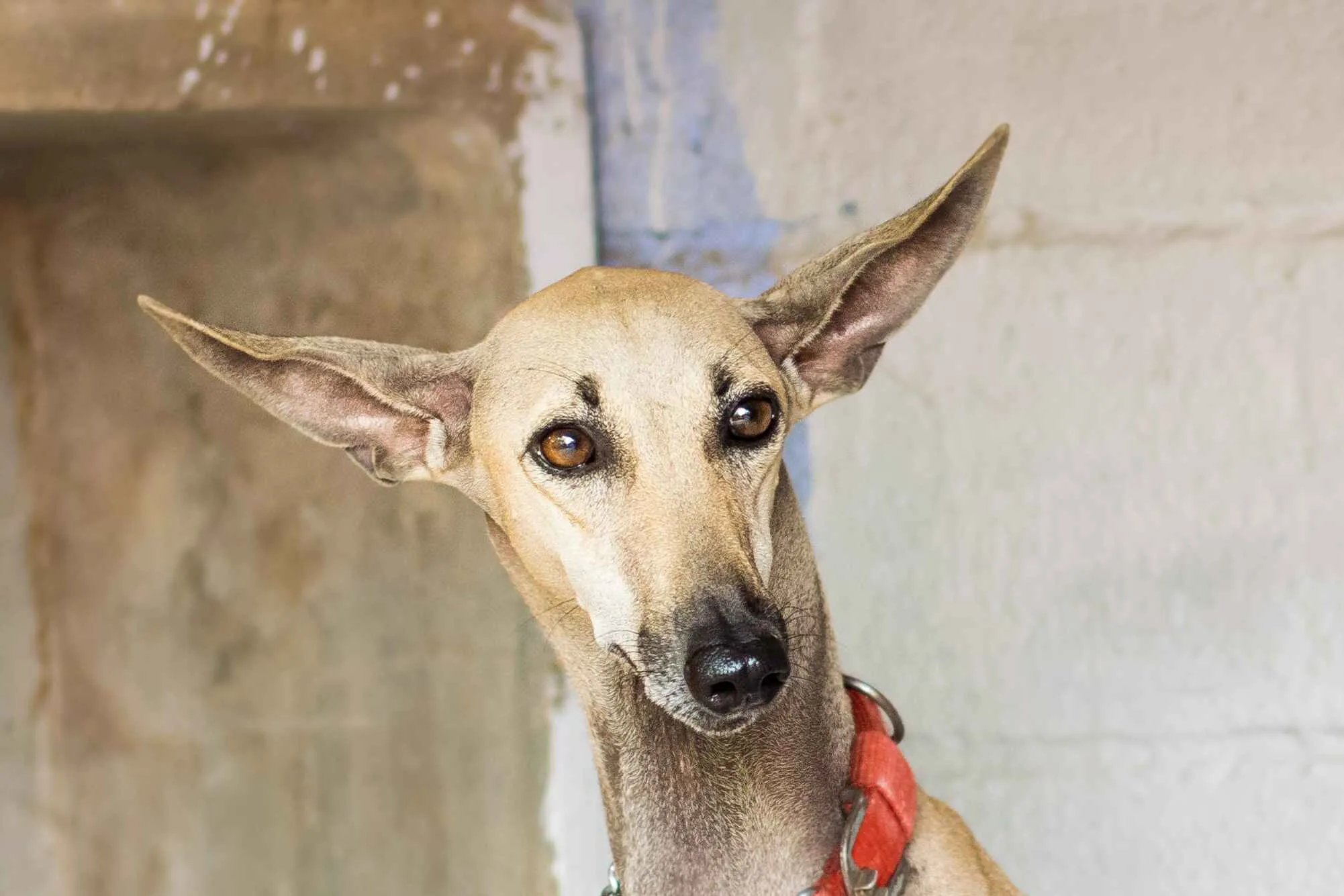
A close up of a tan Chippiparai dogs head with large pointed ears and expressive brown eyes

Chippiparai

Compare
Labrador Retriever dog headshot looking forward with its tongue out and a green background

Labrador Retriever

Compare
Golden Retriever dog headshot looking forward with mouth open and trees in the background

Golden Retriever

Compare

Frequently Asked Questions

How long do Chesapeake Bay Retrievers live in India?

They usually live 10–13 years, with an average of around 11.5 years. With careful diet, regular vet visits, and climate-sensitive care, many live longer.

Is the Chesapeake Bay Retriever suited for India’s climate?

They’re more comfortable in cooler regions, but can adapt to hot and humid areas if managed well. Provide shaded or air-conditioned spaces, keep water bowls full, and schedule walks only in the cooler hours.

What is the price of a Chesapeake Bay Retriever in India?

They typically cost between ₹3–7 lakhs, depending on pedigree and health certifications, since most are imported.

How much exercise does a Chessie need?

Around 1–2 hours daily, split between walks, play, and swimming. Puppies should avoid strenuous activity to protect their joints.

What are their grooming needs?

Weekly brushing (more during shedding seasons), baths every 3–4 months, regular ear cleaning, monthly nail trims, and weekly dental care. In humid cities, drying them thoroughly after swims or baths is especially important.

Media & Resources about Dogs

Lorem Article

If Your Life Is on Your Phone, Why Isn’t Your Pet’s? How Tracking Gave My Dog One More Year

24 Mar 2026

dog drinking water

Summer Health Risks for Dogs Every Pet Parent Should Know

20 Mar 2026

India Map and Golden Retriever Dog

Golden Retriever Price in India 2026: City-Wise Cost Guide

23 Feb 2026

View All