Home
/
Dog Breeds
/
Catahoula Leopard Dog
Catahoula Leopard Dog
Origin
United States
Size
Large Breed
Ideal Space
House with Farm Area
Ideal Weather
15º-25ºC
Life Expectancy
10-14 years
Cost of buying
₹ 20,000 - ₹ 60,000
Top 5 Traits
Energetic
Athletic
Fearless
Intelligent
Loyal
Avg Monthly Expenses
₹ 4,900 - ₹ 7,650


Quick Information
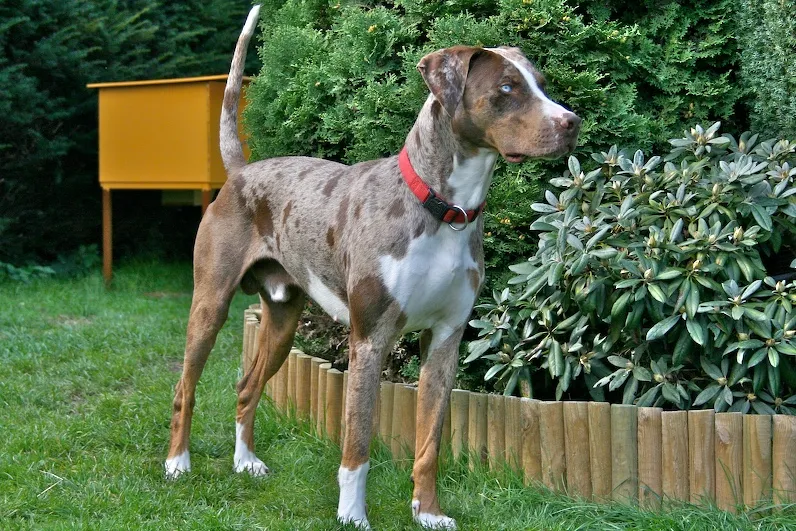
The Catahoula Leopard Dog, also known as the Catahoula Cur or Catahoula Hog Dog, is a remarkable breed developed in the United States, specifically Louisiana. Known for their unique and varied coat patterns, these dogs are not only visually striking but also highly versatile. Originally bred for hunting wild boar and herding livestock, Catahoulas are endowed with remarkable stamina, agility, and intelligence. They are a large breed, requiring ample space to exercise and explore, making them ideally suited for rural or spacious suburban homes. Their life expectancy ranges from 10 to 14 years, provided they receive proper care and attention.
Characteristics
Barking
Quiet
Loud
Temperament with Kids
Aggressive
Friendly
Playfulness
Silent
Very Playful
Friendliness
Not Friendly
Super Friendly
Compatibility with other dogs
Aggressive
Friendly
Need for attention
Independent
Very Needy
Monthly Expenses


Adopt or Shop: The choice is yours!
Cost of buying
₹ 20,000 - ₹ 60,000
Buying or adopting are the two main possibilities if you're thinking about getting a Catahoula Leopard Dog for your house.
Prerequisites to pet a Catahoula Leopard Dog
Access to Veterinary
Appropriate Climate
Financial Capability
Space and Environment
Lifestyle Compatibility
Now that you know what it takes to raise a Catahoula Leopard Dog, are you ready to take the next step to pet one?
Research: Do a thorough review of the traits, requirements, and possible health problems of the breed. Ensure that the Catahoula Leopard Dog breed is a good fit for your lifestyle.
Nutrition
Monthly Food Expenses
₹ 3,000 - ₹ 4,500
Calories per day
Puppies: 1800 kcal
Adults: 1500 kcal
Essential Nutrients
Protein
Fats
Carbohydrates
Vitamins
Minerals
List of foods
Chicken
Dry Dog Food
Fresh Meat
Fresh Fish
Fruits
Home made meals
Vegetables
The Catahoula Leopard Dog requires a balanced diet rich in high-quality protein, healthy fats, carbohydrates, and essential vitamins and minerals. Protein is particularly vital for this breed, supporting their muscular build and high energy levels. Fresh meat sources such as chicken, mutton, and fish provide the necessary amino acids for muscle development and repair. Carbohydrates from sources like vegetables and fruits offer sustained energy throughout the day, while healthy fats support skin and coat health. Fiber is important for digestive health, and a mix of vitamins and minerals ensures overall well-being and proper immune function.
Breakdown of Macro-nutrients
Selecting Good Quality Food
Feeding a Catahoula Leopard Dog with high-quality food ensures they receive the necessary nutrients to support their active lifestyle and overall health. Premium dry dog foods formulated for large breeds often provide a balanced mix of protein, fats, and carbohydrates, tailored to their specific needs. These commercial diets are designed to support joint health, muscle maintenance, and energy levels, essential for a breed known for its stamina and agility. Selecting dry foods that list meat as the first ingredient can guarantee a higher protein content, crucial for muscle development and energy.
Never feed these foods to Catahoula Leopard Dog
Avoid anything with these ingredients
Alcohol
Almonds
Avocados
Cinnamon
Cherries
Coffee / Tea
Dairy
Onions
Mushrooms
Fruit seeds
Garlic
Grapes
Lemon
Milk Products
Salt
Sugar
Catahoula Leopard Dogs should avoid foods and ingredients that can be harmful to their health or cause digestive issues. Foods high in artificial additives, preservatives, and fillers should be excluded from their diet, as these can lead to allergies, skin issues, and other health problems. Low-quality dog foods often contain these unwanted ingredients, making it crucial to choose premium brands that focus on natural and wholesome components. Additionally, avoiding excessive grains like corn and wheat can prevent potential food sensitivities and digestive upsets.


Health
Avg Monthly Expenses
₹ 1,200 - ₹ 1,950
Common Health Issues
Bloat
Hip Dysplasia
Heartworm
Parvovirus
Parasites
Rabies
Leptospirosis
Lyme disease
Well being
Exercise
Bonding
Games
Socialization
Hiking
Agility Training
Energy Level
High
Exercise routine
60 - 90 minutes
Recognising Stress
Changes in appetite
Excessive Barking
Pacing
Excessive Panting
Reluctance to move
Medical Care
The Catahoula Leopard Dog is a robust and generally healthy breed but can be prone to certain health issues. Common concerns include hip dysplasia, which affects their joint health and mobility, and bloat, a potentially life-threatening condition that requires immediate attention. Regular veterinary check-ups and preventive care can help manage these risks. Parasites and vector-borne diseases like Lyme disease and heartworm are also prevalent in this breed, emphasizing the need for regular screenings and preventive medications.
Vaccination details
Growth Stage
Core Vaccines
6-8 Weeks
Distemper, Parvovirus, Hepatitis, Parainfluenza
10-12 Weeks
DHPP (Distemper, Hepatitis, Parainfluenza, Parvovirus)
14-16 Weeks
DHPP, Rabies
Annually
DHPP, Rabies
Recommendations to care for senior Catahoula Leopard Dog
As Catahoula Leopard Dogs age, their medical needs change, requiring more frequent veterinary visits to monitor their health. Regular check-ups, at least twice a year, can help detect and manage conditions such as arthritis, hip dysplasia, and other age-related issues. Senior dogs often benefit from a diet tailored to their specific needs, including supplements to support joint health and overall vitality. Maintaining a healthy weight is crucial to reduce strain on their joints, and moderate, low-impact exercise should be encouraged to keep them mobile and engaged.
Grooming
Avg Monthly Expenses
₹ 700 - ₹ 1,200
Shedding Level
Moderate Shedding
Hygienic Checklist
Bathing
Brushing
Ear Cleaning
Nail Trimming
Eye Care
Teeth Care
Benefits of Grooming
Cleanliness
Low Shedding
Odourless
Prevents infections
Quality of life
Prevents Bad Breath
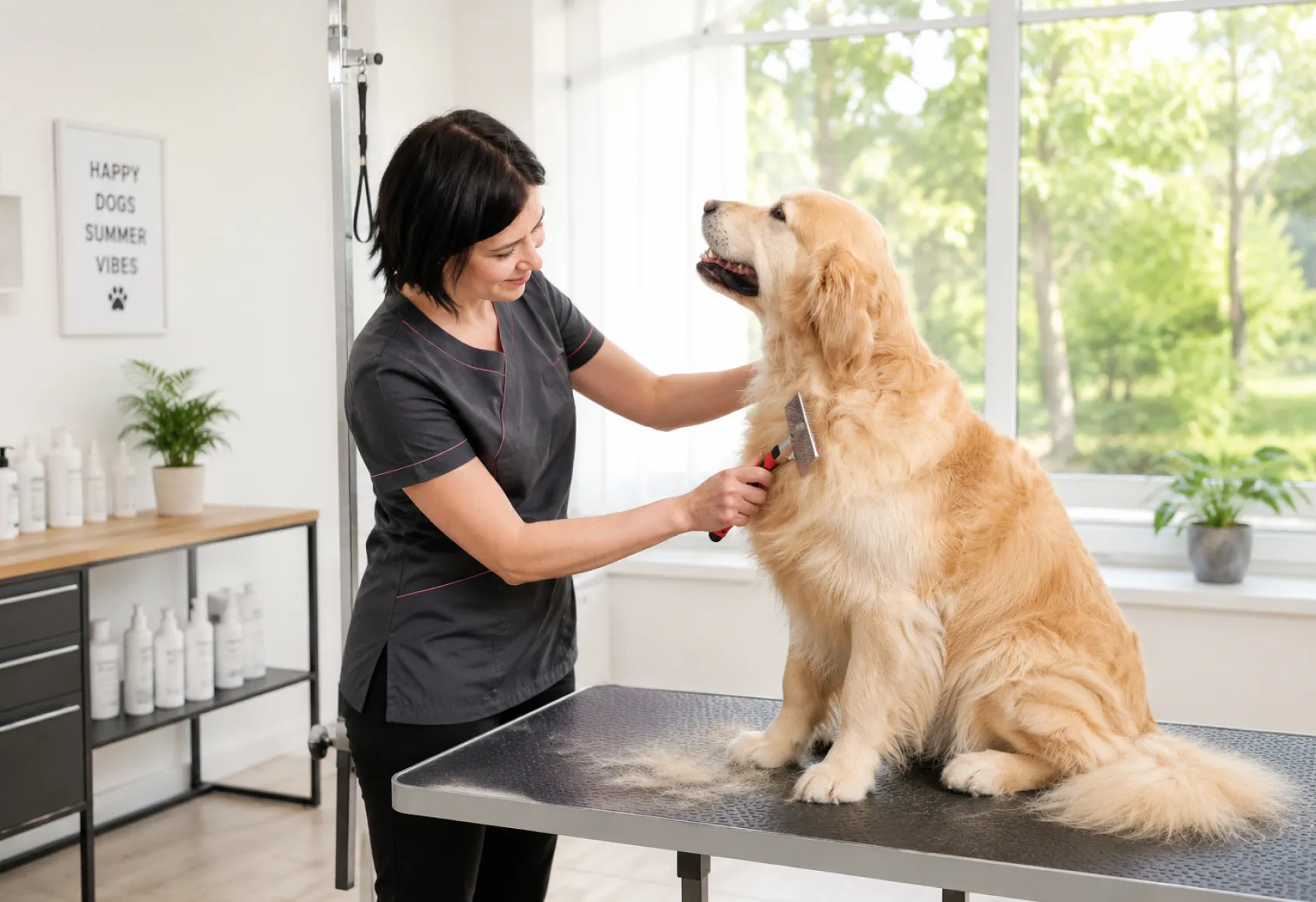
Grooming a Catahoula Leopard Dog is relatively straightforward but essential for maintaining their health and appearance. This breed experiences moderate shedding, so regular brushing is necessary to manage loose hair and keep their coat in good condition. Bathing should be done as needed to keep their coat clean and free from dirt and debris. Ear cleaning is important to prevent infections, as Catahoulas are prone to ear issues due to their active nature. Nail trimming should be performed regularly to prevent overgrowth and associated discomfort. Grooming not only ensures cleanliness and a pleasant odor but also plays a crucial role in preventing infections and maintaining overall quality of life. Regular grooming sessions provide an opportunity to check for any abnormalities or signs of health issues, ensuring the dog remains healthy and happy.


Compare with similar breeds
Frequently Asked Questions
Do Catahoula Leopard Dogs get along with other pets?
With proper socialization and training, Catahoula Leopard Dogs can coexist with other pets. However, their strong prey drive and protective instincts may require supervision and careful introductions, especially with smaller animals like cats or small dogs.
Are Catahoula Leopard Dogs prone to separation anxiety?
Catahoula Leopard Dogs form strong bonds with their owners and may experience separation anxiety if left alone for long periods. To prevent this, it's important to gradually acclimate them to being alone, provide plenty of mental and physical stimulation, and consider options like doggy daycare or a pet sitter when necessary.
Are Catahoula Leopard Dogs prone to wandering or escaping?
Catahoula Leopard Dogs have a strong prey drive and independent nature, which may lead them to wander or attempt to escape if not properly trained or supervised. Secure fencing and regular exercise can help prevent wandering behavior.