Home
/
Dog Breeds
/
Bull Mastiff
Bull Mastiff
Origin
England
Size
Giant Breed
Ideal Space
House with backyard
Ideal Weather
10º-30ºC
Life Expectancy
8-10 years
Cost of buying
₹ 50,000 - ₹ 1,00,000
Top 5 Traits
Loyal
Protective
Fearless
Intelligent
Disciplined
Avg Monthly Expenses
₹ 4,900 - ₹ 7,500

by Happy Pet TeamUpdated on 2 Jun 2025
Introduction to the Bullmastiff
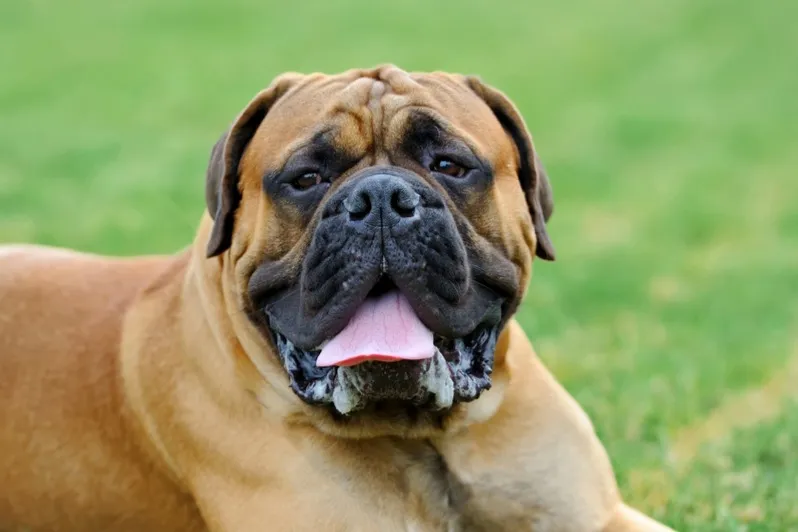
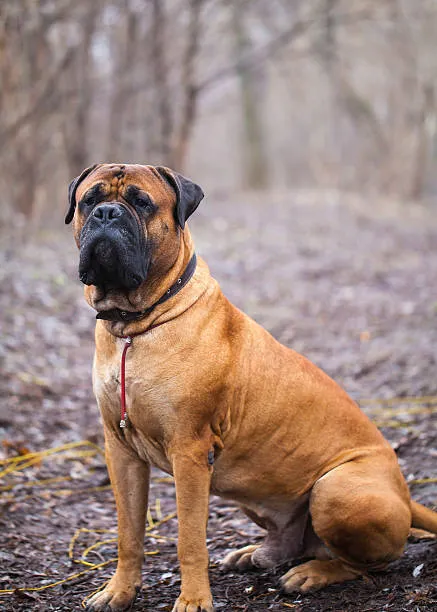
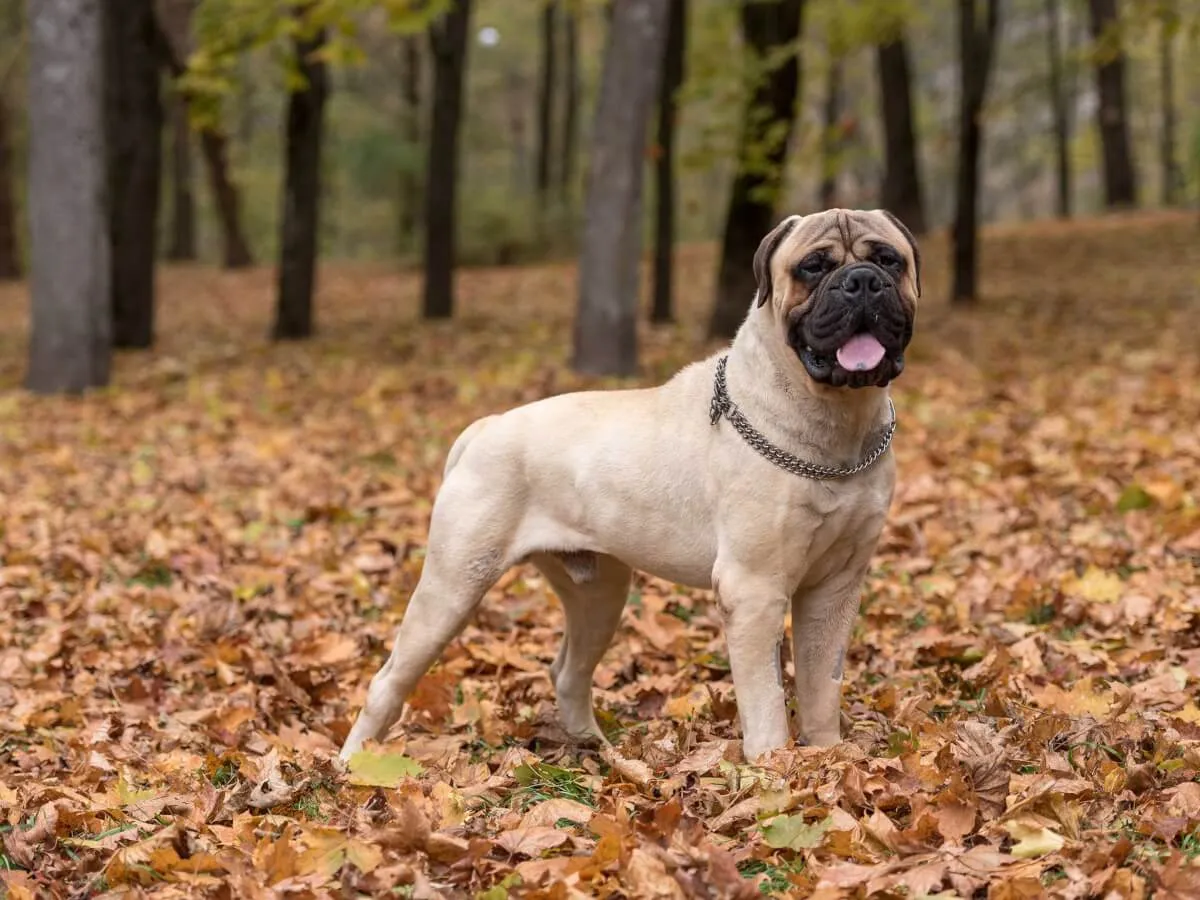
To produce the Bullmastiff, a large and robust breed, English Mastiffs and Bulldogs were mixed in England during the 1800s. Strong, devoted, and protective are just a few of their traits. Originally developed to guard fields and curb poaching, they are fantastic family companions and guard dogs.
Characteristics
Barking
Quiet
Loud
Temperament with Kids
Aggressive
Friendly
Playfulness
Silent
Very Playful
Friendliness
Not Friendly
Super Friendly
Compatibility with other dogs
Aggressive
Friendly
Need for attention
Independent
Very Needy
Monthly Expenses


Choose the appropriate option. Purchase or adopt a bullmastiff!
Cost of buying
₹ 50,000 - ₹ 1,00,000
Think about whether you would want to get a Bullmastiff for your house from a breeder or adopt one. Buying a puppy from a breeder lets you choose one with specific features; adopting a dog from a rescue gives a needy dog a loving home. Whichever your choice, make sure you are ready for Bull Mastiff responsibilities.
Prerequisites to pet a Bull Mastiff
Access to Veterinary
Financial Capability
Space and Environment
Appropriate Climate
Willingness to train
Questions to Consider While Choosing:
- Lifestyle Fit: Make sure the personality of the breed complements your own.
- Space Requirements: Bullmastiffs require a lot of space to move about.
- Time Commitment: Find out how much training, exercise, and care you will require.
- Financial Responsibility: Consider the expenses of eating, visiting a doctor, and cleaning your house.
Nutritional Care Required for Bullmastiff Dog Breeds
Monthly Food Expenses
₹ 3,000 - ₹ 4,500
Calories per day
Puppies: 1800 kcal
Adults: 1500 kcal
Essential Nutrients
Carbohydrates
Fats
Protein
Fibre
Minerals
Vitamins
List of foods
Chicken
Dry Dog Food
Fruits
Fresh Meat
Fresh Fish
Mutton
Home made meals
Vegetables
Bullmastiffs are large, powerful dogs originally bred as guard dogs. Their muscular build and calm temperament require a well-balanced diet that supports joint health, muscle maintenance, and overall vitality. Proper nutrition helps prevent obesity, joint problems, and digestive issues common in large breeds.
Breakdown of Macro-nutrients
Best High-Protein Foods to Feed Bullmastiffs
- Beef: High in protein and iron. Provides a dense source of calories and fat, which can be helpful for active or underweight Bullmastiffs.
- Turkey: Lean protein with less fat than beef. Opt for skinless, white turkey meat. Avoid feeding seasoned or stuffed turkey.
- Fish (Salmon, Whitefish, Sardines): High in protein and omega-3 fatty acids. Omega-3s also help with joint mobility, crucial for large breeds like Bullmastiffs.
- Lamb: Highly digestible and nutrient-rich. Lamb is highly digestible and ideal for Bullmastiffs with food sensitivities or allergies to more common meats.
Foods that Bullmastiffs should not eat:
Avoid anything with these ingredients
Alcohol
Avocados
Cherries
Cinnamon
Coffee / Tea
Lemon
Grapes
Dairy
Fruit seeds
Mushrooms
Onions
Salt
Sugar
- Chocolate: Contains theobromine and caffeine, both of which are toxic to Bullmastiffs.
- Grapes and Raisins: Vomiting, lethargy, loss of appetite, and eventual kidney failure, which may be fatal.
- Onions and garlic contain thiosulfate, which can damage red blood cells and lead to hemolytic anemia.
- Avocado: Larger breeds like Bullmastiffs may suffer from gastrointestinal upset or even pancreatitis due to the fruit’s high-fat content.


Health Care Tips for Bullmastiffs
Avg Monthly Expenses
₹ 1,200 - ₹ 1,800
Common Health Issues
Bloat
Hip Dysplasia
Kennel Cough
Heartworm
Leptospirosis
Parasites
Parvovirus
Rabies
Well being
Exercise
Agility Training
Bonding
Games
Socialization
Energy Level
Medium
Exercise routine
30 - 60 minutes
Recognising Stress
Changes in appetite
Excessive Barking
Pacing
Excessive Panting
Reluctance to move
Common Health Issues Found in Bull Mastiffs
Proactive care can greatly reduce the risk of chronic conditions and ensure a long, healthy life for Bullmastiffs.
Vaccination details
Growth Stage
Core Vaccines
6-8 weeks
Distemper, Parvovirus, Hepatitis, Parainfluenza
10-12 weeks
Distemper, Parvovirus, Hepatitis, Parainfluenza, Leptospirosis
14-16 weeks
Rabies
Care for a Senior Bullmastiff dog
- To ease joint pain, let your old Bullmastiff sleep on soft blankets.
- Feed them food for seniors to make digestion easier and give them more energy.
- Take easy, short walks to keep their joints loose.
- Get your pet to the vet regularly to check for signs of age.
- Clean their teeth by giving them tooth treats or brushing them for good oral health.
Grooming a Bullmastiff Routine
Avg Monthly Expenses
₹ 700 - ₹ 1,200
Shedding Level
Moderate Shedding
Hygienic Checklist
Bathing
Brushing
Ear Cleaning
Eye Care
Nail Trimming
Benefits of Grooming
Low Shedding
Cleanliness
Prevents infections
Odourless
Prevents Bad Breath
- Brushing: Brushing your dog once a week keeps the body healthy and removes loose hair.
- Bathing: Give the dog a bath when it needs to stay clean without removing its natural oils.
- Nail Trimming: Getting your nails trimmed regularly keeps you from being in pain and prevents injuries.
- Cleaning Your Hair: Often clean the wrinkles of your face and ears to prevent infection.
- Teeth Brushing: Brushing your teeth several times a week will help to maintain their condition.


Written by
Happy Pet TeamAuthor
Team Happy Pet is a passionate collective of pet experts, enthusiasts, and advocates dedicated to sharing trusted and insightful content.
Our cont
Compare with similar breeds
Frequently Asked Questions
1. Are Bullmastiffs good with children?
Generally speaking, Bull Mastiffs are friendly, quiet, and protective toward children. When trained correctly, they are wonderful family pets since they are patient and devoted
2. Do Bullmastiffs require a lot of exercise?
Their exercise needs are low. Usually, a few quick walks and some daily playfulness are sufficient to maintain their bodies and mental state.
3. Are Bullmastiffs easy to train?
Though they might be independent or difficult, bull mastiffs are clever. They do best with early, consistent training routines and good reinforcement.
4. Do Bullmastiffs shed a lot?
They shed a modest amount. Brushing them once a week keeps their short, thick coat in good shape and stops hair from falling out.
5. Do Bullmastiffs get along with other pets?
If the Bullmastiff is properly introduced to and taught alongside other dogs, it can live with other animals. Still, you should closely monitor them, particularly if they are little.