Home

/

Dog Breeds

/

Bichon Frise

Bichon Frise

Origin

🇪🇸

Spain

Size

Small Breed

Ideal Space

Apartment

Ideal Weather

15º-25ºC

Life Expectancy

12-15 years

Cost of buying

₹ 15,000 - ₹ 50,000

Top 5 Traits

Playful

Intelligent

Loyal

Energetic

Protective

Avg Monthly Expenses

₹ 3,300 - ₹ 5,400
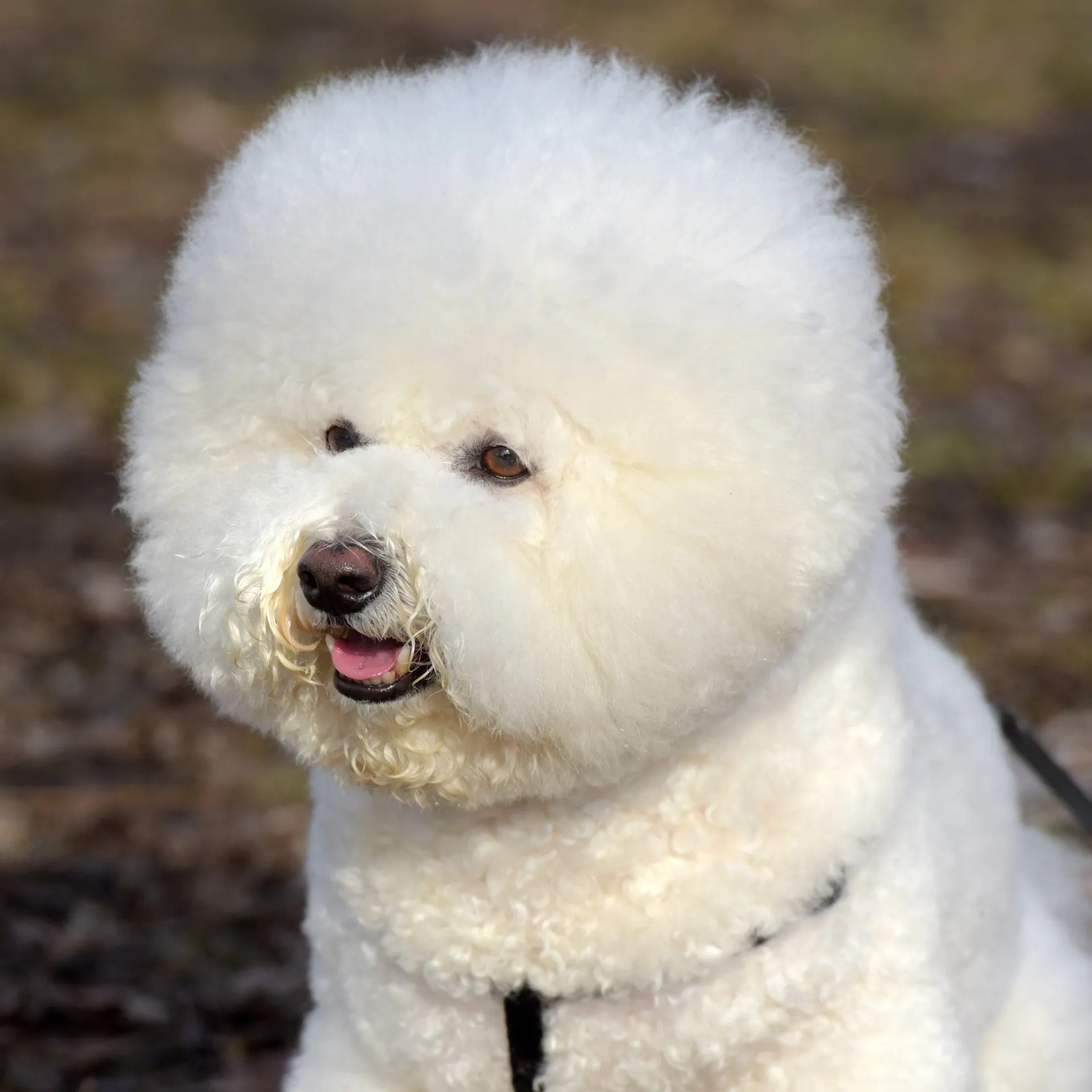
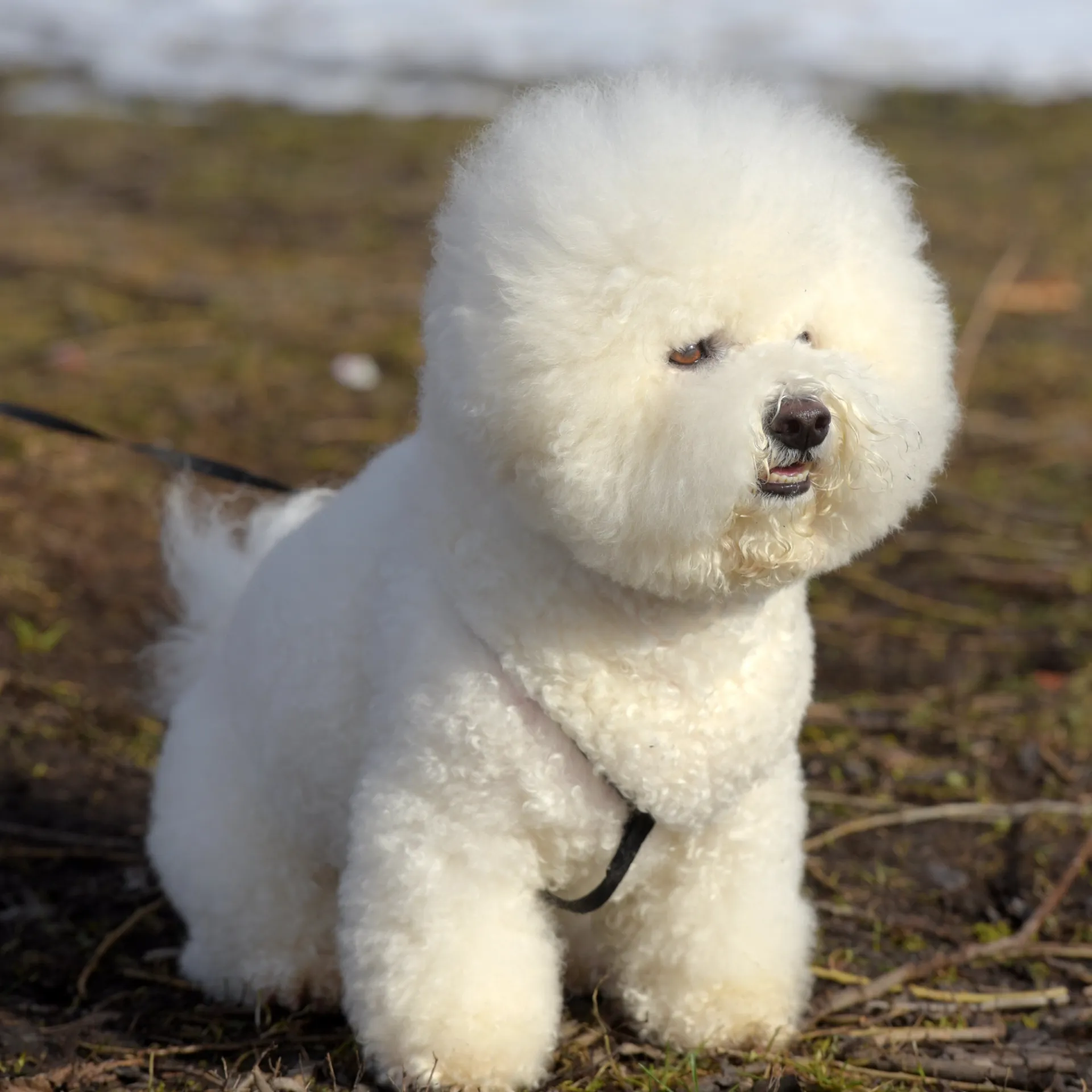
White Bichon Frise dog headshot looking forward with a black harness visible and mouth slightly open
written by image

by Happy Pet TeamUpdated on 6 Aug 2025

Bichon Frise: A Quick Introduction

When you think of the Bichon Frise, you might picture a small, fluffy lapdog. However, there is so much more to this charming small breed than meets the eye. Bichon Frises are known and loved for their cheerful and playful nature. They are a non-shedding, hypoallergenic dog breed which can be a good fit for people with dog allergies. 


They are also known for their gentle demeanor with children – including toddlers, newborns –  even cats!  What’s more, this gorgeous breed has a fascinating history that traces back to the Mediterranean region.


History of Bichon Frise

A long, long time ago, small, white, curly-coated dogs were popular among sailors – particularly those from Italy and Spain. Known as ‘Bichons’, these happy, cheerful dogs were often used as barter during their voyages. It's believed that Spanish sailors introduced these dogs to the Canary Islands. A few centuries down, Italian sailors brought them back to Europe, where they quickly became favorites among the Italian nobility.  


Their appeal peaked during the time of Henry III in the 16th century, who was so fond of his Bichons that he reportedly carried them in a basket suspended by ribbons around his neck.  

Over time, the Bichon Frise transitioned from royal courts to common households and even the streets, showcasing their versatility and enduring appeal.


This cute breed loves to be social and play a LOT. They have favorite toys that they love to spend time with and they are really keen to please, which makes them easily trainable.  


The Bichon Frise is a great choice for first-time pet parents, but it’s important to understand their temperament—just like with any other breed. Let’s find out if it's the best pet for you! 


Trait and Characteristics of Bichon Frise

So what are the common traits and characteristics of the Bichon Frise? First off, they are affectionate, playful, and highly intelligent. Unlike many other small breeds that are famous for their moody temperaments, Bichons are known for their cheerful disposition and adaptability. They fit right into any type of household.  


One thing to keep in mind is that Bichons are extremely social and thrive on human interaction. They are very intelligent and can be trained fast with positive reinforcement. They love being around their humans and playing with them.


While they love cuddling, expecting them to be couch potatoes is a mistake many make. They enjoy daily walks, interactive toys and games that engage their minds. Even though they are small in size, they require regular exercise and mental stimulation to stay happy. If not kept engaged, they break out in boredom-related behaviors like excessive barking or chewing.


Bichons are friendly and welcoming, even towards strangers. This quality of theirs makes them one of the best breeds for social households. They rarely show aggression and get along well with children, other pets, and even cats.  


The only area where pet parents of Bichons need to pay attention is their separation anxiety. These dogs are known to get very attached to their humans and need early training and socialization to ensure they don’t get distressed if they are left alone for some time. Consider getting a Bichon Frise only if you have the time and dedication to provide them with companionship, training, and plenty of love!

Characteristics

Barking

Quiet

Loud

Temperament with Kids

Aggressive

Friendly

Playfulness

Silent

Very Playful

Friendliness

Not Friendly

Super Friendly

Compatibility with other dogs

Aggressive

Friendly

Need for attention

Independent

Very Needy

Monthly Expenses

about image

Lifespan and Cost of a Bichon Frise

Cost of buying

₹ 15,000 - ₹ 50,000

Bichon Frises typically live between 12 to 15 years, giving you plenty of joyful moments together.


In India, the price of a Bichon Frise can range from ₹20,000 to ₹60,000, depending on factors like breeder reputation and lineage.


If you are planning to buy a Bichon Frise for your home, here are some important points to consider:


  1. The most essential thing when purchasing a pet is choosing a trustworthy breeder. Ensure that any breeder treats the dogs appropriately and follows the moral breeding procedure.
  2. Ask the breeder to provide health certificates and lineage papers to ensure that the dog is healthy and purebred. Visit the kennel to confirm that there is no in-breeding taking place.
  3. The cost of Bichon Frise puppies depends on many variables like ancestry, possibility of show quality, and breeder reputation.


Adopt

  1. There is another way to get a Bichon Frise home, i.e. to Adopt
  2. Give a homeless pet all the love with adoption. Maybe breed-specific rescues, a local animal shelter, or other rescue groups have a puppy up for adoption.
  3. Adoption fees usually cover vaccinations, spaying/neutering, and initial medical care. These fees vary, but they are generally lower than they would be to buy from a breeder.


Here are some of the breeds that are similar to Bichon Frise


MALTESE | HAVANESE | SHIH TZU | LHASA APSO

Prerequisites to pet a Bichon Frise

Access to Groomer

Access to Veterinary

Appropriate Climate

Financial Capability

Is a Bichon Frise Right for You?

Are you looking for a cheerful, affectionate companion who thrives on human interaction and loves being the center of attention? The Bichon Frise might be the perfect match for you! These lively little dogs require regular grooming, consistent training, and plenty of quality time with their family.


Before bringing a Bichon into your home, consider meeting a few in person, speaking with reputable breeders or rescues, and evaluating your lifestyle to ensure you can meet their needs. With proper care and attention, a Bichon Frise will shower you with years of love, loyalty, and playful energy!

Food and Nutrition Guide for Bichon Frise

Monthly Food Expenses

₹ 1,200 - ₹ 1,800

Calories per day

Puppies: 600 kcal

Adults: 450 kcal

Essential Nutrients

Carbohydrates

Fats

Minerals

Vitamins

Protein

Fibre

List of foods

Chicken

Dry Dog Food

Fresh Meat

Fresh Fish

Fruits

Vegetables

The average cost of feeding a Bichon Frise can range from Rs 3500 - Rs 5500 per month, depending on the quality of food and supplements provided.


So if you’re wondering what a Bichon Frise eats or how often to feed one, we got you covered.


The food requirements are different for an adult and a puppy. A Bichon Frise puppy should be fed three to four times a day with small, nutrient-rich meals, whereas an adult Bichon should be fed twice a day to maintain a healthy weight. Avoid overfeeding, as this breed is prone to weight gain, and go easy on the treats.


Regular feeding schedules and portion control are important to maintain a healthy weight. It's also essential to provide fresh water at all times to keep them hydrated.


Note: These are general guidelines. Consult a veterinarian to determine the specific dietary needs of your dog.

Breakdown of Macro-nutrients

Choosing right food for your Bichon Frise

According to the AAFCO, it’s best to go for high-quality, protein-rich foods like lean chicken, turkey, fish, or lamb. Their diet should also include healthy fats from fish or flaxseed and fiber from fruits and vegetables like carrots, blueberries, and sweet potatoes. Whole grains like brown rice or oatmeal can be added in moderation.


  1. Incorporating fresh, whole foods into your Bichon Frise's diet can greatly help the breed.
  2. Home-made meals including meats, fresh vegetables, and some fruits can comprise a very good diet plan.
  3. Always ask your veterinarian about exact amounts to ensure home-prepared meals meet your dog's nutritional needs.
  4. Fresh fish, such as salmon, can be an excellent source of omega-3 fatty acids, which promote a healthy coat and skin.
  5. Regularly feeding your Bichon Frise high-quality food can help prevent common health issues and ensure a long, healthy life.


The average cost of feeding a Bichon Frise can range from Rs 3500 - Rs 5500 per month, depending on the quality of food and supplements provided.

Food items that causes serious damage to Bichon Frises

Avoid anything with these ingredients

Alcohol

Almonds

Avocados

Cherries

Coffee / Tea

Cinnamon

Dairy

Feeding your Bichon Frise certain human foods can be harmful and should be avoided. Grapes and raisins, for instance, can lead to kidney failure in dogs.


According to the American Kennel Club, Onions and garlic contain compounds that may cause anemia by damaging red blood cells.


Macadamia nuts are known to induce symptoms like vomiting, muscle weakness, and tremors.

Chocolate contains theobromine and caffeine, which are toxic to dogs and can cause serious health issues.


Additionally, foods containing xylitol, an artificial sweetener, can lead to rapid insulin release, resulting in hypoglycemia.

Always consult your veterinarian if you're uncertain about the safety of specific foods for your pet.

about image

Health Information on Bichon Frise

Avg Monthly Expenses

₹ 900 - ₹ 1,800

Common Health Issues

Bloat

Canine distemper

Heartworm

Hip Dysplasia

Parasites

Kennel Cough

Canine Influenza

Well being

Exercise

Bonding

Socialization

Games

Agility Training

Energy Level

Medium

Exercise routine

30 - 60 minutes

Recognising Stress

Changes in appetite

Excessive Barking

Pacing

Excessive Panting

Reluctance to move

Increased laziness

Common Health Conditions in Bichon Frise

Bichon Frises are generally healthy little companions. However, like all breeds big or small, they can be prone to certain health issues as they age. Regular vet check-ups are essential to ensure your Bichon stays happy and healthy. Here are some common health concerns to be aware of:


Diabetes Mellitus: Bichons have a higher risk of developing diabetes. Symptoms include increased thirst, frequent urination, and weight loss despite a good appetite. If you notice these signs, consult your vet promptly. Proper management, daily insulin injections and a special diet are a must for diabetic dogs.


Hip Dysplasia: This condition occurs when the hip joint doesn't develop properly. This leads to arthritis and discomfort, especially in older dogs. Maintaining a healthy weight can help reduce the risk. Treatment options range from physical therapy and anti-inflammatory medications to surgery in severe cases.


Dental Disease: Bichons are prone to dental issues due to plaque and tartar buildup. This leads to bad breath, pain, tooth loss, and even organ damage in severe cases. Regular dental check-ups, professional cleanings, and daily brushing at home are crucial to prevent these problems.


Cataracts: Cataracts cause cloudiness in the eye lens, affecting vision and potentially leading to blindness if untreated. Early detection during regular vet visits is vital. Surgical removal can restore vision in many cases.


Bladder Stones: Bichons are susceptible to bladder stones, which can cause bloody urine, strong-smelling urine, or straining during urination. Treatment may involve surgical removal or a special diet to dissolve the stones.


Allergies: Skin allergies, or atopy, are common in Bichons and can cause itching, redness, and discomfort. Regular grooming, a healthy diet, and avoiding known allergens can help manage these issues.


By staying informed and working closely with your veterinarian, you can help ensure your Bichon Frise enjoys a long, healthy, and joyful life.

Vaccination details

Growth Stage

Core Vaccines

6-8 Weeks

Distemper, Parvovirus, Adenovirus, Parainfluenza

10-12 Weeks

Distemper, Parvovirus, Adenovirus, Parainfluenza

14-16 Weeks

Distemper, Parvovirus, Adenovirus, Parainfluenza

18-20 Weeks

Rabies

How to care for your Senior Bichon Frise

  1. Dietary Considerations: Older Bichons will do well with a diet tailored to their specific health needs. For instance, if your Bichon has diabetes, a high-fiber diet can help manage blood sugar levels.


  1. Joint Health: As Bichons age, they can experience joint stiffness or discomfort. Supplementing their diet with omega-3 fatty acids may support joint health. Providing a comfortable, supportive bed can relieve pressure on their joints.


  1. Mental Stimulation: Keeping your senior Bichon's mind active is essential. Engage them with slow puzzle toys or interactive games to stimulate their cognitive functions. Rewarding them with treats for solving challenges can encourage continued participation.


  1. Home Environment: To prevent slips and falls, use non-slip mats or rugs. Make sure their dog beds or crates are safe and accessible. This will help maintain their mobility and confidence.


  1. Weight Management: Maintaining an appropriate weight is crucial for your senior Bichon's overall health. Adjust their caloric intake to match their activity levels, and choose nutrient-rich foods to support their well-being. Regular exercise also helps in weight control.


Note: Always consult your veterinarian to determine the most appropriate diet for your senior dog.

Grooming

Avg Monthly Expenses

₹ 1,200 - ₹ 1,800

Shedding Level

Low Shedding

Hygienic Checklist

Bathing

Brushing

Ear Cleaning

Nail Trimming

Eye Care

Teeth Care

Benefits of Grooming

Cleanliness

Low Shedding

Odourless

Prevents Bad Breath

Quality of life

When it comes to grooming, the Bichon Frise's fluffy white coat requires regular attention to keep them looking their best.


Neglecting their grooming, even for a few days, can lead to matting and tangles, turning your adorable companion into a bit of a mess.


Coat Care:

  1. Bichons have a double coat that doesn't shed much, but it does need regular maintenance.


  1. Daily brushing helps prevent mats and keeps their coat looking pristine.


  1. A slicker brush is ideal for this task, as it can gently work through their curls without causing discomfort.


  1. Regular baths every few weeks will keep them clean and their coat bright. Always use a dog-specific shampoo to maintain their skin's natural balance.


Nail and Ear Care:

  1. Don't forget about those nails! Trim them every few weeks to prevent overgrowth and discomfort.


  1. Their ears should also be checked regularly for signs of infection or buildup. A gentle ear cleaner can help keep them clean and healthy.


Dental Hygiene:

  1. Bichons are prone to dental issues, so brushing their teeth several times a week is essential.


  1. This helps prevent tartar buildup and keeps their breath fresh. Dental chews can also be a helpful addition to their oral care routine.


Professional Grooming: While at-home care is crucial, scheduling a professional grooming session every 4 to 6 weeks is recommended.


A groomer can provide a thorough cleaning, trim their coat to the desired length, and check for any skin issues. This keeps your Bichon looking their best and prevents any grooming challenges from becoming overwhelming.


Important Note: This information is for general guidance only. Always consult a qualified veterinarian for personalized advice.

about image
written by image

Written by

Happy Pet Team

Author

Team Happy Pet is a passionate collective of pet experts, enthusiasts, and advocates dedicated to sharing trusted and insightful content.

Our cont
 

Compare with similar breeds

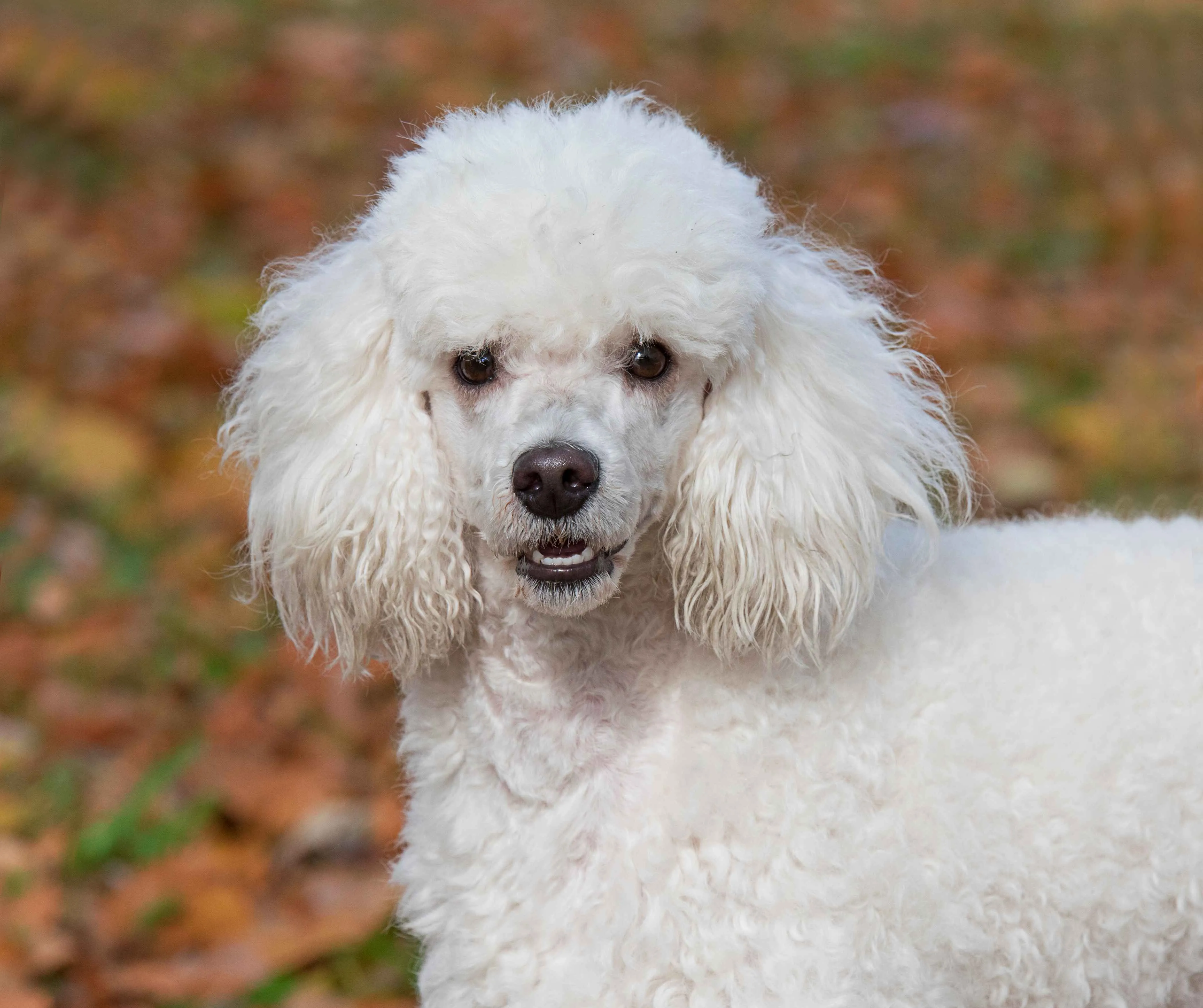
hite Poodle close up looking forward outdoors in autumn

Poodle

Compare
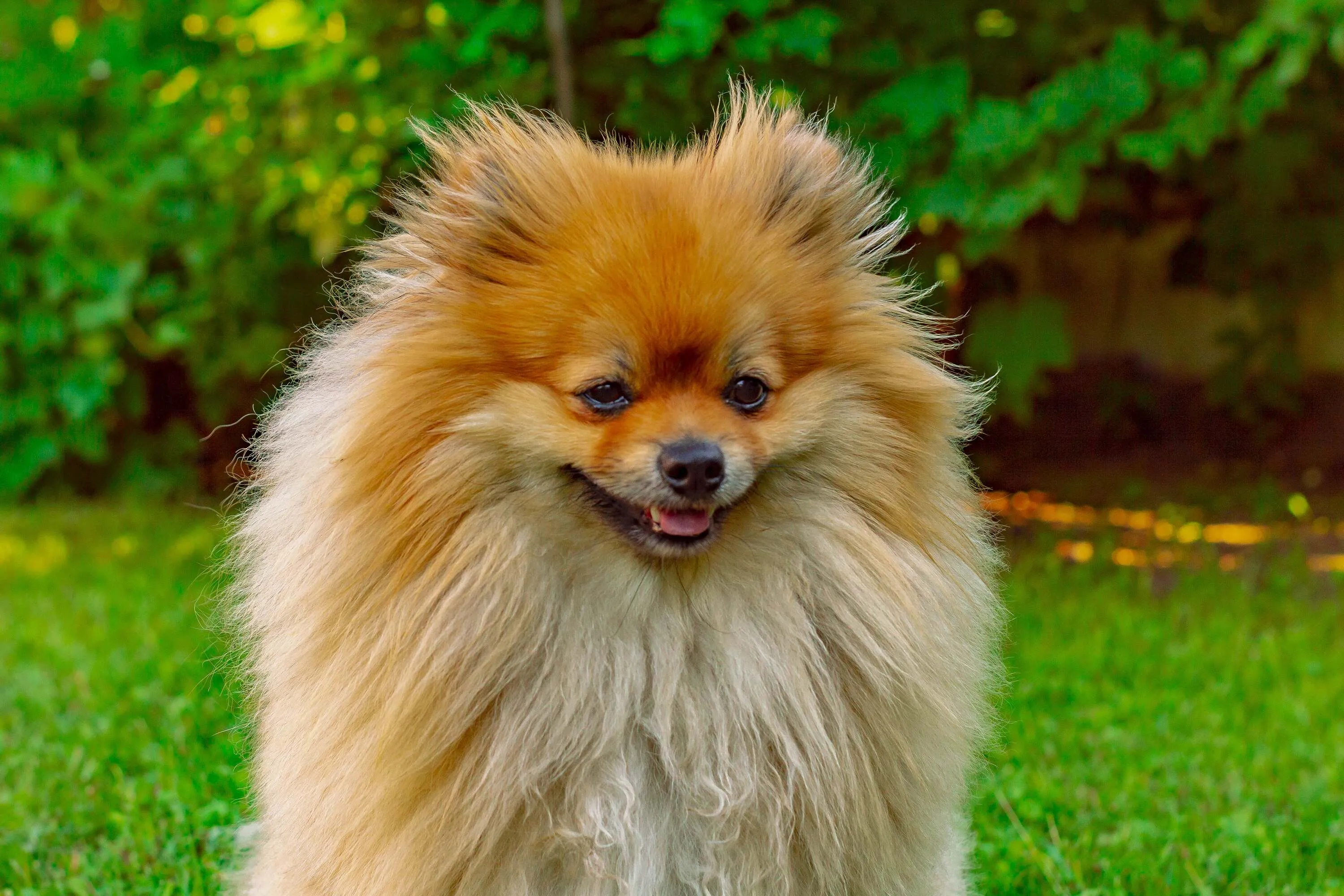
Fluffy brown Pomeranian dog head and shoulders looking forward with Bushes in background

Pomeranian

Compare
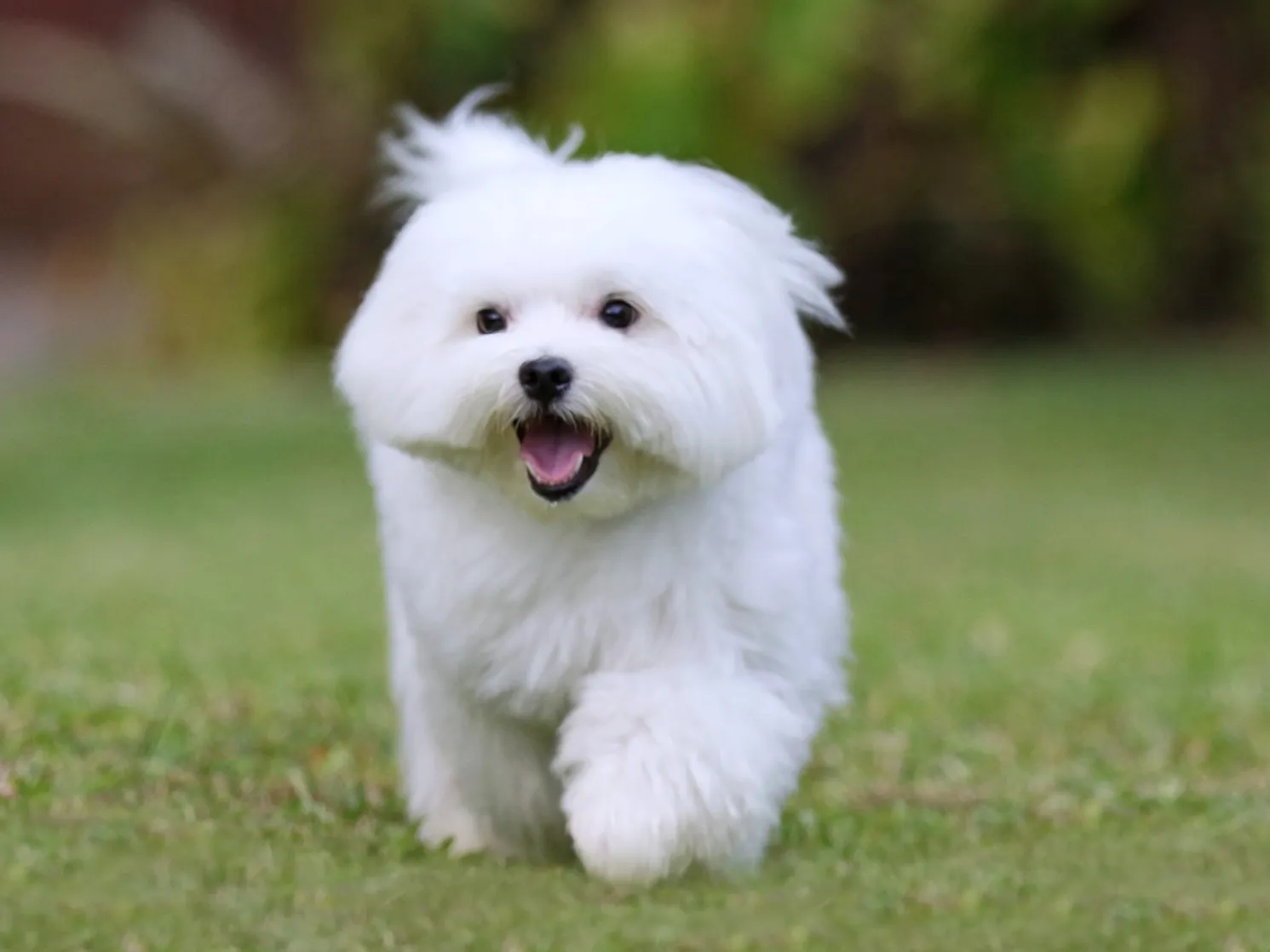
Small white fluffy Maltese dog with a happy expression running on green grass

Maltese

Compare
long haired Chihuahua dog sits in green grass looking forward with perky ears

Chihuahua

Compare

Frequently Asked Questions

Are Bichon Frises hypoallergenic?

Yes, Bichon Frises are considered hypoallergenic. They are perfect dogs for people with allergies. It is crucial to spend time with the breed prior to making a commitment, as not all dog breeds are entirely hypoallergenic.

Do Bichon Frises shed a lot?

No, Bichon Frises are considered low shedders. But to keep their curly coat from matting and tangling, constant care is required.

Are Bichon Frises easy to train?

Bichon Frises are generally simple to train. But, occasionally they can be stubborn, so it's important to be consistent and use positive reinforcement methods.


Media & Resources about Dogs

dog refusing food

Why Do Dogs Eat Less in Summer? Causes, Signs & Practical Tips

17 Apr 2026

a happy dog and its owners

Communication Gaps in Pet Co-Parenting: How It Impacts Your Pet’s Health

15 Apr 2026

dog travelling in a train

Don’t Let the Heat Harm Your Pet: Smart Summer Travel Tips

14 Apr 2026

View All