How to Train Your Shih Tzu? Trainer Approved Methods!
Step-by-step instructions on how to train your Shih Tzu using field-tested methods for obedience, potty training, leash training, and behavior control to have a happy, well-adjusted pup.

4 Min Read
27 Oct, 2025
Social share
Or copy link
https://www.happypet.care/media/guides/training/trainer-approved-methods-to-train-shih-tzu
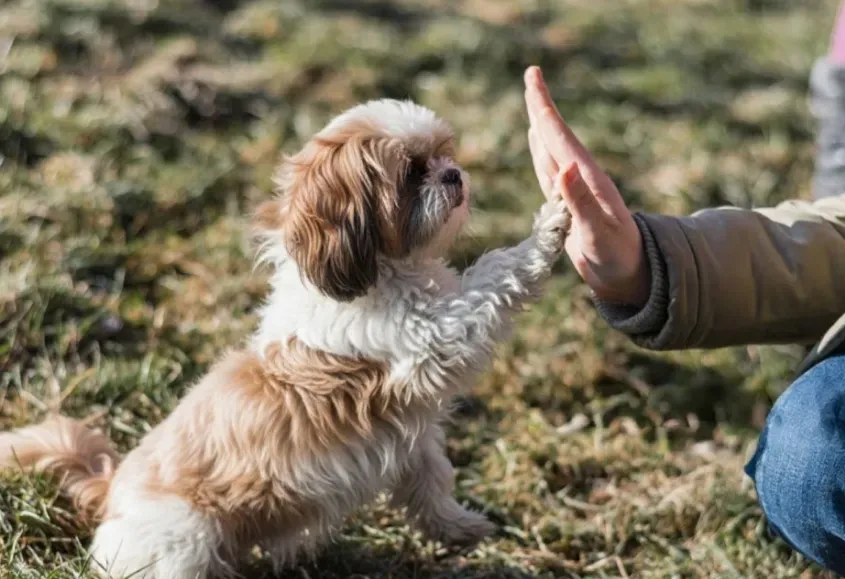
Shih Tzus are darling, sweet, little pet, but a little stubborn. Early training avoids problems and makes your life and your pet's a breeze. A solid Shih Tzu training guide establishes obedience, reduces stress, and enhances your connection.
The good news? They are smart and can be trained when clear understanding, diligent, and training is consistently provided to them. Let's proceed further with trainer-approved step-by-step guide on how to train a Shih-Tzu at every level.
Basics of Shih Tzu Training
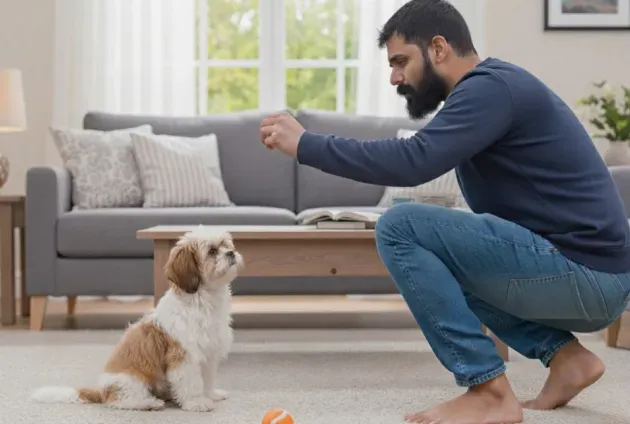
Let us proceed now to the essentials before advancing to advanced training. Habits have to be simple, repetitive, and reward-based so as to allow puppies to learn well.
Easy Potty Training
Housebreaking ranks as one of the greatest challenges for new owners. Some potty training tips for Shih Tzu are as follows:
- Take the puppy out after playtime, naps, and meals.
- Choose a designated bathroom area outside.
- Reward immediately after they have finished.
- Use puppy pads in the home if outside housebreaking is not feasible.
- Patience—accidents will occur.
Basic Commands: Sit, Stay, Come
- Commands instill obedience and safety. Start with short training sessions.
- Sit → Hold treat over head, slowly retract it, and say sit.
- Stay → Sit dog on butt, step back one step, and reward for staying put.
- Come → Call them in squeaky voice, get down, and reward when they come to you.
Obedience & Socialization Training of a Shih Tzu
Shih Tzus are companion dogs that thrive on human affection, but they need proper training to prevent misbehavior. Socialization and obedience go hand in hand. Teaching them commands while exposing them to people, other animals, and different environments.
Introducing your Shih Tzu to people & pets

Getting your Shih Tzu well-socialized as a young puppy boosts their confidence. The more positive experiences they have, the better behaved and loving they'll be as an adult.
- Socialize them early: Socialize your puppy to new individuals, children, and relaxed, vaccinated dogs when they are young.
- Use rewards: Reward every encounter with treats or good words so they associate people with something positive.
- Keep brief: Don't overwhelm them. Start with short playtime or hellos and gradually increase.
- Gradual Exposure: Visit parks, pet cafes, or residential streets prior to going on busy roads.
This decreases fearfulness, aggression, or shyness upon maturation of your Shih Tzu.
Reducing Separation Anxiety
Shih Tzus are people-oriented dog breeds, and they become extremely clingy to humans. The catch? They do not want to be left alone for more than a couple of hours. If not trained, this may result in whining, barking, or destruction.
- Practice short goodbyes: Begin with leaving them alone for 5–10 minutes, and then increase it to longer periods of time.
- Leave comfort objects behind: Toys, a puzzle, or even a piece of clothing with your scent can reassure them.
- Be calm: Don't scare them with dramatic farewells and frenzied returns—it stresses them out more.
- Create a secure zone: A playpen or crate with their bed, water, and toys will reduce isolation stress.
Your Shih Tzu will, through consistency, learn that alone does not equal your permanent departure.
Behavior Management of a Shih Tzu
Everybody loves any breed, but everyday behavior problems will surely crop up—such as barking, chewing, or acting out because they get bored. This isn't as difficult to handle in the first few days for both of you.
How to Make the Barking Stop
Shih Tzus are awfully annoying watchdogs, barking at strangers, doorbells, or attention. They can learn when to bark and when to be silent.
- Learn the cues: doorbell, strangers, or boredom? Understanding why is step one.
- Train "quiet": say "Quiet" in a firm tone, wait for quiet, and reward right away with a treat or praise.
- Redirect energy: A tired Shih Tzu is a quiet one. Walks, play time, and puzzle toys all dampen too much barking.
- Consistency is the secret to success: all members of the household team must use the same rule—no mixed messages.
Stopping Destructive & Chewing Behavior
Chewing is normal, especially in teething puppies, but must be stopped in its tracks if it gets into a habit.
- Provide chew toys: Redirect the chewing to permitted toys instead of shoes or furniture.
- Puppy-proof your house: Wires, shoes, and anything else of value are off-limits.
- Watch closely: Monitor your Shih Tzu through the teething stage to stop bad habits before they get started.
- Mental exercise: Misbehavior is most often the result of boredom. Training exercise and toys keep minds engaged.
Patience, persistence, and planning can shape your Shih Tzu into a gentle, happy, well-adjusted companion.
Shih Tzu Leash & Crate Training Tips

Leash and crate training are important for safety, comfort, and manners. Early start makes walking, travel, and alone time with you and your Shih Tzu an enjoyment.
Step-by-Step Leash Training of a Shih Tzu
Whisper leashing with a Shih Tzu prevents pulling, injury, and frustration.
- Begin indoors: Put the leash on the puppy and have him walk with you for a few minutes indoors so that he will get used to it.
- Delicate strolling: Take them for a short stroll, giving them gentle tugs if they pull but never dragging them along.
- Reward calm behavior: Praise or reward them for trotting beside you without pulling.
- Keep it brief: Limit walking or exercising to 5–10 minutes for young puppies to match their attention span.
- Gradual exposure: Gradually transition training outdoors after settling in indoors, and good behavior is rewarded every time.
Shih Tzu Crate Training for Convenience & Safety
Crates are a cozy place of rest and can lead to potty training. Done correctly, it's a stress-free, comfortable haven.
- Choose a suitable size: Your Shih Tzu should stand, turn around, and lie down.
- Invite them in: Place a warm blanket, toys, and perhaps a chew bone.
- Start slowly: Get them used to remaining inside for 10–15 minutes at first, then gradually extend the duration very slowly.
- Never punish: The crate should be a pleasant one and never punitive. Reward to encourage.
Positive Reinforcement Methods

Shih Tzus most react well to kindness. Consistent reward works far better than punishment.
Rewards, Toys & Praise to Motivate
- Tiny rewards: Bite-sized, healthy rewards are perfect for training sessions.
- Switch rewards: Switch between treats, toys, belly rubs, or praise to maintain high motivation.
- Instant reinforcement: Reward the moment of the desired behavior occurs to create a strong link.
Shying Away from Punishment-Based Training
- No yelling, no hitting: Shih Tzus are sensitive; harsh punishment creates fear or anxiety.
- Forget little bad behavior: Don't encourage bad behavior.
- Redirect & reward: Model proper behavior, and reward immediately to strengthen learning.
Common Training Challenges with Shih Tzus
Shih Tzus are clever but stubborn. Knowing makes you a patient and committed trainer.
Stubbornness & Short Attention Span
- Make sessions shorter: 5–10 minute sessions prevent boredom.
- Introduce variation: Switch commands, toys, or location to forestall boredom.
- Don't let them "win": Consistency means that rule-breaking will not be rewarded.
How to Stay Consistent & Patient
- Practice daily: Several minutes a day consistently are superior to hours at a whim.
- Use family members: All family members must use the same commands and obey the same rules.
- Reward progress: Baby steps count—positive reinforcement aids confidence and long-term compliance.
Conclusion
Training a Shih Tzu requires patience and positive methods. From potty training to leash practice, consistency builds results. With rewards and structure, you’ll raise a friendly, well-behaved Shih Tzu that fits perfectly into your family.
written by
Happy Pet TeamAuthor