Rajapalayam Dog Diet Tips Every Pet Parent Must Know
Complete Rajapalayam dog feeding guide with feeding by age, serving sizes, best food choices, and nutrition tips for a healthy, long life.

5 Min Read
08 Oct, 2025
Social share
Or copy link
https://www.happypet.care/media/guides/nutrition/rajapalayam-dog-diet-guide
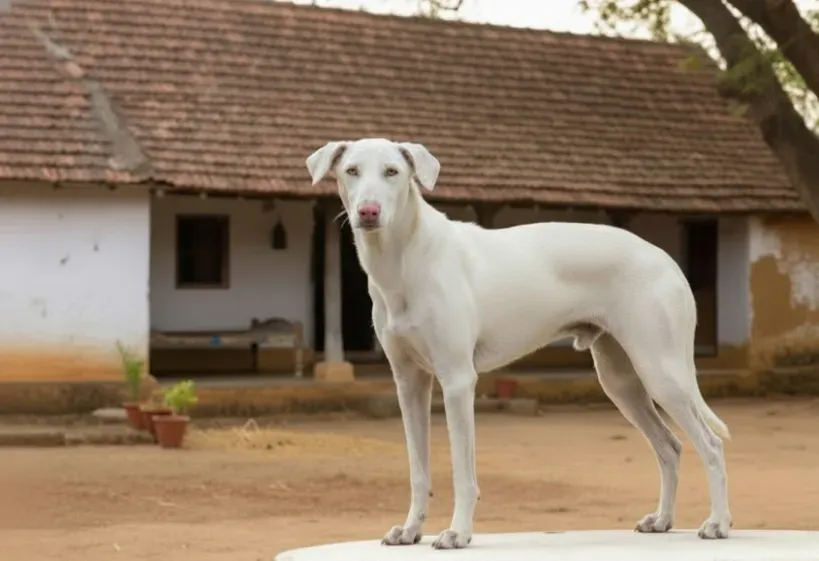
Rajapalayam dogs are powerful, energetic, and strong. Their muscular appearance and courageous temperament demand more than what a normal dog diet provides—more natural food to make them strong, powerful, and good. Good body, good growth, hard bone, and lean body all come about because of proper feeding of your Rajapalayam.
Since they have high energy, Rajapalayam dogs burn calories very fast. With a bad diet, they will remain malnourished, ill with a poor immunity, or be arthritic. It is extremely necessary to have an idea about what to feed Rajapalayam dogs and follow a pre-decided diet chart so that they remain healthy and energetic throughout their life span.
Nutritional Requirements of Rajapalayam Dogs
This article explains the necessary nutrients like protein, fats, carbs, vitamins, and minerals that a Rajapalayam dog needs. It also explains how calorie intake varies by age and activity.
Protein, Fats, Carbs & Vitamins Breakdown
A macronutrient-micronutrient balanced diet maintains a healthy Rajapalayam dog.
- Protein (25–30%): Utilised to build muscles, recover, and sustain energy. Sources: chicken, lamb, turkey, fish, eggs.
- Fats (12–15%): Provides sustained energy and healthy skin and coat. Sources: chicken fat, fish oil, coconut oil, flaxseed oil.
- Carbohydrates (moderate): Active but should be easily digestible. Food sources: rice, oats, barley, sweet potatoes.
- Vitamins & Minerals: Support bones, teeth, immune systems, and general well-being in functional conditions.
Age-Wise Calorie Requirements
Caloric requirement changes with growth and activity:
- Puppies (0–12 months): 1,500–2,200 calories/day for active growth maintenance.
- Adults (1–7 years): 1,800–2,500 calories/day depending upon activity.
- Seniors (7+ years): 1,200–1,800 calories/day because of the slower metabolism.
Rajapalayam Puppy Diet Guide
Rajapalayam puppies grow very quickly during the first year of life, and nutrition plays a very important role in bone growth, muscle growth, and overall development. Proper diet regimen also prevents gastrointestinal disorders, hypoglycemia, and eventually obesity.
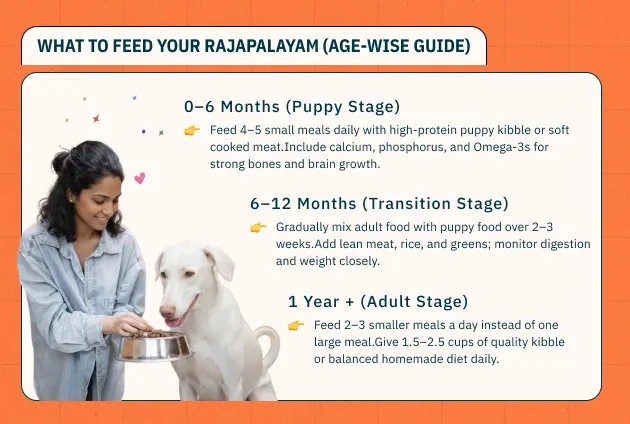
Feeding Routine for 0–6 Months
The pups have to be fed more frequently in order to supply energy and stimulate growth:
- Daily food consumption: 4–5 small meals. Frequent feeding prevents low blood sugar and provides a constant energy supply.
- Food form: Puppy dog kibble, puppy canned dog food, or mildly cooked meat for giant breed puppy dogs.
Key nutrients:
- High protein: For muscle development and hard bones. Combine with chicken, turkey, or fish.
- Calcium & phosphorus: Development of firm bone structure.
- DHA & Omega-3 fatty acids: Brain and eye growth.
- Vitamins & minerals: Immunity development and general well-being.
Tips & tricks:
- Avoid feeding with table foods, sweets, or junk foods.
- Keep regular feeding times to ensure digestion and blood sugar levels.
- Slow feeding to prevent bloating or stomach irritation.
- Chew toys and soft bones are utilized in order to encourage proper dental development.
Slow Transition to Adult Food
Rajapalayam breed puppies are transitioned gradually to adult food at 6–12 months of age
- Gradual mix: Gradually transition adult kibble into puppy food over 2–3 weeks.
- Daily protein diet: Offer protein food for muscle and growth maintenance on a daily basis.
- Balance supplements: Supplement with small quantities of cooked rice, soft greens, and lean meat.
- Constant vigilance: Daily weight, watch for digestion, and gauge energy to modify portions.
- No extreme dieting: Severe changes in the diet will upset vulnerable puppy digestive tracts and cause diarrhea or loss of appetite.
Adult Rajapalayam Dog Diet
Adult Rajapalayams are hyperactive canines who require food to remain healthy, active, and muscular. Food quality and food quantity are of topmost importance in maintaining them lean and active.
Portion sizes, frequency & other considerations
- Meals daily: 2-3 small ones a day instead of one big meal for bloat prevention and for easy digestion.
- Amount daily: 1.5–2.5 cups daily of quality kibble or the equivalent of well-balanced homemade diet.
- Change amount based on:
- Weight: A bit more if lean; a bit less if obese.
- Work activity: Highly active and working Rajapalayams need more calories than most house pets.
- Diseases: Mild enough allergy, disease, or stomach may need special diet.
- Checking: Regular weighing and body condition checking to proportionately reduce serving sizes.
Best Food Choices
- Dry Kibble: Orthodontic and nutritional support. Choices are Royal Canin Large Breed, Farmina N&D, Arden Grange.
- Wet Food: Sensory stimulation via smell and taste. Use the following recommended brand: Pedigree Pro Wet, Drools Gourmet, and Cesar Premium.
- Homemade Diet: Boiled chicken or turkey, rice, pumpkin, spinach, carrot, and peas can constitute complete and balanced meals. Vary proteins frequently to limit allergy issues.
- High-Protein Feeding: Provide protein-complete meals 2–3 times weekly for lean body muscle supply.
Senior Rajapalayam Feeding Tips
Senior Rajapalayams are less active and have slower metabolisms. The diet should be adjusted to include sufficient weight, joint care, and simple digestion.
Decreased Activity Diet Adjustments
- Food restriction: Older Rajapalayams consume less, and feeding them the same amount as an adult dog can lead to obesity.
- Small frequent meals: Break food during the day into 2–3 small meals in order to not overfeed and for easier digestion.
- Palatable foods: Boiled chicken, rice, or soaked foods with kibble are easier on old teeth and intestines.
- Daily weight checks: Slowly decrease portion sizes without losing muscle to prevent obesity.
Joint & Bone Supplements
- Glucosamine & chondroitin: Keeps cartilage and joint flexibility, and reduces stiffness.
- Omega-3 fatty acids: Healthy coat, anti-inflammation, cardiovascular fitness.
- Veggie fiber vegetables: Carrots, spinach, pumpkin improve digestion and prevent constipation.
- Senior multivitamins: Supplement the missing vitamins and minerals not found in the older dog's diet.
Foods to Avoid for Rajapalayam Dogs
Rajapalayam dogs are also have sensitive stomach, and there are certain foods that are toxic or poisonous. Feeding them the wrong kind of food can be a probable reason for major health problems, gastrointestinal problems, or even long-term damage to the organs. Apart from that, overfeeding even healthy food can lead to obesity, which hinders movement and overall well-being, too.
Human Foods That Are Toxic to Rajapalayam Dogs
Some of the human foods must never be given to Rajapalayam dogs:
- Grapes, raisins, and chocolate: Can lead to kidney failure, diarrhea, vomiting, or death.
- Onion and garlic: Carry red blood cell-killing compounds and induce anemia.
- Caffeine and alcohol: Poisons in small doses, damage liver, heart, and nervous system.
- Spicy, oily, processed food: Can disrupt the digestion, cause pancreatitis, or contribute to weight gain in the long run.
Keep human food, junk food, and leftovers inaccessible at all times. A small amount goes a long way to ruining your dog's health.
Overfeeding & Obesity Problems
Excessive eating is the most common issue in working breed breeds like Rajapalayam. Large meals, too many treats, or even table fare result in swift unhealthy weight gain. Obesity in Rajapalayam dogs can cause:
- Joint stress: Excess weight causes pressure on hips and knees, resulting in arthritis.
- Heart disease: Excess weight may prevent the heart from working and circulating.
- Decreased mobility: Larger breeds of dogs use a lot of energy and exercise much less, hence gaining weight.
- Decreased lifespan: Extreme obesity may impact overall health and longevity.
Homemade vs Packaged Food for Rajapalayam Dogs
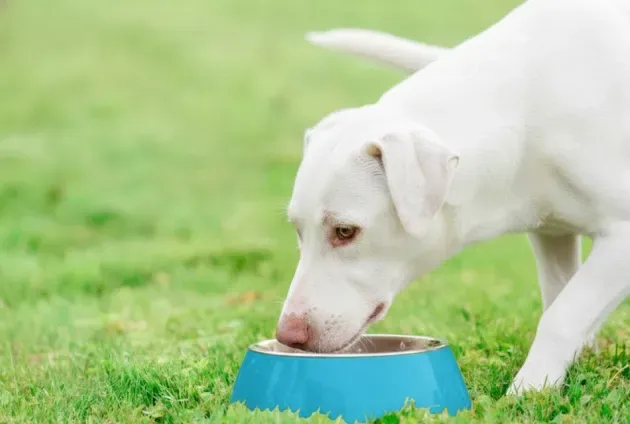
Feed your Rajapalayam dog a mixture of homemade and commercial food. Both will have advantages and disadvantages, so you can feed your dog an interesting and balanced diet. Mixing will also make mealtime interesting and provide all your dog's nutritional needs.
Advantages & Disadvantages of Both Diets
Homemade Food
Advantages:
- Fresh natural ingredients made in the way your dog prefers.
- No coloring, preservatives, or fillers.
- Full control over quality.
- Easy to tailor protein and vegetables based on your dog's exercise level, age, or allergy.
Cons:
- Require planning to get all the nutritional needs (vitamins, minerals, essential fatty acids).
- Slow to prepare one day.
- Risk of imbalance if too reliant on one protein or carb source.
Packaged Dog Food
Pros:
- Provides complete and balanced nutrition specifically formulated for Rajapalayam dogs or large breeds.
- Easy to store and portion.
- Usually supplemented with vitamins, minerals, and joint-nutrients as needed.
Drawbacks:
- Fills are composed of artificial ingredients, grains, or fillers that are less readily digested by all dogs.
- Less ingredient control than with home cooking.
Blending Diets for Better Nutrition
A hybrid solution plays off the benefits of both prepared foods and cooking at home:
- Combine high-quality kibble with fresh vegetables, meat, and rice for a balanced meal.
- Daily change of protein sources (chicken, lamb, fish) to prevent allergy and nutritional imbalance.
- Monitor digestion and reduce feeding amount if your dog is restless or food intolerant.
- Restrict treats and make them nutritious to prevent overfeeding.
Tips for Feeding Your Rajapalayam Right
Rajapalayam canine food isn't just the food you give, but habit, routine, and observation too for health. Do the same thing each time to have a healthy weight, good digestion, and overall health.
Hydration & Regular Meal Times
- Provide water round the clock: Rajapalayam dogs are energetic and sporty; therefore, they require lots of water throughout the day in order to stay hydrated. Provide water for changing regularly for hygiene.
- Feed on a schedule: Timed feeding controls digestion, avoids overeating, and avoids energy decline.
- 3–4 times a day for puppies; 2–3 times a day for adults.
- Free food is unwanted: scattered free food in the home encourages over-eating, weight gain, and digestive disease. Portion control does not allow for good metabolism and habituation.
- Check water intake: Excess thirst may be due to dehydration, heat stress, or illness—keep an eye on your dog, especially in the tropics.
Vet consultation role

- Modify the portions and supplements: Your veterinarian can provide guidance on the amount of calories needed daily, intake of protein, and any other nutrients needed, such as Omega-3s or joint supplements.
- Early detection of deficiency: Periodic examination at the health center can detect gastrointestinal illness, anemia, or deficiency of vitamin prior to complications.
- Diet by life stage & activity: Puppies, adult, and geriatric Rajapalayams have to be fed differently. A daily regimen as recommended by a veterinarian provides nourished feeding throughout their life.
- Cure medical conditions: Sensitive stomachs, allergies, or joint diseases in certain dogs can be cured by employing special diets as recommended by a vet.
Conclusion
A Rajapalayam dog food table according to age, activity, and condition maintains them healthy and active. The puppy needs protein foods, adult balanced foods, and senior soft nutrient food, thus keeping your dog healthy, active, and cheerful at all stages.
written by
Happy Pet TeamAuthor