
Dog Vaccination Schedule: How to Easily Set Reminders
Learn how to track your dog’s vaccination schedule easily with reminders, booster shot tips, and tools for stress-free vet appointments.

5 Min Read
30 Jun, 2025
Social share
Or copy link
https://www.happypet.care/media/blogs/parenting/dog-vaccination-schedule-reminders
What is a Dog Vaccination Schedule?
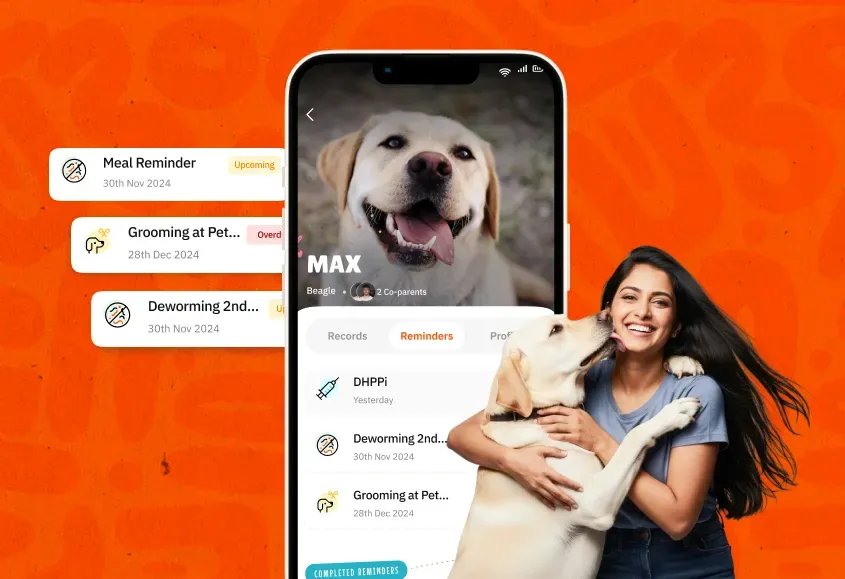
Having a dog vaccination schedule allows you to know when your pet should receive each dose. A few vaccines must only be given once, while some must be repeated later, known as booster shots. The schedule usually begins when your dog is a puppy and stays in place as they grow up.
Dogs who are vaccinated are less at risk of serious infections, including rabies, parvovirus, distemper, and others. By sticking to the right schedule, you give your dog the best protection
Core vs. Non-Core Vaccines in a Dog Vaccination Schedule
Setting reminders is easier once you first understand the two main vaccines in a dog vaccination schedule.
- Core Vaccines: All dogs should have these. They are meant to avoid the spread of serious diseases that might be dangerous. Some examples are rabies, distemper, parvovirus, and adenovirus.
- Non-Core Vaccines: They differ based on the climate and how your pet spends their days. A dog who spends time at a daycare or in boarding may need an injection for kennel cough. If you live somewhere where ticks are often found, your vet may suggest getting a Lyme disease vaccine.
Your vet can let you know which vaccinations your dog requires. Make sure a good dog vaccination schedule covers the core shots along with the additional ones.
Puppy Dog Vaccination Schedule: Start Early, Stay Safe
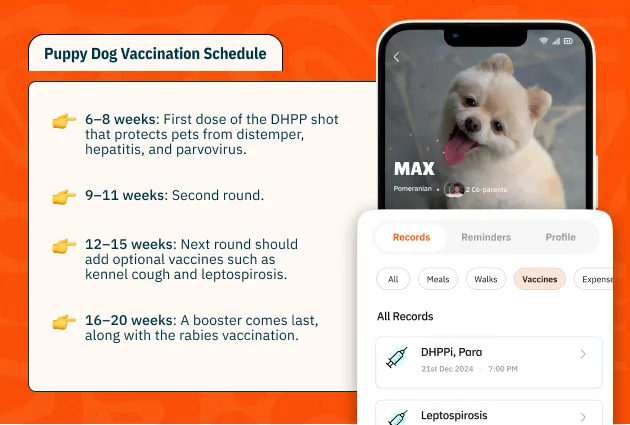
Congratulations if you’ve recently gotten a puppy. Now is the right time to build the base for a healthier life. Because puppies are at higher risk for diseases, vaccinations begin for them shortly after they are born.
Here’s what it usually looks like:
- 6–8 weeks: First dose of the DHPP shot that protects pets from distemper, hepatitis, and parvovirus.
- 9–11 weeks: Second round.
- 12–15 weeks: Next round should add optional vaccines such as kennel cough and leptospirosis.
- 16–20 weeks: A booster comes last, along with the rabies vaccination.
Try to schedule each visit about 3–4 weeks apart. When you follow the vaccination schedule, your dog has a steadily stronger immune system.
The American Animal Hospital Association advises that your puppy's vaccines must end no earlier than 16 weeks to beat maternal antibodies.
Adult Dog Vaccination Schedule: Keeping Protection Strong
After the pup reaches adulthood, it’s time to follow the adult dog vaccination schedule. Your dog requires regular vaccinations to stay healthy. Over time, the number of sessions declines.
- DHPP Booster: Given one year after the puppy shots, then every 3 years.
- Rabies: Usually given every 1 to 3 years, depending on local rules.
- Leptospirosis and Bordetella (kennel cough): Often given every year.
Have your vet design a specific dog vaccination schedule for your adult pet. It relies on a person’s age, their health, and their way of living.
Why You Shouldn’t Miss Vaccines in the Dog Vaccination Schedule
Missed vaccines or boosters can put them in danger. Parvo and distemper infections could be lethal to dogs. Rabies can be deadly, and it is a requirement in numerous regions by law.
Let’s talk about why sticking to your schedule matters:
- Helps your dog avoid serious diseases.
- Protects both animals and people.
- Allows you to meet the necessary health and legal standards.
- Groomers, boarding centers, and dog parks often require this.
It is your duty as a dog parent to make sure your dog is vaccinated properly.
Digital Tools to Track Your Dog Vaccination Schedule
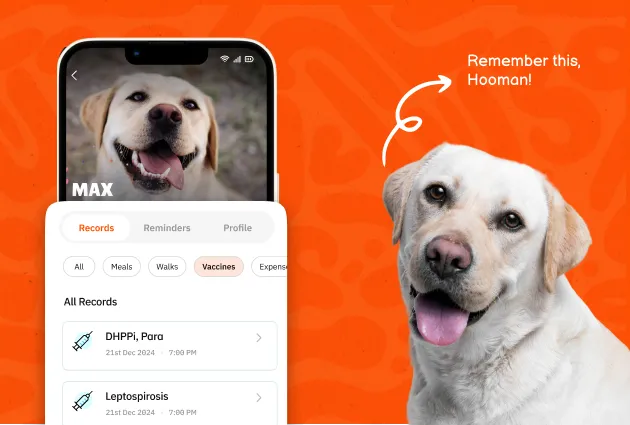
What do you think about reminders? With the help of technology, meeting a dog’s vaccination schedule is now much simpler. Try using some of these digital tools:
- Pet Care Tracker apps: You can save your vaccine records and get reminders from these.
- Vet clinic apps: Many veterinarian clinics have apps or send automated emails to remind you.
- Calendar alerts: Add upcoming shots to your phone’s calendar with reminders.
Find a way that is most comfortable for you. It is important to keep your dog’s vaccinations up to date without causing undue stress.
Old-School Ways to Track a Dog Vaccination Schedule
Not good with technology? No worries. You can always keep a personal record using traditional ways.
- Paper Calendars: Write vaccine dates down with different colored pens. Clearly understandable and easy to track.
- Vet reminder postcards: Some clinics continue to use postcards or email. Store them where they won’t get lost.
- Fridge charts: Hang a calendar with the vaccine dates on your fridge.
Sometimes, a mix of digital and traditional methods gives the best results.
Setting Effective Reminders for Your Dog Vaccination Schedule
Reminders only work if they’re timed well. Here’s a simple plan:
- 30 Days Before: Set an alert to schedule an appointment.
- 14 Days Before: Double-check your calendar and confirm with the vet.
- 3 Days Before: Final reminder so you don’t forget.
Link reminders to other events. For example, schedule yearly shots around your dog’s birthday or a specific holiday. That way, your dog vaccination schedule becomes part of your routine.
The Hidden Benefits of a Dog Vaccination Schedule
Following a dog vaccination schedule is more than just avoiding illness. It also comes with bonus perks:
- Better health tracking: Regular vet visits help catch other issues early.
- Peace of mind: You know your dog is safe and covered.
- Pet insurance discounts: Some insurers offer lower rates for vaccinated pets.
- Smooth travel and boarding: Up-to-date shots are required for many services.
All things considered, following a vaccination schedule for your dog helps both you and your pet.
Local Laws and Your Dog Vaccination Schedule
Did you know that rabies shots are required by law in most areas? Skipping an appointment can result in penalties or bigger problems. Ask your vet about any local requirements before deciding on your dog vaccination plan.
Also, there are regions where you might be required to show your dog’s vaccine record to get a license or tag. Fully vaccinating your dog helps to handle all these risks.
Conclusion
Although a dog vaccination schedule can look challenging, there’s no reason why you can’t follow it properly. The main thing is to pick a method that works well for you.Since your dog relies on you for everything. Now, if you follow the right steps, everything will fall into place.
written by
Happy Pet TeamAuthor