How to Keep Cats Cool in Summer: Complete Guide for Pet Parents
From hidden health risks to smart care, everything you need to keep your cat safe this summer.

6 Min Read
30 Mar, 2026
Social share
Or copy link
https://www.happypet.care/media/blogs/parenting/summer-risks-for-cats-pet-parent-guide
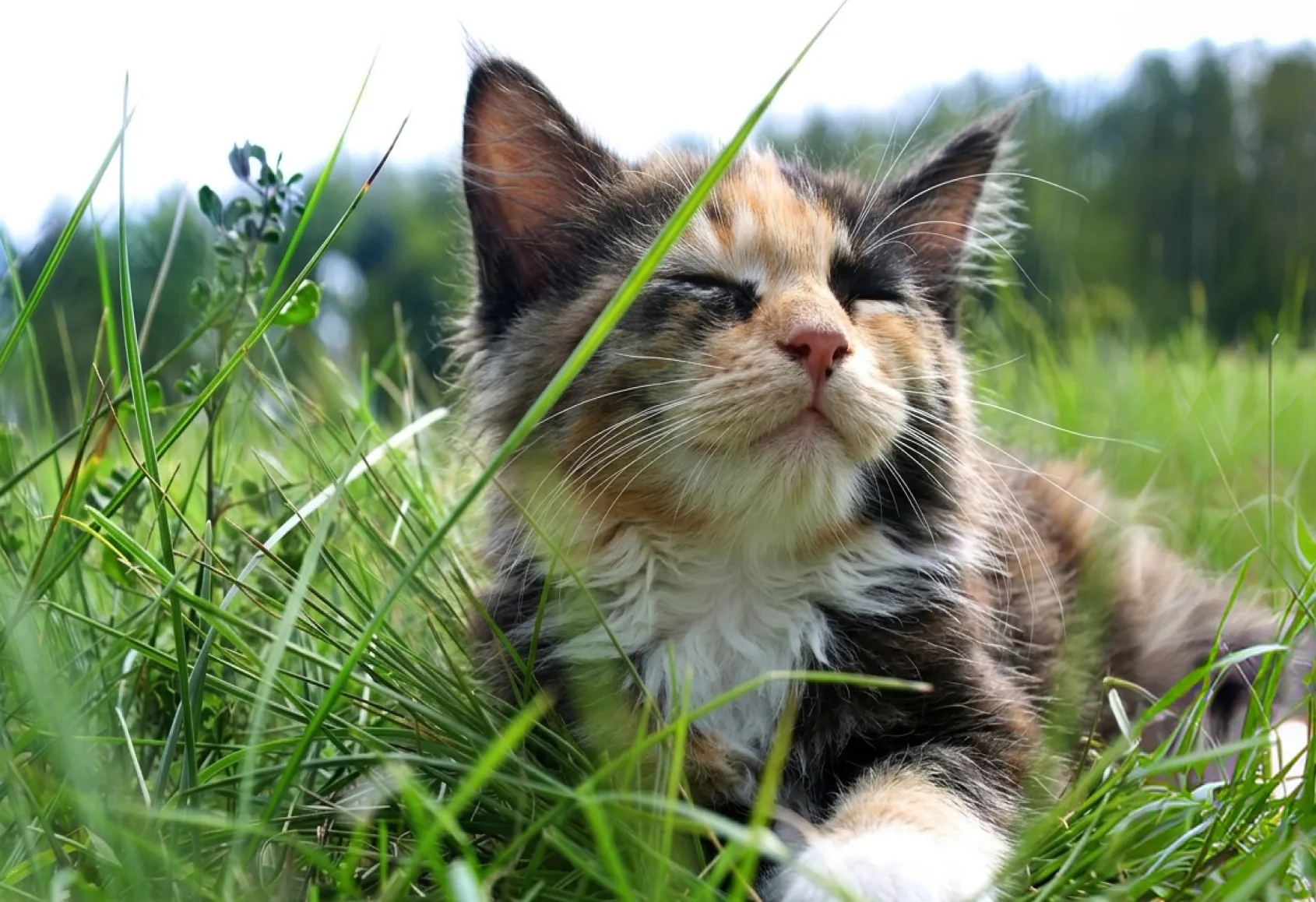
As temperatures climb, summer can quietly become one of the most challenging seasons for cats. While they may appear relaxed lounging in sunny corners, excessive heat can put them at serious risk. From dehydration to heatstroke, understanding these risks is the first step toward keeping your feline safe, comfortable, and healthy.
Heatstroke: A Serious Threat
Cats are not as efficient at cooling themselves as humans. When exposed to high temperatures for prolonged periods, they can quickly develop heatstroke, a life threatening condition.
Signs include excessive panting, drooling, lethargy, vomiting, and difficulty walking. Immediate cooling and veterinary attention are critical in such cases.
Dehydration is More Common Than You Think
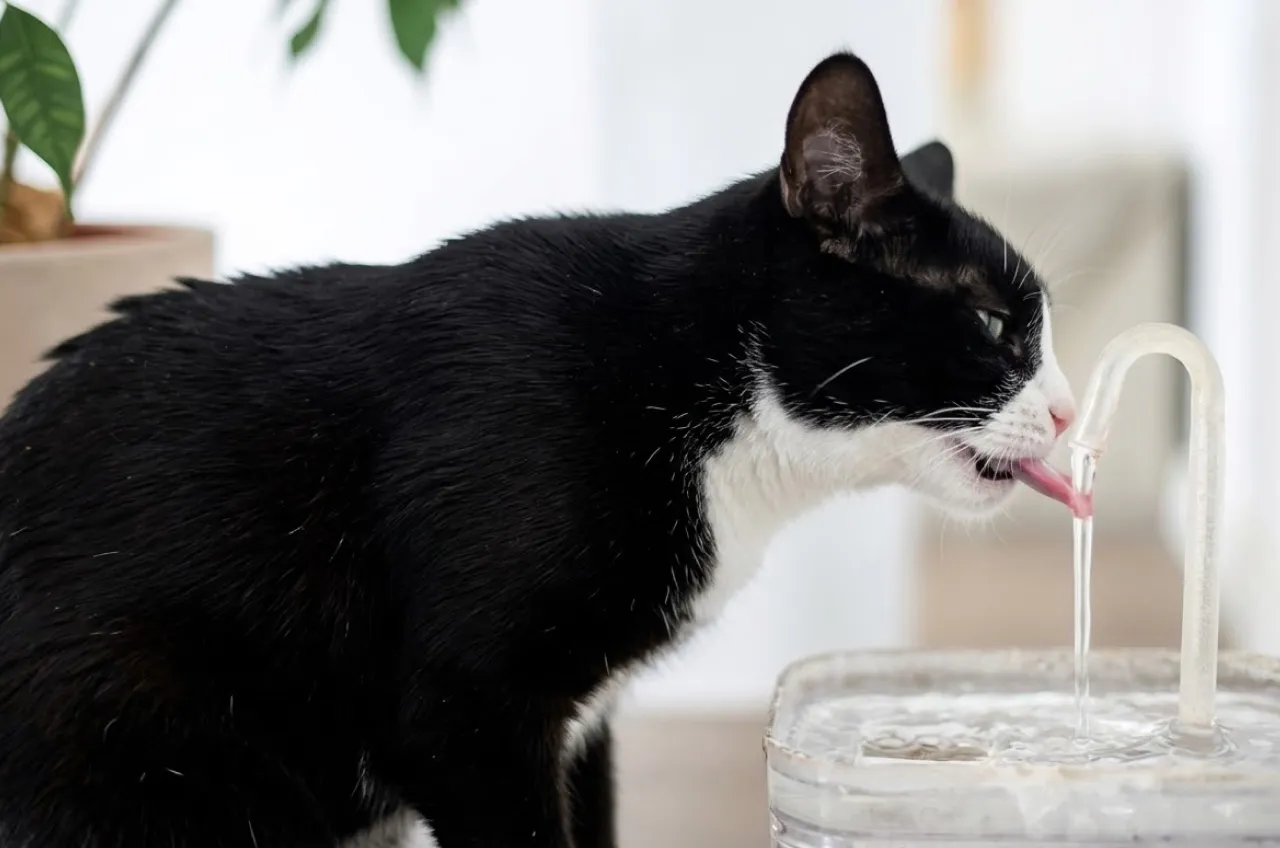
Cats naturally have a low thirst drive, which makes them especially vulnerable to dehydration in summer. Unlike dogs, they don’t always seek out water even when they need it.
One of the most effective ways to overcome this is through diet. Incorporating wet food or adding water or low sodium broth to dry food helps increase their overall fluid intake. Since cats in the wild get most of their hydration from prey, this approach closely mimics their natural habits.
Additionally, placing multiple water bowls around your home and using a pet water fountain can encourage more frequent drinking, as many cats prefer running water over still bowls.
Overheating Due to Poor Coat Maintenance
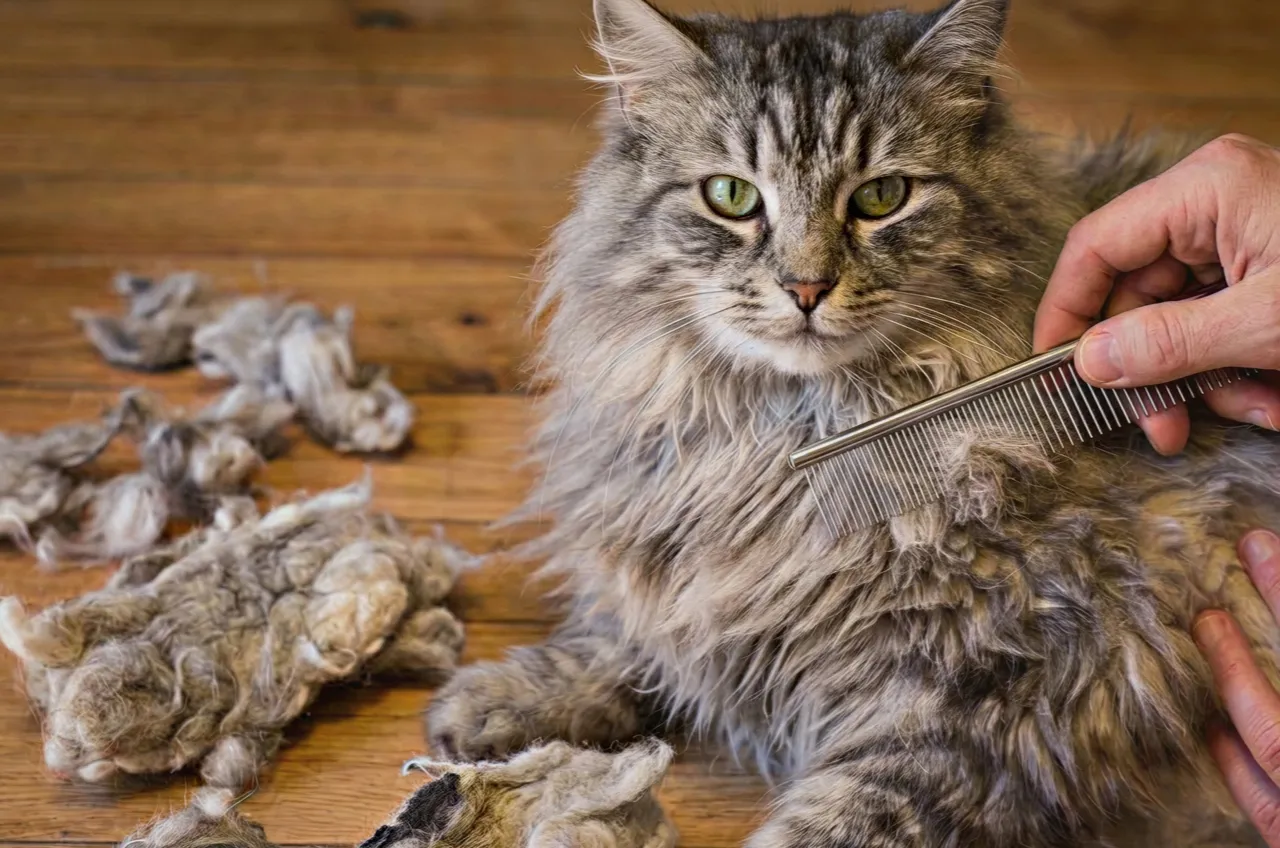
A cat’s fur can either protect or trap heat depending on how well it’s maintained. Loose fur and matted coats act like insulation, preventing proper airflow and making it harder for your cat to cool down.
Regular brushing during summer is essential. It removes excess fur, prevents matting, and allows better air circulation close to the skin. For long haired breeds, a professional grooming session at the start of the season can make a noticeable difference in comfort.
Reduced Activity and Weight Gain
During hot weather, cats tend to become less active, especially during the day. While this is a natural response to avoid heat, it can lead to boredom and even weight gain if prolonged.
Shifting playtime to early mornings or evenings when temperatures are cooler helps maintain physical activity without risking overheating. Keeping indoor spaces shaded by closing curtains or blinds during peak heat hours can also make a big difference.
Mental Boredom and Stress
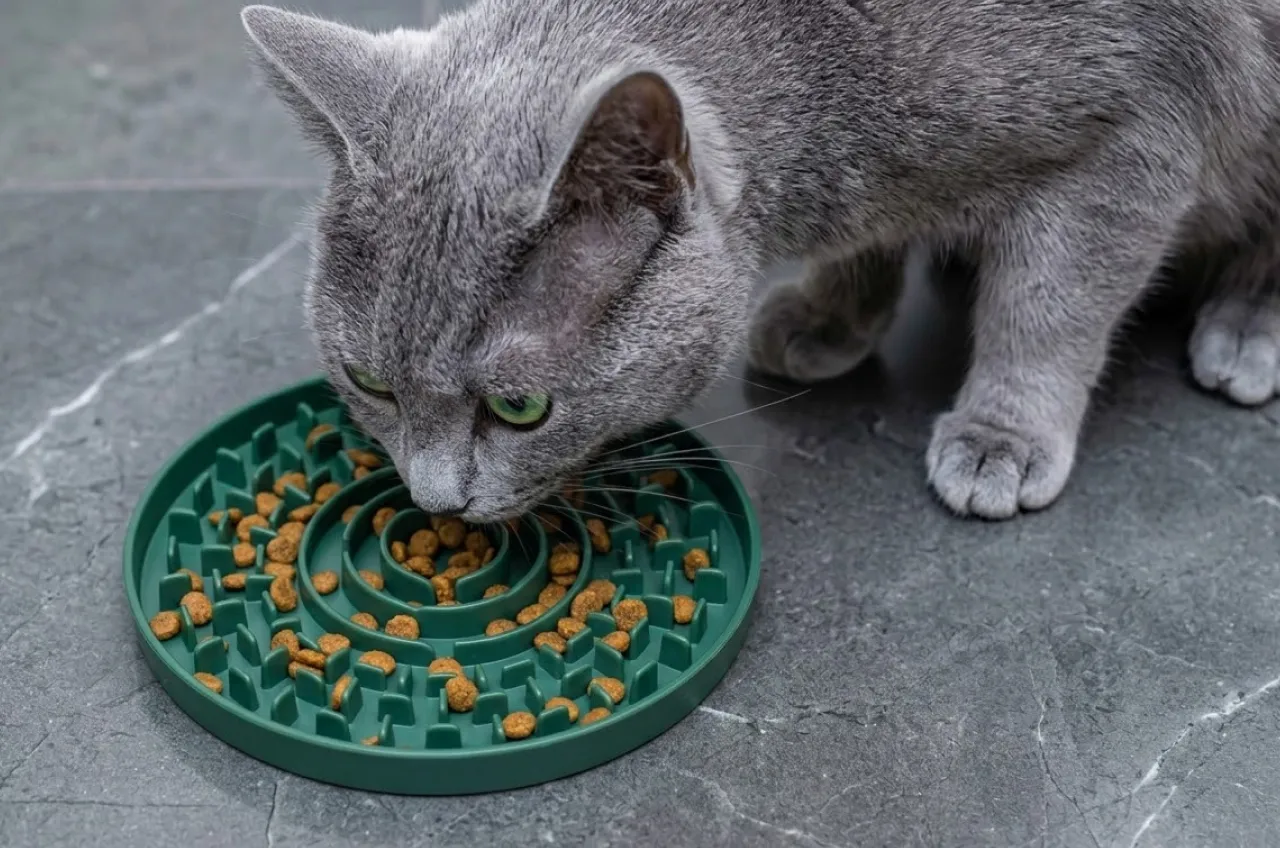
When physical activity decreases, mental stimulation becomes crucial. A bored cat can become restless or stressed, which may indirectly affect their overall well being.
Interactive toys like puzzle feeders, snuffle mats, and treat-dispensing games are great ways to keep them engaged. Even simple activities like bird-watching from a window or a small indoor scavenger hunt can provide enrichment without physical strain.
Lack of Cooling Spaces
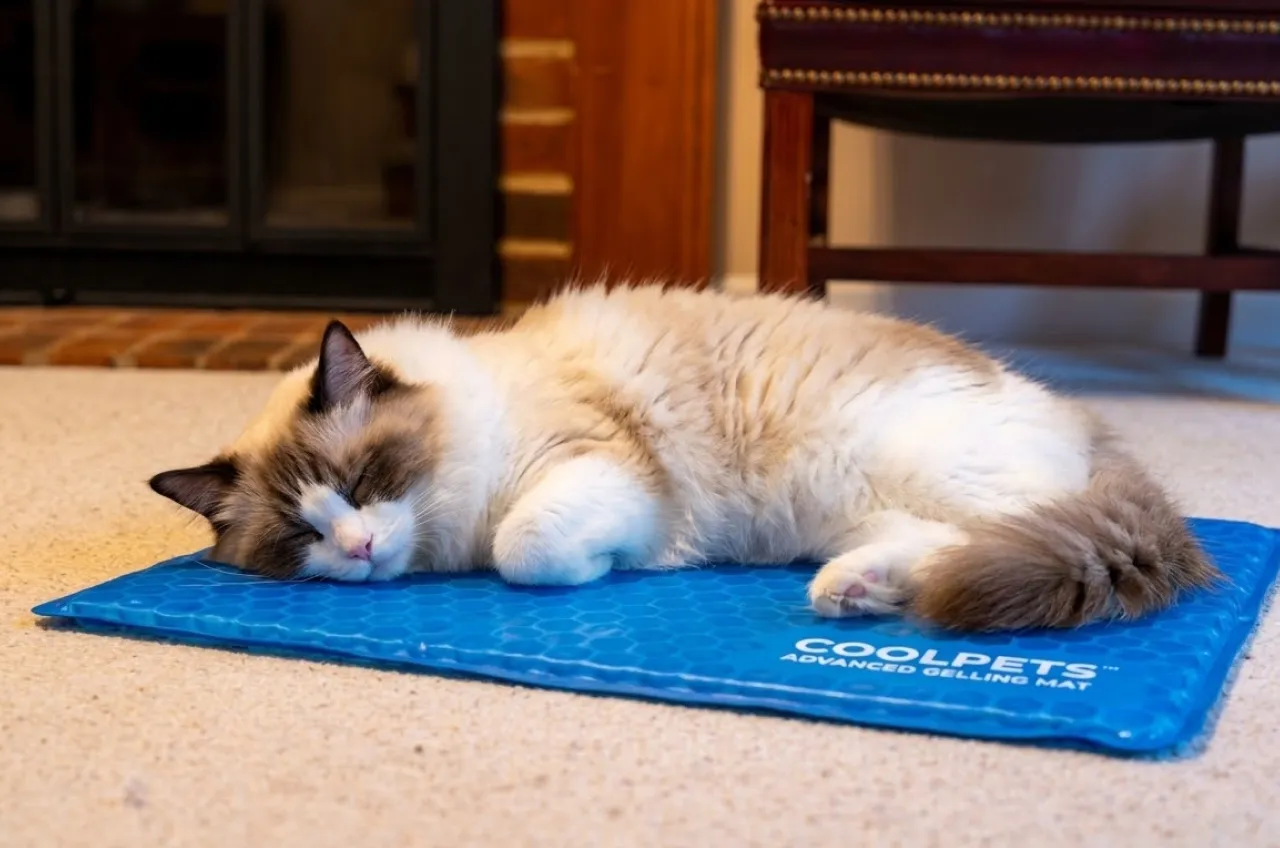
Cats instinctively seek out cool spots, but in many homes, these may not be sufficient during extreme heat.
Cooling mats designed for pets are a simple and effective solution. These mats use pressure activated gel to absorb body heat and provide a cooler resting surface without electricity. Placing them in your cat’s favorite lounging areas near a fan or in a shaded corner can significantly improve comfort. Even a damp towel in a breezy spot can serve as a quick alternative.
Conclusion
Summer doesn’t have to be uncomfortable or risky for your cat. With a little proactive care, you can help your feline friend stay safe and ensure they enjoy the season.
written by
Shyama C PrabhuAuthor