
A Brief Overview on Border Collie Health Problems
A complete guide on Border Collie health problems, hereditary conditions, common diseases, and preventive care tips to raise a healthy and active dog.

5 Min Read
03 Nov, 2025
Social share
Or copy link
https://www.happypet.care/media/blogs/parenting/overview-on-border-collie-health-problems

Introduction to Border Collie Health
The Border Collie is admired for its intelligence, agility, and loyalty. However, like every breed, it has its own set of health concerns. Understanding Border Collie health problems helps owners provide better care and spot medical issues early. From hereditary conditions to skin infections, being aware of these concerns makes it easier to manage them.
Why Regular Care Matters
Regular care prevents minor issues from turning into serious Border Collie medical problems.
- Early detection of hereditary conditions improves long-term quality of life.
- Timely vaccinations, balanced diet, and exercise support Border Collie wellness.
- Consistent grooming and hygiene reduce risks of skin infections in Border Collies.
Common Health Issues in Border Collies

Border Collies are active dogs, but they are also prone to specific diseases. Let’s explore the most common Border Collie health problems in detail.
Hip Dysplasia
- Hip dysplasia in Border Collies occurs when the hip joint does not fit correctly, causing pain and stiffness.
- Symptoms include difficulty climbing stairs, limping, or reduced activity levels.
- Weight control and regular exercise can help reduce strain on joints.
- In severe cases, surgery may be recommended.
Collie Eye Anomaly (CEA)
- Collie eye anomaly is a genetic disorder that affects vision and, in some cases, leads to blindness.
- It is usually diagnosed in puppies through eye exams.
- Responsible breeders often screen for CEA to avoid passing it on.
- While not always curable, regular monitoring helps manage vision loss.
Epilepsy
- Epilepsy in Border Collies is a neurological condition that causes seizures.
- Symptoms include sudden collapsing, twitching, or uncontrollable movements.
- Medication prescribed by a vet can help control seizures.
- Stress management and proper care reduce the frequency of episodes.
Progressive Retinal Atrophy (PRA)
- PRA is a degenerative eye disease that causes gradual vision loss.
- Early signs include night blindness and difficulty in dim light.
- There is no permanent cure, but supplements and vet guidance help manage symptoms.
- Genetic testing can identify the risk before breeding.
Allergies & Skin Problems
- Skin allergies in Border Collies are common and may be triggered by food, fleas, or environmental factors.
- Symptoms include itching, redness, hair loss, or constant scratching.
- Regular grooming helps prevent skin infections in Border Collies.
- A vet may suggest hypoallergenic diets or medicated shampoos.
Preventive Care and Early Detection
The surest way to reduce Border Collie health problems and enjoy a spry dog for decades is by adopting preventive measures. Using normal care regimens and early problem detection, you're able to tackle Border Collie illness before it gets downright critical. Not only do you prevent yourself from shelling out a lot of cash for treatment later on, you're also enhancing the quality of life of your dog.
Periodic Vet Inspections
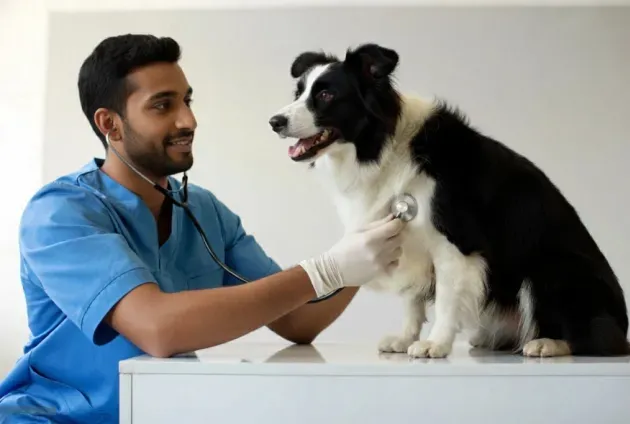
- Go to the vet at least twice yearly for general well-being checks.
- Routine blood work and body examination search for early indications of problems in joints for Border Collies, skin allergies, or hidden infections.
- Early diagnosis makes for early treatment and keeps your dog fit, healthy, and pain-free.
- By including vet trips in your daily routine, you safeguard against Border Collie common disease exposures and Border Collie longevity.
Vaccination & Deworming
- Border Collie vaccination needs start in puppyhood with initial shots and continue with yearly boosters.
- Routine deworming every 3–6 months prevents parasites of the digestive system and general well-being.
- Preventive measures against tick and flea bites safeguard against life-threatening Border Collie skin infections and irritation and itching.
- Adherence to a vigorous vaccine and deworming regimen helps to circumvent preventable Border Collie ailments.
Genetic Testing for Hereditary Issues
- Inherited Border Collie disorders such as hip dysplasia, Collie Eye Anomaly (CEA), and Progressive Retinal Atrophy (PRA) have a tendency of inheriting genetically.
- Pre-breeding or pre-adoption genetic evaluation recognizes perils early.
- Having these results also decreases the possibilities of serious Border Collie disease issues being carried down the generations.
- Responsible breeders and owners utilize genetic testing as a resource in the battle against disease inheritance.
Daily Care Advice for a Healthy Border Collie

The daily routines play a significant role in Border Collie disease prevention. From daily nutrition to exercises and grooming, tiny aspects matter for a healthier and more fulfilled buddy.
Healthy and Balanced Diet
- An effectively crafted Border Collie diet & health program consists of protein meals, greens, and these essential vitamins.
- Don't overfeed, as Border Collies suffer from strain and stressed joints due to overweight.
- Always talk to a vet before you modify anything in your Border Collie puppy chart of foods or adult regimen of diet.
Well-balanced meals right away boost Border Collie immunity, digestion, and overall well-being.
Exercise & Weight Management
- They have enormous energy and require at least 2–3 hours of exercise per day.
- Walks, runs, fetching, flyball, and agile exercises keep them busy mentally and physically.
- Staying at a healthy weight helps prevent obesity, hip dysplasia in Border Collies, and other mobility problems.
By keeping yourself occupied, you prevent many of the Border Collie issues associated with a lack of exercise.
Grooming & Hygiene
- Brush its hair 2–3 times a week to minimize knotting and shedding.
- Bathe every 4–6 weeks with gentle shampoo to help prevent skin allergies in Border Collies.
- Trim nails every month and clean ears periodically to prevent excruciating infections.
These good grooming practices lower the occurrence of skin infections among Border Collies and have your dog looking and feeling their best.
When to Visit a Vet
Despite the best of preventive medicine, Border Collie issues sometimes pop up without warning. Having an awareness of the signs and acting on them immediately makes all the difference. Early medical intervention keeps small issues from turning into serious Border Collie issues.
Red Flags You Cannot Overlook

Pay attention to these signs and they may indicate Border Collie common problems or inherited conditions:
- Stiffness or limping – Could be an indication of hip dysplasia in Border Collies or other joints problems in Border Collies.
- Vision disturbances – The symptoms of running into things could be due to Collie Eye Anomaly or Progressive Retinal Atrophy (PRA).
- Seizures or sudden collapse – These may suggest epilepsy in Border Collies, which requires immediate vet care.
- Non-stop scratching, red rashes, or hair loss – Frequently associated with Border Collies' skin allergies or Border Collies' recurrence of skin infections.
- Abnormal weight loss or gain – Results from diet problems, lack of suitable exercises, or secondary medical problems.
- Ear issues – Some Border Collies experience deafness, especially at later ages.
- Weakness, vomiting, or lack of appetite – General signs that should not be ignored and ever need the expertise of a vet.
Why Early Vet Visits Matter
- Responding promptly to signs of warning prevents Border Collie hereditary conditions from advancing.
- Veterinarians give proper diagnosis and treatment protocols for Border Collie common ailments.
- Early intervention enhances chances for recovery and safeguards for Border Collie late-life well-being.
- By remaining on alert and making on-time appointments at the vet's office, you safeguard the dog against undue pain and maintain them healthy.
Conclusion
Understanding Border Collie health problems helps improve their lifespan. From hip dysplasia and CEA to skin allergies and epilepsy, early care matters. With good diet, exercise, grooming, and vet visits, you can keep your Border Collie healthy and active.
written by
Happy Pet TeamAuthor