Home
/
Dog Breeds
/
Thai Ridgeback
Thai Ridgeback
Origin
Thailand
Size
Medium Breed
Ideal Space
House with backyard
Ideal Weather
20º-30ºC
Life Expectancy
12-15Â years
Cost of buying
₹ 60,000 - ₹ 1,00,000
Top 5 Traits
Athletic
Fearless
Intelligent
Loyal
Protective
Avg Monthly Expenses
₹ 3,550 - ₹ 5,400


Introduction to Thai Ridgeback dog breed
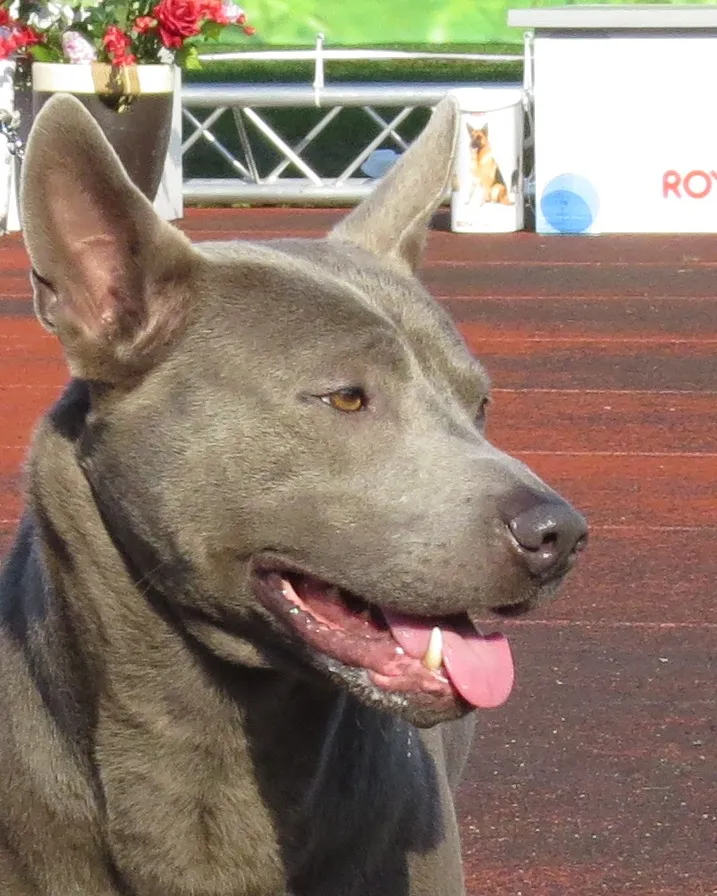
Thai Ridgeback is a robust dog breed bred to hunt in ancient times but is now a beloved dog breed. They have a ridge of hair on their back that is grown opposite to that of the rest of the coat. Even though they are now family dogs, they primarily have a hunting instinct and are best for being guard dogs. As guardian dogs, they are very protective of their family, get along with people, and can be reserved around strangers. These dogs are generally not recommended for first-time dog parents as they need patience, consistency, and experience in training them.
Let us dive into the history and origin of Thai Ridgeback dogs.
History and Origin of the Thai Ridgeback Dog Breed
As the name suggests Thai Ridgeback dogs are originally from Thailand and their archaeological documentation dates back to the 1600s. They are likely to be descendants of the Funan Ridgeback dogs( whose history goes back more than 1000 years). These are primarily hunting dogs that used to hunt small mammals to even venomous snakes.
They are relatively isolated in the eastern Thailand region and do not mix with other dog breeds maintaining their relatively pure bloodline. Even today these dogs are rarely found outside of Thailand.
Physical traits of Thai Ridgeback dogs
Thai Ridgebacks are medium-to-large dogs with distinctive ridges on their backs and have a short coat. Following are their physical characteristics,
- Height: 20-24 inches tall
- Weight: 35-75 pounds
Lifespan of Thai Ridgeback dogs
The average lifespan of Thai Ridgeback dogs can vary from 12 to 15 years. With regular health monitoring, balanced, adequate exercise, and care they can live longer and outlive their peers.
Temperament of Thai Ridgeback dog breed
- They are quite reserved and independent by nature and devoted to their family.
- They get along well with kids and other dogs when socialized and trained at a young age.
- They require daily exercise to maintain their moderate-to-high energy levels.
- They have strong hunting instincts as they were forced to hunt for survival.
Characteristics
Barking
Quiet
Loud
Temperament with Kids
Aggressive
Friendly
Playfulness
Silent
Very Playful
Friendliness
Not Friendly
Super Friendly
Compatibility with other dogs
Aggressive
Friendly
Need for attention
Independent
Very Needy
Monthly Expenses


What is the Thai Ridgeback Price?
Cost of buying
₹ 60,000 - ₹ 1,00,000
The price of Thai Ridgeback dogs can vary from ₹ 60,000 to ₹ 1,00,000 depending on the breeder, lineage, and health conditions.
Several factors should be considered while purchasing a Thai Ridgeback puppy -
- The most essential thing when purchasing a pet is choosing a trustworthy breeder. Ensure that any breeder treats the dogs appropriately and follows the moral breeding procedure.
- Ask the Thai Ridgeback breeder to provide health certificates and lineage papers to ensure that the dog is healthy and purebred. Visit the kennel to confirm that there is no in-breeding taking place.
- The cost of a Thai Ridgeback puppies depends on many variables like ancestry, the possibility of show quality, and breeder reputation.
Adopt
There is another way to get a Thai Ridgeback puppy home, i.e. to Adopt
- Give a homeless pet all the love with adoption. Maybe breed-specific rescues, a local animal shelter, or other rescue groups have a puppy up for adoption.
- Adoption fees usually cover vaccinations, spaying/neutering, and initial medical care. These fees vary, but they are generally lower than they would be to buy from a breeder.
Here are some of the breeds that are similar to Thai Ridgeback dog
Azawakh | Stabyhoun | Doberman Pinscher | Chippiparai |
Prerequisites to pet a Thai Ridgeback
Access to Groomer
Access to Veterinary
Appropriate Climate
Lifestyle Compatibility
Financial Capability
Space and Environment
Now that you know what it takes to raise a Thai Ridgeback dog, are you ready to take the next step to get one home?
Research: Do thorough research about the breed, its requirements, health issues, temperaments, traits, and compatibility. See if the dog breed is a good fit for your lifestyle.
Find reputable sources: Before buying a puppy, look for a trustworthy breeder who practices ethical breeding. Also, check out the local rescues or shelters if you are planning to adopt.
Visit breeder/adoption centers: Make a plan to visit the kennels or adoption centers before going to buy or adopt the dog. Know about their behavior, health, immunization, history, and lineage.
Ask for documentation: Do not miss the health certification, vaccination record, and any other related document from the breeder before buying the puppy. If you are adopting, make sure you inquire about the behavior and past and recent health conditions.
Prepare your home: It is your duty to make a comfortable living space for the dog before bringing it into your life. So make sure you are well aware of the requirements, such as space, time, and commitment needed to have a dog at home. Ensure you have enough supplies, grooming tools, a bed, a food bowl, and other necessities.
Nutrition guidelines for the Thai Ridgeback Dog breed
Monthly Food Expenses
₹ 2,250 - ₹ 3,000
Calories per day
Puppies:Â 1200 kcal
Adults:Â 1500 kcal
Essential Nutrients
Protein
Fats
Carbohydrates
Fibre
Vitamins
Minerals
List of foods
Chicken
Dry Dog Food
Fresh Meat
Fresh Fish
Fruits
Mutton
Home made meals
Vegetables
Thai Ridgeback dogs are highly energetic dog breeds and need a balance that caters to their energy requirements. Below is a brief overview of the nutrition needs of this dog breed -
- During the first 12 months, the Thai Ridgeback puppies need to be fed high-quality puppy formula that caters to their fast growth pace.
- Make sure the food intake is monitored as adult dogs are generally fed twice a day.
- The food must contain all the necessary ingredients like proteins, carbohydrates, vitamins, minerals, and fibers.
- You can feed Thai Ridgeback medium or large breed formulas that contain all the essential nutrients that are recommended by AAFCO.
- Always monitor the food intake and avoid over-feeding to prevent obesity in dogs.
- Make sure the treats that are fed during training do not exceed 15% of their overall food intake of the day as this leads to obesity in dogs.
Note: These are general guidelines. Consult a veterinarian to determine the specific dietary needs of your dog.
In the next section, let us learn about what are all the food items that should be included in your dog’s diet.
Breakdown of Macro-nutrients
Guidelines to select the right food for your Thai Ridgeback
- Protein: These dogs need high-quality protein-based food that are available in chicken, meat, and lamb. Protein sources promote muscle growth and overall development of the dog.
- Carbohydrates: You can also include carbohydrates as they provide energy to carry out daily activities. Food items like brown rice, oats, whole wheat, and barley. Please be mindful about the quantity it is fed as overfeeding leads to obesity.
- Healthy fats: Your dog’s diet should also include healthy fats like omega-3, and omega-6 that helps to maintain shiny coat and skin health. Foods like flaxseed oil, fish oil, sunflower oil will help get essential oils in your dog.
- Vitamins and minerals: Along with other nutrients vitamins like A, C, K etc are also important and are available in foods like carrots, cabbages, beans, and lettuce.
- Antioxidants: You can also include fruits like apples, strawberries, blueberries, bananas, and papaya in their diet to provide antioxidants without any added sugar.
Avoid these food for your Thai Ridgeback
Avoid anything with these ingredients
Alcohol
Garlic
Almonds
Grapes
Avocados
Lemon
Cherries
Milk Products
Cinnamon
Mushrooms
Coffee / Tea
Onions
Dairy
Salt
Fruit seeds
Sugar
Being a pet parent you should be well-aware of the food that you can feed your dog to promote their overall well-being. Along with that you should also be informed about all those food items that can cause serious damage to your dogs’ health.

Below are the list of food items that you should avoid from feeding your Thai Ridgeback -
- Chocolates, onions, garlic, and alcohol are to be avoided as they might cause serious damages to their digestive system.
- Carefully choose dry food for dogs and look for the ingredients on the covers. Some dry food that contain artificial preservatives, fillers are to be avoided as they can cause gut-related problems in dogs.
- Food items that have artificial preservatives, colors and odors are to be avoided at any cost.
- Fruits like berries, raisins and grapes can cause serious kidney damage and should never be fed to dogs.
- While feeding treats during training make sure you monitor the amount of treats as it should not exceed 15% of their overall food intake. Treats primarily have carbohydrates and if fed in excess can cause obesity.

A brief overview of Thai Ridgeback’s healthcare
Avg Monthly Expenses
₹ 600 - ₹ 1,200
Common Health Issues
Hip Dysplasia
Patellar Luxation
Skin Allergies
Progressive Retinal Atrophy (PRA)
Heartworm
Ear Infections
Bloat
Canine distemper
Well being
Exercise
Agility Training
Bonding
Games
Socialization
Energy Level
High
Exercise routine
60 - 90 minutes
Recognising Stress
Excessive Barking
Pacing
Changes in appetite
Excessive Panting
Reluctance to move
Increased laziness
Decreased play
Common health conditions in Thai Ridgeback
- Hip dysplasia: This is an orthopedic condition commonly found in large dog breeds including Thai Ridgeback. The hip joints are not properly aligned and cause joint pain. This can be treated depending on the severity of the condition. Sometimes it is treated using supplements and sometimes surgery in extreme conditions.
- Dermoid Sinus: This is a condition where there are openings found on the skin and is present from birth. It is found either on the back or spine. This can be so severe that it can expose the spinal cord and spleen. It can be treated by surgical removal techniques as it is considered the gold standard.
Thai Ridgebacks are generally healthy dog breeds and due to not much exposure to the outside world they still remain healthy dog breeds.
Vaccination details
Growth Stage
Core Vaccines
6-8 Weeks
Distemper, Parvovirus
10-12 Weeks
Distemper, Parvovirus, Adenovirus
14-16 Weeks
Rabies
Annually
Rabies, Distemper, Parvovirus
Thai Ridgeback dog - senior dog care guide
Here is a quick guide as to how to take care of your senior dogs, these simple yet effective tips help you ensure your dog’s overall well-being-
- Consult your veterinarian and design a balanced diet that caters to your senior dog’s food needs. You can also opt for some brands that have specialized senior dog food.
- Make sure you provide a comfortable sleeping environment so that your dog has the access to food and water nearby to avoid unnecessary movements.
- As they age their medical needs also change, so regular vet visits are necessary to ensure they are healthy and to detect any health conditions.
- Thai Ridgebacks are active dog breeds and need daily exercise, but as they age their stamina decreases. So, give them mild physical activity and do not over-excert as they can cause joint pain.
- Equally important is to keep them mentally active and stimulated as they age. Engage them with interactive toys, puzzles and socialize to keep them feeling lively.
Important Note: This information is for general guidance only. Always consult a qualified veterinarian for personalized advice.
Grooming guideline for Thai Ridgeback dogs
Avg Monthly Expenses
₹ 700 - ₹ 1,200
Shedding Level
Low Shedding
Hygienic Checklist
Bathing
Brushing
Nail Trimming
Teeth Care
Ear Cleaning
Eye Care
Benefits of Grooming
Cleanliness
Low Shedding
Odourless
Prevents infections
Quality of life
Prevents Bad Breath
Thai Ridgeback dogs have short coats and are low-shedders, hence, do not need extensive grooming. However, there are certain grooming techniques that are to be followed in order to maintain hygiene and overall wellness of your dog.

- Brushing your dog regularly helps to keep the coat healthy and shiny. It removes excessive or loose hairs.
- Bathing should be done once in 6-8 weeks, and while giving them a bath make sure you use vet-recommended mild shampoos to avoid any kind of irritation.
- Trim their nails as you find the overgrown nails as it may cause discomfort in walking. Use nail clippers specially designed for these dogs.
- Ridgebacks accumulate wax in their ears and that leads to ear infection. Make sure you clean their ears regularly using vet-recommended ear cleansing solutions.

Compare with similar breeds
Frequently Asked Questions
What kind of toys are best for a Thai Ridgeback?
Thai Ridgebacks enjoy interactive and challenging toys, such as puzzle toys, chew toys, and toys that encourage physical activity like fetch balls.
Can Thai Ridgebacks be left alone for long periods?
Thai Ridgebacks do not do well when left alone for long periods. They can become bored and develop behavioral issues. They thrive in homes where they receive ample attention and companionship.
Are Thai Ridgebacks prone to obesity?
Thai Ridgebacks can be prone to obesity if they do not receive enough exercise and are overfed. Monitor their diet and ensure they get regular physical activity.