Home
/
Dog Breeds
/
Stabyhoun
Stabyhoun
Origin
Netherlands
Size
Medium Breed
Ideal Space
House with backyard
Ideal Weather
-5º-25ºC
Life Expectancy
13-15 years
Cost of buying
₹ 60,000 - ₹ 1,00,000
Top 5 Traits
Intelligent
Loyal
Energetic
Playful
Friendly
Avg Monthly Expenses
₹ 3,550 - ₹ 5,400


Introduction to the Stabyhoun
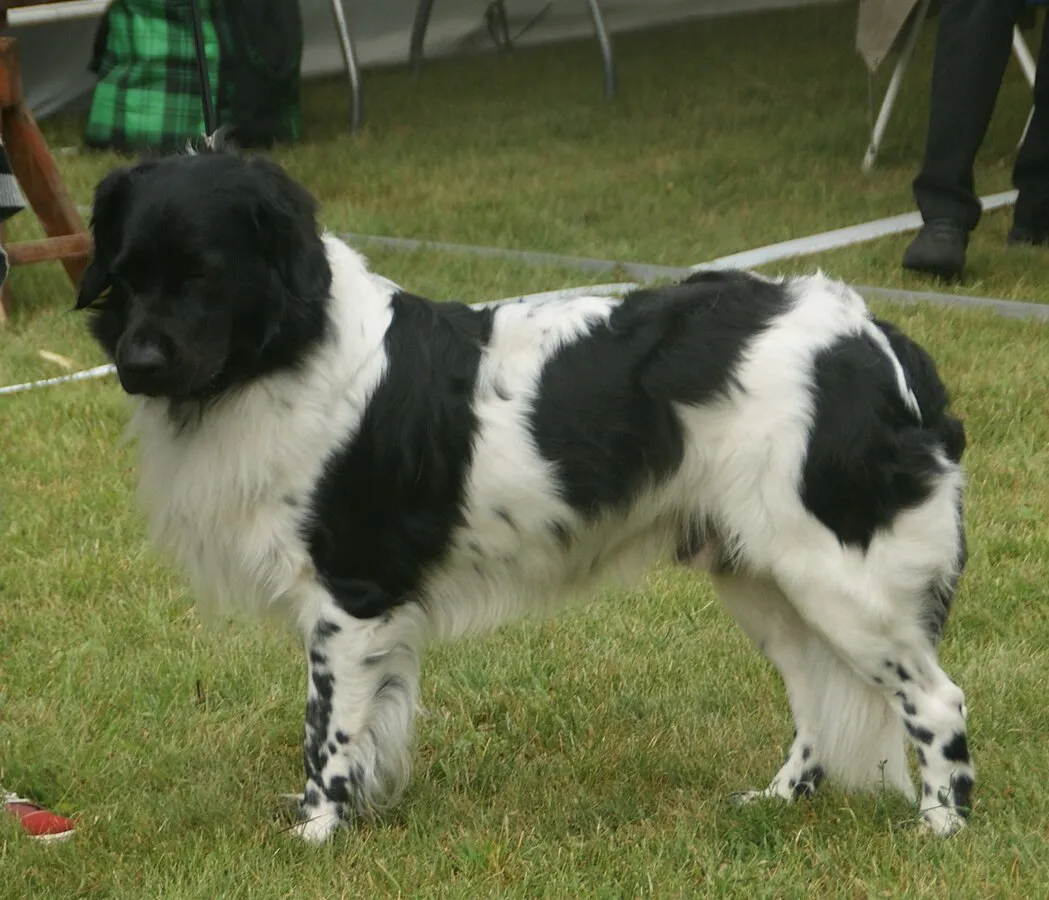
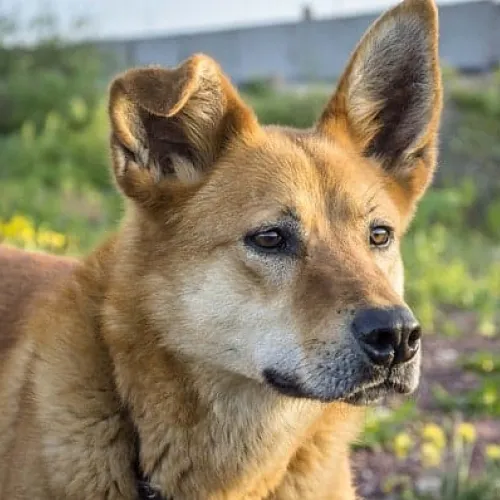
Stabyhoun (pronounced stah-bay-hoon) is the rarest dog breed worldwide, and it hails from Friesland in the Netherlands. Being bred as an all-around farm dog, the Stabyhoun was a dog that did everything, including property guarding, small game hunting, and even carting milk to small farmers.
This loyal, intelligent and Sensitive breed has existed since the early 1800s. Its name translates to “stand by me dog” in Frisian, and that affectionate name matches their close attachment to family.
The breed still remains a rare breed outside the Netherlands, yet it has slowly become popular due to its calm demeanour and multipurpose capabilities. The Dutch Kennel Club formally recognised the breed in 1942, and the breed was accepted into the AKC Foundation Stock Service in 2006.
How Long Do Stabyhouns Live?
Stabyhoun have a life span of 13-15 years with proper care.
Stabyhoun Temperament and Personality
Stabyhouns are even tempered and soft hearted.
They are:
- Friendly to children and other animals
- Faithful and vigilant, and hence good watchdogs
- Independent minds (who may be perceived as stubborn)
- Willing to please, particularly trained using positive reinforcement
They do well in homes that are able to provide mental and physical stimulation.
Characteristics
Barking
Quiet
Loud
Temperament with Kids
Aggressive
Friendly
Playfulness
Silent
Very Playful
Friendliness
Not Friendly
Super Friendly
Compatibility with other dogs
Aggressive
Friendly
Need for attention
Independent
Very Needy
Monthly Expenses


Shop or Adopt a Stabyhoun: Make the Right Choice!
Cost of buying
₹ 60,000 - ₹ 1,00,000
Stabyhoun is a charming, affectionate and devoted companion, distinguished by its unique appearance. When you adopt a Stabyhoun, you provide a loving home to a dog in need and bring a devoted friend into your life. Adoption helps support animal welfare and deters unethical breeding practices.
Best Practices to Follow While Shopping or Adopting a Stabyhoun
- Try shelters or breed-specific rescues like the Stabyhoun Rescue Network.
- Select breeders that provide health clearances and proper care.
- Their breathing issues make regular vet visits important.
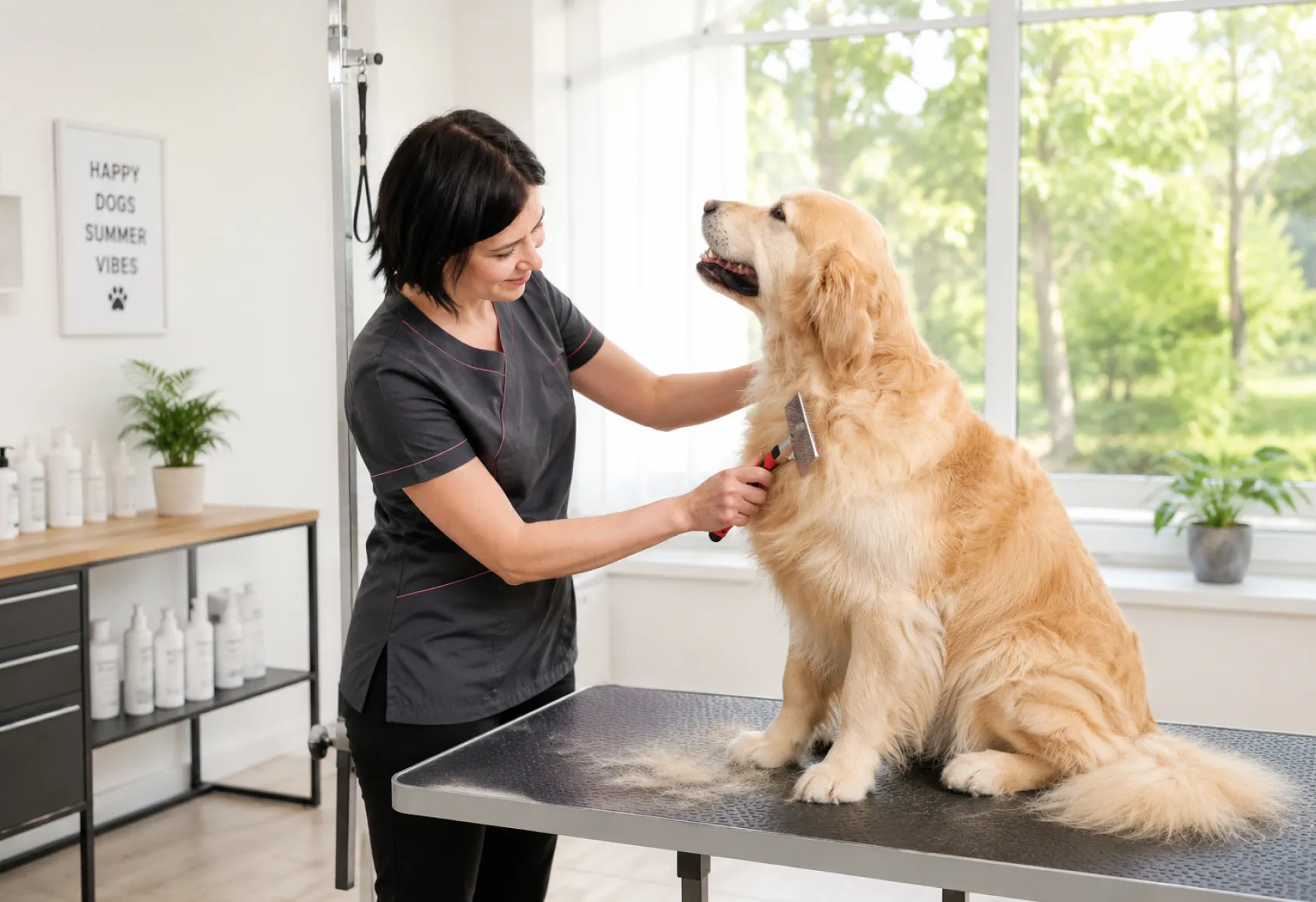
- Their thick coat requires constant brushing and care.
- Moderate activity helps prevent obesity.
- Stubbornness is curbed by early training and builds confidence.
- Ideal for apartments but sensitive to extreme temperatures.
- Handle with care, best for families with older children.
Prerequisites to pet a Stabyhoun
Access to Groomer
Access to Veterinary
Appropriate Climate
Lifestyle Compatibility
Financial Capability
Best Practices to Follow While Shopping or Adopting a Stabyhoun
- Try shelters or breed-specific rescues like the Stabyhoun Rescue Network.
- Select breeders that provide health clearances and proper care.
- Their breathing issues make regular vet visits important.
- Their thick coat requires constant brushing and care.
- Moderate activity helps prevent obesity.
- Stubbornness is curbed by early training and builds confidence.
- Ideal for apartments but sensitive to extreme temperatures.
- Handle with care, best for families with older children.
Nutrition Care for the Stabyhoun
Monthly Food Expenses
₹ 2,250 - ₹ 3,000
Calories per day
Puppies: 1400 kcal
Adults: 1600 kcal
Essential Nutrients
Carbohydrates
Protein
Fats
Fibre
Vitamins
Minerals
List of foods
Chicken
Dry Dog Food
Fresh Meat
Fresh Fish
Fruits
Mutton
Home made meals
Vegetables
- Stabyhoun need a balanced diet to support their size and coat.
- Include protein, healthy fats, carbs, vitamins, and minerals for strength and coat health.
- Avoid low-quality food to prevent deficiencies and weight gain.
- Adjust feeding based on age and activity level.
- Mix dry food with lean meats and vegetables for balanced nutrition.
Feeding Guidelines for Stabyhouns
Puppies (Up to 12 Months): Feed 3-4 meals daily. Large-breed puppy food is best for Stabyhouns. Avoid calcium overload to prevent joint issues.
Adults (1-7 Years): Feed 2 meals a day. A typical adult needs around 3 to 4 cups daily, based on weight and activity level.
Seniors (7+ Years): Switch to senior dog food. Focus on digestibility and joint support. Feed smaller, more frequent meals.
Breakdown of Macro-nutrients
Best Foods for Stabyhouns
- Royal Canin Medium Adult – balanced active dog food. Helps maintain energy, digestion and coat.
- Orijen Original – grain free and contains fresh meat ingredients. Excellent source of protein and general energy.
- Wellness Core RawRev – freeze dried raw meat with high protein. Brings flavour and nutrients with each bite.
- Taste of the Wild Pacific Stream – fish-based and easy to stomach. Highly suitable for dogs who have an allergy or digestive problems.
Foods to Avoid for Stabyhouns
Avoid anything with these ingredients
Alcohol
Almonds
Avocados
Cherries
Cinnamon
Coffee / Tea
Dairy
Fruit seeds
Garlic
Grapes
Lemon
Milk Products
Mushrooms
Onions
Salt
Sugar
Skip these foods completely:
- Chocolate, grapes, onions, garlic – highly toxic. Even minute doses are sufficient to result in severe health conditions or death.
- Xylitol-sweetened items – may lead to liver failure. Can be found in sugar free gums, candy and baked products.
- Fatty meats and fried foods – the risk of pancreatitis. May cause vomiting, pain and digestive discomfort.
- Cooked bones – can splinter and injure internally. It can cause intestinal damage or choking.


Healthcare for the Stabyhoun
Avg Monthly Expenses
₹ 600 - ₹ 1,200
Common Health Issues
Hip Dysplasia
Elbow dysplasia
Patellar Luxation
Skin Allergies
Ear Infections
Progressive Retinal Atrophy (PRA)
Cancer
Thyroid Disease
Well being
Exercise
Agility Training
Bonding
Games
Socialization
Energy Level
Medium
Exercise routine
60 - 90 minutes
Recognising Stress
Changes in appetite
Excessive Barking
Pacing
Excessive Panting
Reluctance to move
General Healthcare Tips for Stabyhouns
- Vet check-ups every year. Prevent health troubles before they get complicated.
- Early joint supplements. Promote the growth of bones and joints in young canines.
- Screening of breeding dogs against hip and elbow dysplasia. Avoids transmission of hereditary conditions to new litters.
- Dental care – brush once a week and consider dental chews. Keeps teeth clean and prevents gum disease.
- Heart health checks – particularly in the case of Patent Ductus Arteriosus (PDA). This condition can be managed through early detection.
Common Health Problems of Stabyhouns
- Hip Dysplasia – malformed joint development. May result in pain, limping, and arthritis with time.
- Elbow Dysplasia – similar joint issues in the elbow. Causes lameness and stiffness of the forelimbs.
- PDA (Patent Ductus Arteriosus) – Congenital heart disorder. Demands prompt diagnosis and, in many cases, surgery.
- Epilepsy – usually occurs between the ages of 3-5. Induces seizures, which must be treated throughout life.
Vaccination details
Growth Stage
Core Vaccines
6-8 Weeks
Distemper, Parvovirus, Adenovirus (Canine Hepatitis)
10-12 Weeks
Distemper, Parvovirus, Adenovirus (Canine Hepatitis)
14-16 Weeks
Distemper, Parvovirus, Adenovirus (Canine Hepatitis)
12-16 Weeks
Leptospirosis (if recommended based on risk)
Annually
Booster for Distemper, Parvovirus, Adenovirus
Senior Stabyhoun Care
- Joint-friendly walks. Helps them stay active and not overwork their old bodies.
- Orthopaedic bedding. Offers relaxation and doesn't strain joints.
- See the vet twice a year. Aids in checking age-related developments early on.
- Low-calorie senior diet with increased joint support. Enhances movement and discourages weight gain.
- Toys such as puzzles stimulate their minds. Cognitive decline can be reduced by mental stimulation.
Stabyhoun Grooming Routine
Avg Monthly Expenses
₹ 700 - ₹ 1,200
Shedding Level
Moderate Shedding
Hygienic Checklist
Brushing
Bathing
Ear Cleaning
Nail Trimming
Eye Care
Teeth Care
Benefits of Grooming
Cleanliness
Low Shedding
Odourless
Prevents infections
Quality of life
Prevents Bad Breath
- Brushing: 2–3 times a week, daily during shedding season
- Bathing: Every 2–3 months or when dirty
- Nail trimming: Every 3–4 weeks
- Ear cleaning: Weekly to prevent buildup
- Never shave: Double coat regulates temperature



Frequently Asked Questions
Are Stabyhouns good with kids and other pets?
Yes, they are gentle, patient, and they grow well in a family set up when they are socialised well.
2. Do they bark a lot?
They will warn you about strangers, but they are not too enthusiastic barkers.
3. Are Stabyhouns hard to train?
They are smart and self reliant. The best way is to use positive reinforcement and patience.
4. How rare is the breed?
Extremely limited in number, with less than 7,000 in the world, making them one of the rarest types of dogs.