Home
/
Dog Breeds
/
Scottish Deerhound
Scottish Deerhound
Origin
Scotland
Size
Giant Breed
Ideal Space
House with backyard
Ideal Weather
10Âș-25ÂșC
Life Expectancy
8-11Â years
Cost of buying
âč 4,00,000 - âč 7,00,000
Top 5 Traits
Athletic
Loyal
Intelligent
Playful
Protective
Avg Monthly Expenses
âč 5,700 - âč 8,550


by Happy Pet TeamUpdated on 14 Sept 2025
Meet the Scottish Deerhound: The Gentle Giant of the Dog World
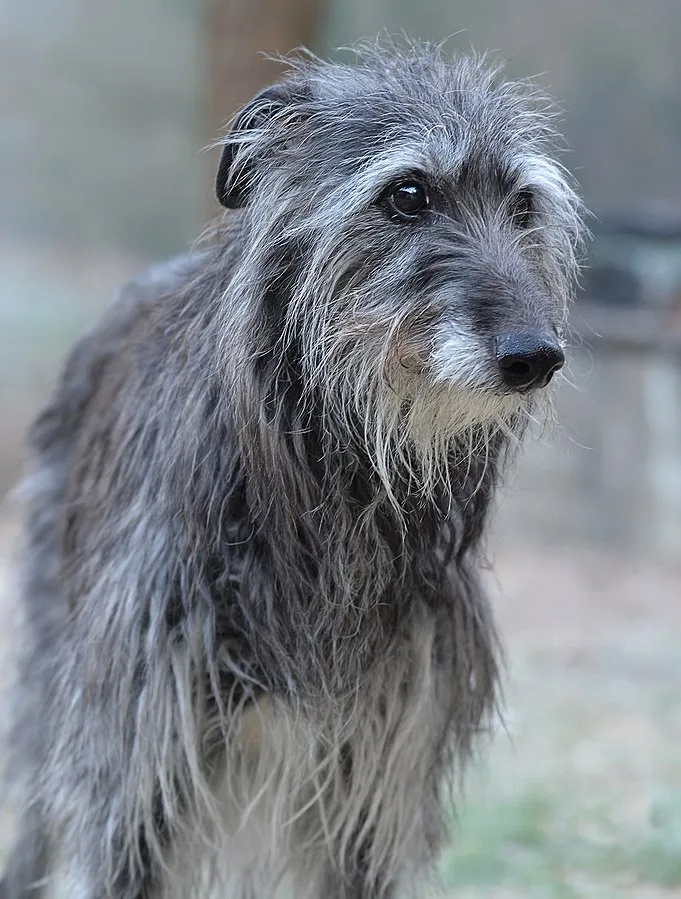
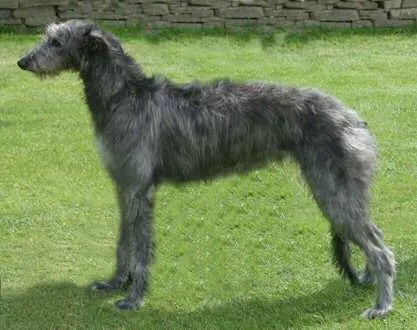
The Scottish Deerhound is often called the âRoyal Dog of Scotland,â and for good reason. With their tall, elegant frame, wiry coat, and calm, dignified nature, theyâre like Greyhounds in spirit but built for strength and endurance. In India, theyâre rareâusually imported at a high costâbut families who bring one home quickly discover a gentle, affectionate giant who thrives on companionship and open spaces.
Despite their hunting ancestry, Deerhounds are surprisingly low-key indoors. Theyâll happily stretch out on your sofa after a short run, which makes them far more adaptable than their size suggests. Families in Indian metros with access to large terraces or gated community lawns sometimes find them a good fit, while farmhouse owners love their grace and loyalty.
How Long Do Scottish Deerhounds Live?
The bittersweet truth about giant breeds is their shorter lifespan. According to PetMD, Scottish Deerhounds typically live 8â11 years. Theyâre generally healthy but can be prone to heart disease and bloat, conditions that require extra vigilance in Indian climates where heat can worsen health stressors. Regular vet check-ups and a diet tailored to large breeds are essential.
Temperament & Personality
With family:
Deerhounds are known for their ânoble calm.â At home, theyâre affectionate but not clingyâtheyâll follow you from room to room in a Bengaluru apartment or lounge at your feet in a Delhi farmhouse. They thrive when included in daily family life and donât do well in kennels or being left alone for long hours.
With kids:
These gentle giants are usually patient with children, especially school-aged kids. Their size, however, means they can accidentally knock over toddlers during play. In India, where space can be limited indoors, itâs best to supervise interactions and teach kids not to tug at their wiry coat or long tail.
With strangers:
Scottish Deerhounds are polite but reserved. Expect a quiet, observant dog rather than a watchdogâtheyâre more likely to greet your guests with calm curiosity than loud barking. With early socialisation, they do well around visitors in Indian households where guests are frequent.
Training:
Deerhounds are sensitive souls. As DogTime notes, they respond best to gentle, reward-based training. Harsh corrections shut them down. Indian pet parents should focus on recall training especially, because once a Deerhound spots a stray cat, squirrel, or even a pigeon, their prey drive can take over.
Energy levels:
Donât be fooled by their athletic buildâthese dogs are sprinters, not marathoners. They need one good burst of exercise a day, like a long walk or a short run in a safe, enclosed area. Without it, they may become restless. In crowded Indian neighborhoods, two calm walks plus indoor play often keep them content.
Apartment vs. Farmhouse Life in India
In Apartments (Mumbai, Bengaluru, Hyderabad):
Itâs not impossible, but challenging. A Deerhound can adjust to flat living if thereâs access to secure outdoor space for daily runs. Large balconies or nearby dog-friendly parks are a must. Families should also be ready for curious staresâan enormous Deerhound in an Indian apartment complex is a head-turner!
In Farmhouses or Suburban Homes:
This is their dream life. With more space to stretch their long legs, they flourish. If you have land in places like Gurgaonâs outskirts or Goaâs countryside, a Deerhound will reward you with their easy companionship. Just ensure fencingâthese hounds are chasers at heart.
Climate Considerations in India
Hot cities (Delhi, Chennai, Kolkata):
The Indian summer can be tough on Deerhounds. Their size and wiry coat make them prone to heat stress. Always exercise them at dawn or dusk, keep them indoors with fans or AC during peak hours, and provide constant access to water. Avoid strenuous activity during AprilâJune heatwaves.
Hill stations (Ooty, Shimla, Coorg):
Cooler climates are ideal for Deerhounds. Youâll notice theyâre more playful, willing to walk longer trails, and generally happier outdoors. Hill-station families or those who vacation regularly in cooler spots find this breed thrives in such settings.
Monsoons:
Their wiry coat sheds water better than long-feathered breeds, but humidity can still cause skin infections. After every rainy walk, towel them dry thoroughly, especially between toes. Ear care is also important in damp conditions to prevent fungal buildup.
Shedding:
Deerhounds are moderate shedders. Weekly brushing keeps their rough coat in good condition and reduces hair on sofas and floors. During seasonal sheds, brushing 2â3 times a week is ideal for Indian homes, where shedding can be noticeable on light-colored marble floors.
Characteristics
Barking
Quiet
Loud
Temperament with Kids
Aggressive
Friendly
Playfulness
Silent
Very Playful
Friendliness
Not Friendly
Super Friendly
Compatibility with other dogs
Aggressive
Friendly
Need for attention
Independent
Very Needy
Monthly Expenses


Lifespan & Price in India
Cost of buying
âč 4,00,000 - âč 7,00,000
Scottish Deerhounds are true giants, and like many large breeds, their lifespan is shorterâusually around 8â11 years with proper care. They are extremely rare in India and almost always need to be imported.
Prices can go upwards of âč4â7 lakhs, depending on the breeder and import process. Families considering this breed must also prepare for the higher monthly costs of feeding and medical care, which are significantly more than for medium breeds.
Exercise Needs
Deerhounds were bred for coursing deer in Scotland, which means they are built for sprints and lounging rather than endless stamina. Donât be fooled by their sizeâtheyâre often called âgentle giantsâ because they love sprawling on sofas just as much as they love running.
Daily Activity
Plan for 60â90 minutes of daily exercise, but break it into cooler morning and evening sessions if you live in hot cities like Hyderabad or Ahmedabad. Midday walks in Indian summers can lead to overheating.
Outdoor Play
If you live in a farmhouse or a gated community, Deerhounds will adore sprinting in a safe, fenced area. Always supervise, since their prey drive can kick in if they spot stray cats or birds. Carry water during outdoor play, especially in MayâJune heat.
Mental Stimulation
Bored Deerhounds may not get destructive like smaller working breeds, but they can mope or get lazy. Puzzle feeders, obedience refreshers, or short lure-chasing games help keep them sharp. In apartments, games like scent trails with treats are a great way to engage them.
Prerequisites to pet a Scottish Deerhound
Access to Veterinary
Appropriate Climate
Lifestyle Compatibility
Financial Capability
Space and Environment
Shop or Adopt a Scottish Deerhound in India
If youâre serious about bringing home a Deerhound, research is key:
- Health clearances: Ask for hip, heart, and bloat-related screenings, as these are common issues in giant breeds.
- Responsible breeders: Only deal with breeders who raise puppies indoors with families, not in kennels. Socialization is vital for a large, sensitive breed.
- Documentation: Ensure you get KCI/FCI pedigree papers and up-to-date vaccination records.
Adoption within India is practically unheard of, but international breed-specific rescues sometimes list Deerhounds. If importing, prepare for quarantine, vet checks, and most importantly, helping them adjust to Indiaâs hotter climate with air conditioning, shaded areas, and plenty of hydration.
Nutrition for Scottish Deerhounds in India
Monthly Food Expenses
âč 3,000 - âč 4,500
Calories per day
Puppies:Â 2500 kcal
Adults:Â 2000 kcal
Essential Nutrients
Protein
Fats
Carbohydrates
Fibre
Vitamins
Minerals
List of foods
Dry Dog Food
Fresh Meat
Fresh Fish
Vegetables
Chicken
Home made meals
The Scottish Deerhound may look like a lanky Greyhound cousin, but beneath that wiry frame lies a sensitive giant who depends heavily on the right nutrition. Since theyâre prone to bloat, heart issues, and shorter lifespans, what you put in their bowl can make a big difference to their health and comfort, especially in Indiaâs hot climate.
These dogs donât need mountains of food despite their size. What they need is balanced, nutrient-dense meals that keep their joints strong, digestion smooth, and weight under control.
Protein: Lean Muscle for a Lean Giant
Deerhounds were bred to chase deer across Scottish moors, but in India, their exercise is usually gentler, walks in gated parks or short sprints on farmhouse lawns. They still need quality protein to maintain lean muscle without overloading their stomach. As DogTime notes, too much fatty or heavy meat can worsen bloat risk.
India-friendly protein picks:
- Boiled chicken (skinless, unspiced) for daily meals.
- Freshwater fish like rohu or basa for easy-digesting omega-rich protein.
- Eggs (boiled or scrambled without oil) 2â3 times a week.
- Lamb or mutton only in cooler months or hill stations, and in moderationâitâs heavy for hot, humid cities.
Split protein into 2â3 smaller meals daily rather than one big serving. It helps reduce bloat risk.
Healthy Fats: Protecting Coat, Skin & Joints
Their rough, wiry coat can get dry in Indiaâs dusty heat, and big joints need extra care. As Hillâs Pet Nutrition points out, omega fatty acids support skin health, joint function, and even heart wellness.
Simple Indian add-ins:
- 1 tsp coconut oil in meals for digestion + coat health.
- Cooked sardines once a week for natural omega-3s.
- Vet-approved fish oil supplements in summer to ease joint stiffness.
Carbohydrates: Steady Energy, Not Excess Weight
Scottish Deerhounds are sprinters, not marathoners. Too many carbs make them sluggish and overweight, stressing their heart and hips. In India, where exercise is limited by heat, carbs must be carefully portioned.
Best carb sources:
- Oats or daliya (broken wheat) for steady energy.
- Red or brown rice in small amounts.
- Pumpkin, sweet potato, bottle gourd, and carrots for fiber + hydration.
Avoid chapatis or heavy grainsâthey can bloat Deerhoundsâ sensitive stomachs.
Vitamins & Minerals: Supporting Heart, Bones & Immunity
Giant breeds age faster, so you need to start preventive care early. According to PetMD, Deerhounds are prone to bone and heart issues. Micronutrients play a big role here.
Easy Indian boosters:
- Steamed spinach, beans, peas, and carrots mixed into meals.
- Vet-guided calcium during puppy growth stages (over-supplementation can harm joints).
- Glucosamine and chondroitin for seniors to protect mobility.
Feeding Guidelines for Scottish Deerhounds
- Puppies (2â12 months): 3â4 small meals daily with medium/large-breed puppy kibble or home-cooked meals (chicken + rice + pumpkin).
- Adults (1â6 years): 2 meals daily. Breakfast lighter (curd rice with veggies), dinner protein-rich (chicken/fish + pumpkin + oats).
- Seniors (7+ years): Softer mealsâscrambled eggs, fish with rice, well-cooked veggies. Add supplements only under vet guidance.
- Never exercise your Deerhound right before or after meals, this greatly reduces the risk of bloat.
Breakdown of Macro-nutrients
Best Foods for Scottish Deerhounds in India
Premium kibble options (large-breed formulas):
- Farmina N&D Ancestral Grain Large
- Royal Canin Giant Breed Adult
- Hillâs Science Diet Large Breed
Balanced home-cooked combos:
- Chicken + pumpkin + spinach + oats
- Sardines + sweet potato + beans
- Egg + daliya + carrots
Healthy treats: Apple slices, cucumber sticks, plain curd, or carrot sticks.
Hydration: Always keep fresh water accessible. In summer, add a little coconut water (unsweetened) for electrolytes.
Never feed these foods to Scottish Deerhound
Avoid anything with these ingredients
Alcohol
Avocados
Cherries
Cinnamon
Coffee / Tea
Dairy
Fruit seeds
Grapes
Lemon
Milk Products
Mushrooms
Onions
Salt
Sugar
Deerhoundsâ size may tempt you to share leftovers, but their sensitive digestion makes many Indian foods a no-go.

- Toxic foods: Chocolate, grapes, raisins, garlic, onions, xylitol.
- Fried/oily snacks: Pakoras, samosas, bhujia, jalebis.
- Unsafe meats: Sausages, rawhide chews, cooked bones.
- Sugary treats: Mithai, cakes, ice cream â obesity + dental issues.
- Caffeine/alcohol: Tea, coffee, beer, wine.
- Dairy overload: A spoon of curd is fine; avoid milk or butter.
- Street food: Chaat, fried rice, pav bhajiâtasty for us, tough for their tummy.

Health
Avg Monthly Expenses
âč 1,500 - âč 2,250
Common Health Issues
Bloat
Heartworm
Hip Dysplasia
Panosteitis
Parasites
Rabies
Lyme disease
Canine distemper
Well being
Exercise
Bonding
Games
Socialization
Hiking
Agility Training
Energy Level
High
Exercise routine
60 - 90 minutes
Recognising Stress
Changes in appetite
Excessive Barking
Pacing
Reluctance to move
Increased laziness
Excessive Panting
Medical Care
Common Health Concerns
Bloat (Gastric Dilatation-Volvulus)
The Scottish Deerhound is one of the giant breeds most at risk for bloat, a sudden and life-threatening condition where the stomach twists. According to PetMD, feeding one large meal or exercising right after eating increases the risk. In India, where many families prefer one heavy evening meal, this habit can be dangerous. Instead, split food into 2â3 smaller meals and always allow at least an hourâs gap between eating and exercise. Watch for signs like drooling, restlessness, or a swollen bellyâthese require immediate vet care.
Heart Disease
Like many sighthounds, Deerhounds are prone to dilated cardiomyopathy (DCM). Regular heart screenings are recommended by DogTime. In Indian cities with high pollution levels, like Delhi or Mumbai, keep exercise moderate and avoid long runs in poor air quality. Early signs like coughing, fainting, or unusual fatigue during walks should prompt a vet visit.
Bone & Joint Concerns
Being tall and fast-growing, Deerhounds can develop orthopedic issues such as osteosarcoma and hip dysplasia. Slippery marble and tiled floors common in Indian homes make matters worse. Place rugs or yoga mats in walking paths to prevent slips. For puppies, limit stair climbing until their bones mature, and for adults, avoid over-exercising in peak summer heat when joints are already under stress.
Eye Issues
Deerhounds can inherit progressive retinal atrophy (PRA), which gradually affects vision. Indiaâs dust, pollen, and strong sunlight can irritate their eyes further. If you notice squinting, cloudiness, or bumping into furniture, consult your vet. At home, use curtains or shaded spots indoors to reduce glare during hot afternoons.
Skin & Coat Sensitivity
Their rough coat may look low-maintenance, but in Indiaâs humid cities (like Chennai or Kolkata), fungal infections and hotspots can flare up. Always dry them well after rainy walks, and brush weekly to prevent matting. If you notice a musty smell or itching, schedule a vet check quickly.
Dental Concerns
Giant breeds arenât exempt from tartar buildup. With dental chews often expensive in India, brushing 2â3 times a week with dog-safe toothpaste and offering crunchy veggies like carrots or cucumber makes for a practical alternative.
General Indian Home Care
- Vet Visits: For young Deerhounds, yearly checkups are fine, but from age 5 onwards (they age faster than smaller breeds), aim for biannual visits including heart scans, joint checks, and dental care.
- Weight Control: Though slim by nature, Deerhounds can still gain unhealthy weight in sedentary Indian households. Obesity worsens heart and joint issues, so avoid feeding them heavy leftovers like biryani or rotis. Stick to lean proteins and controlled portions.
- Heat & Humidity Management: Built for Scotlandâs chill, Deerhounds struggle in Indian summers. Restrict walks to early mornings and evenings, provide AC or fans indoors, and always keep fresh water handy. A cooling mat is a good investment.
- Parasite Protection: Their wiry coat can hide ticks easily. Regular preventive treatments are non-negotiable, especially in monsoon-prone areas like Goa, Bengaluru, or Kerala.
Vaccination details
Growth Stage
Core Vaccines
6-8 Weeks
Distemper, Parvovirus, Hepatitis, Parainfluenza
10-12 Weeks
DHPP (Distemper, Hepatitis, Parvovirus, Parainfluenza)
14-16 Weeks
DHPP, Rabies
Annually
DHPP, Rabies
Recommendations to care for senior Scottish Deerhound dogs
Scottish Deerhounds are considered seniors earlier than many breeds because of their shorter lifespan. With age, health monitoring becomes even more critical.
- Heart Monitoring: Annual or biannual echocardiograms are ideal for catching early signs of cardiomyopathy. Watch for fatigue or fainting spells.
- Joint Support: Use orthopedic bedding, add glucosamine and omega-3 supplements (with your vetâs approval), and replace long runs with gentle walks. Rugs on smooth floors prevent painful slips.
- Diet Adjustments: Switch to easily digestible, lower-calorie mealsâthink boiled fish, chicken with pumpkin, or senior kibble like Hillâs or Royal Canin. Softer meals are gentler on aging teeth.
- Vision & Ear Health: Older Deerhounds may experience PRA or cataracts. Weekly checks for cloudiness, discharge, or odor help you catch issues early.
- Comfort & Safety: Provide shaded resting areas in summer and cozy bedding in winter. Limit stair use and ensure their environment is calmâloud noises can stress older Deerhounds.
Similar Breeds
Grooming
Avg Monthly Expenses
âč 1,200 - âč 1,800
Shedding Level
Moderate Shedding
Hygienic Checklist
Brushing
Ear Cleaning
Nail Trimming
Teeth Care
Bathing
Eye Care
Benefits of Grooming
Cleanliness
Prevents Bad Breath
Prevents infections
Quality of life
Odourless
Low Shedding
The Scottish Deerhound may look like a giant shaggy wolf, but surprisingly, their wiry coat is one of the easiest to manage among large breeds. They donât have the heavy feathering of spaniels or the dense undercoat of huskies, which makes upkeep simpler. Still, Indiaâs mix of dust, pollution, and heat means theyâll need regular TLC to stay comfortable.

Brushing
Deerhounds shed moderately, and their rough coat can trap dust and pollen in Indian cities like Delhi or Bengaluru. A good brushing once or twice a week with a slicker brush is usually enough. During shedding seasons (pre-summer and post-monsoon), increase brushing to avoid tufts of fur flying around your home. Behind the ears and along the belly are common tangle spots, so give those areas extra attention.
Bathing
According to PetMD, Deerhounds donât need frequent bathsâonce every 6â8 weeks is plenty unless theyâve rolled in mud. In Indian summers, you can wipe them down with a damp cloth or use a mild, vet-approved dry shampoo between baths. Always dry their coat well, especially during monsoons in places like Mumbai, since damp fur can lead to skin infections.
Ears & Nails
Unlike floppy-eared breeds, Deerhounds have thinner, high-set ears, which lowers the risk of infection. Still, Indiaâs humidity can cause occasional irritation, so a quick weekly check with a dog-safe ear cleaner is smart. Their nails donât wear down naturally on smooth Indian flooring (marble/tile), so trim every 3â4 weeks to prevent slipping accidents.
Teeth
Like most large breeds, Scottish Deerhounds can suffer from dental buildup. VCA Hospitals notes dental disease as one of the most common canine health issues. Since dental chews can be expensive in India, brushing with dog-safe toothpaste 2â3 times a week and adding crunchy foods like raw carrots works well.


Written by
Happy Pet TeamAuthor
Team Happy Pet is a passionate collective of pet experts, enthusiasts, and advocates dedicated to sharing trusted and insightful content.
Our contÂ
Compare with similar breeds
Frequently Asked Questions
Are Scottish Deerhounds easy to train?
Scottish Deerhounds are intelligent dogs but may have an independent streak, which can make training a bit challenging. Consistent, positive reinforcement-based training methods and early socialization are key to their development.
How big do Scottish Deerhounds get?
Scottish Deerhounds are a large breed, with males typically standing between 30 to 32 inches tall at the shoulder and females slightly smaller. They can weigh between 75 to 110 pounds (34 - 50 Kgs).
Are Scottish Deerhounds good with children and other pets?
Scottish Deerhounds are generally good with children and can be quite gentle and patient with them. However, as with any large breed, supervision is recommended to prevent accidental injuries due to their size. With proper socialization, they can also get along well with other pets.