
Home
/
Dog Breeds
/
Leonberger
Leonberger
Origin
Germany
Size
Giant Breed
Ideal Space
House with Farm Area
Ideal Weather
10º-25ºC
Life Expectancy
8-10 years
Cost of buying
₹ 3,50,000 - ₹ 6,00,000
Top 5 Traits
Lazy
Protective
Playful
Intelligent
Friendly
Avg Monthly Expenses
₹ 5,700 - ₹ 8,550

by Happy Pet TeamUpdated on 31 Aug 2025
Meet the Leonberger: A Gentle Giant with a Lion’s Look
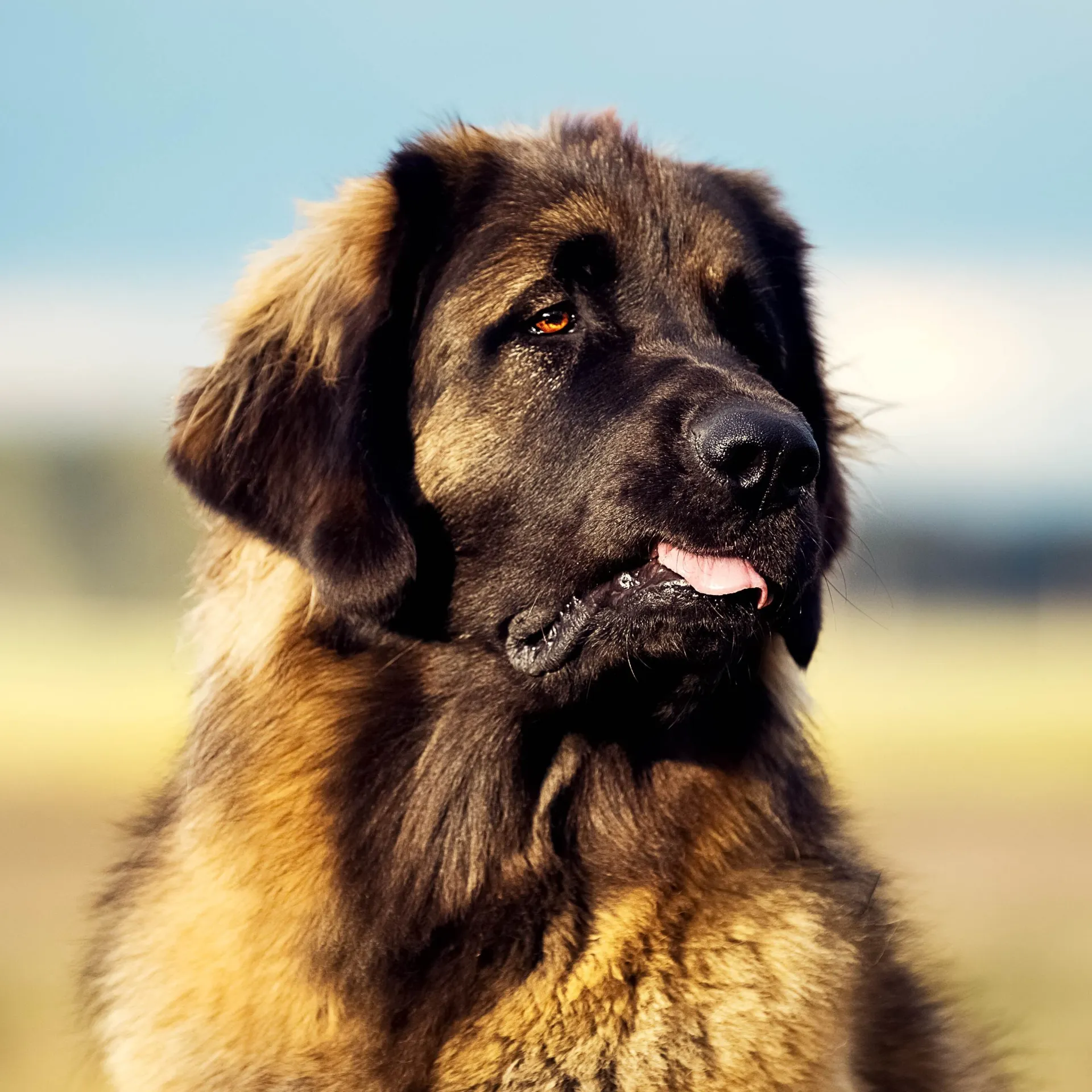
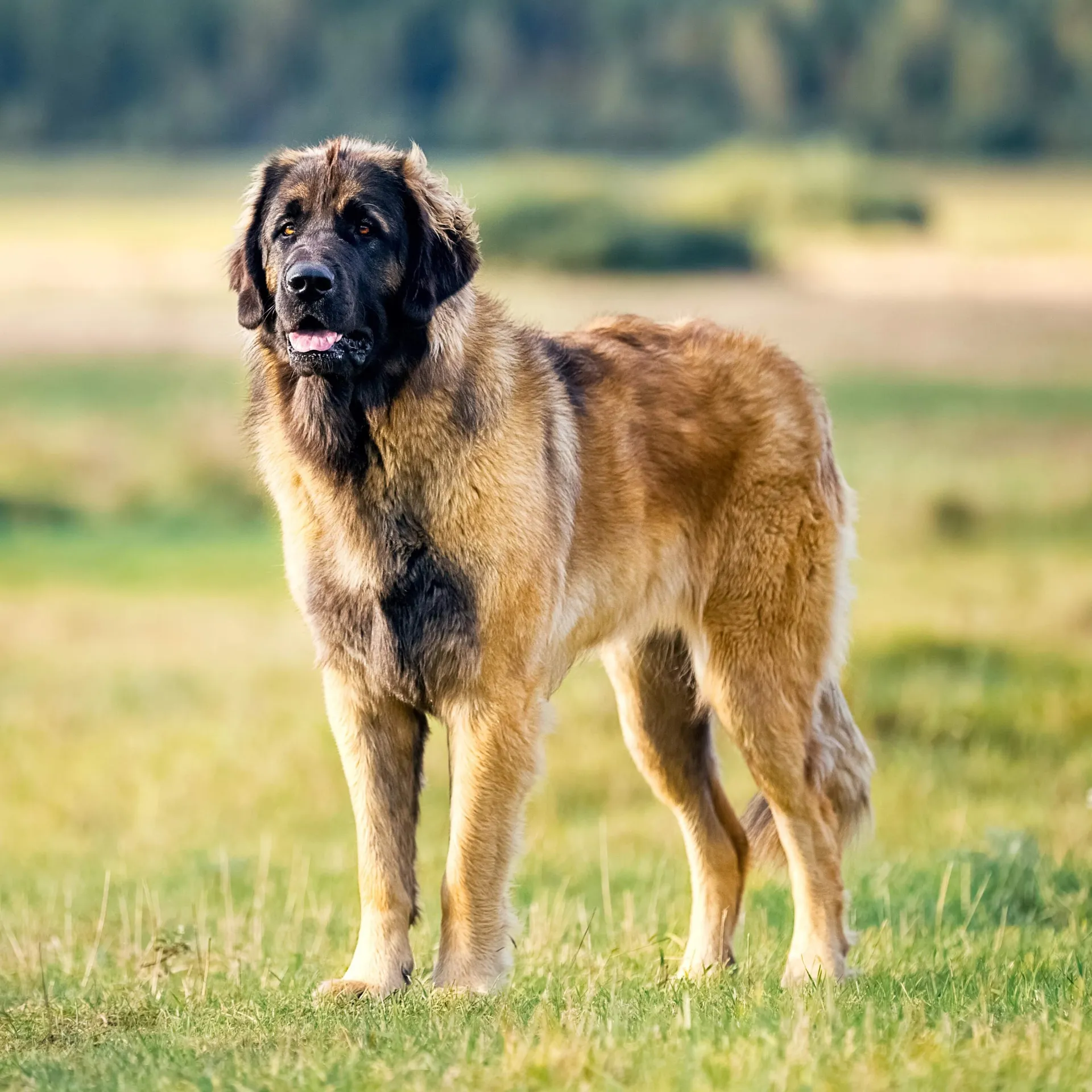
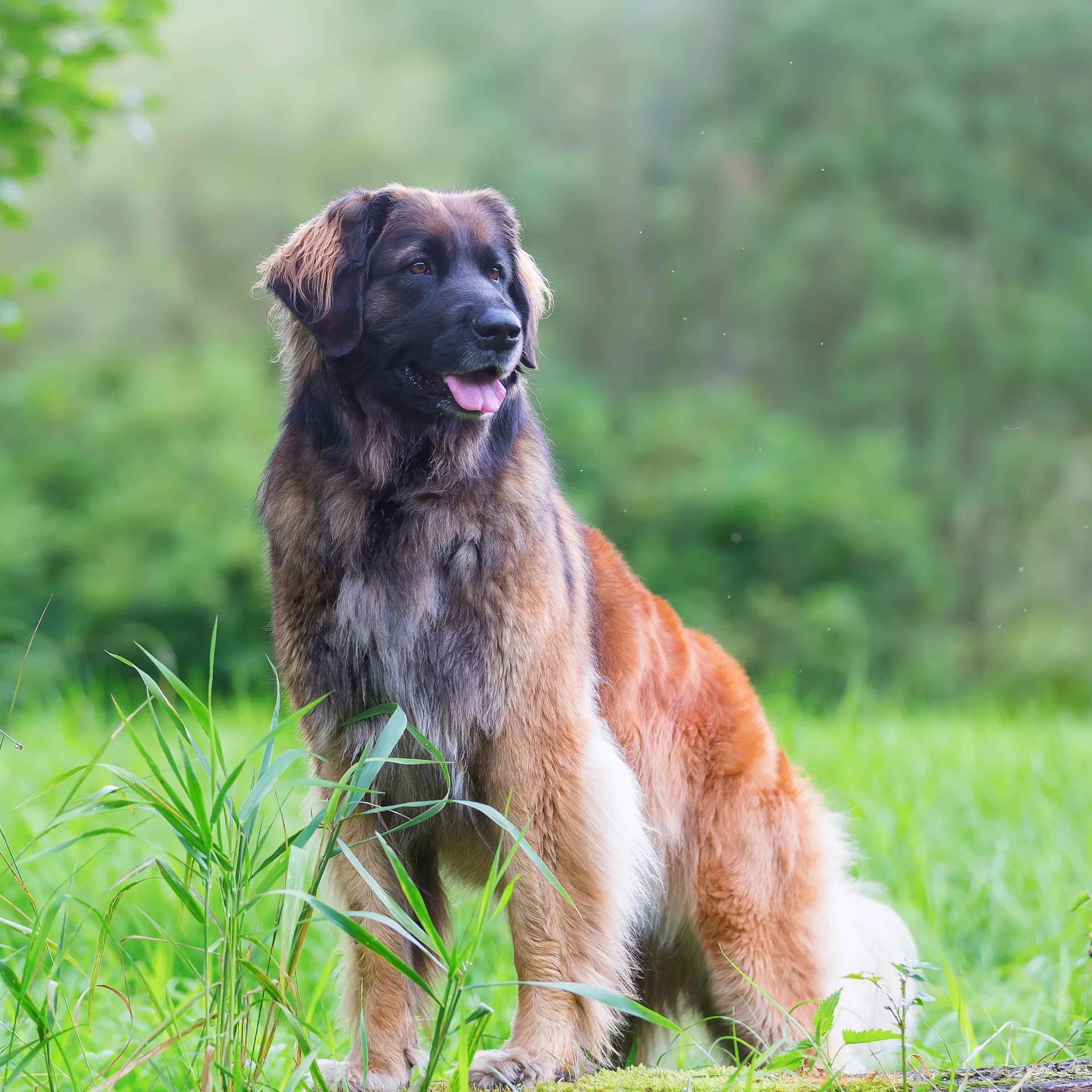
The Leonberger, often nicknamed the “Leo”, is one of the world’s true gentle giants. Originating in 19th-century Germany, this giant breed was developed by crossing Saint Bernards, Newfoundlands, and Great Pyrenees to create a dog as majestic as a lion, complete with a striking black mask and long golden coat. The American Kennel Club describes the Leonberger as powerful yet surprisingly graceful, a family-oriented giant who thrives on companionship.
Characteristics
Barking
Quiet
Loud
Temperament with Kids
Aggressive
Friendly
Playfulness
Silent
Very Playful
Friendliness
Not Friendly
Super Friendly
Compatibility with other dogs
Aggressive
Friendly
Need for attention
Independent
Very Needy
Monthly Expenses


Lifespan & Price in India
Cost of buying
₹ 3,50,000 - ₹ 6,00,000
Leonbergers typically live 8–10 years, and some reach 11–12 with excellent care.
Prerequisites to pet a Leonberger
Access to Groomer
Access to Veterinary
Appropriate Climate
Lifestyle Compatibility
Financial Capability
Shop or Adopt a Leonberger in India
- Adoption: In India, adoption options for Leonbergers are almost nonexistent, but sometimes large-breed rescues or international relocation efforts list them. Keep an eye on NGOs and breed-specific groups.
- Buying from Breeders: If purchasing, always ask for:
- Health clearances for hips, elbows, eyes, and heart (Leonbergers are prone to issues in all four).
- Puppies raised in home environments, not kennels.
- Socialization exposure—Leonbergers must get used to people, noises, and other pets early.
Nutrition Care for Leonbergers in India
Monthly Food Expenses
₹ 3,000 - ₹ 4,500
Calories per day
Puppies: 2000 kcal
Adults: 2200 kcal
Essential Nutrients
Protein
Fats
Carbohydrates
Fibre
Vitamins
Minerals
List of foods
Chicken
Dry Dog Food
Fresh Meat
Fresh Fish
Mutton
Home made meals
Vegetables
Leonbergers may look like fluffy giants, but under all that coat is a powerful, athletic dog that needs the right fuel to stay healthy. Originally bred as working companions in Germany, they thrive on a diet that supports joint strength, lean muscle, and coat health. The American Kennel Club emphasizes that balanced nutrition is essential to keeping these gentle giants active and happy.
Breakdown of Macro-nutrients
Best Foods for Leonbergers in India
- Premium Kibble: Royal Canin Giant Breed, Orijen Large Breed, Farmina N&D Ancestral Grain, Acana Large Breed, Hill’s Science Diet Large Breed.
- Home-Cooked Meals: Chicken + pumpkin + spinach + rice; Sardines + sweet potato + beans; Egg + oats + carrots; Paneer (moderation) + ragi porridge + peas.
- Healthy Treats: Carrot sticks, apple slices (no seeds), cucumber, unsweetened curd, or homemade chicken jerky.
Never feed these foods to Leonberger
Avoid anything with these ingredients
Alcohol
Almonds
Avocados
Cherries
Cinnamon
Coffee / Tea
Dairy
Fruit seeds
Garlic
Grapes
Lemon
Milk Products
Mushrooms
Onions
Salt
Sugar
Even though they’re sturdy, Leos should never be given:


Health
Avg Monthly Expenses
₹ 1,500 - ₹ 2,250
Common Health Issues
Hip Dysplasia
Elbow dysplasia
Bloat
Heart Disease
Skin Allergies
Cancer
Progressive Retinal Atrophy (PRA)
Thyroid Disease
Well being
Exercise
Agility Training
Bonding
Games
Socialization
Energy Level
Medium
Exercise routine
60 - 90 minutes
Recognising Stress
Changes in appetite
Excessive Barking
Pacing
Excessive Panting
Reluctance to move
Increased laziness
Healthcare for Leonbergers in India
The Leonberger may look like a gentle lion with its massive frame and flowing mane, but like all giant breeds, they come with their own set of health challenges. With proper care, these affectionate dogs typically live 8–10 years, and some reach 11–12 years with excellent management. For Indian pet parents, being proactive with healthcare—especially joint support, heart health, and climate management—is the key to keeping your Leo thriving.
Vaccination details
Growth Stage
Core Vaccines
6-8 Weeks
Distemper, Parvovirus, Adenovirus (DHPP)
10-12 Weeks
DHPP (Booster), Leptospirosis
14-16 Weeks
DHPP (Final), Rabies
12-16 Weeks
Lyme Disease (optional)
Anually
DHPP, Rabies (as required by law)
Recommendations to care for senior Leonberger dogs
By age 7, Leonbergers are considered seniors, though many remain playful and loving. To make their golden years comfortable:
Grooming Routine for Leonbergers in Indian Homes
Avg Monthly Expenses
₹ 1,200 - ₹ 1,800
Shedding Level
High Shedding
Hygienic Checklist
Bathing
Brushing
Ear Cleaning
Nail Trimming
Eye Care
Teeth Care
Benefits of Grooming
Cleanliness
Low Shedding
Odourless
Prevents Bad Breath
Prevents infections
Quality of life
The Leonberger’s most iconic feature is its luxurious double coat—a dense undercoat with a long, flowing outer coat that makes them look like lions. But beauty comes with responsibility! According to the AKC, Leonbergers shed year-round, with heavy seasonal shedding twice a year.


Written by
Happy Pet TeamAuthor
Team Happy Pet is a passionate collective of pet experts, enthusiasts, and advocates dedicated to sharing trusted and insightful content.
Our cont
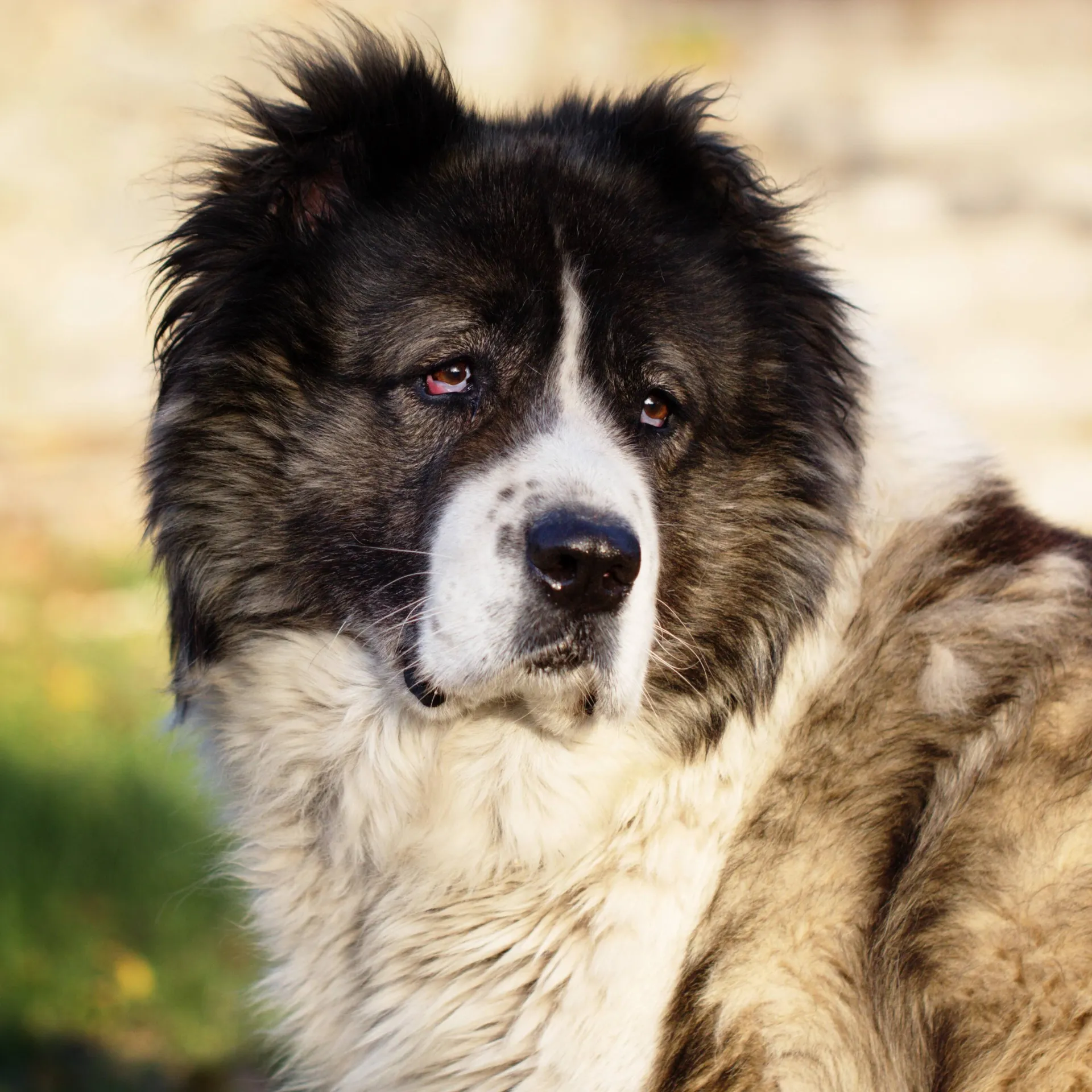
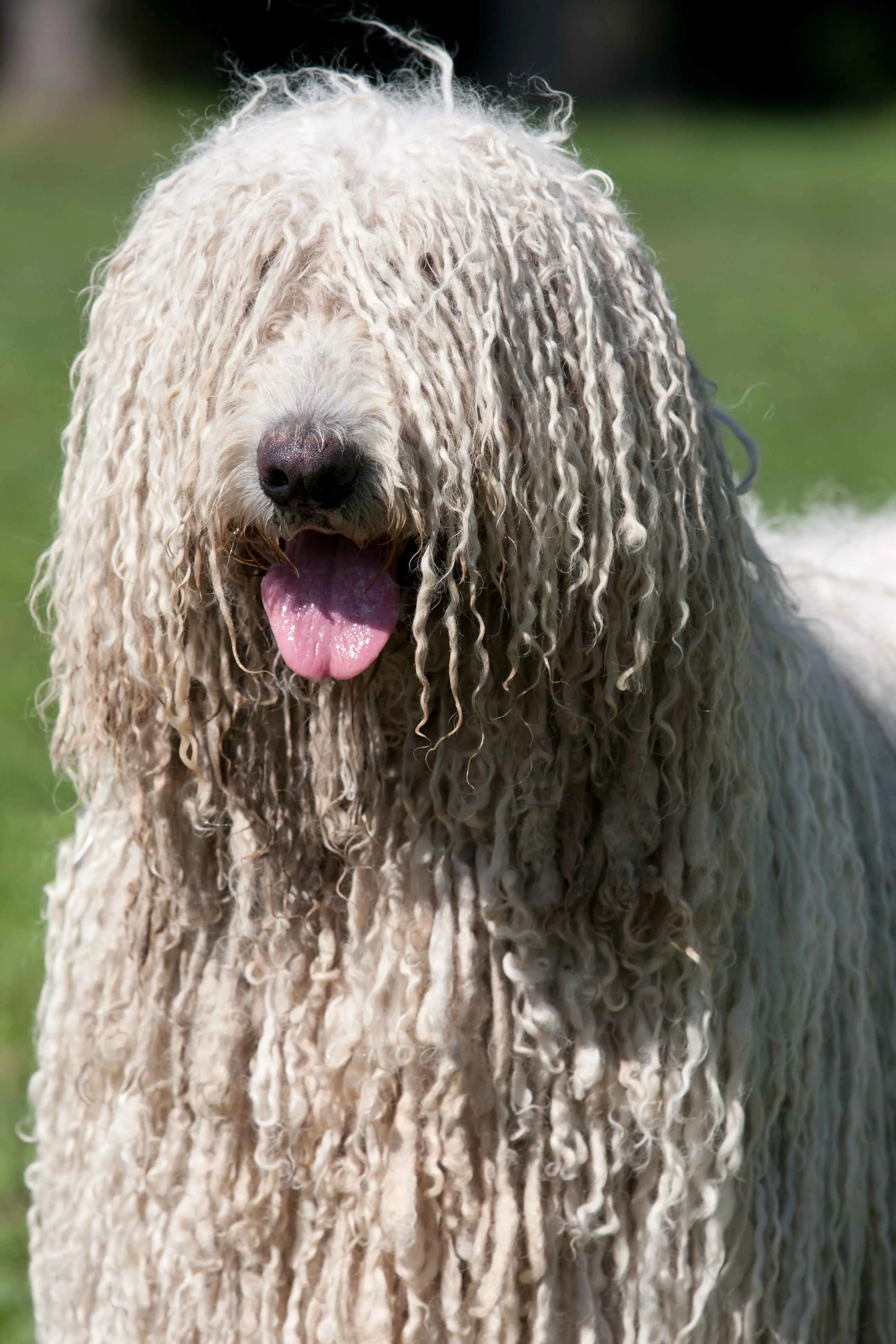
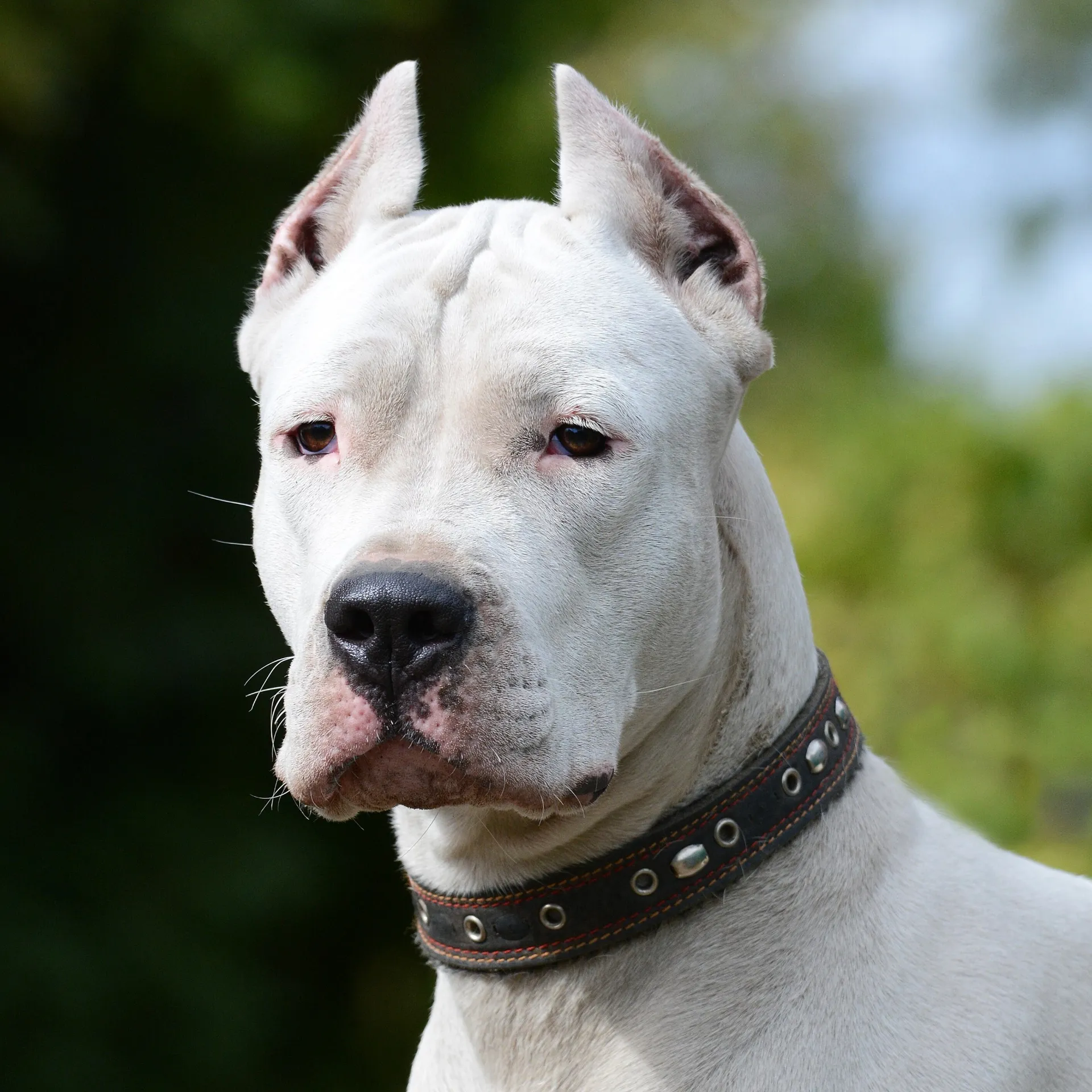
Compare with similar breeds
Frequently Asked Questions
Are Leonbergers good with children?
Yes, Leonbergers are generally good with children. They are known for their gentle and friendly nature, making them excellent family pets. However, early socialization is key to ensuring they are well-mannered around kids.
How much grooming does a Leonberger require?
Leonbergers require regular grooming due to their thick, double-layered coat. They shed quite a bit, so brushing several times a week is necessary to manage shedding and prevent matting. Bathing should be done as needed.
Are Leonbergers easy to train?
Leonbergers are intelligent and eager to please, which generally makes them relatively easy to train. Positive reinforcement methods work best, and consistent training will help them become well-behaved and obedient.