Home

/

Dog Breeds

/

Glen of Imaal Terrier

Glen of Imaal Terrier

Origin

🇮🇪

Ireland

Size

Medium Breed

Ideal Space

Independent House

Ideal Weather

15º-24ºC

Life Expectancy

12-15 years

Cost of buying

₹ 50,000 - ₹ 1,00,000

Top 5 Traits

Intelligent

Loyal

Playful

Protective

Fearless

Avg Monthly Expenses

₹ 4,650 - ₹ 6,600
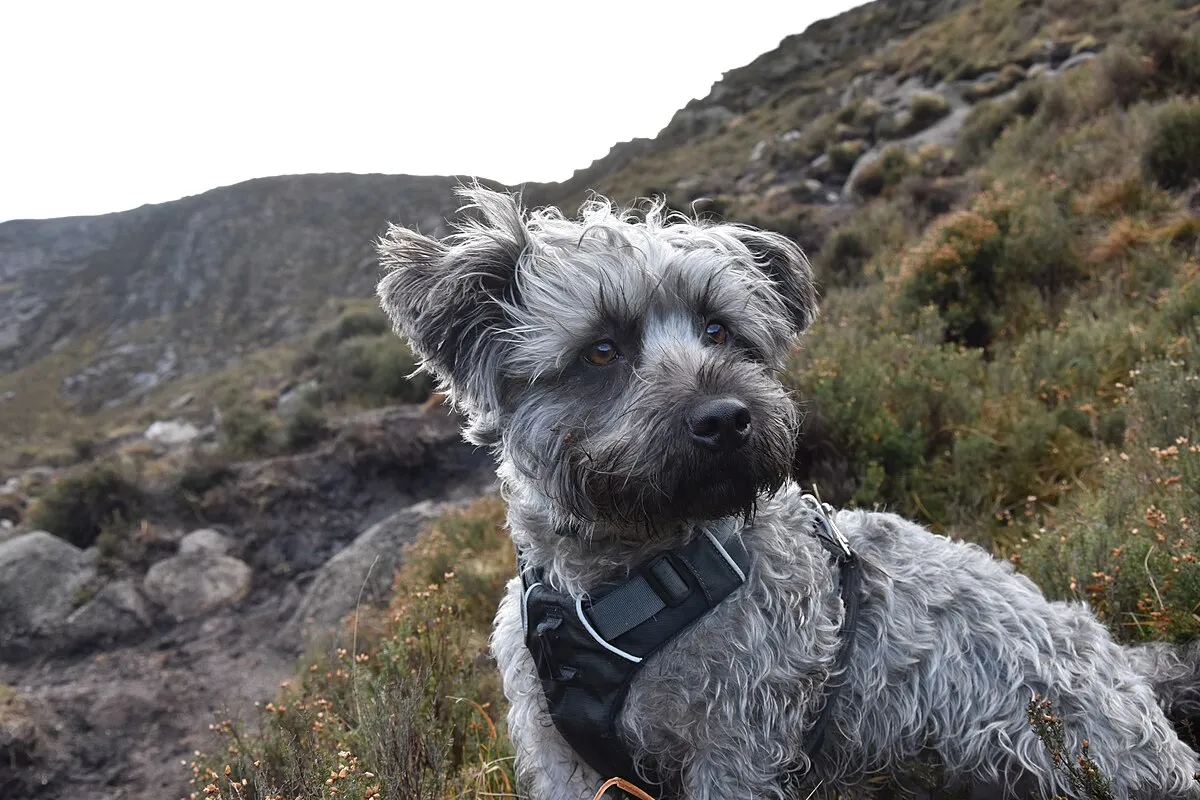
A gray shaggy Glen of Imaal Terrier wearing a harness looks to the right
written by image

by Happy Pet TeamUpdated on 29 Aug 2025

Meet the Glen of Imaal Terrier: Ireland’s Steady Little Worker

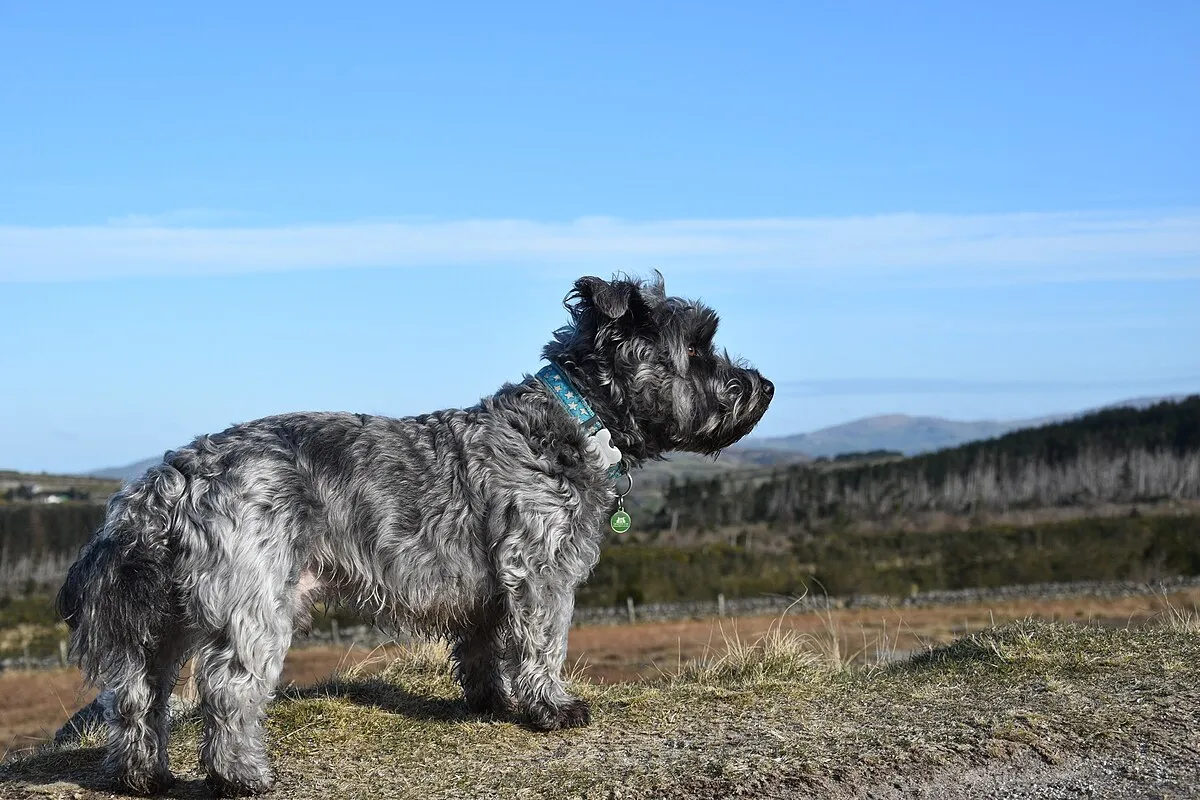
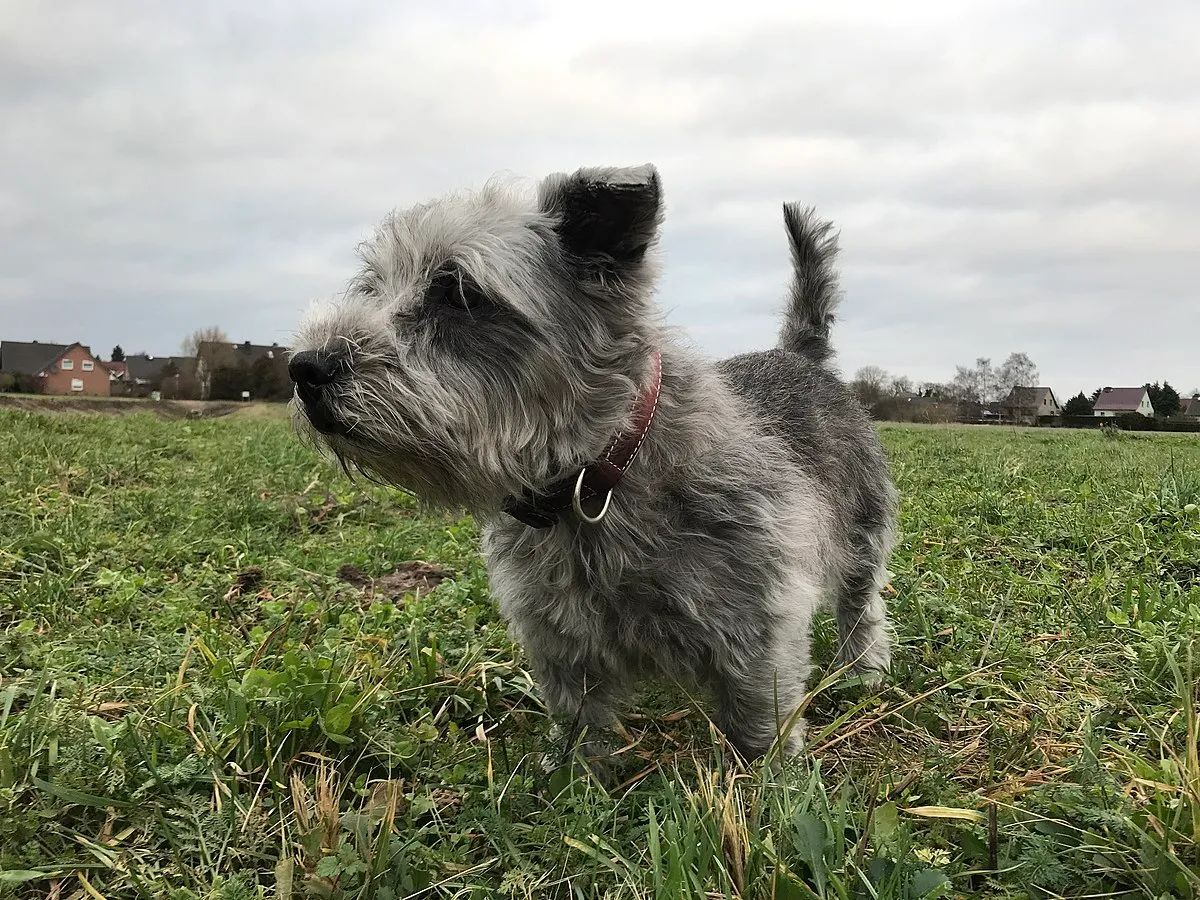
If you’ve always admired terriers but wished for one that’s a little calmer and more easy-going, the Glen of Imaal Terrier may be the dog you’re looking for. Originating from the rugged County Wicklow’s Glen of Imaal in Ireland, this breed was developed to work in tough terrain, hunting vermin and even helping farmers with daily chores. Unlike the more excitable terriers, the Glen is sturdy, low to the ground, and surprisingly mellow indoors.

What makes them stand out is their unique look—with bowed front legs, a muscular body, and a low, compact build (about 12.5 to 14 inches tall). They may be small in size, but they’re incredibly powerful for their frame. The American Kennel Club highlights their strength and determination, but also praises their loyal and affectionate nature with family.


How Long Do Glen of Imaal Terriers Live?

One of the joys of bringing home a Glen is their long life expectancy. Most live 10–15 years, and many reach their late teens with good care.


Temperament & Personality

Don’t let their tough, working-dog appearance fool you—the Glen has a gentle heart. They’re intelligent, spirited, and independent thinkers, which makes them excellent problem solvers. Unlike many terriers, they’re also less yappy, which makes life easier in Indian apartments where neighbors may be sensitive to noise.


The Spruce Pets describes them as affectionate, loyal, and protective of their loved ones. They bond deeply with their families and are usually good with children when properly socialized. While they still have terrier instincts, they balance it out with a calmer temperament—making them a fun-loving but manageable companion.


In an Indian setting, this means they adapt beautifully to family life: loyal, watchful, and affectionate without being overwhelming. Training should always be positive and consistent—Glens are independent, and harsh methods don’t work well. Instead, use treats, toys, and short, playful sessions to keep them engaged.


Apartment vs. Farmhouse Life

One of the Glen’s biggest strengths is adaptability.


  1. In apartments (Mumbai, Delhi, Bengaluru): Their moderate energy levels make them a good fit for city living, provided they get about an hour of daily activity. Brisk walks, indoor puzzle games, or play sessions in hallways can burn off energy. And since they’re not constant barkers, they won’t annoy your neighbors.
  2. In farmhouses or suburban homes: Glens truly shine with space to roam. The Glen of Imaal Terrier Club notes their history as determined underground hunters, which explains their love of digging. In Indian farm settings, a secure, fenced yard is essential—they may try to tunnel under if something interesting catches their nose.
  3. As for climate, Glens handle India’s weather better than thick-coated northern breeds. Their wiry, weather-resistant coat offers decent protection, but summer care is key: schedule walks during cooler hours, keep plenty of water handy, and let them splash in a shallow tub or sprinkler for fun and relief. Indoors, a fan or AC makes hot days far more comfortable.

Characteristics

Barking

Quiet

Loud

Temperament with Kids

Aggressive

Friendly

Playfulness

Silent

Very Playful

Friendliness

Not Friendly

Super Friendly

Compatibility with other dogs

Aggressive

Friendly

Need for attention

Independent

Very Needy

Monthly Expenses

about image

Lifespan & Price in India

Cost of buying

₹ 50,000 - ₹ 1,00,000

Glens are a long-lived breed for their size, with an average lifespan of 10–15 years, according to The Spruce Pets. With proper diet and healthcare, many live happily into their teens, making them a reliable family companion.


While, the price could hover around Rs 1 Lakh In India, however, they are still extremely rare. Most puppies are imported, which makes them expensive and harder to find.


Exercise Needs

Unlike many high-energy terriers, the Glen is a bit more laid-back, but they still need daily activity to stay fit and mentally sharp. The PupProfiles guide suggests about an hour of exercise a day—split between walks, play, and mental stimulation. In Indian cities, early-morning or evening walks are best to avoid the summer heat. On rainy days, indoor games like tug-of-war or scent puzzles are perfect substitutes.

Prerequisites to pet a Glen of Imaal Terrier

Access to Groomer

Access to Veterinary

Lifestyle Compatibility

Financial Capability

Space and Environment

Shop or Adopt a Glen of Imaal Terrier in India

Adopting a Glen in India is rare, though occasionally rescues may list them. More often, families rely on imports from breeders abroad. Pet parents should look for breeders who provide health clearances for hips and eyes, since conditions like hip dysplasia and PRA (progressive retinal atrophy) can occur in the breed. When buying, make sure the breeder provides PRA test results and hip certifications, as recommended by the Glen of Imaal Terrier Club. Puppies should be raised in a home environment, well-socialized, and come with vaccination records and microchip details.

Nutrition Care for Glen of Imaal Terriers

Monthly Food Expenses

₹ 2,250 - ₹ 3,000

Calories per day

Puppies900 kcal

Adults700 kcal

Essential Nutrients

Protein

Fats

Carbohydrates

Fibre

Vitamins

Minerals

List of foods

Chicken

Dry Dog Food

Fresh Meat

Fresh Fish

Mutton

Vegetables

The Glen of Imaal Terrier may be low to the ground, but they’re strong, sturdy, and full of heart. Originally bred for hard work in Ireland, Glens need meals that keep their muscles strong, joints healthy, and energy balanced. According to PetMD, a balanced diet is essential to keep them thriving—and with India’s hot climate and busy homes, pet parents should plan meals that are both nutritious and easy to digest.


Protein: The Power Base

Protein is the most important part of a Glen’s diet—it builds muscle, supports recovery, and keeps their terrier spirit fueled. Nutrition guides recommend 25–30% high-quality animal protein for sturdy working breeds like the Glen.


In Indian kitchens, good protein sources include:

  1. Boiled chicken or goat meat (lightly cooked, no masala)
  2. Eggs (boiled or scrambled without oil)
  3. Local fish like rohu, sardines, or mackerel—rich in omega-3s for joint and skin health


Healthy Fats: Coat, Brain & Energy

Glens have a wiry, weather-resistant coat that needs healthy fats to stay in good condition. Hill’s Pet highlights the importance of omega fatty acids for brain, coat, and immune health.

For Indian homes, easy options include:

  1. Fatty fish (sardines, mackerel, salmon when available)
  2. A teaspoon of coconut oil a few times a week
  3. Vet-approved fish oil supplements for skin and joint support


Carbohydrates: Steady Energy Without Overload

Glens are not as hyper as Jack Russells, but they still need steady energy. The Spruce Pets recommends complex carbs over fillers.

Smart carb choices in India include:

  1. Sweet potatoes, oats, or brown rice
  2. Local millets like ragi (finger millet) and bajra (pearl millet)
  3. Pumpkin or bottle gourd for light, hydrating energy


Avoid refined foods like white bread, biscuits, or fried snacks—they add calories without nutrition.


Vitamins & Minerals: The Hidden Helpers

Like all terriers, Glens benefit from bone-strengthening nutrients and immune boosters. Dogster notes that calcium, phosphorus, and vitamins A, D, and E are especially important.


In Indian kitchens, try:

  1. Boiled pumpkin, carrots, beans, peas, or spinach mixed into meals
  2. Calcium supplements for growing puppies (vet-recommended)
  3. Joint support like glucosamine or chondroitin for seniors


Feeding Guidelines for Glens

  1. Puppies (2–12 months): 3–4 small meals daily with puppy kibble + egg or chicken. Growth should be steady—avoid calcium overload.
  2. Adults (1–7 years): Two meals a day. Mix premium kibble with home-cooked proteins and veggies. In hot summers, lighter morning meals (rice + pumpkin) and protein-rich dinners (chicken + sweet potato) work well.
  3. Seniors (7+ years): Reduce calories by ~15–20% to prevent weight gain. Offer smaller, digestible meals with soft proteins (chicken, fish, or egg) and keep up joint supplements.


Like many terriers, Glens enjoy food but can overeat. Stick to measured portions and use slow-feeder bowls if they gobble their meals.

Breakdown of Macro-nutrients

Best Foods for Glen of Imaal Terriers in India

Premium Kibble Options:

  1. Royal Canin Medium Adult
  2. Farmina N&D Ancestral Grain or Quinoa formulas
  3. Orijen Small/Medium Breed (high protein, grain-free)
  4. Acana Singles (for sensitive stomachs)


Home-Cooked Meals:

  1. Chicken + pumpkin + brown rice + spinach
  2. Fish (rohu or sardine) + sweet potato + beans
  3. Egg + oats + carrots
  4. Paneer (in moderation) + ragi porridge + peas


Healthy Treats:

  1. Carrot or cucumber sticks
  2. Apple slices (no seeds)
  3. Unsweetened curd in small amounts
  4. Homemade chicken jerky


Hydration Boosts:

  1. Unsalted bone broth for minerals
  2. Coconut water in moderation during hot days
  3. Multiple water bowls indoors to beat Indian summers

Never feed these foods to Glen of Imaal Terrier

Avoid anything with these ingredients

Alcohol

Almonds

Avocados

Cherries

Cinnamon

Coffee / Tea

Fruit seeds

Garlic

Grapes

Lemon

Milk Products

Mushrooms

Onions

Salt

Even though the Glen of Imaal Terrier is a tough, hardy breed, some foods that are common in Indian homes can be downright dangerous for them. Knowing what to keep off their plate is just as important as knowing what to feed.


Here are the main categories of foods to avoid:


Toxic Human Foods

Some everyday kitchen ingredients are extremely harmful for dogs, even in small amounts:

  1. Onions, garlic, leeks, chives – staples in most Indian curries, but they can damage red blood cells and cause anemia over time.
  2. Chocolate, coffee, and tea – these contain theobromine and caffeine, which can cause seizures, heart problems, or worse. Dark chocolate is especially dangerous.
  3. Grapes and raisins – linked to sudden kidney failure in dogs, even just a couple can cause serious harm.
  4. Xylitol – an artificial sweetener often found in sugar-free gum, candies, and even baked goods. It can cause a sharp drop in blood sugar and liver damage.
  5. Alcohol and caffeinated drinks – beer, wine, chai, or cola are a big no. Dogs, especially small breeds like Glens, are extremely sensitive to them.


Indian Street & Fried Foods

Our beloved street food is delicious for us—but disastrous for dogs:


  1. Pakoras, samosas, bhajiyas, kachoris – fried in heavy oils and spices that trigger tummy upset and pancreatitis.
  2. Rich gravies and curries – full of onion, garlic, masala, and ghee, which are hard on a dog’s digestive system.
  3. Spicy snacks – items like mirchi bajji, masala chips, or chili-laced foods can cause gastritis, vomiting, and diarrhea.


Unsafe Meats & Chews

Not all meats or bones are safe for your Glen:


  1. Rawhide chews – often chemically treated and prone to splintering, which can cause choking or intestinal blockages.
  2. Cooked bones (especially chicken bones) – brittle and likely to splinter inside the stomach or intestines.
  3. Processed meats like sausages, salami, bacon – packed with salt, preservatives, and spices that harm the kidneys and stomach.


Low-Quality Dog Food

While affordable kibble may seem convenient, it often hides fillers and additives:


  1. Cheap brands that use corn, soy, wheat, artificial flavors, or colors provide very little nutrition.
  2. In India’s growing pet food market, many low-cost products don’t list ingredients clearly—always choose trusted, transparent brands.


Sugary & Dairy-Heavy Foods

Many Indian homes love to “share a treat” with their pets, but some of these treats can be harmful:

  1. Mithai (ladoo, gulab jamun, barfi) – too much sugar and ghee can lead to obesity, diabetes, and dental problems.
  2. Ice cream and flavored milkshakes – the sugar, lactose, and artificial flavors often cause diarrhea and bloating.
  3. Paneer and ghee-rich foods – a little paneer is fine occasionally, but too much dairy or fat makes your Glen gain weight quickly.


A good thumb rule for Indian homes: if it’s spicy, fried, oily, sweet, or processed, don’t feed it to your Glen. Stick to simple, lightly cooked foods without masala, and use dog-safe treats for rewards.

about image

Health

Avg Monthly Expenses

₹ 1,200 - ₹ 1,800

Common Health Issues

Hip Dysplasia

Canine distemper

Parvovirus

Rabies

Kennel Cough

Heartworm

Lyme disease

Parasites

Well being

Exercise

Agility Training

Bonding

Games

Socialization

Energy Level

Medium

Exercise routine

45 - 60 minutes

Recognising Stress

Changes in appetite

Excessive Barking

Pacing

Excessive Panting

Reluctance to move

Healthcare for the Glen of Imaal Terrier in India

The Glen of Imaal Terrier is often described as a hardy little dog, but like all breeds, they have their own set of health concerns. With good care, many Glens live well into their mid-teens, making them a wonderful long-term companion for Indian families. To give them the best chance at a healthy life, pet parents should be aware of some breed-specific issues and how India’s climate and lifestyle can affect them.


Common Health Issues in Glens

Joint Health & Growth Plate Injuries


The Glen’s distinctive bowed legs are part of their charm, but they also make puppies vulnerable to growth plate injuries. As Wikipedia notes, young Glens should avoid activities like stair-climbing or jumping off furniture until their bones are fully developed. In Indian homes, that means blocking off staircases and discouraging sofa-jumping during puppyhood. If you spot a limp, rest and a vet check are essential.


Hip & Elbow Dysplasia


While not as common as in large breeds, hip and elbow dysplasia can occur. According to PetMD, responsible breeders screen their dogs for these issues, and the Glen of Imaal Terrier Club stresses that buyers should always ask for hip and elbow certifications before bringing home a puppy.


Progressive Retinal Atrophy (PRA)


Eye health is another area to watch. Glens can inherit PRA, a genetic disease that causes gradual vision loss. The Glen of Imaal Terrier Club of America explains that DNA testing is available, and responsible breeders use it to ensure affected dogs aren’t bred. For Indian pet parents, scheduling yearly eye exams—especially after age five—can help catch changes early.


Skin Allergies & Sensitivities


Like many terriers, Glens are prone to skin issues such as itching or hot spots. Breeders like Abberann Glens note that allergies can be triggered by pollen, flea bites, or even food. In India’s humid monsoon months, fungal infections are also common, so drying your Glen thoroughly after a bath or rainy walk is a must.


Obesity & Digestive Health


Glens love their food, but too much can quickly lead to obesity. Extra weight not only stresses their joints but can also cause metabolic issues. As Kelley Animal Hospital points out, portion control and measured feeding are key. In India, where family members may sneak scraps from the dinner table, setting firm feeding rules is especially important.


Parasite & Infection Risks


Warm, humid climates also increase the risk of ticks, fleas, and worms. Preventive treatments and regular vet checks go a long way in keeping these under control.


Cancer (Rare but Serious)


Though rare, cancers like hemangiosarcoma and squamous cell carcinoma have been seen in Glens. The My Family Vet guide suggests annual vet exams and body checks, especially for older dogs, to catch problems early.


General Healthcare Tips for Indian Homes

  1. Vet Visits: At least once a year for young Glens, and twice a year for seniors. Always ask breeders for health clearances before purchase.
  2. Weight Management: Avoid overfeeding and resist giving them Indian snacks like samosas or mithai, which quickly lead to weight gain.
  3. Dental & Skin Care: Brush their teeth weekly, and after monsoon walks, dry them well to prevent fungal infections.
  4. Parasite Prevention: Flea and tick control is non-negotiable, especially in cities like Bengaluru or Pune where monsoons are long and damp.
  5. Supplements: Vets may recommend glucosamine and omega-3 fatty acids for joint and coat health, both easily available at Indian pharmacies.
  6. Mental Enrichment: Glens are problem-solvers—keep them sharp with puzzle toys and short, fun training sessions.

Vaccination details

Growth Stage

Core Vaccines

6-8 Weeks

Distemper, Parvovirus, Canine Hepatitis

10-12 Weeks

Distemper, Parvovirus, Canine Hepatitis, Leptospirosis

14-16 Weeks

Distemper, Parvovirus, Canine Hepatitis, Rabies

12-16 Months

Booster for all core vaccines including Rabies

Anually

Rabies, Canine Influenza, Leptospirosis, and other core boosters as recommended

Recommendations to care for senior Glen of Imaal Terrier dogs

From around age 8, Glens start entering their senior years, though many remain lively. At this stage:

  1. Biannual vet checkups with blood panels help track kidneys, liver, and thyroid.
  2. Switch to lighter, senior diets or easy-to-digest home meals like boiled chicken, pumpkin, and rice.
  3. Use orthopedic bedding to reduce stress on joints, especially on marble or tiled floors common in Indian homes.
  4. In hot cities like Mumbai or Chennai, keep seniors cool with fans, AC, or cooling mats.
  5. Gentle massages or vet-approved turmeric can help ease stiffness and arthritis naturally.


Similar breeds

Miniature Schnauzer | French Bulldog | Shih Tzu

Grooming Routine for the Glen of Imaal Terrier

Avg Monthly Expenses

₹ 1,200 - ₹ 1,800

Shedding Level

Low Shedding

Hygienic Checklist

Bathing

Brushing

Nail Trimming

Teeth Care

Ear Cleaning

Eye Care

Benefits of Grooming

Cleanliness

Low Shedding

Odourless

Prevents infections

Quality of life

Prevents Bad Breath

The Glen of Imaal Terrier is one of the easier terriers to maintain when it comes to grooming, which makes them a great fit for busy Indian households. Their coat is double-layered—a harsh, wiry topcoat over a soft undercoat—which gives them their rugged look. As Vetstreet explains, this type of coat sheds less than you’d expect, but it does need regular upkeep to stay healthy.


A weekly brushing with a slicker brush or grooming mitt goes a long way. The Glen of Imaal Terrier Club of America recommends brushing in both directions to catch the undercoat and keep tangles away. For Glens with rougher coats, hand-stripping—the gentle removal of dead hair by hand—every six to nine months helps maintain the coat’s weather-resistant texture. This is something you can learn to do at home or ask a professional groomer to handle.


Bathing should be occasional. The club’s grooming guide cautions that frequent baths can soften the coat and strip away natural oils. A good rule in India is to bathe only when your Glen gets especially muddy, such as after monsoon walks. In humid cities like Mumbai or Chennai, always dry them thoroughly to prevent fungal or bacterial skin infections.


Don’t forget the small but important details: ears should be checked weekly and excess hair inside the ear gently removed to prevent moisture buildup, something WagWalking notes is common in floppy-eared breeds. Nails should be trimmed every 3–4 weeks, especially for dogs living in Indian apartments with marble or tiled floors that don’t naturally wear nails down. And like all breeds, teeth brushing at least twice a week helps prevent tartar and gum disease—WebMD’s dog care guide stresses this is particularly important for terriers, who can be prone to dental issues.

about image
written by image

Written by

Happy Pet Team

Author

Team Happy Pet is a passionate collective of pet experts, enthusiasts, and advocates dedicated to sharing trusted and insightful content.

Our cont

 

Compare with similar breeds

Tan Carolina Dog with erect ears and open mouth on a white background

Carolina Dog

Compare
A small fluffy brown dog with curly fur and a harness sits looking forward with its tongue out

Barbet

Compare
Siberian Husky with hetero chromatic eyes and pink tongue showing close up

Siberian Husky

Compare
Brown dog with one erect and one folded ear stands on concrete

Pandikona

Compare

Frequently Asked Questions

How often should I bathe my Glen of Imaal Terrier?

Bathing should be done as needed, typically every 6-8 weeks, or when they get particularly dirty. Over-bathing can strip their coat of natural oils, so it’s important to use a gentle dog shampoo.

How do Glen of Imaal Terriers handle cold weather?

Their double coat provides some protection against the cold, but they should not be left outside for prolonged periods in extreme cold.

Are Glen of Imaal Terriers vocal dogs?

They are not excessively vocal but will bark to alert their owners of strangers or unusual occurrences. Proper training can help manage any unnecessary barking.

1. How long do Glens live?

Most Glens live 10–15 years, and with good care some can go well into their late teens

Can they adapt to Indian apartments?

Yes. They are known to be quieter than most terriers, which makes them well-suited to apartment life, provided their exercise needs are met.
Media & Resources about Dogs

dog refusing food

Why Do Dogs Eat Less in Summer? Causes, Signs & Practical Tips

17 Apr 2026

a happy dog and its owners

Communication Gaps in Pet Co-Parenting: How It Impacts Your Pet’s Health

15 Apr 2026

dog travelling in a train

Don’t Let the Heat Harm Your Pet: Smart Summer Travel Tips

14 Apr 2026

View All